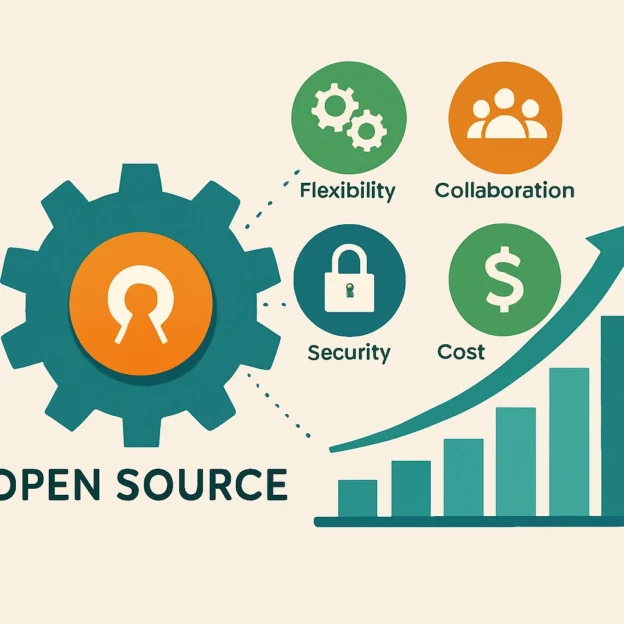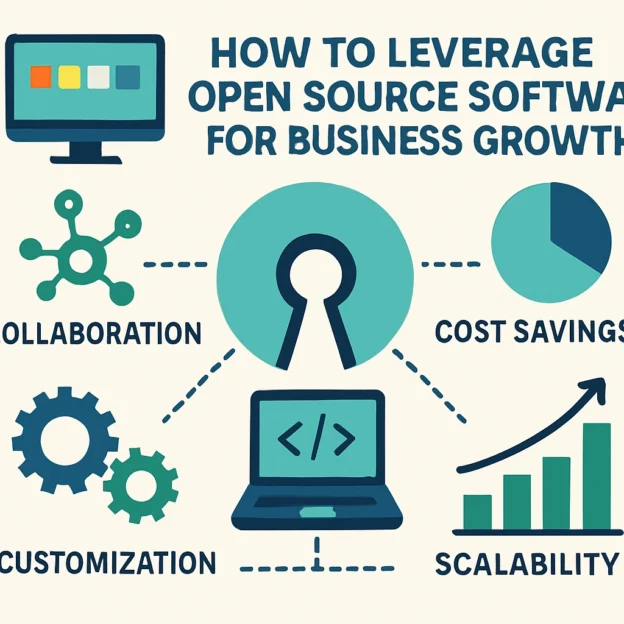
How to Leverage Open Source Software for Business Growth

How to Leverage Open Source Software for Business Growth

In a world where technology is evolving at lightning speed, businesses are consistently on the lookout for tools that can help them gain a competitive edge. One of the most potent, yet often overlooked, resources available is open source software. But what exactly is open source, and how can you harness its power to fuel your business growth? Let’s dive into it.

Understanding Open Source Software

At its core, open source software is any software whose source code is made available to the public. This means anyone can view, modify, and distribute it. Think of it as a collaborative project where communities come together to improve code, create features, and make the software more robust over time. Some popular examples include Linux, WordPress, and Mozilla Firefox, but there’s a vast ocean of open-source tools out there that cater to a myriad of business needs.

Cost Savings

One of the most significant advantages of using open source software is the cost savings. Unlike proprietary software, which can come with hefty licensing fees and ongoing costs, most open-source options are free to use. This freedom allows many startups and small to medium-sized businesses to allocate their budgets toward other vital areas like marketing, staffing, or product development. By leveraging open-source software, you can create a flexible IT infrastructure without breaking the bank.

Customization and Flexibility

Every business is unique, and what works for one company might not work for another. Open source software gives you the ability to customize applications to meet your specific business requirements. Have an idea for a feature that could make your processes smoother? A solid understanding of coding—or the right partnership with a developer—enables you to implement those changes efficiently. Additionally, this adaptability can be a game-changer as your business evolves.

Community Support

One of the most valuable aspects of open source software is its community. When you opt for an open-source solution, you tap into the collective wisdom of users, developers, and enthusiasts who are often more than willing to help troubleshoot issues or share best practices. This kind of support can be invaluable, especially for smaller companies that might not have extensive IT departments. You can find forums, chat rooms, and documentation that can answer almost any question you might encounter.

Enhanced Security

Contrary to the misconception that open-source software is less secure, many developers argue that it’s actually more secure due to its transparency. With the source code publicly available, vulnerabilities can be spotted and patched more quickly than in proprietary software, where only a limited number of developers review the code. This method can lead to a more robust security posture for your business. Plus, with regular updates and a community focused on improvement, your software can stay one step ahead of potential threats.

Faster Innovation

Businesses that adopt open-source software often find themselves at the forefront of technological innovation. Because of the collaborative nature of open-source projects, new features and ideas can be quickly developed and shared across the community. If you’re utilizing open-source tools, you can stay updated with the latest trends and advancements, allowing your business to adapt swiftly to market changes or customer demands.

Building Collaborative Ecosystems

Open source software can also foster collaboration within your industry and beyond. By adopting open-source tools in your operations, you can partner with other companies that are utilizing the same platforms. This teamwork can lead to co-development opportunities, shared knowledge, and even joint ventures that might not have been possible otherwise. Plus, by contributing back to the open-source community, you create a positive cycle of innovation that can benefit everyone involved.

Nurturing Talent

On an organizational level, adopting open source software can also aid in talent acquisition and retention. Many tech-savvy employees, especially younger generations, appreciate a culture of openness and collaboration. By employing open-source tools, you signal that your company values innovation, creativity, and flexibility—qualities that many modern professionals look for in an employer.

Incorporating open source software into your business strategy could be one of the smartest moves you make. With an array of options at your fingertips, you can create a cost-effective, flexible, and secure technological foundation that supports your growth ambitions. As you explore this exciting world, remember: every little contribution you make to the open-source community is not just a step toward improving your business, but also a way to give back and foster innovation for everyone. So why not take that leap? It might just be the secret ingredient you’ve been searching for.
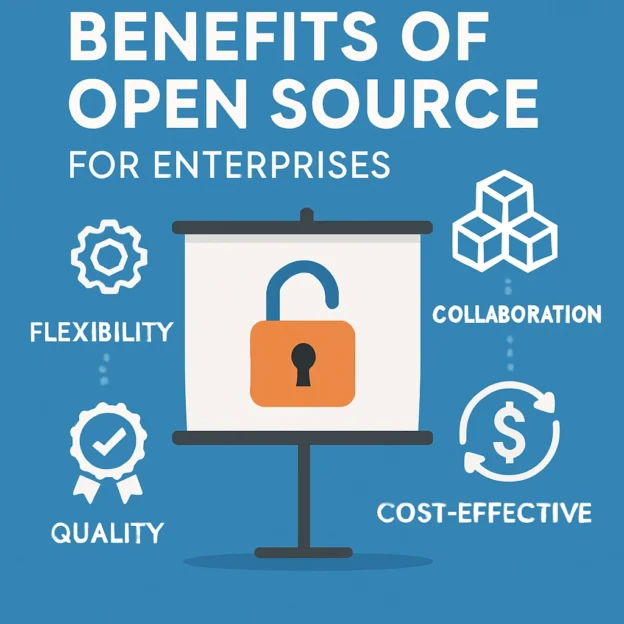
Exploring the Benefits of Open Source for Enterprises

Exploring the Benefits of Open Source for Enterprises

In recent years, the buzz around open source software has gone from niche interest to mainstream necessity. As more enterprises recognize the advantages of adopting open source solutions, it’s clear that this collaborative approach to software development is redefining the tech landscape. But what exactly makes open source so appealing to businesses? Let’s dive into the key benefits that enterprises can gain from harnessing the power of openly available software.

Cost Efficiency

One of the most immediate and tangible benefits of open source software is cost savings. Unlike proprietary software that often comes with hefty licensing fees, many open source options are available at little to no cost. This doesn’t just mean you’re saving money on software purchases. It also means the resources typically allocated for vendor maintenance and support can be redirected toward other crucial areas of your business.

Additionally, since open source software is often built on a community-based model, you might find that there are fewer hidden costs associated with updates and upgrades. This makes financial forecasting and budgeting just a little bit easier.

Flexibility and Customization

Every business has unique needs, and one-size-fits-all solutions often fall short. Open source software can be modified and enhanced, allowing enterprises to tailor solutions to meet their specific requirements. Want to add a feature to streamline your workflow? Go for it! Need to integrate an existing system? Easy peasy!

This level of flexibility parallels the fast-paced nature of modern businesses, where adaptation is key to staying relevant. Open source solutions empower IT departments to get creative and innovate swiftly, without having to wait for a vendor’s update cycle or pay for new features.

Community Support and Collaboration

When you choose open source software, you aren’t just picking a product; you’re joining a thriving community. This community is typically composed of developers, users, and activists who are passionate about the software and eager to collaborate.

One of the key benefits of being part of an open source community is access to a wealth of knowledge and resources. Forums, user groups, and collaborative projects provide robust support systems and can help troubleshoot issues faster than waiting on a corporate help desk. The collective effort also means that security holes and bugs are often identified and patched much more quickly than with proprietary systems, providing enterprises with enhanced security.

Innovation at Your Fingertips

Open source software serves as a catalyst for innovation. The nature of open source fosters collaboration and creativity, leading to rapid advancements in technology. Given that many developers and companies contribute to open source projects, the pace of innovation is often faster than in a proprietary environment, where development cycles can be slowed by corporate protocols.

For example, companies like Red Hat and IBM thrive on open source contributions to drive their own innovations. By tapping into this ever-evolving source of inspiration, enterprises can leverage cutting-edge technology without taking on the risks associated with traditional R&D processes.

Improved Security

It might seem counterintuitive, but open source software can actually be more secure than its proprietary counterparts. With millions of eyes on the code, flaws tend to be spotted and resolved more swiftly. Since many open source projects operate on a model of transparency, any vulnerabilities are quickly addressed by the community.

Moreover, enterprises have the ability to audit the code directly rather than relying on vendors to provide assurances about security measures. This can lead to more robust security protocols that align with a company’s specific needs, ensuring that sensitive data remains protected.

Seamless Integration

In an increasingly integrated digital world, using software that easily connects with existing systems is vital. Open source software often shines in this area, as many projects are designed to be modular and compatible with other systems. This adaptability means enterprises can build an ecosystem of tools that work harmoniously together, improving overall efficiency and productivity.

Whether it’s integrating a new CRM system with a project management tool or combining multiple data sources into a single analytical dashboard, open source solutions can offer the flexibility to create a customized tech stack that elevates business performance.

Empowerment and Independence

Finally, adopting open source software empowers enterprises in a way that proprietary systems cannot. By relying on open source solutions, organizations aren’t tied to a single vendor for support or updates. This independence can open doors to negotiating better terms, and it encourages enterprises to invest in in-house expertise, leading to robust internal capabilities.

This empowerment fosters a culture of innovation, as teams are encouraged to explore and experiment without the constraints traditionally imposed by commercial software.

The global shift towards open source is enabling enterprises to adopt solutions that not only meet their immediate needs but also pave the way for future growth. By taking advantage of the numerous benefits—cost savings, flexibility, community support, security, innovation, and independence—businesses can position themselves for success in an increasingly complex digital landscape. Let’s embrace open source, not just as a trend but as a transformative approach that can propel us into the future.

Software Freedom: What It Means for Your Business

Software Freedom: What It Means for Your Business

In today’s tech-driven world, the term "software freedom" is gaining traction, and for a good reason. It represents the shift in how businesses approach software ownership and use, ultimately affecting everything from operations to budget management. But what does it mean, and how can it impact your business? Let’s dive in!

Understanding Software Freedom

At its core, software freedom refers to the idea that users should have the freedom to use, modify, and share software. This concept often aligns with open-source software (OSS), which is built on the premise that anyone can access the source code. This contrasts with proprietary software, where the source code is kept hidden, and users are typically restricted in their ability to modify or distribute the software.

Open-source platforms, like Linux and WordPress, thrive on community contributions and collaboration, providing users with a robust toolbox that can be tailored to their specific needs. The beauty of this freedom is that it allows businesses to innovate without the constraints of traditional licensing fees and limitations.

Cost-Effectiveness

One of the most appealing aspects of software freedom for businesses is the potential for significant cost savings. Proprietary software often comes with hefty licensing fees, annual renewal costs, and sometimes even expensive hardware requirements. On the other hand, many open-source solutions are available for free or at a drastically reduced cost, allowing smaller businesses to adopt powerful tools that would otherwise be financially out of reach.

Think of it this way: when you choose open-source software, not only do you eliminate high initial costs, but you also gain the flexibility to invest those savings elsewhere—be it in marketing, employee training, or product development.

Customization and Flexibility

Another significant advantage of software freedom is customization. Open-source software allows businesses to tailor solutions to fit their specific needs—not the other way around. If you face particular challenges that generic software cannot address, you can modify open-source tools to handle those obstacles directly.

This flexibility means your business can remain agile and responsive to changes in the market. Instead of waiting for a proprietary vendor to release an update or new feature, you can make changes in-house or collaborate with a developer to create solutions that work best for you.

Security and Stability

You might be wondering about security, especially given the rise in cyber threats. It’s a common misconception that proprietary software is inherently more secure than open-source options. In reality, open-source software benefits from community scrutiny. When software code is available for anyone to see, vulnerabilities can be identified and addressed much more quickly.

Moreover, the active community surrounding popular open-source projects means a wealth of knowledge and resources is often at your fingertips. When you encounter a problem, there’s a high likelihood that someone else has experienced it, and they’ve documented solutions. This creates a support network that proprietary software may not offer.

Encouraging Innovation

Encouraging innovation is another key attribute of software freedom. When employees can access and modify software without fear of violating licenses, you create an environment where creativity can flourish. Teams may come up with unforeseen applications or integrations that supercharge your business processes.

Harnessing open-source tools can also foster collaboration across departments. IT teams might work more closely with marketing teams to create customized solutions that streamline workflow and enhance productivity.

Building Community and Talent

Emphasizing software freedom goes beyond just the immediate operational benefits. It can also help you build a culture of collaboration within your organization. Employees are more likely to share knowledge, contribute to projects, and take pride in the solutions they help create.

Additionally, investing in open-source technologies can position your business as a progressive and attractive workplace, especially among tech-savvy talent. The open-source community offers a vast pool of skilled developers and engineers who are passionate about their projects. By adopting open-source practices, your business can tap into this talent and potentially recruit individuals who are excited about contributing to meaningful projects.

Making the Leap

Transitioning to a more open-source reliant model requires a bit of a paradigm shift, but the benefits far outweigh the challenges. Start by identifying key areas within your organization where proprietary solutions are holding you back. Research open-source alternatives that align with your business goals and discuss the potential for customization and integration with your tech teams.

In summary, embracing software freedom can unlock tremendous potential for your business. From cutting costs and enhancing security to fostering innovation and collaboration, the advantages are manifold. By actively engaging with the open-source community, you’re not just utilizing tools; you’re becoming a part of a movement that champions creativity and empowerment in the tech landscape. As we embrace the future, consider how software freedom might empower your business to act boldly and innovatively in an ever-changing world.

Unlocking Innovation: The Power of Open Source Software

Unlocking Innovation: The Power of Open Source Software

In an era where collaboration and creativity are paramount, open source software (OSS) is emerging as not just a trend, but a revolution that has the power to reshape industries and democratize technology. So, what exactly is open source software? At its core, it’s a type of software that is built on the principle of shared knowledge. The source code is made available to the public, allowing anyone to use, modify, and distribute it. Think of it as a communal pot of ideas where every coder can add their special ingredient.

A World of Collaboration

One of the most compelling aspects of OSS is the collaboration it fosters. Traditionally, software development was the realm of big companies with large budgets and resources. However, open source breaks down those walls, inviting developers from all walks of life to contribute their skills. Developers in India can work alongside programmers in the United States, sharing insights and ideas to build robust software solutions. This level of global collaboration not only speeds up innovation but also brings diverse perspectives to problem-solving.

Take the Linux operating system as an example. Linus Torvalds launched Linux in 1991, inviting anyone to contribute. Today, Linux powers the majority of the world’s servers and is the backbone of many systems. Its community-driven approach has turned it into a reliable choice for enterprises and individuals alike, showcasing how powerful collaboration can be.

The Business Advantage

It’s easy to see how OSS benefits developers, but what about businesses? Many organizations are waking up to the potential that open source has to offer. By adopting OSS, companies can reduce costs, avoid vendor lock-in, and tap into a community of developers who can help refine and enhance their software. This nimble approach allows businesses to innovate more rapidly and respond to market changes effectively.

For instance, companies like Red Hat have built entire business models around open source. They provide commercial support for open source solutions, proving that there’s a significant market for such services. This model not only profits from the software but also encourages further development and improvement, benefiting everyone involved.

Customization at Your Fingertips

Another incredible advantage of OSS is customization. When using proprietary software, you’re often at the mercy of the vendor. Need a unique feature? You’ll have to wait for the company to consider your request, and even then, there’s no guarantee. However, with open source software, you have full access to the source code. If you can code—or have someone on your team who can—you can tweak the software to fit your specific needs exactly. This level of flexibility is particularly helpful for startups and organizations looking to carve their niche without being hindered by generic solutions.

Imagine a nonprofit organization working to address a community issue. By using open source software, they can adapt applications to meet their needs perfectly, without blowing their budget on licensing fees or mandatory upgrades. This agility can be life-changing and is a true testament to the power of open source.

Driving Innovation Beyond Software

But the influence of open source extends far beyond just software. The ethos of sharing knowledge and building community is translating into various sectors—from science to education. The Open Educational Resources movement advocates for freely accessible learning materials, which echoes the principles of OSS. This initiative enhances education by broadening access to quality resources, promoting equity in learning environments around the globe.

In the scientific community, platforms like Open Science and the Human Genome Project have pioneered the idea of sharing research data and methods openly. By doing this, they have accelerated breakthroughs that benefit humanity as a whole. The collaborative spirit of open source is proving that when information is shared freely, innovation flourishes.

Closing Thoughts

As we’ve seen, open source software is more than just a coding philosophy; it’s a vibrant movement that empowers individuals, drives innovation, and breaks down barriers. Whether you’re a developer, a business owner, or simply a tech enthusiast, embracing open source means tapping into a world of possibilities. The power of collaboration and collective intelligence has never been more relevant, and in a time when global challenges require innovative solutions, open source is leading the way.

As we continue to explore the spaces where technology meets community, let’s champion the open source spirit not just as a philosophy of software development, but as a way of fostering creativity and innovation in every corner of our lives. With the right mindset and a communal approach, who knows what incredible solutions we can unlock next?

The Importance of Open Source Software in Today’s Tech Landscape

The Importance of Open Source Software in Today’s Tech Landscape

In a world that’s increasingly driven by technology, the software we use shapes our daily lives more than we often realize. From the apps on our phones to the systems running businesses, software is the backbone of the digital age. But have you ever thought about who creates this software or how it’s developed? Enter open source software (OSS)—an unsung hero that’s changing the way we consume, create, and collaborate in the tech landscape.

What is Open Source Software?

Open source software is just that: software whose source code is made publicly available for anyone to view, use, modify, and distribute. This means anyone with the right skills can contribute to its development, fostering a spirit of collaboration and community. Popular examples of OSS include Linux, the Apache web server, and Mozilla Firefox. You might even be using open source software without knowing it—many web servers run on open source systems, and Google’s Android is built on the Linux kernel!

Collaboration: The Heart of Open Source

One of the most significant advantages of open source software is the collaborative approach to development. Imagine a community of developers, each bringing their unique skills and perspectives to a project. This collective intelligence leads to higher quality software that can quickly adapt to the needs of its users.

For instance, when a security vulnerability is found in an open source project, the community can react swiftly. Multiple developers can jump in to fix the issue, often more rapidly than a single company could respond. This not only improves security but also enhances the overall reliability of the software.

Cost-Effectiveness

Let’s not forget about the financial side of things. Open source software is typically free to use, which can significantly reduce costs for individuals and organizations alike. This accessibility allows startups and small businesses—often tight on budget—to leverage powerful tools that previously would have been out of reach.

By using OSS, companies can allocate their resources more effectively, focusing funds on innovation and growth rather than licensing fees. Plus, the low barrier to entry for developers means that teams can experiment and iterate without the fear of draining their budgets on proprietary software.

Flexibility and Customization

Another appealing aspect of open source is flexibility. Since the source code is accessible, businesses can tailor the software to better meet their needs. This is especially important for organizations with unique workflows or requirements. Instead of settling for off-the-shelf solutions that may not align perfectly with their processes, they can tweak the software to fit like a glove.

This capability fosters innovation; businesses can push boundaries and create customized solutions that position them ahead of the competition. Whether it’s enhancing user experience or streamlining operations, the ability to modify software brings endless possibilities.

Community and Support

Open source software often comes with a vibrant community ready to help. If you encounter an issue or have a question, there are countless forums, chat groups, and documentation available to guide you through. This communal spirit not only promotes knowledge-sharing but also makes learning a collaborative experience.

If you’re keen on getting involved, many projects even welcome newcomers, providing mentoring and tutorials to help you find your footing. This not only boosts your skill set but also expands your professional network—there’s something incredibly rewarding about contributing to a project that’s bigger than yourself.

Driving Innovation

Lastly, open source software plays a crucial role in driving technological advancement. Major tech companies like Google, Microsoft, and IBM have embraced the open source model. They contribute to projects, sponsor initiatives, and sometimes even release their own open source tools. This not only enhances their credibility but also accelerates innovation across the tech landscape.

By promoting open standards and interoperability, OSS encourages new ideas and creativity. The collaborative ethos fosters a culture where experimentation is encouraged, and sameness is avoided. New technologies, frameworks, and methodologies often emerge from these collaborative efforts, pushing the entire field forward.

Embracing the Future

Open source software is here to stay, and its impact will only continue to grow. As the barriers between ideas and execution lower, more people are empowered to create and innovate. In this fast-paced digital landscape, it’s essential to recognize the importance of community collaboration, cost-effectiveness, customization, and innovation.

So, whether you’re a developer itching to dive into a new project, a business owner looking to save on software expenses, or just a curious tech enthusiast, it’s worth exploring the world of open source. Embrace it, contribute to it, and let’s reshape the future of technology together. After all, in the realm of open source, we’re not just users; we’re all co-creators in an exciting journey.

How To Create a Successful Open Source Project from Scratch

How to Create a Successful Open Source Project from Scratch

Creating an open source project can feel a bit daunting at first. After all, you’re not just coding in solitude; you’re inviting the world to collaborate, critique, and hopefully contribute. But fear not! With the right mindset and steps, you can build a project that attracts attention, fosters community, and makes a real impact. Let’s dive into how to turn your awesome idea into a successful open source endeavor.

Find Your Passion Project

Before we get into the nitty-gritty of coding, start with the foundation: your project idea. The best projects often stem from genuine passion and personal experience. Ask yourself:

  • What problems do I face that could have a software solution?
  • What are my hobbies or interests where I feel a tool could improve the experience?
  • Can I provide something useful to a community I’m part of?

The more enthusiastic you are about your topic, the more driven you’ll be when you hit inevitable roadblocks.

Scope it Out

Once you’ve landed on an idea, it’s vital to define what your project will address — this means setting boundaries! Outline your minimal viable product (MVP) — the simplest version of your project that delivers value. For instance, if you’re creating a task management app, don’t aim to build the fully-featured version right away. Start with core functionalities: perhaps task creation, deadline setting, and basic reminders. You can add complexity later as the project evolves.

Choose the Right Tools & Technologies

Selecting the right stack for your project is critical. Do a little research into what’s popular or well-supported in your area of interest. Here are a few questions to consider:

  • What programming languages am I most comfortable with?
  • Is there a framework that can expedite my development process?
  • Are there libraries that can help me?

Also, make sure the technology you pick is conducive to collaboration. Favor open standards and widely understood languages over niche ones, as this broadens the pool of potential contributors.

Set Up Your Repository

GitHub, GitLab, and Bitbucket are popular platforms for sharing code and attracting collaborators. Whichever you choose, make sure to set up your repository correctly:

  1. README file: This is your project’s first impression. Clearly articulate what your project does, how to get started, and how to contribute. Including installation instructions and examples can make it easier for newcomers.

  2. License: Choose an appropriate license to dictate how other people can use your code. Creative Commons and MIT licenses are popular choices for open source projects.

  3. Contribution guidelines: If you want others to contribute to your project, outline how they can do it. This can include coding standards, branch management, and how to submit pull requests.

Promote Your Project

You might have an awesome project, but if no one knows about it, you’ll struggle to find collaborators. Share it in relevant communities:

  • Leverage social media platforms like Twitter and LinkedIn but tailor your messages to each audience.
  • Join forums and online communities (like Reddit or Discord) aligned with your project’s goals.
  • Write blog posts or create video content demonstrating your project.

The aim here is not just to promote yourself but to generate discussions around your project. Answer questions, encourage feedback, and engage with potential users and contributors.

Engage Your Community

An open source project is only as strong as its community. Foster a welcoming environment by:

  • Being responsive: Quickly address issues and questions, whether they come from users or potential contributors.
  • Celebrating contributions: Give shoutouts to those who help you out, no matter how small the contribution. Everyone loves recognition!
  • Organizing events: Consider holding virtual meetups or coding sprints to encourage collaborative work.

The more engaged your community is, the more likely they are to stick around and contribute over the long term.

Iterate, Adapt, and Learn

As your project grows, be prepared to iterate on both your code and your approach. Gather input from your community and be open to suggestions. The feedback loop is invaluable. It’s not just about what you want anymore; it’s about what your users need.

Document your journey, challenges, and solutions in your repository; this not only helps in the software but also inspires others who might be starting their open source journey.

Starting an open source project might initially seem like a colossal task, but remember, every large project started with a single line of code. Each step you take—from gathering ideas to promoting your project—brings you closer to creating something impactful. So grab your laptop, jot down your ideas, and start coding; the open source community is waiting for your contribution!

Ethical Implications of Using Open Source Software in Business

The Ethical Implications of Using Open Source Software in Business

In today’s fast-paced tech world, where innovation often meets creativity, open source software (OSS) has emerged as a cornerstone of both development and collaboration. Whether it’s a startup building its first product or a well-established enterprise revamping its infrastructure, many businesses turn to OSS for its flexibility, cost-effectiveness, and community-driven enhancements. But while all that sounds delightful, it also opens up a fascinating discussion about the ethical implications behind using open source software in business.

What is Open Source Software?

For those new to the concept, open source software is defined by its license, which grants users the freedom to use, modify, and distribute the software’s source code. This means that anyone can tinker with the software, tailoring it to meet their needs. Popular examples include Linux, Apache, and Mozilla Firefox, which have not only proven powerful and beneficial but have also fostered vibrant communities around them.

The Good Side of Open Source

  1. Collaboration and Community: One of the most remarkable aspects of OSS is the sense of community that surrounds it. Developers from various backgrounds well verse in their areas contribute code, fixing bugs, and adding features. This collaborative ethos often leads to better, more secure software that a single company could produce on its own.

  2. Cost Savings: For businesses, the cost benefits are undeniably enticing. Most open source programs are free to use, allowing companies to allocate their budgets towards other essential areas. This democratization of technology can level the playing field, enabling smaller businesses to compete with their larger counterparts.

  3. Transparency: Open source is about honesty and transparency. When anyone can look at the code, it creates a layer of accountability. If there’s a vulnerability, developers can spot it more quickly than with closed-source software, where issues often linger undiscovered.

The Ethical Dilemmas

However, while the advantages are clear, it’s also crucial to examine the ethical implications that arise when businesses adopt OSS.

  1. Dependency on Community Support: One ethical question that often arises is the reliance on a community that may not be financially compensated. Developers who contribute to open source projects often do so in their spare time. Problems can occur when businesses make heavy use of these projects but offer little in return. Is it ethical for a business to profit from free labor, especially when the community members might struggle to sustain their contributions?

  2. Licensing Issues: Open source licensing can be a minefield. Different licenses have various stipulations regarding how the software can be used, modified, and redistributed. Companies must navigate these waters carefully, as misuse (even if done unknowingly) can lead to legal ramifications. It raises the ethical question of whether businesses adequately familiarize themselves with the terms before deploying OSS.

  3. Exploitation of Free Software: Though open source promotes redistribution, it can also lead to exploitation—some companies may take open source software, add a few features, and sell it as a proprietary product. While technically legal, this practice can feel morally dubious. It undermines the ethos that the open-source community stands for and can create tensions between developers and corporate entities.

Striking a Balance

So, how can businesses ethically utilize open source software? For starters, companies should actively engage with the communities behind the software they use. They can contribute back by fixing bugs, improving documentation, or even donating to the projects they benefit from. It’s about mutual support; if companies leverage the work of developers, they should return the favor.

Also, ensure that your legal team has a solid understanding of open source licenses. Familiarity with these licenses is essential to stay compliant while respecting the developers’ work.

In a broad sense, embracing open source means embracing a culture of sharing, collaboration, and community. Businesses that recognize the nuances of this relationship can achieve ethical and sustainable practices while benefiting from the incredible power of open-source software.

As we move deeper into the digital age, these conversations around ethics will only continue to grow. The balance between leveraging community-driven projects while respecting and nurturing those communities is a delicate dance that requires ongoing commitment and awareness. After all, in the realm of technology, ethics should never be an afterthought, but a guiding principle forming the foundation for how we build tomorrow’s innovations.

Understanding the Role of Open Source in Digital Transformation

Understanding the Role of Open Source in Digital Transformation

In today’s fast-paced digital landscape, organizations are in a constant race to innovate and adapt to new technologies. Digital transformation, the process of using digital technologies to create or modify business processes, culture, and customer experiences, is no longer just a buzzword—it’s a necessity. But where does open source fit into this evolving narrative?

What is Open Source?

Before diving into its role in digital transformation, let’s brush up on what open source really means. Simply put, open source software is software whose source code is made available to the public. This allows anyone to inspect, modify, and enhance the software. Popular examples include the Linux operating system, the Apache HTTP Server, and the MySQL database. The open-source model fosters collaboration and community-driven innovation, breaking down barriers that often stifle creativity and development in proprietary software.

Agile Development and Flexibility

One of the standout advantages of open-source software is its agility. Traditional, proprietary systems often require lengthy development cycles and come with substantial licensing fees. In contrast, open-source solutions allow businesses to quickly adopt and adapt software to fit their needs. This rapid iteration is crucial for companies aiming to stay competitive in a world where customer preferences can change overnight.

Imagine a startup launching a new application. The flexibility provided by open-source tools means they can quickly experiment, test, and pivot their ideas based on user feedback without worrying about being locked into expensive licensing agreements. This flexibility promotes innovation, which is a key component of digital transformation.

Cost-Effectiveness

Another way open source plays into digital transformation is through cost savings. As organizations face mounting pressure to optimize budgets while continuing to innovate, open-source software provides a compelling alternative. Many open-source solutions come with no licensing fees, reducing overall IT costs significantly. This could allow companies to reallocate finances toward other critical initiatives, such as employee training or customer experience enhancements.

The savings don’t stop at the initial acquisition of software. Since open source promotes collaboration and transparency, organizations often find that they can solve problems more efficiently. A community of developers continuously works to identify and fix issues. This can lead to a more stable, secure, and well-supported software environment.

Community and Collaboration

Open source is not just about the code; it’s about the community that surrounds and supports it. When organizations use open-source software, they’re also tapping into a global network of developers, contributors, and users. These community-driven ecosystems offer vast resources, such as forums, documentation, and even contributed code, making it easier than ever to implement and maintain software solutions.

Moreover, this collaborative culture encourages organizations to share their own improvements back to the community. This practice not only enhances the software but helps build a reputation as innovators within their industries. Organizations can become part of a larger movement, leveraging the collective knowledge and expertise of like-minded individuals and businesses.

Security and Transparency

Concerns about security and data privacy have become critical considerations for businesses undergoing digital transformation. With open-source software, organizations can access the source code directly, facilitating transparency. This allows businesses to identify potential vulnerabilities and ensure that the software aligns with their security requirements.

Unlike proprietary software, where users have to trust the vendor to manage security, open-source software enables companies to scrutinize the code themselves. This can lead to a greater assurance of safety and might help organizations comply with relevant regulations and industry standards.

Enhancing Interoperability

Many businesses operate with a suite of different software applications, often leading to issues with interoperability. Open-source solutions typically adhere to industry standards and are designed to integrate with other tools and systems. This can reduce the headaches associated with creating cohesive workflows across various platforms.

When embarking on a digital transformation journey, maintaining connectivity between existing tools is crucial. Open-source software often provides this interoperability out of the box, allowing for smoother transitions, seamless integrations, and a more unified approach to digital initiatives.

The Future is Open Source

The trend is undeniable: open-source software is becoming a critical component in the toolbox of organizations striving for digital transformation. As the advantages become clearer, more companies are embracing the open-source model as a means to drive innovation, enhance collaboration, and maximize efficiency.

Companies that recognize and adapt to this open-source landscape will be poised not just to survive but to thrive in the digital age. Embracing open-source solutions opens up a world of opportunities for creativity and collaboration, proving each day that in the realm of digital transformation, the future is indeed open.

Why Open Source Software is Key to a Competitive Edge

Why Open Source Software is Key to a Competitive Edge

In today’s fast-evolving tech landscape, businesses are always on the hunt for that secret ingredient that’ll give them an edge over the competition. From cloud computing to artificial intelligence, the tech world is buzzing with innovations. However, one powerful tool that’s been quietly reshaping the playing field is open source software. If you’re scratching your head wondering how it works, or why it’s becoming increasingly vital for businesses of all sizes, you’re in the right place. Let’s dive into what makes open source software so crucial for staying ahead of the game.

What is Open Source Software?

At its core, open source software (OSS) is software whose source code is made available to the public. This means anyone can see it, modify it, enhance it, or even distribute it, often without any licensing fees. Examples of popular open source software include Linux, Apache, and Mozilla Firefox. The beauty of OSS lies not just in its cost-effectiveness but also in the vibrant communities that often spring up around these projects, contributing to their evolution and robustness.

1. Cost Efficiency

First up is the financial aspect. Let’s face it, for startups and small businesses, budget constraints can be a major hurdle. With open source software, organizations can significantly cut down their operational costs. Many of the available tools and applications can replace expensive proprietary systems without sacrificing quality or functionality. Imagine utilizing a robust operating system like Linux or content management systems like WordPress for free! This allows companies to allocate their resources more strategically—spending on innovation rather than licensing fees.

2. Flexibility and Customization

Every business has unique needs, and one-size-fits-all solutions often miss the mark. This is where OSS shines. Open source software allows you to adapt the code to suit your specific requirements, giving you the flexibility to customize applications or tools to perfectly align with your business processes. Want to add a feature that doesn’t exist? No problem! You can either code it yourself or tap into the community of developers who might have already created what you need.

3. Fast Innovation Cycle

The tech world moves fast, and being able to adapt quickly can make all the difference. Open source projects thrive on community collaboration, where developers from various backgrounds contribute their ideas and code. This leads to a quicker turnaround for new features and bug fixes. While proprietary software may take months or even years to roll out updates or new functionalities, community-driven OSS projects often deliver enhancements at lightning speed. By leveraging these tools, businesses can stay agile and responsive to changing market demands, ultimately gaining a competitive edge.

4. Enhanced Security

One might think open source is less secure because the code is available for everyone to see. However, the reality can be quite the opposite. In fact, open source software benefits from the collective scrutiny of a global community of developers. When many eyes are on the code, vulnerabilities and bugs tend to be identified and fixed more quickly than in proprietary software, which may keep its code under wraps. This transparency not only enhances security but also instills trust among users who can vet the software themselves.

5. Community Support

The open source community is not just a group of developers; it’s a diverse network of users, contributors, and enthusiasts eager to help each other. This means that when you encounter an issue or have a question, odds are you’ll find countless resources, forums, and active communities ready to lend a hand. This high level of support can significantly reduce downtime, helping teams resolve issues quickly and get back to what they do best.

6. Avoiding Vendor Lock-in

In the world of software, being dependent on a single vendor can be risky. Proprietary software often comes with the danger of vendor lock-in, making it challenging to switch to alternatives as your business grows. With open source software, however, this lock-in is mitigated since you have the freedom to modify, enhance, or even replace tools as necessary. This adaptability makes it easier to pivot and evolve alongside market demands.

Open source software is more than just a free alternative to proprietary solutions—it’s an empowering tool that fosters innovation, collaboration, and growth. By utilizing OSS, businesses can remain agile, cost-effective, and equipped to face the ever-changing landscape of technology. As competition ramps up, making the switch to open source could be the strategic move that not only enhances your tech stack but also propels your business toward long-term success. So, if you haven’t already, consider embracing open source tools; they might just be the key to unlocking your company’s full potential.

The Economic Impact of Open Source on the Software Industry

The Economic Impact of Open Source on the Software Industry

In today’s tech-driven world, open source software is more than just a buzzword; it’s a transformative force reshaping the software industry in significant ways. From its roots in collaborative coding to its explosive growth over the past few decades, open source has become integral to the economic landscape. So, what does this mean for the software industry and the broader economy? Buckle up as we dive into the fascinating economic impact of open source!

Embracing Innovation and Collaboration

At its core, open source software is about collaboration. It allows developers from all corners of the globe to contribute, modify, and enhance code. This collective intelligence fuels innovation like never before. Take the Linux operating system as an example: born from the vision of a single student, its open nature has allowed countless developers to iterate and push the boundaries of what’s possible.

When companies embrace open source solutions, they tap into a vast reservoir of creativity and expertise. This leads to faster product development, lower costs, and improved quality— key ingredients in today’s competitive marketplace. Many well-known organizations, such as Google and Facebook, have incorporated open source into their business models, proving that collaboration can lead to substantial financial gain.

Cost Efficiency for Businesses

One of the most immediate economic impacts of open source is the reduction in software costs. Proprietary software often comes with hefty licensing fees, which can put a strain on budgets, especially for startups and small businesses. On the flip side, open source solutions are typically free or low-cost, allowing businesses to allocate those funds elsewhere — hiring talent, marketing, or even expanding their product offerings.

Moreover, open source software minimizes vendor lock-in. With proprietary software, you’re often stuck with a single vendor’s ecosystem, and switching costs can be high. Open source allows businesses to have more control over their software stack, making it easier to adapt to changing needs and technologies. This flexibility can lead to significant long-term savings.

Stimulating Job Creation

While some might argue that open source software could threaten traditional software jobs, the opposite is actually true. The rise of open source has created a wealth of job opportunities across various sectors. Companies need skilled developers, project managers, and support staff to manage and enhance open source projects. Moreover, organizations that provide training, consultation, and support for open source technologies are also flourishing.

As companies increasingly adopt open source solutions, there’s a growing demand for individuals with expertise in these technologies. This demand is seen in job postings, with open source skills becoming more prevalent and sought after. As a result, educational institutions are even beginning to incorporate open source programming into their curricula, preparing the next generation of developers to thrive in this landscape.

Fostering Startup Ecosystems

Open source has been a game-changer for startups. With accessible tools and resources, budding entrepreneurs can develop high-quality products without the barrier of substantial upfront costs. Incubators and accelerators also recognize the value of open source, often encouraging their startups to leverage existing projects to stand on the shoulders of giants.

Startups can rapidly prototype and iterate on their products using open source components, allowing them to bring innovations to market much faster. This not only increases competition but also encourages collaboration among startups and established companies, which can lead to joint ventures and mutually beneficial partnerships.

Inspiring Community and Ecosystem Growth

Perhaps one of the most compelling aspects of open source is its ability to create vibrant communities. Developers and users come together around shared interests, contributing their knowledge and skills for the common good. These communities don’t just help in code development; they also foster networking opportunities, mentorship, and even avenues for funding.

The collaborative spirit of open source has led to the rise of ecosystems where ideas flow freely. Think of platforms like GitHub, where millions of developers converge to build, share, and improve software. This interconnectedness not only drives innovation but also creates a culture that values transparency, inclusivity, and shared success.

Economic Resilience

The economic impact of open source on the software industry is also evident in resilience during economic downturns or technological shifts. Firms that use open source can adapt more swiftly to changes, mitigating risks associated with rapid advancements or market volatility. This adaptability can be the difference between survival and obsolescence in challenging times.

As we look to the future, it’s clear that the open source model has no intentions of slowing down. Its influence reaches far beyond software into realms like artificial intelligence, data science, and the Internet of Things, shaping a future where collaboration and innovation are the norms rather than the exceptions.

In conclusion, the economic impact of open source on the software industry is profound and multi-faceted. From fostering innovation and cost efficiency to creating job opportunities and enriching community ecosystems, the open source movement demonstrates that collaboration is a powerful driver of economic growth. As the software landscape continues to evolve, embracing open source will undoubtedly play a vital role in shaping a more inclusive and resilient economy.