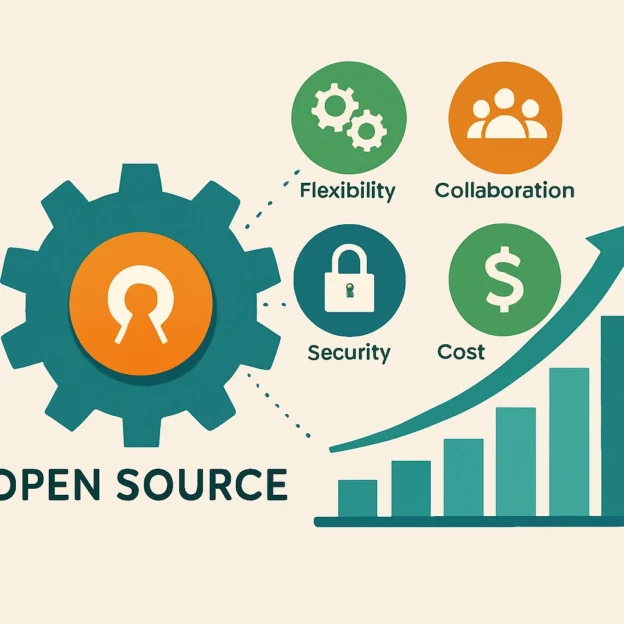
Why Open Source Software is Key to a Competitive Edge
In today’s fast-evolving tech landscape, businesses are always on the hunt for that secret ingredient that’ll give them an edge over the competition. From cloud computing to artificial intelligence, the tech world is buzzing with innovations. However, one powerful tool that’s been quietly reshaping the playing field is open source software. If you’re scratching your head wondering how it works, or why it’s becoming increasingly vital for businesses of all sizes, you’re in the right place. Let’s dive into what makes open source software so crucial for staying ahead of the game.
What is Open Source Software?
At its core, open source software (OSS) is software whose source code is made available to the public. This means anyone can see it, modify it, enhance it, or even distribute it, often without any licensing fees. Examples of popular open source software include Linux, Apache, and Mozilla Firefox. The beauty of OSS lies not just in its cost-effectiveness but also in the vibrant communities that often spring up around these projects, contributing to their evolution and robustness.
1. Cost Efficiency
First up is the financial aspect. Let’s face it, for startups and small businesses, budget constraints can be a major hurdle. With open source software, organizations can significantly cut down their operational costs. Many of the available tools and applications can replace expensive proprietary systems without sacrificing quality or functionality. Imagine utilizing a robust operating system like Linux or content management systems like WordPress for free! This allows companies to allocate their resources more strategically—spending on innovation rather than licensing fees.
2. Flexibility and Customization
Every business has unique needs, and one-size-fits-all solutions often miss the mark. This is where OSS shines. Open source software allows you to adapt the code to suit your specific requirements, giving you the flexibility to customize applications or tools to perfectly align with your business processes. Want to add a feature that doesn’t exist? No problem! You can either code it yourself or tap into the community of developers who might have already created what you need.
3. Fast Innovation Cycle
The tech world moves fast, and being able to adapt quickly can make all the difference. Open source projects thrive on community collaboration, where developers from various backgrounds contribute their ideas and code. This leads to a quicker turnaround for new features and bug fixes. While proprietary software may take months or even years to roll out updates or new functionalities, community-driven OSS projects often deliver enhancements at lightning speed. By leveraging these tools, businesses can stay agile and responsive to changing market demands, ultimately gaining a competitive edge.
4. Enhanced Security
One might think open source is less secure because the code is available for everyone to see. However, the reality can be quite the opposite. In fact, open source software benefits from the collective scrutiny of a global community of developers. When many eyes are on the code, vulnerabilities and bugs tend to be identified and fixed more quickly than in proprietary software, which may keep its code under wraps. This transparency not only enhances security but also instills trust among users who can vet the software themselves.
5. Community Support
The open source community is not just a group of developers; it’s a diverse network of users, contributors, and enthusiasts eager to help each other. This means that when you encounter an issue or have a question, odds are you’ll find countless resources, forums, and active communities ready to lend a hand. This high level of support can significantly reduce downtime, helping teams resolve issues quickly and get back to what they do best.
6. Avoiding Vendor Lock-in
In the world of software, being dependent on a single vendor can be risky. Proprietary software often comes with the danger of vendor lock-in, making it challenging to switch to alternatives as your business grows. With open source software, however, this lock-in is mitigated since you have the freedom to modify, enhance, or even replace tools as necessary. This adaptability makes it easier to pivot and evolve alongside market demands.
Open source software is more than just a free alternative to proprietary solutions—it’s an empowering tool that fosters innovation, collaboration, and growth. By utilizing OSS, businesses can remain agile, cost-effective, and equipped to face the ever-changing landscape of technology. As competition ramps up, making the switch to open source could be the strategic move that not only enhances your tech stack but also propels your business toward long-term success. So, if you haven’t already, consider embracing open source tools; they might just be the key to unlocking your company’s full potential.