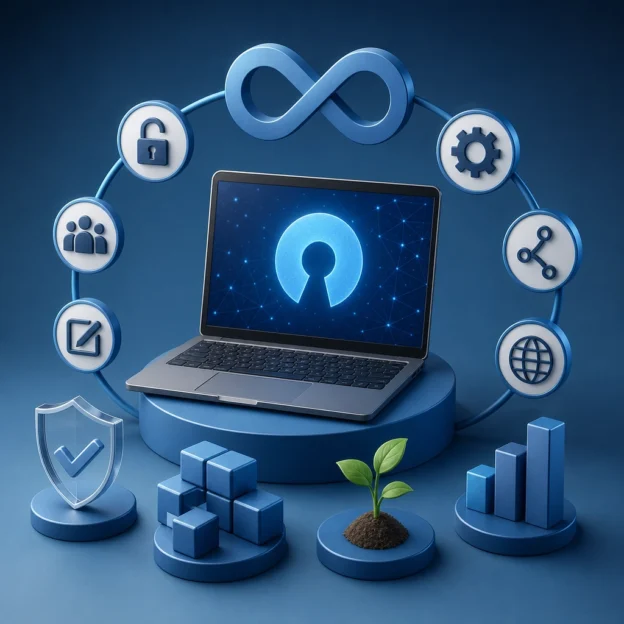
Understanding the Principles of Free Software and Its Benefits
In today’s tech-driven world, the term "free software" often pops up in conversations. But what does it really mean, and why should you care? Let’s dive into the principles of free software, its philosophy, and the benefits it brings to users and society at large.
What is Free Software?
At its core, free software refers not just to software that is free of charge (like a cup of coffee at a community event). It emphasizes the freedom of users to run, modify, and share the software. This concept is based on four fundamental freedoms, as defined by the Free Software Foundation:
-
The freedom to run the software as you wish, for any purpose – You can use the software for personal projects, commercial applications, or anything in between.
-
The freedom to study how the program works, and change it – If you’re a tech enthusiast or programmer, you can dive deep into the code, understand its mechanics, and customize it as per your needs. This access to the source code is essential for making the software work better for you.
-
The freedom to redistribute copies – Want to share that cool program with your friends? Go for it! You can distribute copies of the software to others, whether they’re your buddies or a larger community.
-
The freedom to improve the software and share those improvements – This is particularly encouraging for innovation. Users can enhance the software, fixing bugs or adding new features, and share those improvements back with the community.
The Philosophy Behind Free Software
The free software movement is rooted in the belief that software is crucial to our society and must be accessible to everyone. It challenges the notion that technology should be locked behind a paywall or controlled by a few corporations. Instead, it promotes collaboration and sharing, creating a cycle of improvement that benefits all users.
Think about it: when programmers can work together and share their findings, the software evolves more rapidly and effectively. This open approach leads to robust, secure, and innovative tools that are often more reliable than their proprietary counterparts.
Benefits of Free Software
Now that we’ve covered the principles, let’s talk about the tangible benefits of free software for individuals, developers, and communities.
-
Cost-Effectiveness: One of the most immediate benefits is that most free software is available at no charge. For small businesses, startups, or individuals who might be budget-constrained, this can lower barriers to entry and allow them to access powerful tools without the hefty price tags.
-
Enhanced Security: With free software, the community can scrutinize the code. This means that potential vulnerabilities can be identified and patched quickly by anyone. In contrast, proprietary software can hide security flaws for longer periods due to restricted access. More eyes on the code often lead to greater security.
-
User Empowerment: Free software is all about control. If you don’t like a certain function or wish to enhance your user experience, you can do something about it! You’re not locked into a vendor’s roadmap; instead, you can customize the software to fit your unique needs.
-
Learning Opportunities: For aspiring developers or tech enthusiasts, free software can serve as a valuable learning tool. By digging into the source code, users can pick up new programming skills, understand software design, and contribute to real-world projects.
-
Community and Collaboration: Engaging with free software often means joining a community of like-minded individuals who share knowledge and experiences. This can open up networking opportunities and friendships that can lead to collaborative projects in the future.
-
Avoiding Vendor Lock-In: Free software allows users to free themselves from the whims of commercial companies. You won’t find yourself stuck, unable to migrate to a new system or update because a company decided to discontinue support for a product. Your software remains yours to manage.
Embracing Free Software
While transitioning to free software might require some adjustments—especially if you’re used to certain proprietary systems—the long-term benefits often outweigh the initial hurdles. As you explore alternatives like LibreOffice, GIMP, or even Linux-based operating systems, you’ll discover a vibrant ecosystem where innovation thrives on collaboration.
Embracing free software is less about disregarding commercial products and more about recognizing the value of freedom and community in technology. It encourages us to think critically about the tools we use every day and to advocate for a more open, accessible, and secure digital landscape for everyone. So why not give it a try? You might just find the perfect software that suits your needs while empowering yourself and others along the way.