Exploring the Relationship Between Open Source and Agile Development

Exploring the Relationship Between Open Source and Agile Development

In the fast-paced world of software development, two buzzwords frequently pop up: open source and agile development. While they are distinct concepts, their relationship is fascinating and often symbiotic. As organizations strive for flexibility and innovation, blending these approaches has led to the evolution of how we create, collaborate, and deliver software. But what exactly connects these two methodologies, and how can they work together to improve development processes? Let’s dive in!

The Open Source Phenomenon

At its core, open source software is about collaboration and transparency. It relies on the principle that source code should be accessible to anyone who wishes to use, study, modify, or distribute it. Popular platforms like GitHub have revolutionized the way developers share and contribute to projects, breaking down barriers that historically separated software creators from users.

One of the most significant benefits of open source is the community it builds. Developers from diverse backgrounds come together to hunt for bugs, implement new features, and offer valuable feedback. This community-driven approach not only enriches the software but can accelerate development cycles beyond what a single organization might achieve on its own.

Agile Development Demystified

Agile software development, on the other hand, is all about flexibility and responsiveness. The Agile Manifesto, created in 2001, emphasizes collaboration, customer feedback, and iterative progress over traditional, linear approaches to software engineering. Agile methodologies—like Scrum and Kanban—encourage short cycles of development, allowing teams to release functionality faster and adapt to changing requirements.

In agile development, the key focus is on the working product and delivering value to customers rapidly. Frequent updates and constant communication amongst team members foster an environment where course corrections can easily take place, ensuring the end product aligns closely with what users genuinely need.

Bridging the Gap

So how do open source and agile development come together? The answer lies in their shared values and goals. Both methodologies prioritize collaboration, adaptability, and user-centric approaches. Here’s how they complement each other:

1. Enhanced Collaboration

Open source projects thrive on collaborative efforts, which aligns perfectly with the agile philosophy. Teams can consist of both internal staff and external contributors, enriching the creative process and providing a wider range of ideas and solutions. Agile practices encourage frequent communication through daily stand-ups, reviews, and retrospectives, further enhancing this collaborative spirit.

2. Rapid Feedback Loops

In an agile environment, feedback is crucial. Open source benefits from a community that provides insights and suggestions during the development process, leading to quick iterations. Projects can evolve based on user interactions and community input, allowing teams to adapt without lengthy formal processes typically found in traditional methods.

3. Embracing Change

Both open source and agile promote a culture of embracing change. In an open source setting, developers are accustomed to navigating varying codebases and adapting to the ever-evolving needs of the user community. This innate flexibility aligns seamlessly with agile’s principle of responding to change over following a plan.

4. Continuous Improvement

Post-launch, both agile and open source emphasize the importance of continuous improvement. Open source projects, driven by community contributions, can continually integrate enhancements and address bugs. Agile teams likewise focus on iterative development cycles, refining their processes based on project retrospectives and user feedback.

The Best of Both Worlds

When organizations adopt both open source and agile methodologies, they cultivate an environment ripe for innovation. They can harness the rich, collective intelligence of the community while benefiting from agile methodologies that allow them to pivot quickly and deliver value efficiently. This combination can lead to faster time-to-market, higher quality products, and even lower costs.

However, there are challenges in merging these methodologies. Not every team is equipped to manage the dynamics of an open source project alongside the structured framework of agile. Understanding how to blend teamwork, community involvement, and agile sprints requires careful consideration and a willingness to experiment.

It’s clear the relationship between open source and agile development offers a creative and powerful framework for today’s software landscape. As the tech world continues to evolve, those who harness both can stay not just relevant but ahead of the curve, turning challenges into opportunities for growth and innovation. In a world driven by technology, fostering collaboration and agility will remain at the forefront of what it means to build effective software solutions.
Promoting Software Freedom: What You Can Do to Make a Difference

Promoting Software Freedom: What You Can Do to Make a Difference

In an age where software underpins nearly every aspect of our daily lives—from the simple apps on our phones to the complex systems running businesses—understanding and promoting software freedom is more vital than ever. But what does "software freedom" actually mean? At its core, software freedom refers to the users’ ability to run, modify, and share software without restrictions. Yet, despite its importance, many people aren’t aware of how to contribute to this movement. If you’re wondering how you can help promote software freedom, you’re in the right place!

Educate Yourself and Others

The first step to making a difference is education. Familiarize yourself with the principles of software freedom—specifically the four essential freedoms defined by the Free Software Foundation (FSF): the freedom to run the program as you wish, the freedom to study and change the program, the freedom to redistribute copies, and the freedom to distribute your modified versions. Understanding these concepts helps you see the bigger picture about how software affects not just individual users, but also communities, businesses, and even governments.

Once you’ve wrapped your head around these principles, share what you’ve learned! This can be as simple as discussing the topic with friends and family or even writing about it in a local newsletter or social media. The more people understand software freedom, the stronger the community that can advocate for it.

Support Free Software Projects

One of the most practical ways to promote software freedom is to directly support free software projects. This could include volunteering your time to help with coding, testing, or documentation. Many projects are constantly on the lookout for contributors, regardless of your expertise. Even if you’re not a developer, you can offer insights as a user or help spread the word about the project.

Financial support is also vital. Many free software projects run on donations and sponsorships. By backing these initiatives, you’re enabling them to continue their work and reach a wider audience. Consider checking sites like Patreon or Open Collective, where you can find numerous projects in need of sustainable funding.

Choose Free Software

One of the easiest, yet most impactful, ways to promote software freedom is to personally use and advocate for free software alternatives to popular proprietary programs. Instead of defaulting to well-known commercial software, explore free and open-source options. For instance, you can replace Microsoft Office with LibreOffice, your web browser with Firefox, or photo editing software like Photoshop with GIMP. There’s a world of high-quality, free alternatives available—you just have to look!

When choosing free software, not only are you exercising your rights as a user, but you’re also sending a message: that freedom and transparency in software are important to you. Whenever you can, share your experiences with these alternatives. Highlight their advantages and help people escape the mindset that proprietary software is the only option.

Advocate for Policy Changes

Software freedom doesn’t just exist in a vacuum; it’s also closely tied to policies and regulations that can promote or hinder open-source practices. You can advocate for more open software policies at your local government level or within organizations. Share information and resources with policymakers to encourage them to consider free software solutions, especially in public sector projects. Getting involved in advocacy groups, whether locally or nationally, can amplify your voice and focus on this important issue.

Be Mindful of Privacy

In a world where data privacy is increasingly under threat, it’s paramount to understand the relationship between software freedom and privacy. Many proprietary software solutions collect user data, infringing on our personal liberties. Promoting software freedom means not only supporting the ability to share and modify code but also advocating for user privacy. Use free software that respects your data and educate others about the importance of securing their online presence.

Join the Community

Finally, remember that change comes when people come together. Join online forums, local meetups, or social networks that focus on free software and software freedom. Surrounding yourself with like-minded individuals can inspire you and provide support for your initiatives. Plus, it’s a fantastic way to swap ideas and learn even more about this engaging topic.

Promoting software freedom might seem daunting, but remember that every little bit counts. Whether you’re having conversations, educating others, supporting projects, or advocating for change, your involvement can make a meaningful difference. As we navigate through a digital world that grows more complex every day, advocating for our rights and freedoms within that space is essential. Small efforts can ripple outwards, and together, we can foster a more liberated software ecosystem that benefits us all.

Open Source Software: A Game Changer for Nonprofits

Open Source Software: A Game Changer for Nonprofits

The digital age has transformed the landscape of how organizations operate, and nonprofits are no exception. From fundraising campaigns to community outreach, technology plays a crucial role in their success. However, with tight budgets and limited resources, many nonprofits struggle to access the tools they need to thrive. Enter open source software: a vibrant alternative that is reshaping the way nonprofits function, empowering them with tools that are not only cost-effective but also customizable and community-supported.

The Benefits of Open Source Software

Cost Savings
The most immediate benefit of open source software for nonprofits is its cost-effectiveness. Unlike proprietary software, which can come with hefty licensing fees, open source solutions are generally free. This is particularly significant for nonprofits, which often operate on shoestring budgets and need to stretch every dollar. Imagine being able to invest more in your community rather than in software licenses; that’s the potential power of open source.

Customization
Every nonprofit has unique needs based on its mission and the communities it serves. Open source software allows organizations to alter and customize the software to better serve their specific requirements. Whether it’s tweaking the user interface, adding new features, or integrating with existing tools, the ability to customize software can empower nonprofits to operate more effectively. No longer do they need to compromise with cookie-cutter solutions—open source gives them the flexibility to evolve.

Community Support
One of the most compelling aspects of open source software is the community surrounding it. When you choose open source, you’re not simply downloading a program; you’re tapping into a global network of developers and users who are committed to improving and supporting the software. This means not only access to an abundance of resources and forums for troubleshooting but also a community that often shares similar goals and values. For nonprofits, this can lead to collaborations and partnerships that enhance their work.

Real-World Examples

Several nonprofits have already experienced this transformation through open source software. For instance, Mozilla, the organization behind the popular Firefox browser, leverages open source principles not only in its products but also in its mission to promote digital literacy and online privacy. Similarly, organizations like the Red Cross use open source data visualization tools to create interactive maps that help coordinate disaster responses.

Another noteworthy example is WordPress, which powers over 40% of websites globally and offers a free platform to nonprofits to build their online presence. Nonprofits like the World Wildlife Fund and Amnesty International use WordPress to engage with their audiences, share important updates, and run successful digital campaigns—all at no cost.

Overcoming Challenges

While the advantages are compelling, adopting open source software doesn’t come without challenges. For some nonprofits, the initial learning curve can be steep. This is where proper training and support become crucial. Many open source communities offer extensive documentation, tutorials, and forums where users can seek help as they navigate their new software. Organizations can also consider collaborating with tech-savvy volunteers who can lend their expertise during the onboarding process.

Another common concern is the perception that open source software may lack reliability or security compared to proprietary options. However, open source software often undergoes rigorous scrutiny by its user community, making it a reliable choice in many cases. Plus, having access to modify the software allows nonprofits to address specific security needs more robustly, with the added benefit of transparency.

Building a Sustainable Future

In a world increasingly driven by technology, nonprofits that harness the capabilities of open source software can position themselves for greater sustainability and impact. By reducing costs, enhancing customization, and tapping into a supportive community, they are not just surviving in a competitive landscape; they’re thriving.

As more nonprofits recognize the potential of open source, we can hope to see a ripple effect—one that fosters collaboration, innovation, and a shared commitment to social change. Ultimately, open source software isn’t just a tool; it’s an approach that encourages inclusivity and empowerment, allowing nonprofits to focus their energies on what truly matters: their mission. Every new line of code and every collaborative project offers a wealth of opportunities to create a more equitable world. It’s a game changer, indeed.

Building a Career in Open Source: Skills You Need to Succeed

Building a Career in Open Source: Skills You Need to Succeed

The allure of open-source software (OSS) is hard to resist. It’s not just a realm where anyone can contribute; it’s a thriving ecosystem of collaboration, innovation, and community-driven development. If you’re contemplating a career in this exciting field, you might be wondering about the skills and tools necessary to make a mark. Let’s dive into the essential skills you’ll need to succeed in open source, and how they can pave the way to a rewarding career.

Understanding the Basics of Coding

Before you even think about contributing to an open-source project, it’s vital to have a strong foundation in coding. Depending on the types of projects you’re interested in, you might need to know languages like Python, JavaScript, Ruby, or even C++.

What to Focus On:

  • Syntax and Structure: Get comfortable with the fundamentals of whichever language you choose.
  • Frameworks and Libraries: Learn about popular frameworks that complement your chosen language, making it easier to develop applications.
  • Version Control: Familiarize yourself with Git. It’s the backbone of open-source collaboration. Knowing how to clone, branch, merge, and commit will make you a valuable contributor.

Navigate the Open Source Landscape

Open source isn’t just about writing code; it encompasses a multitude of roles from project management to community moderation. You’ll want to spend some time exploring the landscape to find your niche. Take advantage of platforms like GitHub, GitLab, and SourceForge to discover interesting projects and communities.

Get Involved:

  • Join a Project: Look for beginner-friendly repositories labeled as “good first issue” or “help wanted.” Projects like Mozilla, Linux, or even smaller niche projects on GitHub could be a great start.
  • Engage with the Community: Open-source projects thrive on their communities. Participate in forums, attend meetups or webinars, and don’t hesitate to ask for guidance. Building relationships within the community can open doors and provide additional support.

Communication Skills Matter

You might be surprised to learn that in the open-source world, strong communication skills are just as crucial as technical proficiency. Projects often have global contributors, which means you’ll encounter various cultural backgrounds and preferred communication styles.

Tips for Effective Communication:

  • Documentation: Contributing to documentation can be a fantastic entry point. Good documentation helps others understand how to use the software, and it allows you to hone your writing and technical skills simultaneously.
  • Code Reviews: Be open to feedback. Participating in code reviews means you’ll need to articulate your thoughts clearly, both in terms of what you’ve done and how you can improve based on others’ suggestions.

Problem-Solving Abilities

The essence of open source is solving problems collaboratively. Whether you are tackling bug fixes or brainstorming new features, a keen problem-solving mindset will serve you well.

How to Enhance Problem-Solving:

  • Work on Real Issues: Spend time debugging or improving existing codebases. The more you practice dealing with problems, the more adept you’ll become.
  • Think Critically: Break down complex issues into manageable parts, and don’t hesitate to ask others for input and perspectives. Two (or more) heads are often better than one!

Embrace Lifelong Learning

The tech world, especially open source, is ever-evolving. Staying curious is paramount. New technologies, methodologies, and frameworks emerge regularly, and keeping your skills up to date will set you apart in the field.

Keep Learning:

  • Online Courses and Certifications: Websites like Coursera, edX, and freeCodeCamp offer courses that can help deepen your understanding and add credentials to your resume.
  • Attend Workshops and Conferences: Events are a great way to learn from industry leaders and network with fellow developers. They offer insights into where the community is heading and what new skills will be in demand.

The Power of Contribution

At its core, open source is about contributions. Whether it’s code, documentation, or community engagement, every bit counts. Making a name for yourself in this space demands not just skill but passion and commitment.

The beauty lies in collaboration—learning from others and sharing your insights. Your journey in open source will not only boost your career but will also connect you with like-minded individuals who share your enthusiasm for technology and innovation.

Whether you’re fixing a bug, enhancing documentation, or developing new features, each action contributes to a larger vision. So embrace the journey, keep learning, and enjoy the ride! The open-source community is not just about technology; it’s about building relationships that inspire a shared mission of progress and innovation.

An Introduction to Open Source Development Methodologies

An Introduction to Open Source Development Methodologies

In the ever-evolving world of software development, open source methodologies have gained tremendous traction over the past few years. If you’ve ever wondered about the magic behind software like Linux, Apache, or even Mozilla Firefox, you’ve stumbled upon the vibrant universe of open source. But what exactly are open source development methodologies, and how do they differ from traditional development processes? Let’s dive deep into this fascinating topic!

What is Open Source?

To kick things off, let’s clarify what we mean by "open source." At its core, open source software is software that makes its source code available to everyone. This means that anyone can view, modify, and distribute the code. Think of it like a giant community cookbook—anyone can contribute a recipe, tweak an existing one, or even take it in a completely new direction. This collaborative nature is one of the most exciting aspects of open source.

The Philosophy Behind Open Source

At its heart, open source embodies a philosophy of transparency, collaboration, and community. The developers involved tend to believe that when software is open, it’s more secure and innovative. If a bug exists, hundreds of eyes can spot it, fix it, or even rid the world of it entirely. Plus, with a diverse pool of contributions, creative ideas can flourish, resulting in richer, more robust software.

Key Methodologies in Open Source Development

While open source isn’t confined to a single methodology, several established approaches help guide many successful projects. Here are some of the most common ones:

1. Agile Development

While Agile isn’t exclusive to open source, its principles resonate well with the open source community. Agile emphasizes iterative development, allowing teams to adapt quickly to feedback and changes. Open source projects often adopt Agile practices for managing sprints and user stories, which helps teams stay flexible while engaging with their community.

2. Git for Version Control

Git, a distributed version control system, is the backbone of many open source projects. It allows developers to work on the same codebase simultaneously without stepping on each other’s toes. With Git, each change is tracked meticulously, making it easy to revert to previous versions if something goes awry. The collaborative features of Git, such as branching and merging, make it an essential tool in the open source toolbox.

3. Continuous Integration and Continuous Deployment (CI/CD)

Many open source projects leverage CI/CD practices to automate testing and deployment processes. When a contributor submits code, CI/CD tools automatically run tests to ensure that new changes don’t break existing functionality. This leads to faster but safer iterations, enabling development teams to release updates more frequently and efficiently.

4. Community Management and Contribution Guidelines

A strong community is vital to the success of any open source project. Establishing contribution guidelines makes it easy for newcomers to understand how they can get involved. Issues on platforms like GitHub can be labeled as “good first issues,” guiding inexperienced contributors toward tasks that are manageable. Developers are often encouraged to review each other’s code through pull requests, promoting a culture of collaboration.

Challenges in Open Source Development

Like any methodology, open source isn’t without its challenges. For example, the reliance on volunteer contributions can sometimes lead to inconsistent progress. Some projects may struggle with maintaining focus or direction as developers may have varying levels of commitment based on their personal schedules. Furthermore, issues around code quality and documentation can arise if it’s not kept up to date.

The Power of Collaboration

Despite these challenges, the open source methodology has proven to be a powerful engine for innovation. The sheer diversity of thought that comes from many contributors can lead to more robust solutions and new features that a traditional team might never consider. Being a part of an open source project often means being part of a vibrant community that spans the globe—teaming up with programmers who bring different perspectives, skills, and experiences.

As we navigate through the tech landscape of the future, the open source movement is likely to play an increasingly vital role in how software is developed. It represents a thriving ecosystem where collaboration thrives, innovation flourishes, and anyone with a passion for coding can make an impact, irrespective of their background. So, whether you’re a seasoned developer, a budding programmer, or just someone curious about the tech world, there’s no better time to dive into the open source community and contribute to shaping the future of software development.

How Open Source Licensing Influences Business Decisions

How Open Source Licensing Influences Business Decisions

The age of digital transformation has ushered in a plethora of options for businesses, especially when it comes to software development. With open source software (OSS) taking center stage, the landscape for companies—all types and sizes—has evolved significantly. But what many might overlook is the fundamental role that open source licensing plays in shaping business decisions.

Demystifying Open Source Licensing

At its core, open source licensing refers to a set of legal agreements that dictate how software can be used, modified, and distributed. Each license varies in terms of rights and responsibilities, creating a diverse ecosystem. Some licenses, like the widely-used MIT License, are permissive and allow nearly unrestricted freedom for developers and companies. Others, such as the GNU General Public License (GPL), impose stricter rules ensuring that if you modify the software, you also share your changes under the same license.

Understanding these nuances is crucial for companies as they strategize around technology adoption and software development. The choice of license can heavily influence everything from project funding and collaboration opportunities to revenue models and even customer trust.

Building a Business Model on Open Source

Incorporating open source software into business operations can cut development costs and speed up time to market. However, the type of open source licensing underpinning the software is vital to determine how a company can build a sustainable revenue model. For instance, with permissive licenses, a business can use open source components in proprietary software, potentially creating lucrative products without the obligation to share their own code.

On the flip side, licenses with copyleft clauses, such as GPL, can require businesses to open-source their own contributions back to the community if they plan to distribute their products. This creates a fascinating conundrum: while companies can leverage existing OSS, they must carefully navigate their licensing obligations to avoid legal pitfalls. These nuances often shape business models, leading companies to innovate in either creating value-added services or offering dual licensing scenarios.

Collaboration and Community Engagement

Another significant impact of open source licensing is its influence on collaboration. When a project is licensed under a permissive license, it often attracts a broader community of developers willing to contribute. This collaboration can foster innovation and accelerate development timelines—attributes every business owner dreams of.

Conversely, opting for more restrictive licenses can create barriers, potentially deterring other developers from contributing. Businesses weighing the pros and cons of community engagement might find that the licensing model they choose can enhance or hinder collaborative opportunities. Engaging with the open source community not only builds loyalty but also fosters a culture of shared knowledge, which can be invaluable for long-term success.

Risk Management and Compliance

When businesses integrate open source software into their products, risk management becomes crucial. Open source licensing can significantly impact how a company navigates compliance issues, intellectual property (IP) risks, and potential litigation. Companies must ensure they fully understand the licenses of the OSS components they utilize. Without diligent compliance, they risk hefty fines or, in severe cases, legal battles.

Investing in teams or tools that ensure compliance with open source licensing can prevent costly oversights. Understanding the licenses can also inform risk appetite—some companies might prefer stricter licenses to ensure quality control, while others may embrace the inherent risks that come with more permissive options to speed up their innovative edge.

Customer Trust and Brand Integrity

In today’s world, consumers are increasingly careful about the technologies they adopt, often looking for transparency and integrity. Open source licensing allows businesses to publicly demonstrate their commitment to open collaboration and ethical software development. As customers become more aware of these practices, the type of licensing a business adheres to can influence customer trust and brand loyalty. Using open source software under licenses that align with responsible practices boosts a company’s reputation, while also attracting a customer base that values shared innovation and collaboration.

When a company embraces open source, it sends a clear message about its values, culture, and commitment to quality, which can resonate with consumers.

In navigating the complex world of open source licensing, businesses have to be strategic. Choices made today can ripple through every aspect of the organization—from development practices to customer relations. As companies continue to weave open source into their fabric, understanding and embracing the implications of licensing can be the key to leveraging its full potential for growth and innovation. In the end, it’s not just the software that’s open; the possibilities are endless when businesses engage thoughtfully with the open source community.

The Importance of Community in Open Source Development

The Importance of Community in Open Source Development

In the world of technology, few movements have sparked as much innovation and collaboration as open source development. It invites individuals from all walks of life—programmers, designers, educators, and more—to contribute to projects without the constraints of licenses or restrictions. But what makes this environment truly thrive? Spoiler alert: it’s the community. Let’s dive into why community is the secret sauce that makes open source development so powerful.

The Heart of Open Source

At its core, open source is more than just a code repository; it’s a vibrant network of contributors bound by a shared dream of transparency and collaboration. Think of it like a potluck dinner—everyone brings a dish, and while some might specialize in baking cookies, others are experts at whipping up savory casseroles. Each contribution enhances the feast, creating a richer experience for everyone involved.

Without community participation, open source projects would likely stagnate or fade away. Contributors share ideas, resolve issues, and support each other, all of which leads to the continuous improvement of software that can benefit countless users around the globe. This communal spirit fosters an environment where shared goals take precedence over personal gain.

Collaboration Sparks Innovation

The beauty of open source is that it democratizes access to technology and empowers individuals from different backgrounds to collaborate. When developers from various countries, cultures, and disciplines unite, they combine their unique perspectives and experiences. This diversity can lead to groundbreaking solutions that might never emerge in a traditional business or corporate setting.

Collaboration isn’t limited to writing code, either. Artists contribute to user interface design, writers refine documentation, and testers provide critical feedback. This all-encompassing teamwork catalyzes innovation, allowing projects to explode with creative ideas and approaches that can ultimately transform the tech landscape.

Building Skills and Networking

Joining an open source community can act as a springboard for personal and professional growth. For newcomers, it’s an opportunity to learn from seasoned developers. Tackling real-world projects—even as a novice—provides invaluable practical experience that can lead to better job prospects and enhanced skills.

Moreover, the connections you forge in open source communities can lead to professional opportunities and lifeline networks. A friendly interaction on a GitHub issue might just be the start of a collaboration on a new product, a job referral, or even a lifelong friendship.

Empowerment Through Inclusivity

The heart of open source lies in its inclusivity. Communities welcome and empower underrepresented groups in tech, whether they’re women, minorities, or those from non-traditional educational backgrounds. Many open source initiatives actively work to create a welcoming space and provide mentorship, nurturing talent that might otherwise struggle to find its footing in the world of coding.

This level of inclusion not only adds depth to the projects being created but also helps break down barriers in an industry that has, for a long time, been marred by gatekeeping and elitism. By fostering inclusive environments, open source communities pave the way for ideas and contributions that reflect wider societal needs.

Resilience and Sustainability

A strong community can also ensure the longevity and sustainability of an open source project. When contributors feel a sense of belonging and ownership, they are more likely to stay engaged through challenges and obstacles. This sense of shared responsibility often leads to increased resilience—if one person steps back, the community continues to thrive because others step in to fill the gap.

Additionally, with a tight-knit community behind a project, there’s a wealth of expertise and fresh ideas that help evolve the software to meet changing user needs. It can adapt and grow far beyond what a single company could manage on its own.

Final Thoughts

In a rapidly evolving tech landscape, the importance of community in open source development cannot be overstated. It’s the heart that pumps vitality through the veins of collaborative programming. From fostering innovation and creating opportunities to promoting inclusivity and resilience, the community transforms mere lines of code into something wondrous.

So, whether you’re a seasoned dev or just dipping your toes into the open source world, embrace the community! Participate, contribute, and share, because, as anyone in the open source sphere will tell you, the magic happens when we come together.

Exploring the Security Benefits of Open Source Software

Exploring the Security Benefits of Open Source Software

In a world where data breaches and cyber threats seem to be the regular headline grabbers, the conversation around software security has never been more crucial. One of the major players in this field is open source software (OSS), a charming underdog that has quietly amassed a dedicated following among developers, businesses, and even casual tech users. But what makes OSS a rockstar when it comes to security? Let’s dive in!

Transparency: The Open Book Approach

At its core, open source software is exactly what it sounds like: the source code is accessible to anyone. This transparency can seem a bit daunting, but it’s actually one of OSS’s greatest assets. Imagine if you could peek behind the curtain of every piece of software you use—this visibility allows anyone to inspect, modify, and enhance the code.

Don’t think of it as a risk; rather, consider it a safety net. When thousands (if not millions) of eyes are on the code, potential vulnerabilities are far more likely to be spotted and addressed quickly. This collaborative effort is something proprietary software often lacks. With closed-source programs, users have to take a leap of faith, trusting that the vendor is doing all the necessary checks behind the scenes.

Community-Driven Updates

If there’s one thing the tech community excels at, it’s collaboration. Open source projects thrive on community involvement. Developers from around the world contribute to the code, and when security flaws are discovered, updates can be rolled out rapidly. It’s not unusual for a critical vulnerability to be patched on the same day it is reported!

This constant evolution helps to ensure that open source software remains robust and less susceptible to attackers. Plus, with a diverse pool of developers working on different aspects of the software, innovative solutions to security threats can emerge from unexpected places.

Customization to the Rescue

Another advantageous aspect of OSS is its ability to be customized and tailored to meet specific user needs. Organizations can modify the software to enhance its security features according to their unique requirements. This means that if a particular vulnerability is a concern for a company, they can address it directly without waiting for an external vendor to respond.

Control over updates and security patches can also streamline the process. Instead of being at the mercy of a vendor’s patch schedule, users can implement changes more quickly—an invaluable trait in the fast-paced world of cybersecurity.

A Culture of Sharing Vulnerabilities

When a security flaw is discovered, one of the perks of open source is the community’s open culture. Vulnerabilities are often shared and documented so that others can learn and implement better practices. This creates a repository of knowledge, allowing newer developers to learn from the mistakes of others and understand the nuances of secure coding practices.

In contrast, with proprietary software, vulnerabilities can sometimes be hush-hush to protect the company’s reputation. This creates a disjointed environment where users might not have access to the information they need to safeguard their systems effectively. In the world of cybersecurity, sharing is truly caring!

Cost-Effectiveness for Businesses

Now, let’s talk money. While open source software itself is usually free, the real savings come from the reduced likelihood of costly security breaches. Investing in OSS can lead to lower overall costs related to IT security. Fewer security issues mean less downtime, fewer penalties, and a stronger reputation for your business.

Organizations can reallocate funds that would have gone toward expensive licenses or vendor support into other critical areas, such as employee training on security best practices or more advanced security tools. This kind of savvy budgeting can make a significant impact in the long run.

The Challenges to Consider

With all its strengths, open source software isn’t without its challenges. The expertise to customize and maintain open-source setups is necessary, and not all organizations have the technical know-how. Additionally, while vulnerabilities can be addressed quickly, they can also be introduced quickly. It’s essential to ensure that developers are following best practices and conducting regular security audits.

Nonetheless, many organizations find that the benefits of using open source software far outweigh the potential pitfalls, especially in terms of security.

Wrapping it Up

As businesses and individuals increasingly lean towards open source software, the potential for enhanced security becomes apparent. With its transparency, community-driven nature, and the ability to customize, OSS offers unique advantages that proprietary systems often lack. Ultimately, the future of security in software—especially in a world awash with cyber threats—looks increasingly promising for those willing to embrace the open source philosophy. So, the next time you’re considering which software to use, take a moment to explore the open-source routes. You might just discover a world of secure possibilities waiting for you!

The Advantages of Open Source Over Proprietary Software

The Advantages of Open Source Over Proprietary Software

In the ever-evolving world of technology, the debate between open source and proprietary software continues to grab headlines and inspire passionate discussions. Both types of software have their merits, but if you’re here, you’re probably keen on exploring why many tech enthusiasts lean towards open source. Let’s dive into the world of open source software and uncover some compelling advantages that make it a standout choice.

Freedom and Flexibility

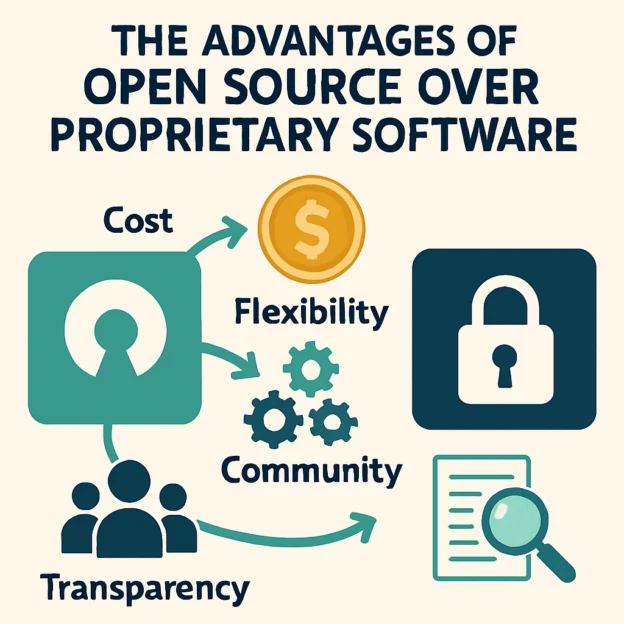
One of the most significant advantages of open source software is freedom. With open source, users have the liberty to explore, edit, and customize the software to suit their needs. Have you ever wished you could modify a software program to add a particular feature? With open source, you can! This flexibility encourages innovation and creativity, and for developers, it can be an exciting playground to experiment and bring unique ideas to life.

On the other hand, proprietary software usually locks you into a specific use case with limited customization options. It dictates how you can use the software, often leaving you feeling like a passenger rather than a driver of your digital experience.

Cost-Effectiveness

Let’s talk about the money—which, let’s face it, is a vital aspect of any software decision. Open source software is generally available for free. This doesn’t just mean no purchase price; it also typically comes without the burden of hefty licensing fees and subscriptions that are all too common with proprietary software.

For businesses, this cost-effectiveness can translate into substantial savings, especially when scaling up operations. Rather than having to purchase software for each individual user, companies can often deploy open source solutions easily and affordably.

Community Support

In the realm of open source, you’re not just a user; you’re part of a vibrant community. When issues arise, you’ve got a whole group of passionate individuals ready to lend a hand! Many open source projects have dedicated forums, documentation, and community channels where users can ask questions and share knowledge.

This collaborative spirit can lead to quick fixes and improvement solutions, as community members constantly update and refine the software. Although proprietary software often provides support, it may not always be as responsive or comprehensive, leading to frustrating delays in problem resolution.

Transparency and Security

One of the biggest draws of open source software is its transparency. Since the source code is open for anyone to inspect, there’s less room for hidden dangers or malicious backdoors. Security can actually benefit from this transparency; a large number of eyes examining the code means vulnerabilities can be spotted and patched quickly.

In contrast, proprietary software is typically regarded as a black box. Users must trust the company behind the software to operate ethically and provide robust security—an uncertainty that can be troubling, especially in an age where data breaches are increasingly common.

Educational Opportunities

For students, developers, and tech enthusiasts, open source software provides a golden opportunity to learn. By diving into the codebase of open source projects, individuals can enhance their programming skills and gain practical experience in real-world software development. This hands-on learning approach is priceless and often more impactful than traditional classroom education.

Additionally, contributing to open source projects can bolster your resume, providing tangible proof of your skills and commitment to the tech community. It’s like having a living portfolio that showcases your work in a highly collaborative environment.

Longevity and Sustainability

Finally, when discussing open source, it’s essential to mention sustainability. Open source projects often continue to live on even if the original developers move on. Since the software is maintained by the community, it’s less likely to become obsolete overnight, as can happen with proprietary software when company priorities shift or when a product is discontinued.

Many widely used open source projects, such as the Linux operating system and the Apache web server, have stood the test of time and show no signs of fading away.


With all these benefits, it’s no wonder that open source software continues to gain traction among individuals and organizations alike. While proprietary software has its place, the freedom, flexibility, and community-driven support of open source create a dynamic landscape ripe for innovation and collaboration. Whether you’re a casual user, a student, or a seasoned developer, exploring the open source world might just unlock a door to new opportunities, creativity, and a deeper understanding of technology. So, why not give it a try? You might just find that the software community is not only vast but also welcoming and full of possibilities.

Tips for Selecting the Right Open Source Software for Your Business

Tips for Selecting the Right Open Source Software for Your Business

In the ever-evolving landscape of technology, businesses are increasingly turning to open source software (OSS) as a flexible, cost-effective solution. Open source software is not just for tech startups or large enterprises—it’s a viable option for businesses of all sizes. However, navigating the vast ocean of open source options can be daunting. With thousands of tools available, how do you ensure you’re selecting the right one for your business needs? Here are some practical tips to help you make an informed decision.

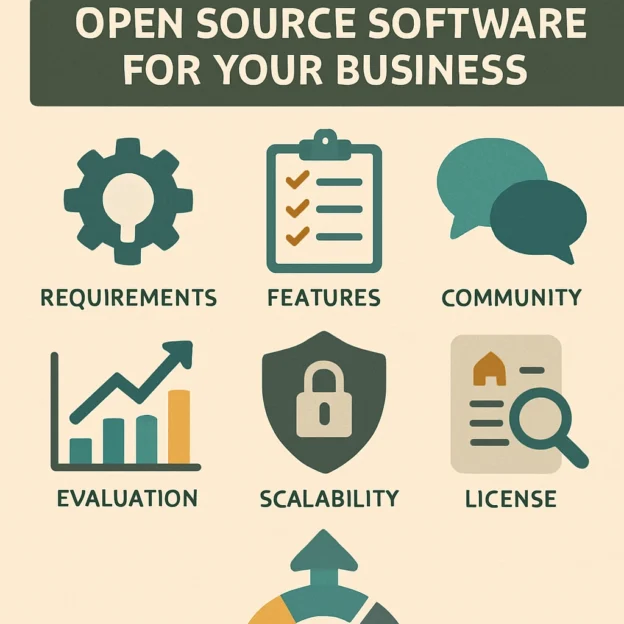
1. Define Your Requirements

Before diving into the world of open source, take a step back and clearly define what you need. What specific problems are you looking to solve? Consider the functionality, scalability, and compatibility with your existing systems. Involve your team in this process—different departments may have different needs. A well-rounded list of requirements will enable you to narrow down your options more effectively.

2. Evaluate the Community Support

One of the key benefits of open source software is its community. A strong, active community can make a huge difference in troubleshooting issues and providing enhancements. Look for projects that have a vibrant community of contributors, regular updates, and active forums. Check out their GitHub repository and examine the level of engagement. Are issues addressed promptly? Is there a plethora of documentation available? A lively community can be invaluable when you need help down the road.

3. Assess Security Implications

Security is often a concern when considering open source software. While open source does allow anyone to inspect the code, this transparency can be both an advantage and a liability. Conduct a thorough security assessment: check for known vulnerabilities, understand how often updates are released, and see if there’s a clear process for reporting and addressing security issues. Additionally, ask if the software is utilized in similar businesses or sectors, as this can give you a good sense of its reliability.

4. Check Licensing

Open source software comes with various licenses (like MIT, GPL, and Apache), each with its own rules regarding usage, distribution, and modifications. Make sure to review the licensing agreements carefully. Some licenses may impose restrictions on how you can use the software, while others may be more permissive. Understanding these restrictions is crucial for compliance and can save you from potential legal headaches down the line.

5. Look at Long-Term Viability

When you find a piece of open source software that looks promising, it’s crucial to assess its longevity. Check the history of the project and its creators. Has it been around for a while? Is it regularly updated? If the developers shift their focus or the project goes inactive, you may find yourself in a lurch. Choose software with a sustainable path forward, whether that’s through corporate support, community engagement, or a steady stream of contributions.

6. Consider Integration Capabilities

Your new software needs to play nicely with the tools and systems you already use. Look for software that can easily integrate with existing applications in your tech stack. A product with robust APIs can serve as a bridge between different systems, making data sharing more manageable and minimizing disruption in your workflows.

7. Evaluate User Experience

Keep in mind that your team will be using this software daily, so user experience matters significantly. Find demos or trials to see how intuitive the interface is. User-friendly design increases productivity and adoption rates among your team members. Gather opinions from those who will be using the software regularly to determine if it meets their needs and preferences.

8. Budget for Hidden Costs

While open source software is typically free upfront, that doesn’t mean there aren’t costs involved. Consider potential expenses like training, support, and infrastructure changes needed to implement the software effectively. If you’re unsure, try to get a ballpark estimate from others who’ve implemented similar tools.

9. Start Small and Test

Finally, once you’ve done your research and narrowed down your options, start small. Implement the chosen software in a test environment or a specific department to evaluate its effectiveness. Monitor how well it meets your requirements and gauge feedback from users. This trial will give you vital insights before making a commitment across the organization.

Selecting the right open source software can significantly enhance productivity and efficiency within your business. By taking the time to understand your needs, evaluating community support, and keeping an eye on long-term viability, you can make an informed choice that suits your objectives. Remember, choosing software is not just about the features—it’s also about finding something that fits your team’s culture and workflow, ensuring everyone is on board with the changes ahead. In the world of open source, the perfect tool is out there waiting for you to discover it!