The Future of Software Development: Embracing Open Source

The Future of Software Development: Embracing Open Source

In the rapidly evolving world of technology, software development stands out as one area that continually reinvents itself. As we look forward to the future, one trend that is gaining significant momentum is the shift towards open source software. But what does this mean for developers, businesses, and users? Let’s dive into this exciting topic and explore how embracing open source can reshape the software development landscape.

What is Open Source?

Before we dive deep, let’s clarify what open source actually entails. In essence, open source refers to software whose source code is made available to the public, meaning anyone can view, modify, and distribute it. This contrasts with proprietary software, where the source code is kept closed and closely guarded by its creators. Famous examples of open source software include the Linux operating system, the Apache web server, and more recently, the versatile programming language Python.

Why Open Source?

The shift towards open-source models holds a plethora of benefits for software developers. Here are a few highlights:

  1. Collaboration and Innovation: Open source fosters a community-driven approach to development. Developers from around the globe can collaborate, bringing diverse perspectives and expertise to the table. This often leads to rapid innovation as users can suggest improvements or contribute their own features. For example, many open-source projects leverage contributions from developers in different countries, who may have new insights based on their unique challenges and needs.

  2. Cost-Effectiveness: For startups and small businesses striving to innovate without breaking the bank, open source software provides an affordable alternative. The absence of licensing fees means companies can redirect funds towards other important areas, such as marketing or staff training.

  3. Flexibility and Customization: Unlike proprietary software, where users are often stuck with a rigid framework, open source allows developers to tweak and modify the code as they see fit. This means that companies can tailor software solutions to fit their specific needs, enhancing functionality and service delivery.

  4. Building Trust: In an age where data privacy and security are paramount, open source projects often build a sense of trust. With visibility into the code, organizations can scrutinize software for vulnerabilities or unwanted backdoors rather than relying solely on the claims of a vendor. Popular open source projects often engage in thorough peer review processes, enhancing their credibility.

The Role of Communities

An essential aspect of open source is the community that forms around a project. These communities are often passionate and dedicated, providing not only support through forums and documentation but also contributing code and features. This sense of belonging and shared purpose can be incredibly motivating for developers.

Moreover, strong community support often leads to quicker troubleshooting. When an issue arises, it’s more likely that someone else has encountered the same problem and shared a solution. Imagine being part of a giant team that is always ready to help you solve coding conundrums!

Challenges Ahead

However, endorsing an open source model isn’t without its challenges. One major hurdle is the question of sustainability: how do you keep a project alive without a steady revenue stream? Many successful open source projects have tackled this by adopting various business models like offering paid support or consulting services.

Additionally, while the open-source community promotes collaboration, it can sometimes lead to chaos. Without a centralized authority, projects may struggle to maintain consistency in coding standards or documentation, which could hinder adoption rates. Striking the right balance between open collaboration and structured management will be key.

Looking to the Future

As we peer into the horizon of software development, it’s clear that embracing open source is not just a passing trend—it’s the backbone of a collaborative and more inclusive tech ecosystem. Companies that recognize and leverage the extraordinary potential of open source will not only foster innovation but also build a workforce that is adaptable and capable of tackling complex challenges.

By emphasizing shared ownership, fostering innovation, and building robust communities, the open-source approach is paving the way for a brighter, more collaborative future. So whether you are a seasoned developer, a budding entrepreneur, or simply a tech enthusiast, getting involved with open-source projects could be your ticket to shaping the next era of software development.

Let’s embrace open source and watch as it continues to empower individuals and redefine the world of technology. The future is just a code away—are you ready to dive in?

How Open Source Can save Your Business Money

How Open Source Can Save Your Business Money

In the ever-evolving landscape of technology, businesses are constantly seeking ways to cut costs while still maximizing efficiency and innovation. One solution that is often overlooked but holds immense potential is open source software. Many people might think of open source as something that’s just free or reserved for techies, but it goes far beyond that. Let’s dive into how embracing open source can actually save your business a significant chunk of change and drive your success.

What is Open Source, Anyway?

Before we jump into savings, let’s clarify what open source software really means. Simply put, open source software is software whose source code is made available to the public. This means anyone can use, modify, and distribute it. Popular examples include Linux, Apache, and even more familiar names like Mozilla Firefox and WordPress.

The Cost Savings

Eliminate Licensing Fees

First things first: one of the biggest draws of open source software is the cost. Traditional software often comes with hefty licensing fees. If you’ve ever felt a sting when renewing a software license, you know exactly what I mean. Open source solutions, on the other hand, are free to use. This can lead to substantial savings, especially for small to medium-sized businesses that might not have the biggest budgets.

Customization at No Extra Cost

Another way open source can save your business money is through customization. With proprietary software, you’re often at the mercy of the vendor’s roadmap and updates. If you need a specific feature, you either wait for the software provider to roll it out (which may take ages) or pay for it through customization options. In the open source world, you can take the source code and tweak it according to your needs. This flexibility means you’re not just stuck with what you’re given; you can tailor your tools precisely to how your business operates.

Community Support Over Expensive Help Desks

One aspect of open source software that gets people excited is its community. Use popular open source tools, and you’ll find a vast ecosystem of users who share tips, tricks, and solutions. This community can be a goldmine of support. Instead of paying for a pricey help desk or support team, your team can tap into forums, documentation, and community plugins — often at no cost. Yes, sometimes this means a little self-learning, but it can also foster a culture of collaboration and innovation within your organization.

Lower Hardware Costs

Open source software often runs efficiently on a wide range of hardware configurations. This means you can switch to less expensive or older hardware and still run your applications effectively. While proprietary software may require cutting-edge machines, the beauty of open source is its versatility, which can keep your tech stack lean and budget-friendly.

Flexibility and Scalability

As your business grows, your software needs will likely change. The flexibility provided by open source systems means you can scale your software solutions without worrying about licensing fees or forced upgrades. Using modular open source technologies lets you scale services and applications as needed — an essential quality for any growing business.

Security Without the Cost

While many worry about security in the open source ecosystem, the opposite is often true. With open source, thousands of developers scrutinize the code, with vulnerabilities being identified and patched quickly. This transparency can actually lead to a more secure environment. And the cost analysis? Well, avoiding the hefty price tag of common cybersecurity solutions could result in significant savings for your business.

Conclusion

The notion that open source is just a way to save a few bucks has transformed into something much more extensive. Business decision-makers are increasingly recognizing that open source can empower them not just to cut costs but to innovate and foster a strong tech culture within their teams. It provides the tools for creative problem-solving and the freedom to build a customized solution that fits unique business needs. So if you haven’t yet explored the open source path, perhaps it’s time to consider how it could be a game-changer for your company’s bottom line and overall growth. Openness isn’t just about software; it’s about cultivating a mindset that values collaboration, creativity, and cost-effectiveness. Who doesn’t want that?

Top Open Source Tools for Small Businesses

Top Open Source Tools for Small Businesses

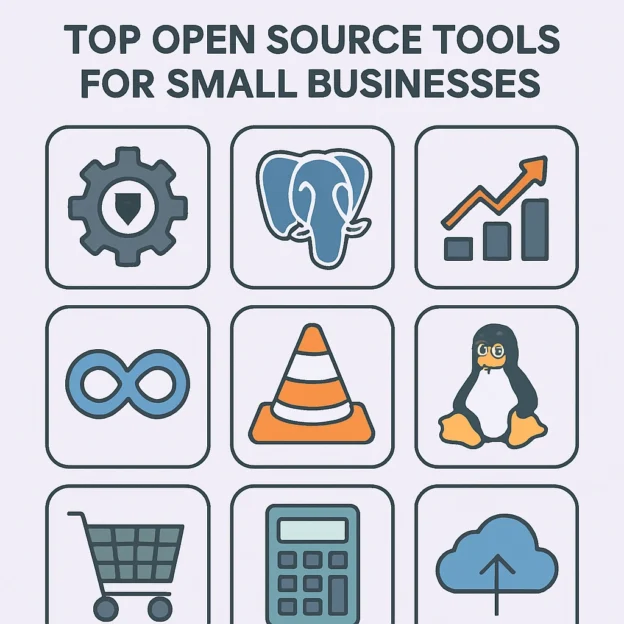
Running a small business is no small feat. You’re often wearing multiple hats, from finance to marketing, and everything in between. One of the biggest challenges faced by small business owners is managing costs while still finding effective tools to streamline operations. Thankfully, open source software has come to the rescue, offering robust solutions that won’t break the bank. Here are some of the best open source tools that can help your small business thrive!

1. Odoo

Odoo is a full-suite open source ERP (Enterprise Resource Planning) system that caters to various business needs. With modules for everything from accounting and inventory management to sales and customer relationship management (CRM), it’s a comprehensive solution for small to medium-sized businesses. The best part? Odoo has a community edition that’s free to use, making it an accessible choice for anyone looking to get organized without spending a fortune.

2. WordPress

If you’re looking to establish an online presence (and who isn’t these days?), WordPress is your go-to option. This popular content management system (CMS) is not only user-friendly but also highly customizable thanks to thousands of themes and plugins. Whether you want a simple blog, an online store, or a portfolio website, WordPress can help you achieve your vision. It’s a fantastic tool for boosting your visibility online.

3. GIMP

Graphic design on a budget? GIMP (GNU Image Manipulation Program) is an excellent alternative to pricey software like Adobe Photoshop. This open source image editor is packed with features that allow small business owners to create stunning visuals for marketing materials, social media posts, and more. While it may take a little time to get accustomed to the interface, GIMP offers tutorials and community support to help you get started.

4. Nextcloud

Data privacy is paramount for any business, especially small ones that handle sensitive information. Nextcloud is an open source file hosting platform that empowers you to keep your data secure. You can use it to store files, share documents, and collaborate with your team in a safe environment without worrying about third-party access. Plus, it’s easy to self-host, so you have full control over your file management system.

5. LibreOffice

For document creation and collaboration, LibreOffice is a fantastic option. This powerful suite includes applications for word processing, spreadsheets, presentations, and more. It’s compatible with Microsoft Office formats, so you can easily open, edit, and save files without any conversion hassles. With LibreOffice, you can run your small business office efficiently without worrying about licensing costs.

6. Slack

While Slack offers a paid version, the free tier is more than sufficient for many small businesses. It’s an open-source messaging platform that enables seamless communication and collaboration among team members, whether they’re in the office or working remotely. With channels for different projects and direct messaging capabilities, you can keep your team engaged and organized. Plus, it integrates with countless apps to supercharge your workflow!

7. Jitsi

Video conferencing has become a staple in the business world, and Jitsi is an open source tool that allows you to host secure meetings. With no special software to install, you can quickly set up a video call with just a link. It’s a great tool for small businesses looking to connect with remote team members or engage with clients in a face-to-face format without incurring hefty fees.

8. VS Code

For those in the tech field, Visual Studio Code (VS Code) is a must-have editor. It’s lightweight, has an intuitive interface, and supports a ton of programming languages. Whether you’re managing your website, building an app, or developing software, VS Code offers powerful tools and extensions that help you write code efficiently without the bulky downloads.

9. Mailtrain

Email marketing is still one of the most effective tools for connecting with customers. Mailtrain is an open source application that allows you to manage your email lists and campaigns. With features like segmentation and tracking, you can tailor your messaging to specific audiences and analyze your performance—all from a self-hosted platform.

10. Trello

While it’s not fully open source, Trello offers a fantastic free tier that can be invaluable for project management. It uses a card and board system to help you organize tasks, assign responsibilities, and keep track of progress. The visual layout makes it easy for any team, no matter the size, to see what’s in the pipeline and what needs attention.

Running a small business doesn’t have to be a monumental challenge thanks to the myriad open source tools available today. Each of these options not only provides functionality but also helps to foster creativity, collaboration, and productivity. By leveraging these resources, you can keep your costs low while still giving your business the technological edge it needs to succeed. So, why not explore these options and see how they can play a role in your business growth journey? Happy exploring!

Harnessing Open Source Software for Agile Business Practices

Harnessing Open Source Software for Agile Business Practices

In today’s fast-paced business landscape, agility is key. Organizations that can adapt quickly to change, whether it’s a new market trend or shifts in consumer behavior, are the ones that thrive. One tool that many companies are turning to in their quest for agility is open source software. But what exactly is open source, and how can it benefit modern business practices? Let’s dive into why businesses should consider leveraging this burgeoning field.

What is Open Source Software?

At its core, open source software is simply software whose source code is made available to the public. This means anyone can view, modify, and distribute the code. Think of it like a community garden—every gardener (or developer) can contribute their unique expertise to grow a vibrant and flourishing project. Examples include well-known platforms like Linux, Apache, and WordPress. Each comes with a strong community backing and continuous innovation.

Agile Methodology and Its Principles

Agile methodology is all about flexibility, collaboration, and customer feedback. It encourages breaking projects down into smaller increments with frequent reassessments and adaptations. Key principles include delivering working software regularly, welcoming changing requirements, and maintaining a close relationship with stakeholders.

Now, combining agile with open source isn’t just beneficial; it’s practically a match made in tech heaven.

The Benefits of Open Source in Agile Business Practices

  1. Rapid Iteration and Flexibility
    One of the most significant advantages of open source software is its ability to adapt. With a vast community of developers continually improving software, businesses can easily customize their tools to fit changing needs. Instead of waiting for a proprietary vendor to develop that much-needed feature, teams can implement changes on the fly, promoting faster iterations and quicker responses to market demands.

  2. Cost-Effectiveness
    Proprietary software licenses can be expensive, especially for small and medium-sized businesses. Open source provides a budget-friendly alternative. While there may be costs involved in implementation and development, adopting open source solutions can reduce software licensing and maintenance expenses, allowing businesses to allocate resources elsewhere.

  3. Community Support and Collaboration
    The beauty of open source is found in its community. When using open source software, you have access to forums, discussions, and a plethora of documentation. This shared knowledge base encourages collaboration, which is a fundamental principle in agile practices. Teams can share insights, troubleshoot issues together, and even contribute back to the community, thereby fostering a culture of cooperation and innovation.

  4. Transparency and Security
    With open source, anyone can review the code, which can actually make it more secure than proprietary solutions. Bugs and vulnerabilities can be identified and fixed quickly by the community. This transparency builds trust and allows businesses to ensure their software meets security standards, all while remaining compliant with various regulations.

  5. Integration with Existing Systems
    Agile methodologies often require tools that easily integrate with existing software. Open source software frequently provides better interoperability with a broader range of platforms. Businesses can often connect different solutions seamlessly, creating customized ecosystems tailored to their operations without the cumbersome restrictions that proprietary software might impose.

Real-World Examples of Open Source in Agile Practices

Many organizations are already riding the open source wave. For instance, companies like Red Hat have capitalized on providing support and services around open source software, proving that there’s significant business value in community-driven solutions. Others, like NASA, openly use and share their open source projects to foster innovation and collaboration, showcasing the practicality of open source in agile environments.

In the realm of software development, tools like Git—an open source version control system—have become the backbone for agile teams, allowing for parallel workflows and rapid iteration cycles. It facilitates code sharing and versioning, crucial to maintaining an agile workflow.

Embracing a New Mindset

In a world where change is the only constant, the ability to pivot quickly can set a business apart. Open source software not only provides a practical solution to agility challenges but also fosters a culture of innovation, collaboration, and community spirit. By embracing this approach, businesses can transform the way they operate and adapt to the ever-evolving marketplace.

As organizations contemplate their strategies moving forward, it’s essential to keep an open mind about the tools at their disposal. Open source isn’t merely an alternative; it’s an opportunity to harness collective talent, reduce costs, and enhance flexibility in the face of uncertainty. Through this, companies can not only survive but thrive in a dynamic environment, ensuring they’re always a step ahead.

The Role of Open Source in Modern Software Development

The Role of Open Source in Modern Software Development

In today’s tech landscape, the phrase "open source" pops up all over the place—much like that catchy song you can’t seem to get out of your head. But what does it really mean, and why is it such a hot topic in the world of software development? Whether you’re a developer, a tech enthusiast, or just someone curious about how the digital tools we use are made, understanding the role of open source in modern software can open your eyes to a whole new world.

What is Open Source?

At its core, open-source software is defined by one simple principle: its source code is made available to anyone for modification, enhancement, or redistribution. This democratizes the software creation process, allowing anyone with some coding skills to dive into a project, suggest improvements, or even create their own variations. It’s like a communal recipe book where everyone is welcome to add their favorite tweaks.

Think about it: some of the most popular tools we use today, like the Linux operating system and the Apache web server, were born from the open-source model. Each has thrived thanks to countless contributors who believed in collaboration and shared goals.

Collaboration and Community

One of the standout features of open-source software is its community-driven approach. Unlike traditional software development, which often involves closed teams, open-source projects thrive on collaboration. Developers from around the world can contribute their unique perspectives and skills, effectively creating a melting pot of ideas and innovation.

This collective mindset often leads to faster problem-solving and the ability to adapt more quickly to changing user needs. Teamwork makes the dream work, they say! Whether it’s fixing bugs, adding features, or updating documentation, many hands make light work.

This community spirit also results in a sense of ownership among contributors. Developers are not just coding in isolation; they are part of a larger movement pushing boundaries and refining tools that everyone can use and benefit from. It’s like being part of a global maker community, where what you build can help shape the future!

Cost Efficiency

For businesses, embracing open-source software can also lead to significant cost savings. Instead of shelling out hefty licensing fees for commercial software, companies can tap into a wealth of free, high-quality alternatives. Think about it: for startups and small businesses with tight budgets, open source is like finding a treasure chest full of valuable tools.

Imagine a new startup looking to create a compelling web application. With open-source frameworks like Django or React at their disposal, they can build their project without needing to spend a small fortune on software licenses. This enables a leaner operation, allowing them to focus on growth and innovation instead of worrying about financial constraints.

Innovation and Continuous Improvement

Open-source has a remarkable way of driving innovation. When multiple minds contribute to a project, it leads to continuous improvement and agility. Features can be added, bugs can be fixed, and code can be optimized much faster than in a traditional environment. This rapid pace of development keeps software dynamic and relevant in a world that never stops changing.

Consider how quickly popular libraries like TensorFlow have evolved, largely thanks to a thriving community of AI enthusiasts and developers who push the boundaries of what’s possible. They share knowledge, collaborate on research, and iterate at lightning speed. As a result, innovations that once took years to develop can be rolled out in months—if not weeks!

Security and Transparency

It might sound ironic, but open-source can actually enhance software security. While some people worry that making the code public exposes vulnerabilities, the opposite is often true. More eyes on the code mean more potential for finding and fixing security holes before they can be exploited.

Open-source communities are notorious for vigilance. When issues arise, they often have a cadre of developers ready and willing to respond—from bug fixes to patches—in near real-time. This kind of transparency not only builds trust with users but also elevates the overall quality of the software.

Looking Forward

As we look towards the future of software development, the role of open source will only become more crucial. With the rise of AI, IoT, and other cutting-edge technologies, a collaborative, transparent approach will be vital for fostering innovation and ensuring that these tools are accessible to all.

In a world that can sometimes feel divided, open source reminds us of the power of community and shared knowledge. It invites us to step in, collaborate, and contribute to something larger than ourselves. So next time you use your favorite app or tool, take a moment to appreciate the open-source community that may have played a part in bringing it to life. After all, we’re all in this tech journey together, aren’t we?

Understanding Software Freedom and Its Impact on Technology

Understanding Software Freedom and Its Impact on Technology

In today’s rapidly evolving tech landscape, conversations about software freedom might seem niche or even abstract. However, the principles of software freedom are not just theoretical ideals; they influence the very foundation of how we interact with technology every day. So, let’s dive into what software freedom means, why it matters, and how it shapes the technology we use.

What is Software Freedom?

At its core, software freedom refers to the idea that users should have the liberty to run, modify, and share software as they see fit. This concept is often associated with the Free Software Movement, spearheaded by activists like Richard Stallman in the 1980s. The movement champions the belief that software isn’t just a product — it’s a tool for empowerment.

There are four fundamental freedoms that define software freedom:

  1. The freedom to run the software for any purpose.
  2. The freedom to study and change the software. (Access to the source code is a must!)
  3. The freedom to redistribute copies.
  4. The freedom to distribute modified versions.

These freedoms ensure that software users are not restricted by proprietary licenses that can curtail their rights. By fostering a culture of sharing and collaboration, software freedom encourages innovation and growth.

Why Software Freedom Matters

Understanding why software freedom is essential goes beyond technical jargon or ideological debates. It carries practical implications for individuals, businesses, and society as a whole.

Empowerment and Control

The main allure of software freedom is empowerment. When users have access to the source code, they can understand how their tools work and adapt those tools to suit their personal or professional needs. Think about it: if you could tweak your favorite app or program to make it more effective for your workflow, wouldn’t you want that ability? This control means users are no longer passive participants; they can take an active role in shaping their digital experiences.

Enhanced Security and Privacy

In a world where data breaches and cybersecurity threats dominate headlines, software freedom offers a layer of security. Open-source software allows anyone to scrutinize the code for vulnerabilities or backdoors that might compromise user privacy. This collective oversight can lead to a more secure environment, as it’s more difficult for harmful exploits to hide in plain sight when many eyes are examining the code.

Innovation Through Collaboration

Software freedom propagates a culture of collaboration and innovation. When developers can access and build upon each other’s work without restrictions, it fuels creativity and accelerates progress. This is evident in the success of open-source projects like Linux, Apache, and Mozilla Firefox. These have become cornerstones of the tech industry, demonstrating that when people collaborate freely, they can create powerful tools that benefit everyone.

Economic Impacts

Businesses can reap significant rewards from embracing software freedom as well. By utilizing open-source solutions, companies can reduce software licensing costs, attract talented developers, and foster an innovative company culture. They benefit from the community support that open-source projects typically garner, allowing companies to tailor solutions to meet their unique needs.

The Challenges Ahead

Despite its many benefits, the path of software freedom isn’t without its hurdles. Proprietary software remains deeply entrenched in many sectors, and there are legitimate fears surrounding the sustainability of open-source projects and their communities. Developers often face pressures to monetize their work in traditional ways, which can dilute the ideals of software freedom.

Moreover, as technology becomes more complex and integrated into every facet of our lives, the legal and ethical implications surrounding software usage are evolving. As users, we need to remain vigilant about our rights and responsibilities when interacting with software, ensuring that we prioritize not just innovation and security, but also ethical considerations regarding our behaviors and choices.

Embracing Software Freedom

So, how can you embrace the principles of software freedom in your own life? Start small. Explore open-source alternatives to proprietary software you currently use. Engage in communities around free software and share your knowledge. Even by going beyond the software itself — think critically about the tech you choose and support projects that prioritize open collaboration.

As technology continues to advance, remembering the core values of software freedom will be crucial. By advocating for and participating in the free software movement, we can contribute to a more equitable and innovative digital landscape that benefits everyone, not just a select few. Whether you’re a casual user or a seasoned developer, understanding and promoting software freedom enriches our collective tech journey and holds the promise of a more just and open future.

Innovate Faster with Open Source Software Development

Innovate Faster with Open Source Software Development

In today’s fast-paced digital world, the pressure to innovate quickly can feel overwhelming. Companies constantly strive for that competitive edge, and open source software development has become a game changer in this quest for speed and efficiency. But what exactly makes open source so appealing, and how can it turbocharge your innovation process? Let’s dive into the world of open source software development and explore how it facilitates faster innovation.

What is Open Source Software?

At its core, open source software (OSS) is software whose source code is available for anyone to view, modify, and distribute. This model stands in stark contrast to proprietary software, which is closed off and controlled by a single organization. With open source, collaboration is key. Developers from all over the globe can collaborate, contributing their unique insights, skills, and code improvements. This collaborative spirit accelerates development and allows solutions to evolve rapidly.

Speeding Up Development Cycles

One of the most significant advantages of open source development is the speed at which projects can progress. When you tap into a community of skilled developers, you can leverage existing libraries, frameworks, and tools that have already been built and tested. Instead of reinventing the wheel, you’re able to focus on what makes your project unique, which significantly shortens the time to market.

For example, let’s say you’re creating a web application. Instead of spending weeks or months building basic functionalities from scratch—like user authentication or database management—you can utilize popular open source libraries like Django or Ruby on Rails. These frameworks come with a wide array of pre-built features, enabling you to develop and deploy your application in a fraction of the time.

Diverse Perspectives Drive Innovation

Innovation thrives on diverse perspectives. When teams from various backgrounds come together, they bring different ideas and solutions to the table. Open source communities are a melting pot of talent, ranging from seasoned developers to enthusiastic newcomers. This diversity fosters creativity and leads to innovative solutions that you might not find in a more homogeneous team. Additionally, open source projects often undergo rigorous peer reviews, constantly refining ideas and code based on real-world feedback.

Take the case of the Linux operating system—a prime example of thriving open source innovation. Throughout its development, developers from diverse backgrounds and expertise have contributed to making Linux not only robust but also incredibly versatile. As a result, it runs on everything from smartphones to supercomputers. This broad adoption and continuous input are hallmarks of the power of collaborative development.

Encouraging Rapid Prototyping

Another significant perk of using open source in your development process is the ability to iterate and prototype quickly. OSS allows you to experiment without significant financial commitments. You can modify existing codebases or contribute to ongoing projects without having to invest heavily in infrastructure or proprietary licenses. This nimbleness allows teams to test their ideas and gather user feedback efficiently, ensuring the product aligns better with user needs before finalizing development.

Consider companies using open source for rapid prototyping. They can spin up a minimum viable product (MVP) using existing technologies, such as Kubernetes for container orchestration or TensorFlow for machine learning. The ability to validate ideas quickly and gather insights accelerates the refinement process and ultimately helps in delivering a better product.

Engaging with a Vibrant Community

Being part of the open source ecosystem means tapping into a vast community of enthusiasts, experts, and mentors. If you’re stuck or need advice, chances are there’s someone out there with the knowledge to help. Open source forums, meetups, and online discussions create a vibrant network of support that can accelerate learning and problem-solving.

This community-driven approach not only democratizes technology but also fosters a sense of belonging among developers. Learning from peers and contributing back to the community enhances both personal and professional development, expanding not just skill sets but also networks.

The Bottom Line

The allure of open source software development lies in its collaborative nature, rapid prototyping capabilities, and diverse input that fuels innovation. As businesses continually seek ways to keep up with technological advancements, leveraging OSS can significantly expedite the development process while allowing for creative experimentation.

Whether you’re a startup looking to disrupt the market or an established business aiming to stay relevant, embracing open source can boost your development efforts and ignite innovation. By integrating open source into your workflow, you’re not just keeping pace with the competition; you’re taking a proactive step toward redefining what’s possible in the digital landscape. So why not dive in? The open source community is waiting, and the opportunities are endless!

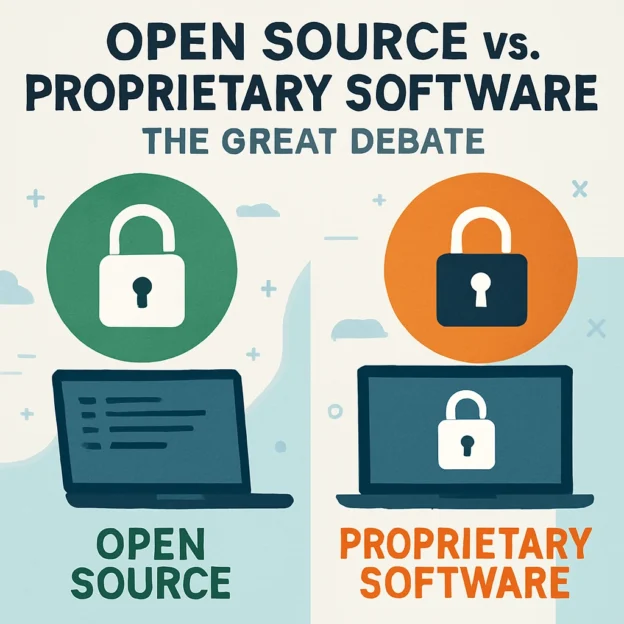
Open Source vs. Proprietary Software: The Great Debate

Open Source vs. Proprietary Software: The Great Debate

In the vibrant world of software development, a debate has been simmering for years—one that’s seen passionate advocates on both sides. The tussle between open-source and proprietary software is more than just a technical preference; it embodies values, philosophies, and even how we view collaboration and innovation in our digital age. So, let’s dive into the differences, advantages, and disadvantages of both sides in this great software debate.

What is Open Source Software?

Open-source software (OSS) refers to programs whose source code is freely available to anyone. This means anyone can view, modify, and distribute the code. Think of it like a public recipe—you have the freedom to tweak the ingredients, adjust the cooking times, or even share it with your friends. Some popular examples of open-source software include the Linux operating system, the Apache web server, and the Mozilla Firefox browser.

Pros of Open Source:

  1. Transparency: Since the code is open for anyone to inspect, it can be examined for security vulnerabilities, bugs, and inefficient code. This often results in enhanced security and stability.

  2. Community Collaboration: Developers from around the globe can contribute to projects, leading to rapid innovation and a diverse set of features.

  3. Cost-Effective: Most open-source software is free to use, which is a significant advantage for startups and individuals looking to save on software licenses.

  4. Customization: With access to the source code, users can tailor the software to suit their specific needs, allowing for incredible flexibility.

Cons of Open Source:

  1. Support and Documentation: While many open-source projects have strong community support, it can be inconsistent. Users might find themselves struggling to locate help when they encounter issues.

  2. Steep Learning Curve: Depending on the software, there might be more complexity involved. Not all open-source software is user-friendly, which can be intimidating for less tech-savvy individuals.

  3. Quality Variation: Unlike proprietary software, where a company is accountable for a consistent quality level, open-source projects can vary widely in quality depending on the community’s involvement.

What is Proprietary Software?

Proprietary software, on the other hand, is developed and owned by a company that retains exclusive control over its source code. Users typically purchase licenses to use the software, and modifications are generally forbidden. Examples of proprietary software include Microsoft Windows, Adobe Photoshop, and almost all commercial software applications you’d find in stores.

Pros of Proprietary Software:

  1. Professional Support: Proprietary software often comes with dedicated customer support, including training and resources, which can be hugely beneficial for businesses.

  2. User-Friendly Design: Many proprietary solutions invest significantly in user experience, meaning the software is often easier to use for the average person, with streamlined interfaces and extensive documentation.

  3. Security and Reliability: Companies usually conduct thorough testing and regular updates, offering a higher assurance of stability and protection against vulnerabilities.

Cons of Proprietary Software:

  1. Cost: Licensing fees can add up, especially for businesses purchasing software for multiple users. Subscription models can also be financially burdensome in the long run.

  2. Limited Customization: Users are typically limited to the features and functionalities provided by the software, and customization is rarely feasible.

  3. Vendor Lock-In: Choosing proprietary software often leads to dependency on the vendor for future updates, pricing, or even just the continued existence of the software.

The Middle Ground

The debate isn’t as black and white as it seems. Many organizations and developers are finding a middle ground through a hybrid approach. For example, they might utilize open-source tools for development while relying on proprietary software for financial or logistical operations. This combined strategy can harness the strengths of both worlds while minimizing their weaknesses.

Finding Your Fit

Ultimately, the choice between open-source and proprietary software comes down to the specific needs and resources of the individual or organization. Consider factors like your budget, technical skills, and required support. If you’re a tech enthusiast with programming knowledge, open-source might give you the edge you’re after. On the other hand, if you’re running a business that relies on uptime and user-friendly solutions, proprietary might be your best bet.

As the digital landscape continues to evolve, it’s safe to say that both open-source and proprietary software will coexist. Each has its place in the technology ecosystem, and understanding the pros and cons will leave you better equipped to navigate your choices in this fascinating realm. After all, whether you’re coding a new application or just looking for the best way to manage your workflow, there’s no one-size-fits-all solution. So, explore, experiment, and find what works best for you!

Why Every Business Should Consider Open Source Solutions

Why Every Business Should Consider Open Source Solutions

In today’s digital age, businesses of all shapes and sizes are constantly on the lookout for ways to innovate, improve efficiency, and save costs. One avenue that has been gaining traction over the past few years is the use of open source solutions. If you haven’t considered open source software for your business yet, you might want to rethink that strategy. Let’s dive into what makes open source so appealing and why it could be a game-changer for your operations.

Cost-Efficiency

The most obvious reason businesses explore open source solutions is the cost. Traditional software licenses can be incredibly pricey, often running into the thousands of dollars annually, especially for larger teams. In contrast, most open source software is free to use and modify. This doesn’t mean you’ll necessarily spend zero money; there may be costs involved in implementation, support, or maintenance. However, the initial investment is typically much lower, allowing businesses to allocate resources to other critical areas.

Customization and Flexibility

Every business is unique, with its own specific needs and workflows. Open source software can be tailored to fit those individualized needs because the source code is accessible to anyone. This means you can tweak the software to match your business processes perfectly. Whether you need new features, user interfaces that reflect your brand, or integrations with existing tools, the customization possibilities are endless. In contrast, proprietary solutions often limit your ability to make changes, forcing you to adapt to the software instead of the other way around.

Community Support and Collaboration

When you choose an open source solution, you’re not just adopting a software tool; you’re joining a vibrant community. Open source projects are often backed by enthusiastic communities of developers and users who contribute to the software’s improvement. If you run into a problem, chances are someone else has faced a similar issue and can help. Many open source projects also have extensive documentation and forums where users share tips and solutions, making troubleshooting a collaborative effort.

Enhanced Security

It might sound counterintuitive, but open source solutions can offer enhanced security compared to their proprietary counterparts. With open source software, the code is available for anyone to inspect, audit, and improve. This means that vulnerabilities can be identified and addressed quickly by anyone in the community. In contrast, proprietary software can often be a “black box,” with issues lingering until they’re discovered and patched by the company that developed it. Plus, the collaborative nature of open source often leads to faster updates and security patches, keeping your data safer.

Avoid Vendor Lock-In

Vendor lock-in is a term that sends shivers down the spine of many IT managers. It refers to the situation where you’re effectively trapped with a particular vendor’s products, making it prohibitively expensive or difficult to switch to a different solution down the line. Open source software mitigates this risk because you have the freedom to modify, distribute, and use the software however you like. If you decide to move away from one vendor’s distribution, you can take your customized version elsewhere or even host it yourself, maintaining control over your technology choices.

Innovation at Its Best

One of the most exciting aspects of open source technology is how it fosters innovation. Since anyone can contribute, the best ideas and features often emerge from the community rather than a single company. This collaborative spirit leads to rapid advancements and the continual evolution of software. Many transformative technologies—like Linux, Apache, and WordPress—are products of open source collaboration, showcasing just how powerful and impactful these solutions can be.

Real-World Examples

Don’t just take my word for it; look at the numerous businesses that have successfully incorporated open source solutions. Companies like Google, Facebook, and Red Hat use open source technologies to drive their operations. They recognize the reliability, flexibility, and community-driven innovations that come with these tools. Even smaller businesses have reaped the benefits of adopting open source solutions, from content management systems like Drupal to customer relationship management tools like SuiteCRM.

Ultimately, the decision to adopt open source solutions is about more than just saving money; it’s also about scaling efficiently, staying flexible, and harnessing community-driven advancements. As you weigh your options for tech solutions, keep an open mind about the potential that open source holds. Your business might just find the perfect fit while setting the stage for future growth—without the hefty price tag. Embracing open source could be a crucial step towards a more innovative, adaptable, and cost-effective future for your organization.

The Rise of Free Software: A Boon for Developers

The Rise of Free Software: A Boon for Developers

In the swirling sea of technology, where rapid advancements come and go, free software has emerged as a powerful lifebuoy for developers and users alike. The journey from proprietary software to open-source has not only transformed how we interact with our devices but has also fostered a community that shares, collaborates, and grows together. Today, let’s delve into this captivating world of free software and explore how it has become a boon for developers everywhere.

A Brief Dive into Free Software

So, what exactly is free software? Simply put, it’s software that grants users the freedom to run, modify, and distribute it. This concept goes way beyond just "free" in the monetary sense; it’s about liberty and community, emphasizing that users have the right not only to use the software but to understand and improve upon it. Pioneered by Richard Stallman and furthered by organizations like the Free Software Foundation, this philosophy has shaped a generation of software development.

Fueling Innovation and Creativity

One of the greatest advantages of free software is its role as a catalyst for innovation. Developers can mix, match, and repurpose code written by others to create something entirely new. Instead of spending hours, days, or even weeks rewriting basic functions, developers can build upon existing projects, greatly speeding up the development process.

For instance, consider the widespread use of Linux. Many developers have leveraged the Linux kernel to create specialized operating systems tailored for specific purposes. Whether it’s running a server, powering smart devices, or even equipping your favorite personal computer, this ecosystem thrives on collaboration. The result? An explosion of creativity and development that proprietary software often stifles with restrictions or licensing fees.

Learning and Growth Opportunities

For aspiring developers, free software is like an all-you-can-eat buffet of learning opportunities. Rather than being locked out of proprietary systems due to costly licenses, newcomers can dive into open-source projects, study the code, and learn from real-world applications. This hands-on experience is invaluable in building a strong skill set and portfolio, making it easier for developers to land jobs or start their ventures.

Moreover, communities around free software are incredibly helpful. Platforms like GitHub allow developers to collaborate, share insights, and offer support. The chance to begin contributing by fixing bugs or adding features can be a powerful way for beginners to ease into the coding world while giving back to projects they’re passionate about. Imagine getting code reviews from experienced developers or being part of a project that solves genuine issues for users; it’s a rewarding experience that solidifies knowledge and boosts confidence.

Fostering Collaboration and Networking

In the age of networking, free software acts as a unifying element. Developers from various backgrounds and regions can come together to collaborate on projects. Think about it – someone in Brazil could be working hand-in-hand, virtually, with another developer in Japan, all tackling the same codebase. This global partnership not only enriches the software being developed but also fosters cultural exchange and friendships that transcend borders.

Conferences and meetups often spring from these collaborative efforts, allowing developers to showcase their work, share ideas, and learn from one another. Many developers often find job opportunities through their involvement in these communities, demonstrating how collaboration can lead to personal and professional growth.

A Win for End Users Too

It’s crucial to note that developers aren’t the only ones reaping the benefits of free software; end users do, too. With software that is open-source, they have more choices and greater control over their digital experiences. More importantly, many free software projects champion privacy and security, giving users alternatives to commercial software that may track their online activities. The rise of privacy-focused browsers, secure messaging apps, and robust operating systems like Ubuntu and Fedora exemplifies this shift, providing users with tools that prioritize their freedom and safety.

The Road Ahead

The prominence of free software isn’t just a passing trend; it’s a movement that’s likely to grow stronger as technological landscapes continue to evolve. With the rise of emerging technologies like artificial intelligence and machine learning, open-source models are increasingly being adopted, allowing more democratic access to cutting-edge innovations. Developers who embrace this philosophy not only become part of a larger conversation but also ensure that future developments are more inclusive and accessible.

In conclusion, the rise of free software serves as a powerful reminder of the strength found in collaboration, creativity, and community-building. For developers, it offers an unprecedented range of opportunities to learn, grow, and innovate. As this movement continues to gain momentum, it’s exciting to think about the possibilities that lie ahead—not just for developers, but for everyone who uses technology as a tool for empowerment and progress. So, whether you’re a seasoned coder or a novice looking to get started, the world of free software is waiting for you to jump in and make your mark!