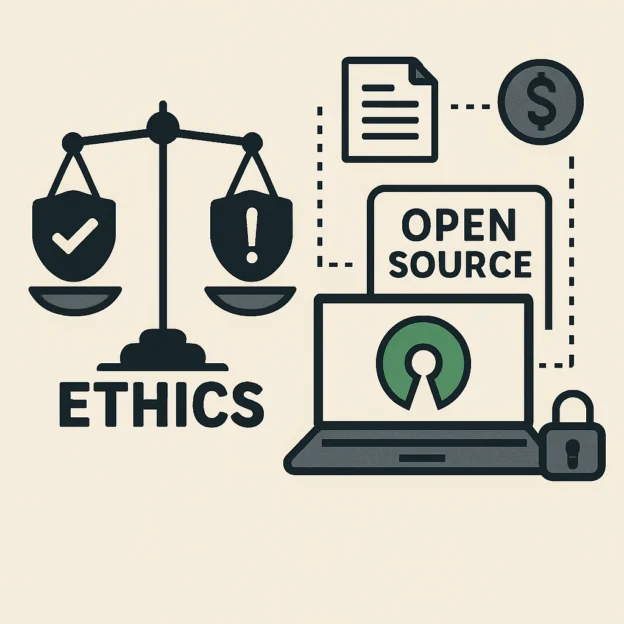
The Ethical Implications of Using Open Source Software in Business
In today’s fast-paced tech world, where innovation often meets creativity, open source software (OSS) has emerged as a cornerstone of both development and collaboration. Whether it’s a startup building its first product or a well-established enterprise revamping its infrastructure, many businesses turn to OSS for its flexibility, cost-effectiveness, and community-driven enhancements. But while all that sounds delightful, it also opens up a fascinating discussion about the ethical implications behind using open source software in business.
What is Open Source Software?
For those new to the concept, open source software is defined by its license, which grants users the freedom to use, modify, and distribute the software’s source code. This means that anyone can tinker with the software, tailoring it to meet their needs. Popular examples include Linux, Apache, and Mozilla Firefox, which have not only proven powerful and beneficial but have also fostered vibrant communities around them.
The Good Side of Open Source
-
Collaboration and Community: One of the most remarkable aspects of OSS is the sense of community that surrounds it. Developers from various backgrounds well verse in their areas contribute code, fixing bugs, and adding features. This collaborative ethos often leads to better, more secure software that a single company could produce on its own.
-
Cost Savings: For businesses, the cost benefits are undeniably enticing. Most open source programs are free to use, allowing companies to allocate their budgets towards other essential areas. This democratization of technology can level the playing field, enabling smaller businesses to compete with their larger counterparts.
-
Transparency: Open source is about honesty and transparency. When anyone can look at the code, it creates a layer of accountability. If there’s a vulnerability, developers can spot it more quickly than with closed-source software, where issues often linger undiscovered.
The Ethical Dilemmas
However, while the advantages are clear, it’s also crucial to examine the ethical implications that arise when businesses adopt OSS.
-
Dependency on Community Support: One ethical question that often arises is the reliance on a community that may not be financially compensated. Developers who contribute to open source projects often do so in their spare time. Problems can occur when businesses make heavy use of these projects but offer little in return. Is it ethical for a business to profit from free labor, especially when the community members might struggle to sustain their contributions?
-
Licensing Issues: Open source licensing can be a minefield. Different licenses have various stipulations regarding how the software can be used, modified, and redistributed. Companies must navigate these waters carefully, as misuse (even if done unknowingly) can lead to legal ramifications. It raises the ethical question of whether businesses adequately familiarize themselves with the terms before deploying OSS.
-
Exploitation of Free Software: Though open source promotes redistribution, it can also lead to exploitation—some companies may take open source software, add a few features, and sell it as a proprietary product. While technically legal, this practice can feel morally dubious. It undermines the ethos that the open-source community stands for and can create tensions between developers and corporate entities.
Striking a Balance
So, how can businesses ethically utilize open source software? For starters, companies should actively engage with the communities behind the software they use. They can contribute back by fixing bugs, improving documentation, or even donating to the projects they benefit from. It’s about mutual support; if companies leverage the work of developers, they should return the favor.
Also, ensure that your legal team has a solid understanding of open source licenses. Familiarity with these licenses is essential to stay compliant while respecting the developers’ work.
In a broad sense, embracing open source means embracing a culture of sharing, collaboration, and community. Businesses that recognize the nuances of this relationship can achieve ethical and sustainable practices while benefiting from the incredible power of open-source software.
As we move deeper into the digital age, these conversations around ethics will only continue to grow. The balance between leveraging community-driven projects while respecting and nurturing those communities is a delicate dance that requires ongoing commitment and awareness. After all, in the realm of technology, ethics should never be an afterthought, but a guiding principle forming the foundation for how we build tomorrow’s innovations.