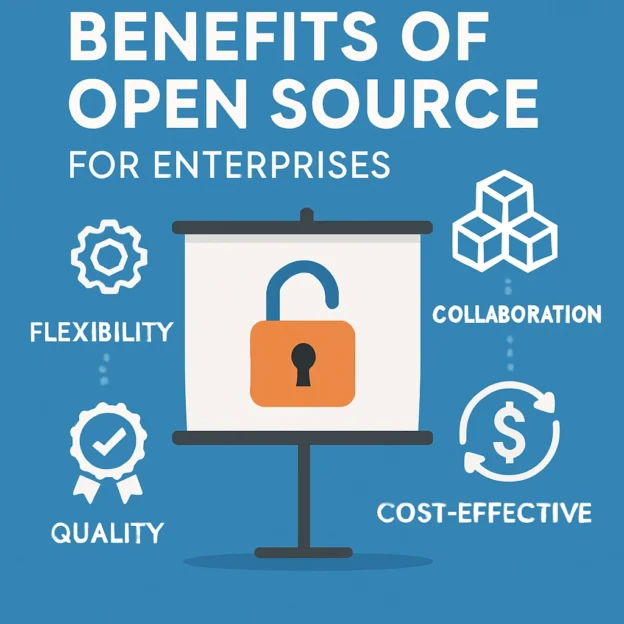
Exploring the Benefits of Open Source for Enterprises
In recent years, the buzz around open source software has gone from niche interest to mainstream necessity. As more enterprises recognize the advantages of adopting open source solutions, it’s clear that this collaborative approach to software development is redefining the tech landscape. But what exactly makes open source so appealing to businesses? Let’s dive into the key benefits that enterprises can gain from harnessing the power of openly available software.
Cost Efficiency
One of the most immediate and tangible benefits of open source software is cost savings. Unlike proprietary software that often comes with hefty licensing fees, many open source options are available at little to no cost. This doesn’t just mean you’re saving money on software purchases. It also means the resources typically allocated for vendor maintenance and support can be redirected toward other crucial areas of your business.
Additionally, since open source software is often built on a community-based model, you might find that there are fewer hidden costs associated with updates and upgrades. This makes financial forecasting and budgeting just a little bit easier.
Flexibility and Customization
Every business has unique needs, and one-size-fits-all solutions often fall short. Open source software can be modified and enhanced, allowing enterprises to tailor solutions to meet their specific requirements. Want to add a feature to streamline your workflow? Go for it! Need to integrate an existing system? Easy peasy!
This level of flexibility parallels the fast-paced nature of modern businesses, where adaptation is key to staying relevant. Open source solutions empower IT departments to get creative and innovate swiftly, without having to wait for a vendor’s update cycle or pay for new features.
Community Support and Collaboration
When you choose open source software, you aren’t just picking a product; you’re joining a thriving community. This community is typically composed of developers, users, and activists who are passionate about the software and eager to collaborate.
One of the key benefits of being part of an open source community is access to a wealth of knowledge and resources. Forums, user groups, and collaborative projects provide robust support systems and can help troubleshoot issues faster than waiting on a corporate help desk. The collective effort also means that security holes and bugs are often identified and patched much more quickly than with proprietary systems, providing enterprises with enhanced security.
Innovation at Your Fingertips
Open source software serves as a catalyst for innovation. The nature of open source fosters collaboration and creativity, leading to rapid advancements in technology. Given that many developers and companies contribute to open source projects, the pace of innovation is often faster than in a proprietary environment, where development cycles can be slowed by corporate protocols.
For example, companies like Red Hat and IBM thrive on open source contributions to drive their own innovations. By tapping into this ever-evolving source of inspiration, enterprises can leverage cutting-edge technology without taking on the risks associated with traditional R&D processes.
Improved Security
It might seem counterintuitive, but open source software can actually be more secure than its proprietary counterparts. With millions of eyes on the code, flaws tend to be spotted and resolved more swiftly. Since many open source projects operate on a model of transparency, any vulnerabilities are quickly addressed by the community.
Moreover, enterprises have the ability to audit the code directly rather than relying on vendors to provide assurances about security measures. This can lead to more robust security protocols that align with a company’s specific needs, ensuring that sensitive data remains protected.
Seamless Integration
In an increasingly integrated digital world, using software that easily connects with existing systems is vital. Open source software often shines in this area, as many projects are designed to be modular and compatible with other systems. This adaptability means enterprises can build an ecosystem of tools that work harmoniously together, improving overall efficiency and productivity.
Whether it’s integrating a new CRM system with a project management tool or combining multiple data sources into a single analytical dashboard, open source solutions can offer the flexibility to create a customized tech stack that elevates business performance.
Empowerment and Independence
Finally, adopting open source software empowers enterprises in a way that proprietary systems cannot. By relying on open source solutions, organizations aren’t tied to a single vendor for support or updates. This independence can open doors to negotiating better terms, and it encourages enterprises to invest in in-house expertise, leading to robust internal capabilities.
This empowerment fosters a culture of innovation, as teams are encouraged to explore and experiment without the constraints traditionally imposed by commercial software.
The global shift towards open source is enabling enterprises to adopt solutions that not only meet their immediate needs but also pave the way for future growth. By taking advantage of the numerous benefits—cost savings, flexibility, community support, security, innovation, and independence—businesses can position themselves for success in an increasingly complex digital landscape. Let’s embrace open source, not just as a trend but as a transformative approach that can propel us into the future.