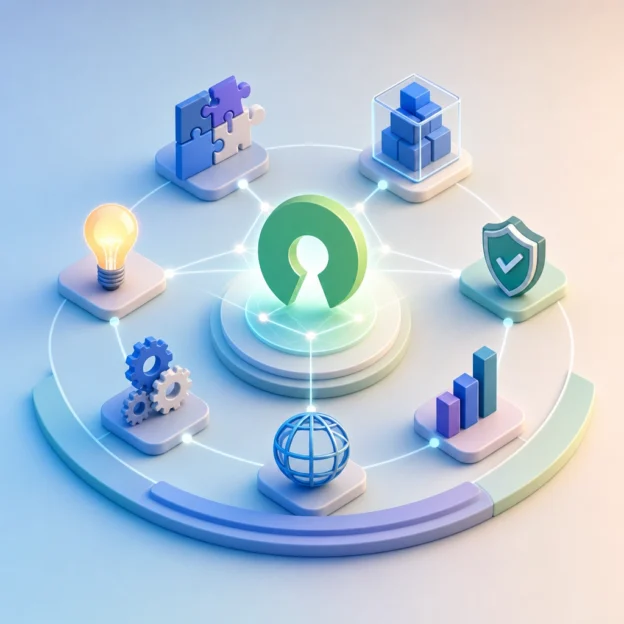
Exploring Open Source Software in the Government Sector

Exploring Open Source Software in the Government Sector

In recent years, there’s been a significant shift in how governments worldwide approach technology. Gone are the days when proprietary software ruled the roost. Now, open source software (OSS) is gaining traction in the public sector, offering an alternative that promises flexibility, cost-efficiency, and enhanced collaboration. But what does this mean for government agencies, and why should we care? Let’s dive into the world of open source software in government.

What is Open Source Software?

Before we dig deeper, let’s clarify what open source software truly is. At its core, OSS is software with source code that anyone can inspect, modify, and enhance. This model of development encourages collaboration among users and developers, often leading to rapid innovation and problem-solving. Consider popular examples like Linux, Firefox, and WordPress. These platforms are not just robust; they showcase the potential of community-driven development.

Why Open Source in Government?

The reasons for the growing popularity of OSS in government are multifaceted:

1. Cost Savings

One of the most compelling arguments for adopting OSS is the potential for significant cost savings. Governments, often working under tight budgets, can sidestep hefty licensing fees associated with proprietary software. In many cases, the open source alternatives come with no upfront cost and can be tailored to meet specific needs without breaking the bank.

2. Flexibility and Customization

Proprietary software often restricts users to certain functionalities and interfaces. Open source solutions provide the freedom to customize the software to suit specific governmental processes. This flexibility allows agencies to adapt as their needs evolve, rather than forcing them to conform to a vendor’s roadmap.

3. Increased Security and Transparency

In a world where data breaches and cyber threats are nearly daily headlines, security is of paramount importance. OSS allows for full transparency. Since the source code is available for anyone to review, security vulnerabilities can be identified and addressed much faster than in proprietary software, where such information is often hidden. Moreover, audits can be performed at any time, adding another layer of reassurance.

4. Community Collaboration

Open source fosters a sense of community, allowing governments to collaborate not just internally but with other entities, both government and non-governmental organizations. This collaboration can lead to shared solutions, collective problem-solving, and an exchange of resources that benefits everyone involved.

5. Avoiding Vendor Lock-in

Vendor lock-in is a significant concern for many agencies. When a government becomes dependent on a proprietary software vendor, it can be challenging to switch to another product without incurring massive costs and disruptions. OSS mitigates this risk since anyone can deploy and modify the software independently, allowing agencies to maintain control over their technology stack.

Real-World Examples

Numerous governments around the world have embraced open source software with remarkable results.

  • The UK Government: The UK has adopted an open-source-first policy, encouraging public sector bodies to consider OSS for their IT needs. The Government Digital Service (GDS) has released several open source projects, including tools for user research and data visualization, to enhance public services.

  • The City of Munich: This city migrated its entire IT infrastructure from Microsoft to a Linux-based system, which not only saved costs but also placed control back in the hands of the IT departments.

  • The European Union: The EU has shown a commitment to advancing open source through initiatives like the "Open Source Software Strategy" to reuse software and collaborate across borders.

Challenges Ahead

While the benefits are clear, the transition to open source software isn’t without its challenges. Concerns about support and documentation can deter some agencies. The learning curve can be steep, and the sheer volume of options can be overwhelming. Additionally, a cultural shift may be needed, as employees become accustomed to open source practices over traditional proprietary systems.

Yet, there’s no denying that the positive momentum is there. Many agencies are recognizing the importance of digital sovereignty and the need to leverage technology for better service delivery.

As open source software continues to grow in the government sector, it offers a compelling glimpse into a more collaborative, cost-effective, and transparent future. The innovation and creativity that come from open collaboration could very well lead to more efficient public services and a tech landscape that more closely mirrors the needs and values of the citizens it serves. The broader adoption of OSS in government is not just a trend; it’s a step towards a more adaptable and resilient digital future.


The Case for Open Source in Education and Learning

The Case for Open Source in Education and Learning

In today’s fast-paced digital world, we find technology playing an increasingly vital role in how we educate ourselves and others. One of the most exciting trends emerging in this arena is the open-source movement, which is championing the idea that knowledge should be freely accessible to all. From textbooks to software, the open-source philosophy is ushering in a new era in education, and it’s time to explore why this approach deserves a spotlight in our classrooms, online courses, and self-learning journeys.

Accessibility: Breaking Down Barriers

One of the most compelling arguments for open-source education is accessibility. Traditional educational resources—be they textbooks or proprietary software—often come with steep price tags that can limit who can learn what. Open-source resources, on the other hand, are free to use, modify, and distribute. Imagine a high school student wanting to dive into programming but struggling to afford the latest coding textbooks or software licenses. Open-source resources can bridge that gap dramatically, allowing individuals from diverse backgrounds to access the same high-quality educational materials as those in well-funded districts.

This democratization of knowledge empowers students to take control of their learning by providing resources that are not governed by financial constraints. Think about it—if a brilliant young mind in a remote village can access the same learning tools as a tech-savvy student in a metropolitan area, the potential for innovation rises exponentially.

Collaborative Learning: Building Community

Another significant advantage of open-source educational resources is the emphasis on collaboration. When we look at platforms like GitHub, where open-source projects thrive, what we usually find is a vibrant community committed to sharing knowledge and expertise. By using open-source materials in education, students and educators alike can contribute to the curriculum, adapting lessons and tools to better suit their unique contexts.

This collaborative environment nurtures a sense of community, where learners can connect with one another across the globe. Instead of viewing education as a solitary endeavor, students can work together on projects, ask questions, and share insights. Imagine a classroom where students from different countries join forces to tackle a real-world problem; cultural exchanges and diverse perspectives only enrich the learning experience.

Customization: Tailoring the Learning Experience

Every learner is unique, possessing different strengths, weaknesses, and interests. One-size-fits-all educational resources often miss the mark by failing to accommodate this diversity. Open-source materials allow for personalization and adaptation, enabling educators to modify resources according to the specific needs of their students.

For instance, an open-source math software program can be tweaked to emphasize certain areas of mathematics that a classroom might be struggling with or easily replaced with more engaging materials for advanced learners. This aspect of customization fosters a more engaging educational environment, as students can interact with material that speaks to their learning style and abilities.

Lifelong Learning: The Power of Community Engagement

In addition to enhancing traditional education, open-source culture promotes the idea of lifelong learning, which is crucial in our rapidly changing world. As technologies and industries evolve, the willingness to continually learn and adapt becomes priceless. Open-source platforms foster this mindset by providing ongoing resources and community support, making it easier to upskill or pivot into new fields.

For example, a healthcare professional might find themselves needing to understand new software tools that are standard in telemedicine. Through open-source communities, they can access tutorials shared by other users, attend workshops hosted by enthusiasts, and even contribute back to the community as they learn. This cycle of sharing and collaboration means that no one has to be left behind, regardless of where they are on their educational journey.

A Shift Toward Innovation

As we move deeper into the 21st century, education is ripe for innovation. Embracing open-source methods might just be the key to unlocking new potentials and creating a more inclusive and efficient educational landscape. Imagine a world where educational institutions collaborate harmoniously, educators share resources effortlessly, and students engage with learning materials that suit their very needs.

As we continue to advocate for open-source in education, let’s support initiatives that prioritize accessibility, encourage collaboration, and foster customization. By championing open-source resources, we can help cultivate a future where everyone has the chance to learn, grow, and succeed—no matter their circumstances. After all, knowledge should not just be owned, but shared, modified, and expanded for the benefit of all.

Debunking Myths About Open Source and Free Software

Debunking Myths About Open Source and Free Software

Open source and free software have become buzzwords in the tech community, often shrouded in a veil of myths and misconceptions. Whether you’re a casual user or a tech enthusiast, it’s easy to get lost in the sea of information—or misinformation. Let’s sift through some of the most common myths and uncover the truth about open source and free software.

Myth 1: Open Source Means Free of Cost

One of the most prevalent myths is that open source software is always free of charge. While the term "free" in free software refers to freedom, not price, it’s important to note that open source software can be either free or paid. Many companies, like Red Hat and Canonical, offer paid versions of open source software, providing additional services like support, training, and updates. So, while you can find countless free open source options, that doesn’t mean they’re all devoid of a price tag—sometimes, you pay for the extra value.

Myth 2: Open Source is Insecure

Another common assumption is that open source software is less secure than proprietary software. This misconception stems from the belief that because the source code is publicly available, it leaves the software vulnerable to attacks. In reality, the transparency of open source allows for more eyes to scrutinize the code. Many developers can review, test, and modify the code, which can often lead to faster identification of security vulnerabilities. Projects like Linux and Apache have a proven track record of security and reliability, largely due to the collaborative nature of the community.

Myth 3: Open Source Lacks Quality

There’s a notion that open source software is of inferior quality compared to its proprietary counterparts. While it’s true that some projects may struggle with quality control due to a lack of resources or oversight, many successful open source projects are exceptionally well-maintained and robust. For example, software like Firefox, LibreOffice, and WordPress are not only widely used but also continuously improved by dedicated communities. Quality often comes down to the community backing the project; a strong, engaged community can lead to a highly polished product.

Myth 4: You Need to Be a Developer to Use Open Source Software

Many potential users shy away from open source software, thinking it requires advanced tech skills. While some open source tools do cater more to developers (like coding environments or command-line tools), many user-friendly options are also available. Software such as GIMP for image editing or VLC Media Player for media playback have graphical interfaces and simple installation processes, making them accessible to non-tech-savvy users. The reality is, as open source becomes more mainstream, many distributions focus on user experience, ensuring that anyone can jump right in.

Myth 5: It’s All or Nothing

Some believe that adopting open source software means they must abandon all proprietary software—a notion that could not be further from the truth. Many organizations and individuals operate in a hybrid environment, using both open source and proprietary software to best meet their needs. For instance, you might use Linux for your operating system while continuing to rely on Microsoft Office for word processing. There’s no rule saying you have to choose one over the other; it’s about picking the tools that work best for you.

Myth 6: Open Source Software Is Not Supported

A frequent concern for users considering open source software is the fear of lack of support. Contrary to this belief, many open source projects have extensive community support through forums, documentation, and tutorials created by users just like you. Additionally, numerous companies offer professional support for open source solutions, ensuring that if you encounter an issue, help is readily available. Moreover, the active communities often facilitate collaborative problem-solving, which can lead to solutions faster than you might find with traditional customer service channels.

Myth 7: Open Source Software Has No Future

Some skeptics believe that open source is just a passing trend and question its sustainability. However, open source has shown remarkable growth and adaptation, proving its worth in a rapidly changing tech landscape. With the rise of cloud computing and the Internet of Things, open source has remained at the forefront of innovation. Major tech giants, including Google, Microsoft, and IBM, have embraced open source, further legitimizing its role in the future of technology.

Understanding the realities behind these myths allows us to appreciate the value of open source and free software more fully. By demystifying these notions, we can encourage more users to explore the expansive world of open source solutions. As consumer attitudes shift toward valuing transparency and collaboration in software development, it seems that the future of open source is brighter than ever—and that’s something worth celebrating!

Why Developers Love Open Source Software

Why Developers Love Open Source Software

In a world where technology evolves at a breakneck pace, the software development community has found a refuge in the realm of open source software. It’s not just a trend; it’s a fundamental shift in how developers think about and interact with software. But what is it about open source that has captured the hearts of developers around the globe? Let’s dive into the reasons.

Freedom and Flexibility

At its core, open source software is all about freedom. Developers can download code, modify it, and redistribute it without seeking permission from anyone. This kind of flexibility allows them to tailor software to meet their specific needs. Whether it’s adding functionalities, enhancing user interfaces, or fixing bugs, developers get to shape the software to fit their vision. Imagine being able to tweak your favorite kitchen gadget to make it more efficient—open source offers that same satisfaction, but in the digital realm.

Community Collaboration

One of the most compelling aspects of open source software is the community that surrounds it. Developers love being part of an ecosystem that thrives on collaboration. Projects such as Linux or Apache are testaments to how a collective effort can lead to world-class software solutions. Not only does this community provide support and encouragement, but it also fosters innovation. When developers contribute code, report bugs, or suggest features, they’re part of a larger living organism that continually evolves.

Skill Development

For many developers, open source projects serve as a playground to hone their skills. Working on real-world problems and collaborating with others helps sharpen their coding abilities, problem-solving skills, and teamwork. Often, newcomers to the world of programming turn to open source to fill gaps in their knowledge. It’s a safe space where they can learn from seasoned veterans, receive valuable feedback, and even showcase their work to potential employers. Some even argue that contributing to open source is the single best way to build a portfolio in the tech world.

Transparency and Trust

In an age where data privacy and software security are more crucial than ever, transparency becomes a significant advantage of open source software. Since the source code is publicly available, developers, companies, and users can inspect it for security vulnerabilities, bugs, or malicious code. This openness fosters trust and accountability, which is something proprietary software often lacks. Developers appreciate knowing that they can audit the software they use, ensuring that it aligns with their ethical standards.

Cost-Effectiveness

Let’s face it—software licenses can be prohibitively expensive, especially for startups and individual developers. Open source software mitigates this barrier by being free to use. This doesn’t simply mean avoiding licensing fees; it also opens doors for small companies to innovate without the burden of high upfront costs. This cost-effectiveness allows for experimentation and creativity that might not be possible with proprietary solutions.

Customizability and Integration

We’ve all experienced software that just doesn’t fit the way we work. With open source, developers can tweak and customize applications precisely to their workflow needs. This personalized approach means that they can integrate different systems more seamlessly, helping improve productivity and efficiency. Additionally, when companies opt for open source solutions, it’s much easier to connect existing tools rather than being constrained by proprietary systems.

A Movement Towards Innovation

Open source software is not just a coding practice; it’s also a movement. Developers are continually pushing the boundaries of what’s possible, experimenting with new technologies and methods. This spirit of innovation is infectious, driving the tech community forward. Many cutting-edge technologies, such as machine learning libraries like TensorFlow and data analysis tools like Pandas, started as open source projects. Developers are drawn to this movement because they believe in collaborative progress.

The Road Ahead

As technology continues to advance, the love for open source software among developers is likely to grow stronger. The ability to adapt, collaborate, and innovate in a community built on transparency and trust makes it an invaluable resource. For those who might be hesitant or unsure about diving into open source, remember that every big journey begins with a single step. By joining this vibrant community, developers not only contribute to the greater good of technology but also enhance their skills and network in ways that proprietary software simply can’t offer. Whether you’re a seasoned pro or a newbie, there’s a place for you in the world of open source. So why not take the plunge? After all, you might just discover your next favorite project!

The Open Source Movement: History, Present, and Future

The Open Source Movement: History, Present, and Future

The open source movement has become a cornerstone of the digital landscape, influencing everything from software development to collaborative projects. But to truly appreciate its impact, it’s essential to dive into the story of how it all started, where it stands today, and what the future might hold.

The Roots of Open Source

The seeds of the open source movement were planted long before the term "open source" even existed. In the late 1960s and 1970s, computer programming was often a collaborative effort, with researchers and engineers sharing their code and knowledge freely. The concept of software as communal property was commonplace.

Fast forward to the early 1980s, and we encounter Richard Stallman—a pivotal figure in the open source revolution. Frustrated by the proprietary nature of software at the time, Stallman founded the Free Software Foundation (FSF) in 1985 and began promoting the idea of "free software" that users could run, study, modify, and share. His manifesto emphasized the importance of user freedom over merely the price of software.

The terms "open source" and "free software" can sometimes cause confusion, but they both signify a commitment to transparency and collaboration. In 1998, the term "open source" gained traction partly due to an effort to rebrand the free software movement to make it more appealing to businesses and the tech community. The Open Source Initiative (OSI) was founded in the same year, further formalizing and promoting the principles of open source software.

The Rise of Open Source in the Digital Age

As the internet began to blossom in the late 1990s and early 2000s, so did open source software. Major players like Linux emerged, taking the tech world by storm. Linux, an open-source operating system, represented a significant departure from the closed systems of Microsoft and Apple, allowing developers from all over the world to contribute to and improve it collaboratively.

The success of Linux paved the way for many other open-source projects, including the Apache web server, MySQL database, and even the Firefox browser. This surge of collaborative software development ushered in a new era where communities could come together to create robust tools without the limitations of proprietary licenses.

Additionally, businesses began to recognize the power of open source. Giants like IBM and Google invested heavily in this realm, understanding that the collaborative process could lead to innovation and efficiency unmatched by traditional methods. By the mid-2000s, open source had transitioned from a niche concept to a mainstream alternative, laying the groundwork for its rapid adoption across various industries.

Open Source Today: A World of Collaboration

Fast forward to today, and the landscape of open source is bustling with creativity and collaboration. Platforms like GitHub have made it easier than ever for developers to share their projects, while organizations like the Apache Software Foundation support numerous successful open-source projects.

Beyond software, the principles of open source have been adopted in other fields, including education and even hardware development. Open educational resources allow teachers and students to access and share materials freely, while projects like the Open Source Hardware Association aim to create a collaborative environment for hardware enthusiasts.

Moreover, the open source ethos has inspired a generation of entrepreneurs and innovators who believe in the power of community-driven solutions. Companies are increasingly finding value in open-source models, leveraging the strengths of diverse ideas and perspectives to drive forward progress in various sectors, from healthcare to renewable energy.

What Lies Ahead: The Future of Open Source

The future of the open source movement appears bright, with continued growth on the horizon. As technology advances—think artificial intelligence, blockchain, and the Internet of Things—the need for adaptable, collaborative approaches becomes ever more crucial. Open source can offer quick and innovative responses to challenges, promoting transparency and trust in the build of our increasingly digital world.

However, there are challenges that lie ahead. Issues like funding for open-source projects, intellectual property concerns, and the risk of commercialization threatening the core values of openness must be addressed. As open source continues to evolve, maintaining a balance between community-driven initiatives and commercial interests will be essential.

Ultimately, the open source movement is more than just a software revolution; it’s a testament to what can be achieved when minds come together in a spirit of collaboration and collective problem-solving. As we look toward the future, it’s clear that open source will remain a powerful catalyst for change, fostering innovation, inclusivity, and transparency in our rapidly changing world. The best part? This journey is far from over—and everyone’s invited to join in!

How Open Source Software Fuels the Future of Collaboration

How Open Source Software Fuels the Future of Collaboration

In today’s fast-paced digital world, collaboration has taken on a new meaning. Gone are the days when teams worked in isolation, relying solely on top-down approaches. Instead, organizations are embracing a more collaborative spirit, thanks in large part to the rise of open source software (OSS). This approach to software development not only democratizes technology but also fosters innovation, creativity, and community. So, what exactly is open source software, and how is it changing the way we work together?

Open source software refers to programs that allow anyone to view, modify, and distribute the source code. This is a stark contrast to proprietary software, where only the original creators have control over the code. By embracing openness, OSS enables a diverse range of contributors to work on a project. Think of it as a community potluck where everyone brings a dish to the table. Each contribution enhances the overall experience, creating a richer and more varied outcome.

Breaking Down Silos

One of the key benefits of open source software is that it fosters an inclusive environment where ideas can flow freely. In traditional corporate structures, information often gets trapped in silos. Departments work independently, each with their own goals and visions, resulting in disjointed efforts. OSS breaks down these barriers. When developers, designers, and users from various backgrounds collaborate on a single project, they generate innovative solutions that would be challenging to achieve individually.

For example, consider the popular content management system, WordPress. It was developed as an open source project, and today it powers over 40% of websites worldwide. Contributors from all over the globe have added plugins, themes, and security updates, ensuring that WordPress evolves with the changing needs of its users. This widespread collaboration not only improves the software but builds a community that supports and learns from one another—something that proprietary software often struggles to replicate.

Driving Innovation

Open source also serves as a catalyst for innovation. Because anyone can contribute, developers are encouraged to experiment and take risks. This leads to an iterative cycle where feedback can be quickly implemented, and ideas that might seem far-fetched in a corporate setting are explored in a safe environment. The more people involved, the more creative solutions emerge.

Mozilla Firefox is a prime example of innovation born from open source collaboration. As an alternative to other web browsers, Firefox emerged out of a community-driven effort to create a user-focused, privacy-conscious browser. Its open nature allowed developers to implement features that prioritized user experience while maintaining a commitment to transparency. This has pushed other browsers to improve and innovate as well—showing just how powerful open source can be in driving competition and keeping tech companies on their toes.

Building Community

Beyond the technology itself, open source software is about building relationships and fostering communities. When individuals come together with a common goal, they create networks that extend beyond project timelines or geographical boundaries. These communities offer support, education, and opportunities for professional growth.

Take the Python programming language, for instance. Python has a vibrant and welcoming community that actively shares resources, tutorials, and forums for learners. Whether you’re a beginner or a seasoned developer, this sense of belonging can empower individuals to pursue their interests passionately. Moreover, mentorship and collaboration opportunities abound in these spaces, helping people from all walks of life to strengthen their skills and pass on their knowledge to the next generation.

The Future Is Collaborative

As we look towards the future, the role of open source software in shaping collaborative environments is undeniable. With remote work becoming the norm, companies are beginning to recognize the value of inclusivity and diverse contributions. Open source practices encourage transparency and collaboration, which are essential for fostering innovative ideas and responsive workflows.

In the sphere of collaboration tools, projects like Mattermost and Nextcloud highlight how open source can help teams communicate effectively while maintaining control over their data. These platforms allow organizations to tailor their collaboration environments to meet specific needs while benefiting from a community of developers who continuously enhance the software.

In essence, open source software is about more than just code; it symbolizes the power of working together for a common cause. As we embrace this future of collaboration, we can look forward to a world where creativity thrives, barriers dissolve, and everyone has a seat at the table. By leveraging the strengths of open source principles, we ensure that tomorrow’s innovations are built on a foundation of shared knowledge and cooperation, paving the way for a brighter, more connected world.

Transitioning to Open Source: A Step-by-Step Guide for Businesses

Transitioning to Open Source: A Step-by-Step Guide for Businesses

In today’s tech-savvy landscape, open-source software is becoming increasingly popular among businesses of all sizes. With the promise of flexibility, cost savings, and community-driven development, it’s no wonder that companies are taking the plunge into the world of open source. However, transitioning to open source isn’t as simple as flipping a switch. There are several key steps to making the shift successfully. If your business is considering this transition, let’s break down the process together!

Understand the Benefits

Before diving headlong into open source, it’s essential to grasp its benefits. By leveraging open-source software, businesses can enjoy:

  1. Cost Savings: Open-source solutions are often free to use. This can significantly reduce software licensing fees, especially for businesses needing multiple licenses.

  2. Flexibility and Customization: Since the source code is available to everyone, you can customize the software to meet your specific needs, tailoring it exactly to your workflow.

  3. Community Support: Many open-source projects are supported by active communities that can offer help, plugins, and improvements, often faster than proprietary software developers.

  4. Security: With many eyes reviewing the source code, vulnerabilities can be identified and patched quicker compared to traditional software, enhancing the overall security of your operations.

Once you understand the benefits, you can confidently explain to stakeholders why this transition is worth pursuing.

Assess Your Current Software

Before transitioning to open source, take a complete inventory of your existing software systems. Which applications are critical to your business operations? Are there open-source alternatives that can replace them? It’s tempting to go with the first option you find, but it’s best to complete a thorough market analysis.

Take note of any unique functionalities that your current software provides. Will the open-source alternatives meet these needs? Planning and assessing your current software landscape allows you to avoid disruptions in your services.

Identify Your Open Source Champions

Having support from within your organization is crucial for a successful transition. Identify team members who are enthusiastic about open source—these may be developers, IT staff, or even product managers. They can champion the project, share their expertise, and motivate others to embrace the change. Consider forming a core team dedicated to the transition, as they can facilitate the shift and address potential issues while ensuring a smooth integration.

Create a Transition Plan

A well-thought-out transition plan is your roadmap to success. This should include:

  • Timeline: Set clear deadlines for each stage, from research and testing to full implementation.
  • Training: Plan for training sessions as employees will need to learn how to navigate the new systems. Consider using resources like tutorials, webinars, and documentation to help staff get accustomed to the software.
  • Support: Build a support structure to address questions or issues that arise during and after the transition. This includes establishing a communication channel for ongoing updates and assistance.

Start Small

Rather than overhauling your entire software stack at once, start with a small pilot project. Choose an area of the business with the least disruption potential and implement the open-source solution there first. This allows your team to iron out any wrinkles and build confidence in the new tools. Gather feedback during this trial phase to refine your approach for future implementations.

Evaluate and Iterate

Once you have implemented the open-source solution, monitor its performance closely. Are employees adapting well? Is the software meeting your needs? This is the time to gather feedback from users and assess the software’s functionality against your original goals. Don’t hesitate to make changes based on this feedback, whether that means refining processes or even exploring different open-source solutions.

Embrace the Community

One of the most significant advantages of open-source software is its community. Engage with other businesses or developers using the same tools. You can learn best practices, troubleshooting techniques, and even innovative ways to leverage the software. Join forums, and attend conferences, or meetups to immerse your team in the open-source culture.

As you embark on your journey to open-source software, remember that patience, flexibility, and commitment are key. Embracing this transition can be transformative, but it requires a thoughtful approach. With the right planning and support, you’ll not only find a cost-effective solution that fits your needs but also become part of a thriving community that champions innovation and collaboration. So here’s to new beginnings and a future where your business can thrive on the limitless potential of open-source software!

Maximizing ROI with Open Source Business Software

Maximizing ROI with Open Source Business Software

In our tech-savvy world, businesses are constantly searching for cost-effective solutions that deliver robust functionality without breaking the bank. Enter open source business software — a game changer on the horizon of organizational efficiency and budget management. If you’re looking to maximize your return on investment (ROI), embracing open source software might be the key strategy you need. Let’s dive deeper into how you can harness this powerful tool!

What is Open Source Software, Anyway?

First off, let’s clarify what we mean by “open source software.” Simply put, open source software is software with a source code that anyone can inspect, modify, and enhance. It’s not just about getting free software; it’s about a collaborative philosophy that fosters innovation and flexibility. Think of popular open source projects like Linux, WordPress, or the countless tools available in the Apache suite. They give you a solid platform to build on while maintaining control over your own data.

Why Consider Open Source?

If you’re still on the fence, let’s look at some of the standout benefits that come with choosing open source business software.

1. Cost Savings

Let’s not beat around the bush; one of the biggest draws for any business is the potential for cost savings. Open source software is usually free or at least significantly cheaper than proprietary software solutions. While you may need to invest in hosting, customization, or support, overall, the expense is often far less than licensing fees or subscription models. With that saved cash, you can redirect funds towards growth initiatives or marketing campaigns.

2. Flexibility and Customization

Every business is unique, and one-size-fits-all solutions rarely work seamlessly for every organization. Open source software puts you in the driver’s seat. You can modify the software to suit your specific needs. This means you’re not just limited to what the vendor provides; you can tweak, enhance, or even overhaul the system as your business evolves. This adaptability can significantly increase your operational efficiency — and thus your ROI.

3. Community Support and Innovation

The open source community is vast and incredibly supportive. When you choose open source software, you tap into a network of developers, users, and enthusiasts who are continually improving and upgrading the software. This means you benefit from rapid innovation and updates without being tied to a single vendor’s timeline. You’ll often find that issues are resolved quickly, thanks to widespread community engagement.

4. Security and Transparency

In today’s digital era, security is paramount. Open source software is typically viewed as more secure than proprietary options. Why? Because its code is open for scrutiny. This helps identify vulnerabilities more quickly, leading to timely rectifications. Plus, you’re not at the mercy of a vendor to release patches; you can address security issues directly using the community or your own in-house talent.

Strategies to Maximize ROI

Now that you’re onboard with the benefits, let’s talk about how to maximize your ROI specifically when utilizing open source software.

1. Assess Your Needs

Before jumping in, conduct a thorough assessment of your business needs. Identify gaps in your current software and strategize how open source can fill those. This will ensure you choose tools that not only fit your current requirements but also have the potential to scale with your business.

2. Invest in Training

One of the great aspects of open source software is that your team can take a hands-on approach to learning. Invest time in training for your employees. Well-trained teams are more productive, leading to a quicker adoption rate and greater outputs.

3. Engage with the Community

Don’t be a passive user! Engage with the user forums, contribute to discussions, or even join development efforts if you have the capability. Actively participating in the community can lead you to insights that will help you leverage the software more effectively.

4. Regular Reviews

Finally, create a schedule for periodic reviews of the software you’re using. This will help you evaluate whether the tools you’re leveraging are still the best fit for your business. You might find that with evolving needs, something else on the open-source landscape better suits you.

As businesses navigate through the complexities of growth in a digital environment, open source software can be a powerful ally for maximizing ROI. With relative ease of entry and community-driven innovation, it’s worth the investment. By making a thoughtful and strategic move toward these solutions, you set the stage not just for immediate savings but for sustainable growth in your organization’s future. It’s a win-win situation that could very well redefine how you do business!

The Benefits of Open Collaboration in Software Development

The Benefits of Open Collaboration in Software Development

In today’s fast-paced technological landscape, the way we approach software development is constantly evolving. Gone are the days when teams worked in silos, jealously guarding their code and ideas. Enter open collaboration, a game-changing approach that has taken the tech world by storm. Let’s dive into what open collaboration is all about and explore some of its key benefits.

What Is Open Collaboration?

At its core, open collaboration involves sharing resources, ideas, and code within a community to achieve a common goal. This could include anything from developing a new software application to improving existing technologies. Unlike traditional development environments where teams are segmented and operate independently, open collaboration fosters teamwork across various disciplines and geographical boundaries.

Enhanced Creativity and Innovation

One of the primary benefits of open collaboration is the incredible boost in creativity and innovation it brings. When diverse minds come together, they not only share their unique perspectives but also amalgamate their experiences and skills. This synergy often leads to groundbreaking solutions that an individual or a closed team might never conceive.

For instance, in open-source projects, contributors from all over the globe can propose new features or improvements based on their unique use cases. The result? Software that evolves more rapidly and effectively resonates with users’ needs.

Faster Problem Solving

When faced with challenges, who better to tackle them than a team that has a variety of viewpoints and expertise? Open collaboration encourages individuals from different backgrounds to join forces, making it easier to diagnose issues and explore various solutions. Instead of being bogged down by bureaucracy or narrow constraints, teams can brainstorm more freely and implement solutions faster.

Take, for example, a common bug that plagues an application. A solo developer might struggle to diagnose the problem due to limited expertise. However, when a community comes together, they can draw from a pool of experiences, quickly pinpoint the issue, and deploy a fix in no time.

Building a Supportive Community

Collaboration fosters a sense of community that can be incredibly rewarding for everyone involved. Rather than being a lone wolf, developers have the chance to connect, learn, and grow alongside their peers. This supportive environment not only enhances skills but also boosts morale.

Engaging with a community can also lead to valuable mentorship opportunities. Whether you’re a seasoned developer or just starting, there’s always something new to learn from others. These connections can help individuals navigate challenges more effectively, opening doors to career growth and new opportunities.

Knowledge Sharing and Skill Development

Open collaboration is a fantastic incubator for knowledge sharing. When developers contribute to open-source projects, they often document their processes, which serves as a valuable resource for others. This culture of learning encourages individuals to share their expertise and find new ways to solve problems.

As developers dive into new projects or tackle unfamiliar technologies, they not only expand their skill sets but also gain a deeper understanding of the software development landscape as a whole. By stepping out of their comfort zones and immersing themselves in collaborative environments, individuals can become more well-rounded professionals, equipped with the tools to adapt to an ever-changing industry.

Increased Transparency and Trust

In a world that often feels dominated by corporate secrecy, open collaboration promotes transparency. When developing software in the open, users can see the progress, understand development decisions, and provide real-time feedback. This transparency fosters trust—both within developer communities and between developers and end-users.

Additionally, open collaboration encourages accountability. When multiple people are involved in a project, everyone has an investment in its success. This collective responsibility can lead to higher quality outputs and a greater commitment to excellence.

It’s Inclusive

Lastly, open collaboration is inherently inclusive. By providing everyone the opportunity to contribute, it breaks down barriers that might have previously excluded diverse voices. This inclusivity not only enhances the creativity and efficacy of the development process but also helps create technologies that serve a wider audience.

When many different perspectives come together in the software development process, the end product is much more likely to meet the diverse needs of users around the world.

In conclusion, embracing open collaboration in software development is not just a trend; it’s a transformative movement that fosters creativity, accelerates problem-solving, builds supportive communities, and promotes inclusivity. As the tech landscape continues to shift, those who champion collaboration will not only stand out—they’ll lead the way toward a more innovative and connected future. So, the next time you’re coding or engaging in a project, consider how embracing collaboration can elevate not just your skills, but also the impact of your work on the community and the world.

Demystifying Licenses: A Beginner’s Guide to Open Source

Demystifying Licenses: A Beginner’s Guide to Open Source

If you’ve ever dabbled in software development, or even just tried to download a tool for a project, you’ve likely come across the term “open source.” But what does that really mean? And what’s the deal with all those licenses? Don’t worry; you’re not alone in feeling a bit overwhelmed! In this guide, we’ll break down open source software and explain the different types of licenses to help you navigate through the world of coding, tools, and community-driven projects.

What is Open Source Software?

At its core, open source software (OSS) is all about collaboration and transparency. Open source means that the source code—the underlying code that makes up a software program—is freely available for anyone to view, use, modify, and distribute. This community-driven approach encourages creativity and innovation, as developers build upon each other’s work, making improvements or adding features.

Imagine a cook who shares their family recipe with the world. Others can use that recipe as-is, tweak it to suit their taste, or create an entirely new dish inspired by it. Open source is sort of like that—but in the realm of programming!

The Importance of Licenses

Now, you might be wondering why we even need licenses if the code is meant to be shared. Here’s where things get interesting. Licensing is critical because it sets the rules for how the software can be used. Every open source project has its specific license, detailing the rights and responsibilities of the users and developers. Without a license, the code could be legally considered "all rights reserved," which means others can’t use it without permission.

Let’s break down a few of the most popular open source licenses.

1. MIT License

The MIT License is one of the most permissive open source licenses out there. If a project is licensed this way, it essentially allows people to do almost anything they want with the code—use it, modify it, and even create proprietary software. The only condition is that they need to include the original license and copyright notice when redistributing the software. This license is perfect for developers who want to promote freedom and collaboration while keeping things straightforward.

2. GNU General Public License (GPL)

The GNU GPL takes a slightly different approach. While it allows users to modify and share the code, it also enforces the “copyleft” principle. This means that if someone modifies the software and shares it, they must do so under the same license—ensuring that the software remains free and open. This is a popular choice for developers who believe in preserving the openness of software and want to ensure that improvements benefit the entire community.

3. Apache License

Similar to the MIT License, the Apache License is quite permissive. It allows users to use, modify, and distribute the code—again, with the requirement of providing attribution to the original authors. One key feature of the Apache License is that it also provides an express grant of patent rights from contributors to users. This means if someone contributes code, they cannot sue users for patents on that code. It’s a way to foster a protective environment for developers.

4. Creative Commons

While often associated with creative works like art and literature, Creative Commons licenses can also be applied to software. These licenses allow creators to specify how others can use their work, whether it’s for commercial purposes or whether they can modify it. It’s worth noting that Creative Commons is not typically designed for software, as it’s not legally enforceable for software distribution.

Why Licensing Matters

So, why should you care about open source licenses? If you’re a developer, understanding the legalities can help you make informed decisions about using or contributing to various projects. It protects you from potential legal issues and gives you the creative freedoms you seek. And for those who simply want to use the software, knowing the license helps you understand what you can and can’t do with the product.

Getting Started

Ready to jump into the world of open source? Start by exploring platforms like GitHub or GitLab, where you can find a plethora of projects to contribute to or use. Pay attention to their licensing, and don’t hesitate to reach out to the community if you have questions.

As you become more familiar with the terminology and concepts, you’ll find that the open source community is welcoming and eager to share knowledge. Embrace the opportunity to learn from real-life examples, and soon, you might find yourself contributing to an exciting project of your own!

Understanding open source licenses might seem daunting at first, but with a little exploration and practice, you’ll soon see that they are essential tools for fostering creativity and collaboration in the software world. After all, at the heart of open source is not just the code, but the community that powers it, driving innovation for everyone. So go ahead, dive into the open source world—you never know what you might create or discover!