The Impact of Open Source on Software Development Practices

The Impact of Open Source on Software Development Practices

In recent years, the landscape of software development has undergone a tremendous transformation, and much of this change can be attributed to the rise of open source. This revolutionary approach to building software not only affects the technical side of development but has also reshaped how teams collaborate and innovate. Let’s explore how open source has influenced software development practices and what it means for developers, companies, and tech as a whole.

A Shift in Collaboration

Gone are the days when software development was a solitary endeavor confined within the four walls of a company. Open source has fostered a culture of collaboration that’s as diverse as it is dynamic. Developers from around the globe can contribute to projects, bringing together various perspectives and skill sets.

Imagine this scenario: developers in different time zones working on the same project can push updates any time of the day, effectively creating a round-the-clock development cycle. This global collaboration not only speeds up the development process but also results in higher quality software products. With many eyes scrutinizing the code, bugs are caught faster, leading to a more robust final product.

Encouraging Innovation

The open source model has become a hotbed for innovation. With access to freely available resources, developers can experiment freely without the constraints posed by proprietary software. They can tinker, modify, and enhance existing software or even create entirely new solutions from scratch. This spirit of experimentation leads to breakthroughs that may never have occurred in traditional closed environments. Think about popular libraries and frameworks like React and TensorFlow—these game-changers came from open source contributions, revolutionizing how developers approach front-end and machine learning tasks.

Moreover, open-source projects often inspire others to contribute, creating a snowball effect of innovation. When one project influences another, a community ecosystem blossoms, encouraging developers to take existing ideas further and challenge the norm.

Accessibility and Education

The impact of open source reaches far beyond seasoned developers; it plays a crucial role in education and accessibility. With a plethora of online resources, aspiring software engineers can learn by doing, diving into real-world projects and gaining hands-on experience. Open-source contributions allow students and new developers to build a portfolio, showing off their skills to potential employers.

Organizations like GitHub and GitLab provide platforms for users to host open-source projects and manage contributions. Many educational institutions have started incorporating open-source principles into their curricula, recognizing its importance in modern software development.

Building Community

Another beautiful aspect of the open-source movement is the sense of community it fosters. Developers often collaborate in open-source projects not just for technical reasons, but also because they share a passion or vision. This sense of belonging is crucial for personal and professional growth, as it allows developers to network, mentor, and receive feedback on their work.

Many open-source communities enforce a code of conduct that promotes inclusivity, ensuring that everyone—regardless of their background—feels welcome to contribute their ideas. Building a strong, diverse community encourages creativity, and ultimately leads to better software solutions.

Challenging Traditional Business Models

Open source has prompted businesses to rethink how they operate. Companies traditionally relied on proprietary software to generate profits, but the open-source model challenges this paradigm by shifting the focus to service-based offerings. For many organizations, especially startups, the ability to offer a free product that builds a user base can provide immense long-term value.

This shift also alerts businesses to the importance of maintaining good relations with their user community. Companies that successfully engage with open-source communities often find that these relationships can lead to a passionate user base that advocates for their product and contributes to its improvement.

The Road Ahead

As we look to the future, it’s clear that open source will continue to be a dominant force in shaping software development practices. The collaborative spirit and innovative potential of open-source projects are bound to evolve, making technology more accessible and inclusive.

Working collaboratively across cultures and countries not only diversifies the types of solutions available but also enriches our collective knowledge. Every coder, every contributor has a part to play in a constantly changing world of software development driven by creativity and shared passion. Open source is more than just a way to build software; it has become a philosophy that champions community, freedom, and transformative innovation. In an era where technology connects us like never before, it’s invigorating to think of all the possibilities that lie ahead in the world of open source.


Navigating the World of Open Source: A Beginner’s Guide

Navigating the World of Open Source: A Beginner’s Guide

If you’ve recently stumbled upon the term "open source," you’re not alone. Open source software has been making waves in the tech community and beyond, and it’s not just for programmers and developers anymore. Whether you’re a curious newbie or someone looking to deepen your tech skills, this guide will help you navigate the vibrant world of open source.

What is Open Source?

At its core, open source refers to software whose source code is available to the public for anyone to view, modify, and distribute. In simple terms, if a program is open source, you can see how it works, tinker with it, and even contribute to its development. Think of it like a potluck dinner: everyone brings their unique flavor, and together, you create something delicious!

This concept began in the late 20th century, with notable examples like the Linux operating system. It has since blossomed into a thriving ecosystem with thousands of projects, spanning everything from web browsers like Firefox to content management systems like WordPress. The best part? It’s often free!

Why Should You Care?

You might wonder why you should jump into open source. Here’s why it’s worth your time:

  1. Learning Opportunities: If you’re itching to learn programming or engineering skills, diving into an open source project can provide real-world experience. With a plethora of resources available, you can learn by doing, ask questions, and receive guidance from seasoned developers.

  2. Community Engagement: Open source thrives on community. By contributing to a project, you meet likeminded individuals who share your interests. Whether you’re fixing bugs, adding features, or even just providing feedback, you are part of a collaborative environment, making friendships along the way.

  3. Resume Booster: If you’re looking to break into the tech field, having open source contributions on your resume can make you stand out. Employers often appreciate candidates who take initiative and demonstrate real-world problem-solving through their projects.

  4. Freedom of Use: Many open source programs can save you money. Since they’re typically free, there’s no need to invest in costly software licenses, making them an ideal choice for start-ups or freelancers.

Getting Started

So, how can you dip your toes into the open source pool? Here are some straightforward steps to guide you along the way:

1. Choose Your Tools

First, familiarize yourself with some popular open source tools. GitHub is a fantastic platform for hosting open source projects. If you’re not comfortable with technical jargon, don’t worry! Many repositories come with detailed documentation. Other great tools include GitLab, Bitbucket, and SourceForge.

2. Find a Project

With thousands of open source projects available, it can be overwhelming to pick one. Start with what you’re passionate about. Are you interested in gaming? Look at projects like Godot Engine. Prefer web development? Check out Django or Ruby on Rails. Websites like GitHub and Open Source Guides have sections designed to help beginners find suitable projects.

3. Read the Documentation

Before jumping in, take time to familiarize yourself with the project’s documentation. Understanding a project’s goals, installation processes, and contribution guidelines is essential. Documentation is often the roadmap that guides you through technical territory.

4. Start Small

Don’t feel pressured to make significant contributions right away. Many projects welcome small changes, such as fixing typos in documentation or adding comments to the code. These small steps can help you gain confidence while building your understanding of the project.

5. Join the Community

Most open source projects have online forums, Slack channels, or Discord servers. Engaging with the community can help you get answers to your burning questions and receive support from fellow contributors. Plus, it’s a great way to forge connections that may lead to collaboration on future projects.

6. Keep Learning

Technology is ever-evolving, and so is the world of open source! Staying engaged and continually learning will not only help you grow your skillset but also keep you connected with the latest trends and developments.

As you embark on your open source journey, remember that everyone’s path is different. There’s no rush to become an expert overnight—embrace the learning process, connect with the community, and most importantly, have fun! Your contributions, no matter how small, can lead to significant advancements in the software world. So grab that potluck dish and start contributing; the open source community is waiting for your unique flavor!

The Power of Free Software: An Essential Guide for Businesses

The Power of Free Software: An Essential Guide for Businesses

In today’s fast-paced digital world, businesses are always on the lookout for ways to cut costs, boost efficiency, and keep up with technological advancements. One often overlooked treasure that fits all these needs is free software. While “you get what you pay for” is a common adage, free software can often provide exceptional value that many businesses might not realize. Let’s dive into the power of free software and how it can be a game changer for your organization.

What is Free Software?

First off, let’s clarify what we mean by free software. It’s important to differentiate between “free beer” and “free speech.” Free software might not always be zero cost; it refers to software that allows users the freedom to run, study, modify, and share it. Think GNU/Linux, Apache, and Mozilla Firefox. Additionally, there are many proprietary software options that are free to use (like Zoom’s free tier or Slack for smaller teams), but we will focus on the truly open and free solutions.

Cost-Effective Solutions

The most obvious benefit of free software is the cost savings. For startups and small businesses, every penny counts. Instead of sinking thousands of dollars into software licenses, companies can leverage free tools that offer robust functionalities. For instance, LibreOffice provides a powerful office suite alternative to Microsoft Office. It has all the tools you need for word processing, spreadsheets, and presentations at zero cost, enabling startups to allocate those saved funds to essential growth areas like marketing or product development.

Boosting Collaboration

Another fantastic aspect of free software is how it fosters collaboration. Tools like Slack have free versions that many teams find sufficient for their communication needs. Similarly, project management solutions like Trello have free features that help teams organize their workflows without breaking the bank. Platforms such as Mattermost or Rocket.Chat allow for team communication without depending on the larger corporate ecosystem, which can foster a sense of ownership and community within organizations.

Flexibility and Customization

One of the innate traits of free software is its customizable nature. When you’re using proprietary software, you’re often limited to the functionalities that the developers want to provide. However, with open-source options, businesses can tailor the software to fit their specific needs. Suppose your team has unique project management needs. You can modify an existing open-source project management tool, or even create one from scratch! This flexibility can play a crucial role as your business grows and changes.

Security and Stability

Now, you might be thinking, “What about security?” This is a common concern with free software. However, it’s worth noting that many free software applications have robust security features. The open-source nature of these tools allows countless eyes to scrutinize the code, often making them more secure than proprietary solutions. With a dedicated community behind them, popular software like Apache and MySQL receive frequent updates, feedback, and patches, ensuring they remain stable and reliable.

Community Support

Speaking of communities, the support that comes with free software can be incredibly beneficial. Many open-source projects have dedicated forums and user communities where you can get help, share ideas, and even collaborate on projects. This peer support can be a refreshing change compared to the often-limited customer service offered by proprietary software companies. Many users are eager to help and share their expertise on platforms like GitHub, ensuring you’re never alone in navigating the software landscape.

Real-World Examples

Numerous fantastic companies have harnessed the power of free software to propel their success. For instance, Wikipedia relies heavily on open-source software to run the world’s largest online encyclopedia. Additionally, companies like Tesla and Google have benefited from using and contributing to open-source projects. These organizations have proven that adopting free software can empower your business to innovate and thrive without the immense costs typically associated with technology.

A Future with Free Software

As digital transformation continues to shape the business landscape, embracing free software can be invaluable. By reducing costs, increasing collaboration, enabling customization, enhancing security, and providing access to strong community support, free software serves as a vital resource for any business.

In a competitive marketplace, it’s essential to be creative and resourceful with your business solutions. So, the next time you’re evaluating software options, don’t overlook the abundance of free tools available. Who knows? Embracing the freedom of open-source could just be the key to unlocking your business’s full potential—along with empowering your team to innovate and thrive without the usual limitations.

How Open Source Software is Changing the Development Game

How Open Source Software is Changing the Development Game

In the fast-evolving world of technology, the term "open source software" has become a game changer, redefining how developers collaborate, innovate, and consume software. But what exactly does this mean, and why is it making such waves in the software development community? Let’s unpack this exciting topic and explore how open source is reshaping our digital landscape.

Understanding Open Source Software

At its core, open source software (OSS) is software that anyone can inspect, modify, and enhance. Unlike proprietary software, where the source code is kept secret, open source invites a broader community to contribute. This collaborative approach not only accelerates software innovation but also promotes transparency and trust. Think about it: when anyone can see the code, you can bet it’s going to be scrutinized and improved upon, leading to more robust solutions.

Popular projects such as Linux, Apache, and Mozilla Firefox exemplify the power of collective development. These platforms have thrived because of contributions from a diverse group of developers around the globe. This leads us to our first important point: community-driven development fosters creativity.

The Rise of Collaboration

One of the most exciting aspects of open source is the collaboration it encourages. Gone are the days when software development was a solo endeavor siloed within corporate walls. Now, developers from different backgrounds and specialties can come together to solve problems and create solutions that benefit everyone.

Platforms like GitHub and GitLab enable developers to share code, report issues, and submit changes. Imagine having access to a vast repository of code that you can build upon and improve. This collaborative spirit not only accelerates innovation but also leads to the rapid development of new technologies and tools.

And let’s not forget the incredible networks of support that form around these projects. Developers often become part of large, welcoming communities where they can learn from one another, ask questions, and share their passion for coding. It’s a fantastic way to build your skills while contributing to something greater than yourself.

Cost-Effectiveness

Another significant advantage of open source software is its cost-effectiveness. For startups and small businesses, the ability to access high-quality software without hefty licensing fees can be a game changer. Open source allows organizations to invest their resources elsewhere, like hiring specialized talent or developing unique features tailored to their specific needs.

Moreover, this accessibility democratizes technology. Independent developers, entrepreneurs, and educators can access tools that were once only available to large corporations. By leveling the playing field, open source empowers innovation from all corners, nurturing creativity and exploration.

Transparency and Security

In a world where digital security is paramount, the transparency offered by open source software cannot be overstated. With the source code available for anyone to review, potential vulnerabilities can be identified and patched quickly. Community members often work tirelessly to ensure that security issues are addressed promptly.

The ability for a vast pool of eyes to scrutinize code is far more secure than a handful of engineers hidden away in an office. Wide visibility means not just quicker fixes in the face of threats, but also a reduction in reliance on a single entity to manage security concerns.

Fostering Innovation

Open source software fuels innovation, driving technological advancements that benefit everyone. The collaborative nature of these frameworks lays the groundwork for people to push boundaries, tinker, and innovate in ways that traditional software ecosystems can’t accommodate.

We’ve seen incredible growth in emerging fields like artificial intelligence and machine learning, largely driven by open-source projects. Libraries like TensorFlow and PyTorch have democratized access to cutting-edge AI technology, inspiring developers, researchers, and enthusiasts alike to create, experiment, and advance the field.

The Culture Shift

Lastly, embracing open source software promotes a cultural shift in how we view technology. It nurtures a mindset of sharing knowledge, prioritizing collaboration over competition, and viewing challenges as opportunities for collective growth. In this new landscape, success isn’t just about individual achievements; it’s about lifting others alongside us.

As we look ahead, the potential of open source software to disrupt industries only seems to grow. From personal projects to monumental innovations, it represents an exciting opportunity to reshape how we think about technology and its role in our lives. Whether you’re a developer, a business leader, or a tech enthusiast, open source invites you into a vibrant community that encourages exploration, learning, and endless possibilities.

So, if you haven’t already, why not join the open source movement? Dive in, contribute, or simply explore the incredible world of collaborative software development that is changing the game for all of us. The future is bright, and it’s being created right now, one line of code at a time.

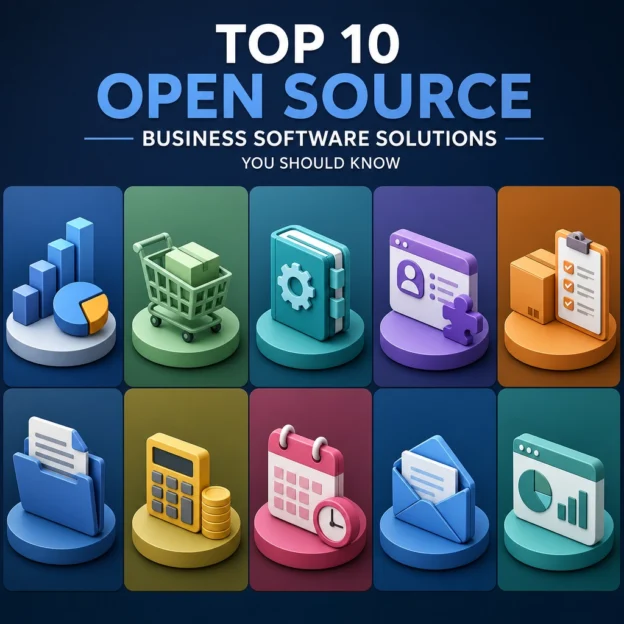
Top 10 Open Source Business Software Solutions You Should Know

Top 10 Open Source Business Software Solutions You Should Know

In today’s fast-paced business world, having the right tools can make all the difference. Luckily, open source software has come a long way, providing robust and customizable solutions for businesses of all sizes. Not only are these tools cost-effective, but they also offer flexibility that proprietary software might not. Whether you’re a startup looking to save on costs or an established company seeking to enhance your operations, here are ten open source business software solutions that you should definitely add to your radar.

1. Odoo

Odoo is an all-in-one business software that can transform various aspects of your company. It covers everything from CRM to project management and inventory control. Its modular approach allows businesses to implement just the tools they need and add more functionalities as they grow. Plus, the user-friendly interface makes it a favorite among small to medium-sized enterprises.

2. ERPNext

If you’re searching for an easy-to-use Enterprise Resource Planning (ERP) system, ERPNext could be the answer. This comprehensive solution integrates accounting, inventory, sales, and projects into a single platform. It’s particularly adept for small to medium businesses and offers a self-hosted option, giving you more control over your data.

3. Nextcloud

File storage is a crucial component of any business operation, and Nextcloud excels in providing secure file sharing and collaboration. With encryption and access controls, you can rest assured that your sensitive data is safe. Plus, with features like collaborative editing, it enhances teamwork without the cost of commercial cloud services.

4. Sentrifugo

For businesses looking to manage their HR processes more efficiently, Sentrifugo offers an impressive suite of tools. This flexible HRMS (Human Resource Management System) includes modules for performance appraisal, recruitment, leave management, and more. It’s perfect for companies ready to streamline their HR processes without spending a fortune.

5. SuiteCRM

Customer Relationship Management (CRM) is essential for growing businesses, and SuiteCRM provides a fantastic open source alternative. It helps you manage your customer interactions, offers sales automation, and provides reporting tools—all customizable to suit your unique business needs. Its community-driven development means regular updates and enhancements, keeping it on par with proprietary solutions.

6. Postfix

If email management is top of your list, Postfix is worth considering. This open-source mail transfer agent is renowned for its performance and accuracy. It’s robust enough to handle millions of emails daily, making it ideal for larger organizations. Whether you’re sending internal communication or customer outreach, it’s a reliable solution.

7. OpenProject

Managing projects can be tricky, but OpenProject makes it easier with its comprehensive planning and collaboration tools. From Gantt charts to Agile methodologies, it supports various project management styles. Whether you’re a project manager or part of a collaborative team, OpenProject has everything you need to keep projects on track.

8. Matomo

Analytics play a key role in understanding user behavior and improving business strategies. Matomo provides a powerful open-source alternative to Google Analytics. It respects user privacy while providing in-depth insights into your website’s traffic and performance. If you’re looking to delve into your audience’s habits, Matomo is a terrific option.

9. WordPress

Let’s not forget about WordPress! While it’s predominantly recognized as a blogging platform, it has evolved into a versatile content management system (CMS) that can power your entire business website. With thousands of plugins and themes, you can customize it to meet your exact needs—whether it’s an online store, portfolio, or service-based website.

10. GIMP

For businesses involved in content creation or marketing, GIMP is an invaluable tool for graphic design. This open-source image editing software provides a comprehensive suite of tools for photo retouching, image composition, and graphic creation. Directly competing with more costly software, GIMP proves that you don’t have to break the bank for professional-quality design.

Embarking on the journey of adopting open-source software can be incredibly rewarding. These tools not only help reduce costs but also foster innovation and collaboration within your organization. By embracing customizable solutions that suit your specific needs, you can improve efficiency and productivity, opening the door for new growth opportunities. So, whether you’re a freelancer, managing a startup, or overseeing a large enterprise, consider incorporating one or more of these open-source tools into your workflow. You’ll find that the flexibility and community support can make a world of difference!

Understanding Software Freedom: Why It Matters for Everyone

Understanding Software Freedom: Why It Matters for Everyone

In our increasingly tech-driven world, software is a fundamental part of our everyday life. From the apps we use on our smartphones to the programs that run our businesses, software touches nearly every aspect of our lives. But behind the scenes of this digital landscape lies a powerful concept that not everyone appreciates: software freedom. So, what exactly is software freedom, and why should it matter to you?

What is Software Freedom?

At its core, software freedom refers to the idea that users should have the liberty to run, modify, and share their software without restrictions. The term is often associated with the Free Software Movement, championed by figures like Richard Stallman. While “free” in this context usually means freedom rather than price (think of it as “free as in freedom,” not “free as in free beer”), it embodies several principles that can empower individuals and communities alike.

The Four Freedoms

To better grasp software freedom, let’s delve into the four key freedoms outlined by the Free Software Foundation:

  1. Freedom 0: The freedom to run the program as you wish, for any purpose. This means you can use the software in ways that suit your needs without having to ask for permission.

  2. Freedom 1: The freedom to study how the program works and change it to make it do what you wish. Access to the source code—the underlying blueprint of the software—is vital for this freedom.

  3. Freedom 2: The freedom to redistribute copies so you can help others. If you find a piece of software useful, why not share it with friends or colleagues?

  4. Freedom 3: The freedom to distribute copies of your modified versions to others. This way, you can help people around you by sharing improvements or adaptations you’ve made.

These freedoms promote not just individual empowerment, but collective collaboration, innovation, and community building.

Why Does Software Freedom Matter?

1. Empowering Users

In a world where we often feel like passive consumers of technology, software freedom can be a real game-changer. When you have the freedom to see how software works and alter it according to your needs, you transform from a user into an active participant. Imagine wanting to modify a tool to better suit your workflow; with proprietary software, you’re often out of luck. However, with open-source alternatives, you not only have the potential to make changes but also to learn valuable skills in coding and software development.

2. Encouraging Innovation

Software freedom fosters an environment of collaboration and creativity. When developers can freely modify software, we see a cascade of innovations. Open-source projects like Linux and Apache have thrived through communal contributions, resulting in robust, secure, and continually improving software. This collective approach often leads to solutions that might never arise in a closed ecosystem where companies prioritize profits over optimization.

3. Protecting Privacy

Privacy concerns have become paramount in our digital age, especially as companies monetize personal data. Embracing software freedom allows users to choose software that respects and protects their data. When you can access the source code, you can verify how your information is being used instead of taking a corporate entity’s word for it. In many cases, privacy-focused software adheres to the principles of software freedom, giving you the assurance that your data remains yours.

4. Facilitating Lifelong Learning

Engaging with software that you can modify and study sets up a perfect ground for lifelong learning. Whether you’re a budding programmer or someone keen on understanding technology better, having access to free software can foster curiosity and encourage exploration. This learning isn’t confined to coding; it can extend to understanding system design, project management, and collaborative teamwork.

5. Building Communities

Software freedom creates vibrant communities around shared interests and goals. Think of communities like those surrounding WordPress or Mozilla Firefox; they are built not only on shared software use but also on shared values of collaboration and mutual support. This can lead to friendships, mentorships, and networks that extend far beyond the realm of technology.

The Bigger Picture

So, why should the average person care about software freedom? Because it’s not just a developer’s issue; it impacts everyone who uses technology. It’s about having control over our digital lives, shaping a future where tech is built for people, by people, rather than for profit. As we navigate an intricately interconnected world, understanding and advocating for software freedom is not just a nice-to-have; it’s a necessity.

In a world where technology often runs unchecked, embracing software freedom encourages us to rethink our relationship with the tools we use daily. By advocating for this freedom, we’re not just supporting the development of better software—we’re nurturing a more transparent, equitable digital landscape for generations to come.

The Rise of Open Source Software: Revolutionizing the Tech Landscape

The Rise of Open Source Software: Revolutionizing the Tech Landscape

In today’s tech-savvy world, open source software (OSS) has become a buzzword that seems to pop up everywhere – from discussions about the latest software developments to entrepreneurial strategies. But what is it about open source software that makes it revolutionary, and why should you care? Let’s take a deeper dive into this transformative trend that’s changing how we create, share, and collaborate in the digital landscape.

What Exactly Is Open Source Software?

At its core, open source software is about transparency and collaboration. Unlike proprietary software, which is created and controlled by an individual or a company, open source software is made available for free, allowing anyone to view, modify, and distribute the source code. This means that if you have the skills, you can tinker with the software, fix bugs, add features, or even use it as a foundation for your own projects.

Popular examples of open source software include the Linux operating system, the Apache web server, and the Firefox web browser. These tools have become staples in the tech community, showing just how powerful community-driven projects can be.

The Benefits of Open Source Software

1. Cost-Effective Solutions

One of the most immediate benefits of open source software is its cost savings. Many businesses and individuals have turned to open source as a way to access powerful tools without the hefty price tag typically associated with commercial software. In a world where budget constraints can limit innovation, OSS provides a level playing field for startups and individuals alike.

2. Enhanced Security

While it might seem counterintuitive, open source software can actually be more secure than proprietary software. Because the source code is available for anyone to inspect, thousands of eyes can examine it for vulnerabilities. Security flaws are often identified and patched quickly due to the community’s collaborative efforts. With proprietary software, vulnerabilities can linger until the company decides to issue a fix.

3. Customizability and Flexibility

One of the standout features of open source software is its flexibility. Users can modify the software to meet their specific needs rather than being stuck with a one-size-fits-all solution. This customizability makes OSS particularly appealing for businesses looking to tailor their tools without having to rely on the original creators.

4. Community Support and Collaboration

Open source projects often have vibrant communities behind them. Users can seek help from peers, share best practices, and contribute to the project’s improvement over time. This collaborative spirit not only creates a sense of belonging but also drives innovation, as developers from various backgrounds and experiences contribute their unique insights.

The Impact on the Tech Landscape

The rise of open source software has revolutionized the tech landscape in ways that are hard to ignore. Major companies like Google, Microsoft, and IBM have embraced open source initiatives, recognizing the value they bring to business operations and innovation. For example, Google’s Android operating system, based on the Linux kernel, has become the dominant mobile platform worldwide.

Moreover, the open source movement has paved the way for new business models. Companies can leverage open source software within their offerings or provide dual licenses—offering a free version for hobbyists while charging for additional services, support, or premium features.

How to Get Involved

If you’re intrigued by the open source movement, getting involved is easier than you might think. Overwhelmed by the idea of diving into code? No worries! There are myriad ways to contribute that do not require programming skills. You could help with documentation, support forums, or even translating software into different languages.

Websites like GitHub or GitLab host countless open source projects just waiting for contributors. If you’re passionate about a particular project, jump in and see what you can offer or learn.

Why It Matters

As we look toward the future of technology, the influence of open source software will only continue to grow. In a world where user data privacy and software accessibility are hot topics, OSS stands firm in its commitment to transparency and collaboration. It democratizes technology, empowering a diverse range of creators and users to not just consume but actively contribute to the tools they rely on.

The open source movement is more than just a trend; it’s a shift in mindset that values collaboration over competition, innovation over stagnation. Whether you’re a seasoned developer or a curious newcomer, consider how you might join this exciting movement. Embracing open source could very well be the key to unlocking your own potential in tomorrow’s tech landscape.

How to Find the Right Open Source Software for Your Project

How to Find the Right Open Source Software for Your Project

In today’s tech-laden world, the importance of open source software (OSS) cannot be overstated. It’s not just a buzzword; it’s a movement that embodies collaboration and transparency. Whether you’re crafting a hobby project, building an app for your startup, or contributing to a community initiative, finding the right OSS can make a world of difference. But how do you sift through the vast landscape of options to find that perfect match? Let’s dive into some practical tips to help you navigate the open source software ecosystem.

Understand Your Project’s Needs

Before you dive into the world of open source, take a moment to get clear on your project’s requirements. Outline what features you need, what programming languages you’re using, and any specific technical constraints. This clarity will guide you toward solutions that align perfectly with your goals. For example, if you’re building a web application in Python, you’ll want to look for libraries and frameworks that are both Python-compatible and suited for web development.

Do Your Research

Once you know what you’re looking for, it’s time for some research. Start by leveraging platforms like GitHub, GitLab, or SourceForge. These repositories are like treasure troves for open source gems. You can search for projects based on keywords, language, and popularity. Additionally, community forums like Reddit or Stack Overflow can offer insights and recommendations from experienced developers who have been in your shoes.

Check The License

Not all open source software operates under the same license, and understanding these differences is crucial. The license dictates how you can use, modify, and distribute the software. For instance, if you’re looking for code you can modify and use without restrictions, you might want to look into the MIT License or the Apache License. Conversely, if you don’t want the hassle of having to open source your derivatives, stear clear of GNU General Public License (GPL) projects. Always read up on licensing terms before making your decision!

Assess the Community and Support

One of the standout features of open source software is its community. A vibrant community means better support when you hit a snag. Look for projects that have active forums, frequent updates, and a strong presence on social media platforms. The README file on GitHub can also provide insights into how engaged a project’s maintainers are with their users. Additionally, check out the issue tracker to see if they are promptly resolving bugs or feature requests.

Evaluate Documentation

Good documentation is everything! It’s your roadmap to understanding how the software works and how to implement it effectively. Look for projects that provide comprehensive guides, tutorials, and examples. If the documentation is lacking, it might indicate that the project is still in its infancy or isn’t well-supported. In essence, if you struggle to understand the documentation, you might also struggle to use the software effectively.

Look for A Similar Experience

If you’re leveraging existing software to build on, consider how similar projects have approached their solutions. Check out case studies, blogs, or even videos where others have shared their experiences using particular open source software. This not only gives you practical insights but can also help you identify any quirks or challenges that may not be documented.

Test It Out

Once you have a shortlist of potential candidates, it’s time to roll up your sleeves and give them a whirl. Many open source projects allow you to clone, download, or use a demo version to test their functionalities. Create a small prototype or proof of concept to see how well the software fits your needs. This hands-on testing can help you get a better feel for the software and its capabilities.

Keep an Eye on Future Viability

In the fast-paced world of technology, you want to ensure that the software you choose isn’t going to fall by the wayside. Check the last commit date and assess how active the project has been. A project that hasn’t been updated in a while may not only lack new features but could also suffer from security vulnerabilities that are left unpatched.

Finding the right open source software for your project may initially seem daunting. However, by taking the time to understand your needs, researching your options, and actively engaging with communities, you’re equipping yourself with the tools to make a well-rounded decision. The journey into the open source realm can lead you to discover not only the perfect software for your project but also a community of innovators, creators, and passionate individuals who share your interests. Before you know it, you might just find yourself recommending OSS to others!

Building a Sustainable Business Model Around Open Source Software

Building a Sustainable Business Model Around Open Source Software

Open source software (OSS) has revolutionized the way we think about technology, collaboration, and, of course, business. The beauty of OSS lies in its philosophy of openness and community contribution, but this can present challenges when it comes to monetizing such projects. So, how do you build a sustainable business model around open source software? Let’s dive into some strategies that can help you achieve just that.

Embrace Community and Collaboration

At the heart of open source software is a community of developers and users, each contributing their skills and knowledge. To build a sustainable business model, you need to foster and nurture this community. Engage developers, create forums or chat channels, and host events (virtually or in-person) to bring people together.

When your community feels valued and included, they’re more likely to contribute to the project, which can enhance the software’s capabilities and improve its reputation. Plus, a vibrant community can help with customer support, marketing, and even contribute to the codebase, which leads to a healthier, evolving product.

Offer Premium Features and Services

While the core of your software might be open source, there’s always room to enhance the experience with premium features or services. Think about what additional functionality people might be willing to pay for. This could include advanced features, cloud hosting options, or even priority support.

For example, Red Hat built a thriving business by providing support and added services around their open source Linux distribution. This way, while the base product is free, they monetize their expertise and the value added through premium services.

Create Value with Subscription Models

Subscriptions are becoming a go-to model for many businesses today, including those in the open source realm. By offering a subscription for additional services, updates, or support, you can create a steady revenue stream. This model works particularly well if you can show your users the tangible benefits of subscribing.

For instance, consider integrating analytics or advanced reporting tools that subscribers can access. Regular updates or exclusive content can also enhance the value of subscription plans, ensuring users feel they are getting their money’s worth.

Explore Dual Licensing

Dual licensing is another effective strategy for open source projects. This means you offer your software under two different licenses: an open source license for community users and a commercial license for businesses that require proprietary rights or additional services.

This model allows companies that prefer the convenience and legal assurances of a commercial license to pay for those advantages while still maintaining a thriving open source community. It’s a win-win situation—users can choose what best suits their needs, and you have the opportunity to make money from businesses that need more than what your free offerings provide.

Leverage Sponsorships and Donations

If you have built a solid community and created a valued product, you might find that sponsorships and donations come naturally. Platforms like GitHub Sponsors, Open Collective, and Patreon allow developers and organizations to financially support projects they love. This can be a viable strategy to fund ongoing development, maintenance, and community-building efforts.

Make it easy for users who are benefiting from your software to contribute back—whether that’s through a simple donation link on your website or by creating compelling content around the impact of their support.

Invest in Education and Training

Offering training and certification around your open source software can bring in revenue while simultaneously empowering users. Whether that’s through formal training sessions, workshops, or creating online courses, teaching others how to use or contribute to your software can build a robust ecosystem around it.

This not only generates income but also spreads knowledge, and a well-informed community is a thriving community. As users become proficient, they’re more likely to become contributing members, enhancing the software further and attracting more users.

Conclusion

Building a sustainable business model around open source software isn’t just about making a profit; it’s about fostering a community and creating real value. By embracing collaboration, offering premium services, exploring dual licensing, leveraging sponsorships, and investing in training, you can not only keep your project vibrant and thriving but also develop a profitable business.

The open source world is rich with opportunities and innovative ideas, so don’t be afraid to get creative. Focus on what you’re passionate about and what your users truly need, and you’ll find that sustainability is not just a goal—it can be a rewarding reality.

Software Freedom and Digital Rights: What You Should Know

Software Freedom and Digital Rights: What You Should Know

In an increasingly digital world, the concept of software freedom and digital rights is more relevant than ever. From the apps we use daily to the operating systems that run on our devices, the choices we make about software can have wide-reaching implications on our freedom and privacy. So, what exactly do we mean when we talk about software freedom and digital rights? Let’s dive in!

Understanding Software Freedom

Software freedom refers to the idea that users should have control over the software they use. It encompasses the right to use, study, modify, and share software without undue restrictions. This concept is often contrasted with proprietary software, which is where a company retains control over how software is used and distributed.

At the heart of software freedom is the "Four Essential Freedoms" proposed by the Free Software Foundation:

  1. Freedom to run the program as you wish, for any purpose (freedom 0): You should be able to use software in any way you see fit without facing restrictions.

  2. Freedom to study and change the program (freedom 1): You should have access to the source code so you can modify it according to your needs.

  3. Freedom to redistribute copies (freedom 2): You should be able to share software with others, whether it’s a version you’ve altered or the original version.

  4. Freedom to distribute modified versions (freedom 3): You should be able to share improvements or changes you’ve made, helping to foster an inclusive and innovative community.

Understanding these freedoms is essential, especially as we frequently interact with technology that may not prioritize user rights.

The Importance of Digital Rights

Digital rights extend beyond software freedom to cover a broader range of issues relating to our online lives. They encompass various aspects of how technology affects our rights to privacy, freedom of expression, and access to information.

Here are some key areas to consider:

1. Privacy Protection

With the rise of tech companies collecting vast amounts of user data, privacy has become a significant concern. Digital rights advocate for the protection of personal data, ensuring individuals have a say over how their information is collected, used, and shared. Your internet browsing history, social media interactions, and even your shopping habits are often monitored. Understanding your rights can empower you to safeguard your privacy.

2. Freedom of Expression

The internet is a powerful platform for free speech and public discourse, but it can also be a double-edged sword. Digital rights advocate for the protection of individuals’ rights to express themselves freely online. This includes recognizing the importance of safe spaces for marginalized voices and ensuring that censorship does not stifle creativity and innovation.

3. Access to Information

In a knowledge-driven society, access to information is crucial. Digital rights support the idea that everyone should have access to knowledge and educational resources, regardless of their socioeconomic background. This principle is essential in a world where a digital divide exists, often leaving some communities behind.

The Role of Open Source Software

Open-source software plays a pivotal role in the movement for software freedom and digital rights. This type of software has made significant strides in promoting transparency, security, and user control. Because its source code is available for anyone to inspect, developers can spot vulnerabilities or unethical practices within the software. Plus, it encourages collaboration and innovation, as anyone can contribute to improving the software.

Some examples of widely-used open-source software include the Linux operating system, Mozilla Firefox, and the LibreOffice suite. By choosing open-source alternatives, you’re not just opting for potentially more secure and adaptable software; you’re also supporting a philosophy of freedom and communal ownership.

Taking Action

So how can you get involved? Awareness is the first step. Understanding your rights and the implications of the software you use can help you make informed choices. Here are a few practical tips:

  • Choose open-source software whenever possible. The more you use software that aligns with the principles of freedom and transparency, the more you contribute to the larger movement.

  • Educate yourself and others about digital rights and software freedom. Share information with friends and family to raise awareness in your community.

  • Advocate for change by supporting policies that protect digital rights, whether at a local or global level. Many organizations are dedicated to this cause, and your voice can make a difference.

In the age of technology, software freedom and digital rights matter more than ever. By understanding and supporting these principles, you can help ensure that our digital future is one where everyone has access to the freedom, privacy, and security they deserve. So the next time you download an app or use a program, take a moment to consider the larger implications of your choices. Your digital rights are in your hands!