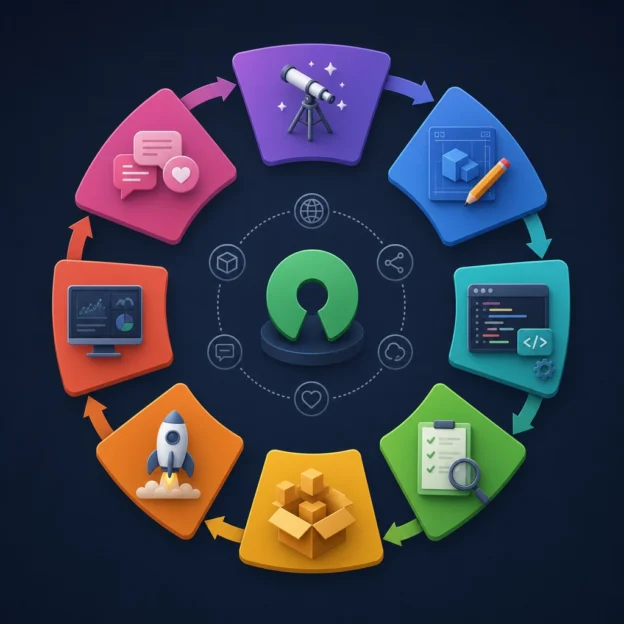
The Impact of Open Source Software on Innovation

The Impact of Open Source Software on Innovation

In the digital age, innovation seems to be happening at lightning speed. From the apps we rely on daily to the complex software that powers our industries, it feels like creativity knows no bounds. A significant driver behind this rapid development is open-source software. If you’ve ever used software like Linux or contributed to projects on GitHub, you’ve likely experienced firsthand the transformative effect of open-source development. But what exactly does "open source" mean, and how has it fueled innovation globally? Let’s dive in!

What is Open Source Software?

Open-source software (OSS) is software that anyone can use, modify, and distribute. The source code—the underlying code that makes a program work—is freely available for anyone to tinker with. This model stands in contrast to proprietary software, where the code is kept secret and only the owner has control over its modifications and distribution.

The open-source philosophy promotes transparency, collaboration, and community engagement. Think of it as a giant potluck dinner, where everyone brings their dish to the table and shares it with others. This approach doesn’t just create more food (or in this case, software)—it adds variety and encourages unexpected combinations that might lead to something extraordinary.

Driving Collaboration and Sharing

One of the most significant impacts of open-source software is its ability to foster collaboration among developers. In the traditional model of software development, teams often work in isolation, driven by deadlines and competitive pressures. However, with OSS, developers from all corners of the globe can come together to solve problems and improve software collectively.

Take the case of the Apache HTTP Server, for example. Started as a small project by a few volunteers, it has since become one of the most used web servers in the world, powering around 30% of all websites. This achievement wouldn’t have been possible without the contributions of countless developers, each adding their unique twist and improvements to the project.

Lower Barriers to Entry

Another major advantage of open-source software is that it lowers the barriers to entry for new developers. Traditionally, entering the software development field might require expensive tools and proprietary licenses. However, open-source tools are readily accessible. This accessibility means that anyone with an internet connection can explore programming and contribute to innovative projects, unleashing a wave of creativity and talent.

Many computer science graduates learn the ropes through their contributions to open-source projects, honing their skills in real-world environments. This influx of new ideas stimulates innovation and ensures that the community remains vibrant and forward-thinking.

Accelerating Progress

Innovation thrives on iteration, and open source allows for rapid prototyping and testing of new ideas. Since anyone can contribute to a project, the feedback and improvement cycles happen much faster than in traditional software environments. This fast-paced development encourages companies and individual developers alike to take risks, experiment, and push boundaries.

In sectors like healthcare and education, OSS has led to the creation of countless tools that might not have been possible in a closed environment. For example, the OpenMRS project—a platform that enables health information management—has revolutionized how healthcare systems handle patient data, especially in resource-limited settings.

Empowering Communities

Beyond just code, open-source software has an altruistic side that often leads to the empowerment of communities. Many open-source initiatives focus on solving specific societal challenges—be it in education, public health, or environmental sustainability. Projects like Mozilla’s Open Badges aim to create a new system for recognizing skills and achievements, which can be particularly revolutionary in underserved areas.

These projects empower individuals and communities worldwide by equipping them with tools they can control and adjust according to their needs, fostering self-sufficiency and innovation at a grassroots level.

Navigating Challenges

Despite its immense benefits, open-source software isn’t without its challenges. Issues like compatibility, security vulnerabilities, and funding constraints frequently arise. However, the community is often quick to rally and address these concerns. Moreover, organizations like the Open Source Initiative work tirelessly to promote and protect open-source software, ensuring it continues to thrive.

Closing Thoughts

The impact of open-source software on innovation is undeniable. It encourages collaboration, democratizes access to technology, and fosters a spirit of community that drives progress at an unprecedented scale. As we move deeper into the 21st century, we can expect open-source initiatives to continue breaking down barriers, empowering individuals, and igniting creativity across the globe.

Embracing its potential is not just about coding or software development—it’s about building a more inclusive, innovative future where everyone has a seat at the table. So the next time you download a piece of open-source software or write some code for a project, remember: you’re part of a global movement that transforms how we create, share, and innovate.
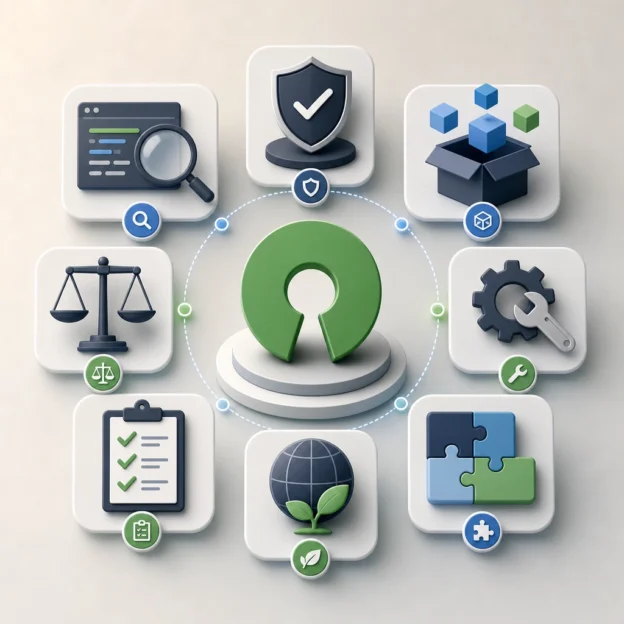

Best Practices for Using Open Source Software Responsibly

Best Practices for Using Open Source Software Responsibly

Open source software (OSS) has changed the game for developers and users alike. Its collaborative nature allows for innovation at an unprecedented pace, while providing an array of tools and applications available for free or at a reduced cost. However, with great power comes great responsibility! Using open source software responsibly is crucial not just for your projects, but for the entire community. Here’s how you can make the most of OSS while being a good steward of its potential.

1. Understand the License

Before diving headfirst into an open source project, take the time to understand the licensing terms. Open source software isn’t "free" in the way you might think; it comes with obligations and conditions. For instance, GNU General Public License (GPL) requires that you share any modifications you make, while MIT License has more permissive terms. Knowing the license will help you comply with legal obligations and respect the work of the original developers.

2. Contribute Back

One of the beautiful aspects of the open source community is its collaborative spirit. If you’ve benefited from a piece of software, consider giving back. This could take the form of code contributions, reporting bugs, or even just providing feedback. If coding isn’t your forte, you could help with documentation or translations. Every bit helps to improve the software and support the developers behind it. It’s all about building a cycle of growth and support.

3. Stay Updated

Open source projects are often rapidly updated to fix bugs, patch security vulnerabilities, and introduce new features. Staying informed about updates will ensure that you’re using the latest and most secure version of the software. Subscribe to project newsletters, follow their repositories on platforms like GitHub, or join community forums to keep track of changes. This will not only enhance the performance of your applications but also protect them from potential threats.

4. Be Mindful of Security

While open source software is generally safe, it isn’t immune to vulnerabilities. Be proactive in addressing security issues by auditing the software you’re using. Tools such as OWASP Dependency Check can help identify vulnerabilities in your dependencies. Moreover, if you discover a flaw or bug, report it according to the project’s guidelines, allowing the maintainers to rectify it quickly. Taking these steps helps maintain the integrity of the software for everyone.

5. Respect the Community

Open source is not just about the software; it’s about the people who create and maintain it. Respectful communication is key when interacting in forums, issue trackers, and contribution discussions. If you come across a bug, file it politely and provide as much detail as possible. If you’re requesting a feature, explain the need behind it thoughtfully. Remember, these developers often work on these projects in their spare time, motivated by passion rather than profit.

6. Choose Wisely

Not all open source projects are created equal. When selecting software for a project, consider its maturity, community size, and active maintenance. A well-supported project with a healthy community is often a safer choice than one that hasn’t been updated in years. Look for documentation, user feedback, and the number of contributors as indicators of a project’s viability.

7. Educate Yourself

Understanding the principles of open source software goes a long way in preventing misuse and promoting best practices. Take the time to learn about the fundamentals of software development, licensing, and the open source ecosystem. There are numerous courses, webinars, and resources available that can help you gain a deeper understanding. Equipping yourself with this knowledge enhances not only your skills but also contributes positively to the community.

8. Be Transparent

Transparency in your use of open source software is vital, especially if you’re developing commercial applications. Clearly document the OSS components you’re utilizing in your project. This not only helps you comply with license requirements but also instills trust with your users. They’ll appreciate the openness and will be more likely to support your endeavors.

Using open source software responsibly is a reflection of your commitment to the developer community and the values behind these collaborative projects. By understanding licenses, contributing back, staying updated, being mindful of security, communicating respectfully, choosing wisely, educating yourself, and being transparent, you can enrich your experience and help foster a thriving open source ecosystem. Each small effort contributes to a larger movement, encouraging innovation and creativity while ensuring that the spirit of collaboration remains strong. Now, go forth and code with purpose!

How to Manage Open Source Compliance in Your Business

How to Manage Open Source Compliance in Your Business

Open source software has revolutionized the way companies operate, offering flexibility and innovation at a fraction of the cost of proprietary solutions. But while embracing these benefits, businesses must tread carefully to ensure compliance with open source licenses. Navigating this complex landscape can seem daunting, but with a little know-how and some proactive strategies, you can protect your business while enjoying the fruits of the open-source community.

Understanding Open Source Licensing

Before diving into compliance, it’s crucial to understand that open source software is governed by various licenses, each with its own rules. Some popular licenses include the GNU General Public License (GPL), MIT License, and Apache License. Each of these has different requirements for how the software can be used, modified, and redistributed.

For instance, the GPL is quite strict; it requires that any software derived from a GPL-licensed project must also be open source under the same license. On the other hand, the MIT License is more permissive, allowing you to incorporate the software into proprietary projects without the same obligation. Knowing the differences between these licenses will help you know what you can and can’t do with the software you use.

The Importance of an Open Source Policy

Implementing a clear open source policy is vital for effective compliance management. This policy should outline how employees can use, share, and contribute to open source projects. It should also detail the approval process for integrating open source software into your projects. A well-defined policy not only protects your business legally but also fosters a culture of compliance among your team.

When creating your policy, consider including the following components:

  1. Education: Offer training sessions for your employees about open source licenses and their obligations.
  2. Approval Process: Establish clear guidelines for how open source software can be evaluated and approved for use within your projects.
  3. Documentation: Encourage thorough documentation of any open source software used, including the license details, source of the software, and notes on any modifications made.
  4. Compliance Checks: Make compliance checks a part of your regular workflow, assessing how open source components are being used and identifying any potential risks.

Tools and Resources for Compliance

There are several tools and resources available to help businesses manage open source compliance effectively. Automating your compliance checks can save you time and reduce the risk of human error. Some popular tools include:

  • Black Duck: This is a comprehensive software composition analysis tool that helps you track open source components and their licenses.
  • FOSSA: FOSSA provides real-time tracking of open source licenses, enabling businesses to stay on top of compliance as they develop software.
  • WhiteSource: With automated open source compliance and security tracking, WhiteSource is another valuable tool in the compliance toolkit.

These tools can help you identify vulnerabilities in your codebase, monitor compliance, and keep track of license renewals or changes.

Engaging with Open Source Communities

Becoming active in open source communities can help your business stay informed about best practices and emerging trends in compliance. By engaging with developers, project maintainers, and other companies, you can learn how to navigate the complexities of open source licensing more effectively.

Consider sponsoring or contributing to open source projects. This not only solidifies your company’s commitment to the open source ethos but can also result in better relationships with the community. Networking within these circles might even offer insights into compliance challenges your peers have faced, and how they overcame them.

Developing an Internal Review Process

Finally, establishing an internal review process is crucial for maintaining compliance as your projects change and evolve. This can involve regular audits or checkpoints to ensure that any new software components adhere to your open source policy.

Encourage team collaboration in reviewing open source components before they’re integrated into your projects. This collective effort ensures that the risks are evaluated from multiple perspectives, heightening everyone’s awareness of compliance issues.

By implementing a solid infrastructure for managing open source compliance, you can focus on leveraging innovative solutions without the fear of unexpected legal pitfalls. Remember, open source is meant to fuel collaboration and creativity; by honoring the licenses and playing by the rules, you’re giving back to the very community that has enriched your business. As with anything in business, balance is key. Stay informed, remain vigilant, and enjoy the open source revolution with confidence!

Understanding the Software Development Life Cycle of Open Source Projects

Understanding the Software Development Life Cycle of Open Source Projects

In the fast-paced world of technology, open source projects have become a beacon of innovation and collaboration. With thousands of developers and users contributing to their development, open source software (OSS) thrives on transparency, community engagement, and shared knowledge. But how does all of this really come together? That’s where the Software Development Life Cycle (SDLC) comes into play. Let’s dive in and explore how the SDLC functions within the realm of open source projects.

What is Software Development Life Cycle (SDLC)?

The Software Development Life Cycle is a structured process that outlines the stages of software development, from initial concept to deployment and maintenance. It provides a clear framework for teams to follow, ensuring that projects are completed efficiently, meet user requirements, and are delivered on time. The SDLC typically encompasses several key phases: planning, design, development, testing, deployment, and maintenance.

In the context of open source projects, these stages might look a bit different, but the core principles remain the same.

Phase 1: Planning

Every successful project begins with a solid plan. In open source development, this phase often starts with a proposal or an idea outlined in a project’s README file or a dedicated wiki. Communities gather to discuss the project’s goals, define its scope, and identify potential contributors. This is also when a roadmap is created, providing a timeline and defining key features or milestones.

Collaboration platforms like GitHub and GitLab are commonly used to manage discussions, track planning notes, and gather feedback from potential users and contributors. Engaging early with the community ensures that the project’s vision aligns with the users’ needs and fosters a sense of ownership.

Phase 2: Design

Once the planning stage is solidified, it’s time to move on to design. In this phase, developers outline the architecture of the software and create documentation to guide future contributors. This might include designing user interfaces, defining APIs, or outlining the overall structure of the codebase.

One standout feature of open source projects during this phase is the accessibility of design documents. These are typically made available to anyone interested, allowing for community input and suggestions. This collaborative design approach not only improves the final product but also educates new contributors on best practices.

Phase 3: Development

Now we get to the exciting part—actual development! In open source projects, this phase usually involves many contributors working on the code simultaneously. Developers often use Git for version control, enabling them to collaborate seamlessly, even when working in different time zones.

This phase can vary widely depending on the project’s complexity. Some projects may have a core team that manages the main codebase while encouraging others to contribute through forks and pull requests. Others might operate with a more decentralized approach where anyone with the right skills can contribute code directly.

Participation often comes with guidelines and coding standards to maintain quality, which are commonly documented in the project’s main repository. Clear contributions and coding guidelines help foster a sense of community, encouraging even those new to programming to get started.

Phase 4: Testing

Testing is critical to ensure that the software functions as intended and is free of bugs. In open source projects, this phase is usually carried out concurrently with development. Many developers engage in test-driven development (TDD), which promotes writing tests before coding to ensure all features are validated from the start.

Automated testing tools are often utilized, and community testers may also help identify bugs during pre-release phases. Open source projects frequently prioritize user feedback, and issues can be reported directly by users to be addressed in future iterations.

Phase 5: Deployment

When the code is thoroughly tested and is functioning well, it’s time for deployment. Open source projects generally have multiple deployment options based on user preference, from packaged distributions to live demos. Detailed deployment guides ensure that users can easily set up and use the software.

The open source nature means that deployment isn’t the end; it’s often just the beginning of ongoing user feedback and further changes. Every deployment can lead to new discussions, feature requests, or bug reports.

Phase 6: Maintenance

The journey doesn’t end with deployment. Maintenance is an ongoing responsibility for open source projects. This may involve fixing bugs, updating features, writing documentation, and responding to user inquiries. Staying active in maintaining the project ensures longevity and continued relevance, which is essential in a constantly evolving tech landscape.

Active engagement from the community can be a game changer in this phase. With many eyes on the project, issues can be spotted and resolved quickly. Plus, this collaborative spirit can help mentor new contributors and foster a continual flow of fresh ideas.

The SDLC of open source projects exemplifies the power of collaboration, transparency, and community-driven innovation. Each phase, from planning to maintenance, is enriched by diverse perspectives and expertise, making open source not just about the code but about the community working together to achieve a common goal. As tech enthusiasts, users, and developers alike, we’re witnessing not just the evolution of software but also the transformation of how we think about creation in the digital age, proving that together, we can build something truly remarkable.

The Pros and Cons of Open Source Software in Business Environment

The Pros and Cons of Open Source Software in a Business Environment

In recent years, the phrase "open source software" (OSS) has become a hot topic in the tech world—and for good reason. Imagine being able to use a piece of software that’s not just free but also endlessly customizable. For businesses of all sizes, this idea is incredibly appealing. But as with any shiny new tool, open source software comes with its own set of ups and downs. So, let’s dig into the pros and cons of open source software in a business environment!

The Sweet Benefits of Open Source

1. Cost-Effectiveness

One of the biggest draws of open source software is the cost savings. Most open source programs are free to download and use, meaning businesses can save a significant amount on licensing fees. For startups and small businesses, this can free up resources that can be better spent on growth, marketing, or even employee salaries.

2. Flexibility and Customization

With open source software, you’re not stuck with fixed features and capabilities. Because the source code is openly available, businesses can modify it to meet their specific needs. This flexibility allows companies to craft solutions that perfectly align with their workflows rather than forcing employees to adapt to a pre-made tool.

3. Community Support and Collaboration

Open source projects often have vibrant communities behind them. These communities can be invaluable for troubleshooting and support. If you encounter an issue, the likelihood is that someone else has faced the same problem and can help. Furthermore, you can contribute back to the community, fostering a spirit of collaboration and collective problem-solving.

4. Enhanced Security

It may seem counterintuitive, but open source software is often seen as more secure than proprietary tools. With the code being available for anyone to inspect, vulnerabilities can be spotted and fixed more rapidly than in closed systems. Plus, a wide array of eyes on the software can make the security checks more comprehensive.

5. The Feel-Good Factor

Let’s face it: using open source software can make you feel good about your decisions. Supporting open source encourages innovation and democratizes technology, allowing small players to compete in a field often dominated by giants. It feels good to be part of a community that values sharing and collaboration.

The Not-So-Sweet Downsides

1. Technical Skill Requirement

While the flexibility of open source software is a plus, it often comes with a catch: the need for technical expertise. Customizing OSS may require in-house developers or hiring consultants who are well-versed in the software to get the most out of it. For businesses with limited IT resources, this can be a significant hurdle.

2. Support Limitations

Despite the thriving communities that many OSS projects can boast, the level and quality of support can be inconsistent. Unlike proprietary software, which usually comes with dedicated customer service, help for OSS might take the form of forum discussions and unofficial channels. If something goes awry, you might find yourself on your own, piecing together a solution with mixed results.

3. Integration Challenges

Integrating open source software with legacy systems can be tricky. While modern OSS tools often offer various APIs and compatibility standards, older systems may not play nicely with them, leading to costly workarounds or inconvenient compromises.

4. Documentation Issues

Documentation for open source software can also vary in quality. Some projects are well documented, while others lack adequate guidance, making it difficult to navigate new features or troubleshoot problems. If you can’t find a reliable reference, it may feel like you’re stuck in a maze without a map.

5. Hidden Costs

While open source software itself may be free, related costs can sneak up on you. Custom development, ongoing maintenance, training for employees, and potential support subscriptions can add up, turning that free software into a pricey endeavor.

The Takeaway

Ultimately, the decision to adopt open source software in a business environment boils down to weighing these pros and cons against your specific needs and capabilities. It offers fantastic opportunities for cost savings, flexibility, and community support—but also presents challenges in terms of required technical skills and support limitations. For many businesses, particularly smaller ones or those with dedicated tech talent, the benefits can far outweigh the drawbacks.

If your company is curious about dipping its toes into open source, do your homework, engage with the community, and assess your internal capabilities. The right open source software can not only meet your business needs but also help foster innovation and create a culture of collaboration that your team will appreciate.

Can Open Source Boost Your Software Development Process?

Can Open Source Boost Your Software Development Process?

In the fast-paced world of software development, efficiency and innovation are crucial for success. With new methodologies, frameworks, and technologies emerging every day, developers are constantly seeking ways to streamline their work and enhance productivity. One fascinating area that has gained considerable attention is open-source software. But can it actually give your software development process the boost it needs? Let’s dive in!

What is Open Source?

First things first, let’s clarify what we mean by open source. Open-source software is software whose source code is made available for anyone to inspect, modify, and enhance. This approach contrasts with proprietary software, where the source code is closely guarded and restricted. Some popular examples of open-source software include Linux, Apache, and Mozilla Firefox. The key philosophy behind open source is collaboration and sharing—making it available to anyone who wants to contribute.

The Benefits of Open Source in Software Development

1. Community Collaboration

One of the most significant advantages of open source is the vibrant communities that often surround these projects. When developers collaborate on open-source projects, you tap into a vast pool of knowledge and expertise. You can ask for help, get feedback, or collaborate on enhancements in a supportive environment. This shared ethos fosters a sense of community, where everyone is committed to improving the software, which can lead to innovative solutions and faster problem-solving.

2. Cost-Effective Solutions

Let’s face it: development costs can add up quickly. Opting for open-source software can help reduce expenses significantly. Instead of investing in expensive licenses or proprietary tools, many developers find high-quality open-source alternatives that serve their needs without the associated costs. Instead of draining your budget, you’ve got more resources to invest in your team or other critical areas of your project.

3. Faster Development Cycles

With numerous ready-made libraries and frameworks available in the open-source realm, developers can avoid reinventing the wheel. Want to add a graphic interface? There’s probably an existing library that can help you do just that. By utilizing these resources, you can expedite your development process and allocate more time to building unique features or functionalities that set your software apart from the competition.

4. Flexibility and Customization

Proprietary software often comes with a fixed set of features, which can be limiting. Open-source software allows you to tailor solutions to fit your specific needs. If a component isn’t working quite right, you have the freedom to modify the code. You can also integrate different open-source components to create a more streamlined and cohesive development workflow. This level of flexibility ensures that the software you build is as user-friendly and efficient as possible.

5. Increased Security and Transparency

It may seem counterintuitive, but open-source projects can often be more secure than their closed counterparts. Since the source code is open for scrutiny, a larger number of eyes can spot vulnerabilities and bugs quickly. Numerous developers work to uncover and patch security flaws, often leading to more robust and secure software. The transparency involved also builds trust, as users can check for themselves how their data is being handled.

6. Skill Development

Working with open-source software presents a unique opportunity for developers to hone their skills. Contributing to projects exposes you to real-world coding practices, peer reviews, and collaboration strategies. This hands-on experience can be invaluable for growing your expertise and building a robust portfolio as you engage with other professionals in the field.

Considerations Before Jumping In

While the benefits of open source are substantial, it’s essential to approach it with a balanced perspective. Not every open-source tool will be the right fit for your project, and some might lack adequate documentation or support. It’s crucial to evaluate your choices and consider community activity and project longevity.

Additionally, navigating and integrating open-source solutions can come with challenges, especially when handling dependencies or ensuring compatibility with existing code. Be prepared to invest time in learning and troubleshooting to make the most of these tools.

A Boost for the Future

Open-source software is more than just an alternative; it’s a revolutionary approach that could transform your software development process. By embracing collaboration, cost-effectiveness, flexibility, and community support, you can elevate your projects and empower your team.

As our industry moves forward, the role of open-source is likely to grow even more significant, shaping the way we build and maintain software in an increasingly connected world. So whether you’re an experienced developer or just starting out, give open source a chance—you might find it to be the perfect ingredient to spice up your development process!

Building and Sustaining Open Source Communities

Building and Sustaining Open Source Communities

Open source software is much more than just lines of code; at its heart, it’s about people. Developers, designers, writers, and users come together to contribute, collaborate, and innovate in ways that proprietary software simply cannot match. However, fostering a thriving open source community requires dedication, savvy, and a bit of heart. So, how do we build and sustain these vibrant networks of contributors? Let’s dive into it!

Start with a Vision and Mission

Every successful open source project begins with a clear vision and mission. It’s essential to articulate not just what the software does, but why it exists. This creates a sense of purpose that resonates with potential contributors. Perhaps your project is aimed at democratizing technology, making it accessible for all users, or providing innovative solutions to everyday problems. Whatever the goal, make sure it’s easy to grasp and compelling so that others want to rally behind it.

Create an Inclusive Space

Inclusivity is a cornerstone of open source communities. Your project should welcome people from diverse backgrounds, cultures, and skill levels. Start by acknowledging different experiences and perspectives. Use friendly language in your documentation and communication channels, and provide accessible onboarding material. Make sure your community guidelines promote respect and kindness. Having mentors to support newcomers can also ease feelings of intimidation, helping to nurture early contributors into long-term community members.

Foster Collaboration

Collaboration is the lifeblood of open source. Use platforms like GitHub or GitLab not just for code, but as spaces to foster discussions, brainstorm new ideas, and troubleshoot problems together. Create easy-to-follow contribution guidelines that outline how newcomers can jump in. Whether it’s fixing bugs, writing documentation, or adding new features, allowing contributions from varied skill sets is crucial. Also, organize regular meetings, calls, or online hangouts to keep lines of communication open and encourage active participation.

Celebrate Contributions

Everyone loves a little recognition. Celebrating the contributions of your community members can boost motivation and morale. Create a ‘Thank You’ section in your project’s documentation or hold regular shout-outs on social media or during community meetings. Consider creating a contributor badge system that recognizes various levels of contribution. Each contribution, whether big or small, helps move the project forward, and acknowledging this reinforces a positive culture within the community.

Provide Resources and Training

Some community members may be eager to contribute but might feel overwhelmed by the technology or processes. Offering resources, tutorials, and workshops can empower them to get involved and be productive contributors. For instance, you could create a wiki that includes coding best practices, guides on how to use collaborative tools, or videos that explain complex topics in simpler terms. Regular training sessions can also help demystify the technology stack used in your project.

Keep the Conversation Going

Communication is key in any community. Use platforms like Slack, Discord, or mailing lists to keep conversations flowing. Encourage community members to share ideas, challenges, and solutions openly. Hold regular community calls or forums where individuals can bring any topic to the table. This encourages transparency and helps everyone feel more connected. Plus, frequent interactions can lead to organic collaborations that might not have happened otherwise.

Be Open to Feedback

Engaging with your community means actively seeking and being open to feedback. Regularly ask for input on project direction, new features, or even community practices themselves. This can help ensure that contributions align with the community’s needs, and it shows that you genuinely value the perspectives of your members. Whether it’s a formal survey or informal discussions, being receptive to feedback can foster a culture of trust and shared ownership.

Plan for Sustainability

While it’s exciting to launch a new project and watch a community grow, it’s equally crucial to think about longevity. Consider the sustainability of your project by planning for maintenance and support. Establishing a governance model can help ensure that responsibilities are clear and that newcomers know who to reach out to for help. As your project matures, consider how to attract funding or sponsorship that can support ongoing development and community activities.

Building and sustaining an open source community is no small feat, but the rewards are immense. Not only do you create software that can change lives, but you also foster a network of passionate individuals who are united by a common cause. This spirit of collaboration and shared vision can lead to innovative solutions unimaginable when working in isolation. So, whether you’re just starting or looking to reinvigorate an existing community, remember that at the heart of open source lies a celebration of shared knowledge, collective growth, and the sheer joy of creation.

Creative Commons and Open Source: What You Should Know

Creative Commons and Open Source: What You Should Know

In today’s digital world, sharing ideas, art, and software has never been easier—or more important. As creators, contributors, and consumers, understanding how to navigate the waters of copyright and licensing can feel like a daunting task. That’s where Creative Commons and open-source licenses come into play. These are two powerful tools designed to foster a culture of sharing while respecting the rights of creators. Let’s dive into these concepts and explore what they mean for you.

What Are Creative Commons?

Founded in 2001, Creative Commons (often abbreviated as CC) is a nonprofit organization that helps creators share their work with the world while retaining certain rights. It provides a suite of free, easy-to-use licenses that allow creators to express how they want their work to be used. Think of it as a way to give permission in advance.

Creative Commons licenses allow people to use works legally without having to ask permission each time. They come in several flavors:

  1. CC BY: Lets others distribute, remix, adapt, and build upon the original work, even commercially, as long as they credit the creator.
  2. CC BY-SA: Similar to CC BY but requires derivative works to be licensed under the same terms.
  3. CC BY-ND: Allows others to use the work commercially but prohibits modifications, ensuring the original work remains unchanged.
  4. CC BY-NC: Lets others remix, tweak, and build upon the work non-commercially, while giving credit to the creator.
  5. CC BY-NC-SA: Similar to BY-NC but requires derivative works to be licensed under the same terms.
  6. CC BY-NC-ND: The most restrictive license, allowing others to download and share the work as long as they credit the creator, but no modifications or commercial use.

This system encourages collaboration, giving creators the flexibility to choose how their work is used while encouraging the public to share and innovate.

The World of Open Source

On the other side, we have open-source software. The open-source movement began in the late 1970s and gained significant momentum in the late 1990s, advocating for the idea that software should be free to use, modify, and distribute. Open-source software typically comes with a license that specifies how it can be used. Popular open-source licenses include the GNU General Public License (GPL), the MIT License, and the Apache License.

The beauty of open-source software lies in its collaborative nature. When someone discovers a bug or wants to enhance a feature, they can dig into the code and make those changes. This openness improves software quality, fosters innovations, and builds strong communities around projects.

The Overlap and Differences

At first glance, Creative Commons licenses and open-source licenses might seem similar—they both promote sharing and collaboration. However, they are used in different realms: Creative Commons is usually applied to creative works like texts, videos, and artworks, while open-source licenses are specific to software development.

What’s more, while Creative Commons offers varying degrees of permissions, open-source licenses, especially the more popular ones, typically allow users to modify and redistribute software freely, provided compliance with the license terms—which can be more technical than artistic.

Why It Matters

Understanding these licenses isn’t just for creators; it’s essential for consumers too. Imagine stumbling upon an inspiring image only to find out later that you’re not supposed to use it without permission. Or using open-source software without understanding its license could lead to potential legal issues, especially if you’re in a business setting.

By embracing Creative Commons and open source, we contribute to a richer cultural landscape where ideas flow freely, and innovation thrives. Whether you’re an artist looking to share your work, a software developer creating the next big app, or simply a curious learner exploring digital content, knowing your way around these licenses can help you navigate the creative commons landscape with confidence.

Final Thoughts

In a world teeming with content—some free, some protected—it’s crucial to understand how to share and use works ethically and legally. Creative Commons and open-source licenses provide a framework that respects the rights of creators while encouraging sharing and collaboration. By becoming a more informed participant in this ecosystem, you’ll not only enhance your own creations but also contribute positively to the digital culture we all share. So, the next time you come across an artistic work or a software project, remember: understanding these licenses isn’t just a technicality; it’s a pathway to wider creativity and community engagement!

The Role of Open Source in Data Privacy and Security

The Role of Open Source in Data Privacy and Security

In today’s digital landscape, where data breaches and privacy concerns are prevalent, the need for robust security measures is more crucial than ever. As we navigate this intricate web of technology, open source software is stepping into the spotlight, offering unique solutions to ensure data privacy and security. Let’s dive into how open source contributes to these vital aspects and explore its growing importance in safeguarding our digital lives.

What is Open Source?

At its core, open source refers to software whose source code is freely available for anyone to view, modify, and distribute. This collaborative approach encourages developers from around the world to contribute to a project, fostering innovation and transparency. Unlike proprietary software, where the code is guarded like a closely held secret, open source invites scrutiny and collaboration, which can lead to more secure and reliable applications.

Transparency and Trust

One of the most significant advantages of open source software is transparency. Users can inspect the code and verify its quality, security, and integrity. This level of visibility fosters trust among users, especially those handling sensitive data. For organizations focused on compliance with regulations like GDPR or HIPAA, employing open source solutions can help demonstrate commitment to data privacy and security.

When security vulnerabilities are discovered in proprietary software, it often takes time for the company to address the issue. In contrast, open source projects can be more agile. A community of developers can quickly react to potential threats, patching vulnerabilities at a speed that proprietary companies may struggle to match. The collaborative nature of open source means that security is a shared responsibility, significantly enhancing the safety of the software.

Community Collaboration

Open source thrives on community engagement. Developers, security researchers, and users come together to improve the software continually. This collaborative effort not only promotes a culture of sharing knowledge but also leads to more secure solutions. For example, some of the most trusted encryption libraries and security tools are open source, benefiting from contributions from experts in the field.

Take OpenSSL, a widely used library for implementing secure communication over computer networks. It’s open source, meaning anyone can inspect the code. When a critical vulnerability was discovered in 2014 (Heartbleed), the community rallied together to raise awareness, provide patches, and educate users about the potential risks. Such events highlight the power of community-driven efforts in enhancing security measures across the board.

Cost Efficiency

For many organizations, especially small businesses and startups, the cost of proprietary software can be prohibitive. Open source software often eliminates license fees, reducing the financial barrier to high-quality security tools. This accessibility allows organizations to allocate resources towards implementing security measures that may have been otherwise out of reach.

Moreover, many open source projects come with robust support forums and communities. Users can often find resources, tutorials, and answers to their questions without paying for formal support services. With a supportive community, users can implement and customize security solutions without the hefty price tag that typically accompanies proprietary software.

Innovation at a Fast Pace

The open-source model encourages innovation. With thousands of developers actively sharing ideas and solutions, open source projects often evolve rapidly to address emerging challenges in the tech landscape. As new threats arise, the community can respond quickly by developing patches and new features that enhance security further.

For instance, the rise of cloud computing and data processing technologies has necessitated the development of tools that are tailored to protect data in these environments. Open source projects, such as Kubernetes and Docker, continue to innovate at a breakneck pace, integrating security features that address the unique challenges posed by these new technologies.

The Road Ahead

While open source presents numerous advantages for data privacy and security, it’s essential to approach these solutions with caution. Not all open source projects are created equal, and not every project will have the same level of community support or scrutiny. It’s crucial to choose projects that have an active community and regular updates, as these aspects often indicate reliability and security.

In addition, integrating open source solutions into your security strategy should be done thoughtfully. It’s vital to conduct proper assessments and understand the risks involved in any software before deployment.

Open source is not just a trend; it’s a movement toward a more transparent, secure, and accessible technological ecosystem. By embracing open source tools and fostering a culture of collaboration, organizations can significantly enhance their data privacy and security measures. As we move forward in this digital age, leveraging the power of open source could very well be key to building a safer online environment for all.

The Hidden Costs of Going Proprietary: What You Need to Know

The Hidden Costs of Going Proprietary: What You Need to Know

In today’s tech-savvy world, decisions about software and hardware can feel a bit like navigating a maze. With so many options out there, it’s easy to get swept up in the allure of shiny proprietary solutions that promise unparalleled performance and convenience. However, before you take the plunge, it’s crucial to understand the hidden costs of going proprietary. These costs can extend far beyond the initial price tag, affecting your budget, flexibility, and even your team’s morale. So pull up a chair, grab your favorite beverage, and let’s dive into the nitty-gritty!

The Initial Investment

First off, let’s talk about the obvious: the initial cost. Proprietary software and hardware often come with a hefty price tag. Companies like Microsoft, Adobe, or Apple bank on their reputation, sometimes charging more than alternatives. While quality is usually a hallmark of proprietary products, an important question to ask is whether it’s worth the investment when there are open-source or lower-cost competitors available that might meet your needs.

However, those initial costs are just the tip of the iceberg. Have you factored in ongoing subscription fees? Some proprietary software options operate on a subscription model, pulling your budget down month after month. This can be manageable when you’re working with a team of three, but what happens when you scale up? Factor in all the users and subscriptions, and suddenly, your monthly costs can spiral out of control.

Lack of Customization

Now, imagine this: you’ve invested in a top-of-the-line proprietary system that promises to make your life easier. But after using it for a few months, you start to feel boxed in. Proprietary solutions often come with a one-size-fits-all approach, leaving you struggling to adapt it to your specific needs.

In an age where adaptability is crucial, the inability to customize these systems can feel like a real burden. Just think about it: if your company has unique workflows or specialized requirements, proprietary software might not have the agility you need. You might find yourself spending extra time—or, even worse, compromising on your processes just to fit into the system’s limitations.

Dependency and Vendor Lock-in

Another hidden cost lurking in the shadows of proprietary solutions is vendor lock-in. By choosing a proprietary system, you are often tethered to that specific vendor’s ecosystem. Imagine how stressful it can be to rely on one company for critical software updates and support. What if they discontinue a feature you rely on, or worse, decide to increase prices significantly? The emotional and financial toll of switching horses mid-race can be hard to ignore.

Moreover, when you’re dependent on a vendor’s support and updates, you may face delays or issues that disrupt your workflow. Having to wait for patches, updates, or customer support can become a significant business cost, with lost productivity weighing heavily on your operation.

Hidden Costs of Training

Let’s also touch on the learning curve that comes with proprietary software. Sure, it’s shiny and modern, but what about the hours (and dollars) sunk into training your team? When you opt for proprietary solutions, you may encounter a hefty training cost, especially if your team is familiar with other platforms.

And here’s where it can get sneaky: different team members might adapt at different rates. If you have one or two tech-savvy individuals who pick it up quickly while others are struggling, it can create inefficiencies and divides within your team. The time taken away from productive work to sit through training sessions or sift through documentation adds up, impacting your overall return on investment.

Compatibility Issues

Lastly, let’s not forget about compatibility concerns. Proprietary systems can make it challenging to integrate with other applications or systems, especially if they’re open-source or come from other vendors. Imagine the frustration of having your shiny new system not mesh seamlessly with your existing tools! Incompatibility can lead to unexpected expenses, such as the need for additional software or custom integrations that you hadn’t budgeted for.

The Bigger Picture

So, what does all of this mean for you? Choosing proprietary solutions can certainly provide benefits, like higher reliability and dedicated support. However, before committing, it’s essential to assess all dimensions of the decision—both seen and unseen. Knowing the hidden costs gives you the power to make informed choices that not only fit your needs today but also anticipate the future.

Ultimately, whether you go proprietary or choose an alternative, the key is to weigh the investment against the value it brings to your organization. Equip yourself with the knowledge to navigate the maze and make choices that align with both your present requirements and future growth. So, think long and hard before signing that contract; sometimes the best choice is the one that empowers you the most!