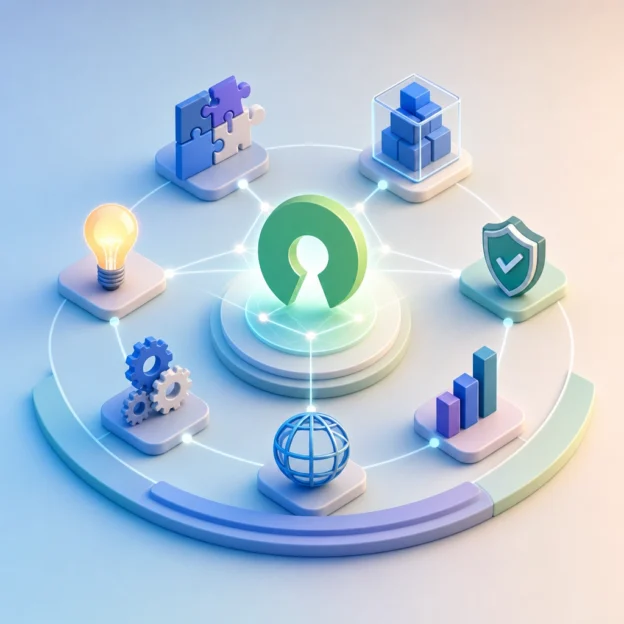
The Benefits of Open Collaboration in Software Development
In today’s fast-paced technological landscape, the way we approach software development is constantly evolving. Gone are the days when teams worked in silos, jealously guarding their code and ideas. Enter open collaboration, a game-changing approach that has taken the tech world by storm. Let’s dive into what open collaboration is all about and explore some of its key benefits.
What Is Open Collaboration?
At its core, open collaboration involves sharing resources, ideas, and code within a community to achieve a common goal. This could include anything from developing a new software application to improving existing technologies. Unlike traditional development environments where teams are segmented and operate independently, open collaboration fosters teamwork across various disciplines and geographical boundaries.
Enhanced Creativity and Innovation
One of the primary benefits of open collaboration is the incredible boost in creativity and innovation it brings. When diverse minds come together, they not only share their unique perspectives but also amalgamate their experiences and skills. This synergy often leads to groundbreaking solutions that an individual or a closed team might never conceive.
For instance, in open-source projects, contributors from all over the globe can propose new features or improvements based on their unique use cases. The result? Software that evolves more rapidly and effectively resonates with users’ needs.
Faster Problem Solving
When faced with challenges, who better to tackle them than a team that has a variety of viewpoints and expertise? Open collaboration encourages individuals from different backgrounds to join forces, making it easier to diagnose issues and explore various solutions. Instead of being bogged down by bureaucracy or narrow constraints, teams can brainstorm more freely and implement solutions faster.
Take, for example, a common bug that plagues an application. A solo developer might struggle to diagnose the problem due to limited expertise. However, when a community comes together, they can draw from a pool of experiences, quickly pinpoint the issue, and deploy a fix in no time.
Building a Supportive Community
Collaboration fosters a sense of community that can be incredibly rewarding for everyone involved. Rather than being a lone wolf, developers have the chance to connect, learn, and grow alongside their peers. This supportive environment not only enhances skills but also boosts morale.
Engaging with a community can also lead to valuable mentorship opportunities. Whether you’re a seasoned developer or just starting, there’s always something new to learn from others. These connections can help individuals navigate challenges more effectively, opening doors to career growth and new opportunities.
Knowledge Sharing and Skill Development
Open collaboration is a fantastic incubator for knowledge sharing. When developers contribute to open-source projects, they often document their processes, which serves as a valuable resource for others. This culture of learning encourages individuals to share their expertise and find new ways to solve problems.
As developers dive into new projects or tackle unfamiliar technologies, they not only expand their skill sets but also gain a deeper understanding of the software development landscape as a whole. By stepping out of their comfort zones and immersing themselves in collaborative environments, individuals can become more well-rounded professionals, equipped with the tools to adapt to an ever-changing industry.
Increased Transparency and Trust
In a world that often feels dominated by corporate secrecy, open collaboration promotes transparency. When developing software in the open, users can see the progress, understand development decisions, and provide real-time feedback. This transparency fosters trust—both within developer communities and between developers and end-users.
Additionally, open collaboration encourages accountability. When multiple people are involved in a project, everyone has an investment in its success. This collective responsibility can lead to higher quality outputs and a greater commitment to excellence.
It’s Inclusive
Lastly, open collaboration is inherently inclusive. By providing everyone the opportunity to contribute, it breaks down barriers that might have previously excluded diverse voices. This inclusivity not only enhances the creativity and efficacy of the development process but also helps create technologies that serve a wider audience.
When many different perspectives come together in the software development process, the end product is much more likely to meet the diverse needs of users around the world.
In conclusion, embracing open collaboration in software development is not just a trend; it’s a transformative movement that fosters creativity, accelerates problem-solving, builds supportive communities, and promotes inclusivity. As the tech landscape continues to shift, those who champion collaboration will not only stand out—they’ll lead the way toward a more innovative and connected future. So, the next time you’re coding or engaging in a project, consider how embracing collaboration can elevate not just your skills, but also the impact of your work on the community and the world.