The Role of Open Source in Modern Software Development

The Role of Open Source in Modern Software Development

In today’s tech landscape, the phrase "open source" pops up all over the place—much like that catchy song you can’t seem to get out of your head. But what does it really mean, and why is it such a hot topic in the world of software development? Whether you’re a developer, a tech enthusiast, or just someone curious about how the digital tools we use are made, understanding the role of open source in modern software can open your eyes to a whole new world.

What is Open Source?

At its core, open-source software is defined by one simple principle: its source code is made available to anyone for modification, enhancement, or redistribution. This democratizes the software creation process, allowing anyone with some coding skills to dive into a project, suggest improvements, or even create their own variations. It’s like a communal recipe book where everyone is welcome to add their favorite tweaks.

Think about it: some of the most popular tools we use today, like the Linux operating system and the Apache web server, were born from the open-source model. Each has thrived thanks to countless contributors who believed in collaboration and shared goals.

Collaboration and Community

One of the standout features of open-source software is its community-driven approach. Unlike traditional software development, which often involves closed teams, open-source projects thrive on collaboration. Developers from around the world can contribute their unique perspectives and skills, effectively creating a melting pot of ideas and innovation.

This collective mindset often leads to faster problem-solving and the ability to adapt more quickly to changing user needs. Teamwork makes the dream work, they say! Whether it’s fixing bugs, adding features, or updating documentation, many hands make light work.

This community spirit also results in a sense of ownership among contributors. Developers are not just coding in isolation; they are part of a larger movement pushing boundaries and refining tools that everyone can use and benefit from. It’s like being part of a global maker community, where what you build can help shape the future!

Cost Efficiency

For businesses, embracing open-source software can also lead to significant cost savings. Instead of shelling out hefty licensing fees for commercial software, companies can tap into a wealth of free, high-quality alternatives. Think about it: for startups and small businesses with tight budgets, open source is like finding a treasure chest full of valuable tools.

Imagine a new startup looking to create a compelling web application. With open-source frameworks like Django or React at their disposal, they can build their project without needing to spend a small fortune on software licenses. This enables a leaner operation, allowing them to focus on growth and innovation instead of worrying about financial constraints.

Innovation and Continuous Improvement

Open-source has a remarkable way of driving innovation. When multiple minds contribute to a project, it leads to continuous improvement and agility. Features can be added, bugs can be fixed, and code can be optimized much faster than in a traditional environment. This rapid pace of development keeps software dynamic and relevant in a world that never stops changing.

Consider how quickly popular libraries like TensorFlow have evolved, largely thanks to a thriving community of AI enthusiasts and developers who push the boundaries of what’s possible. They share knowledge, collaborate on research, and iterate at lightning speed. As a result, innovations that once took years to develop can be rolled out in months—if not weeks!

Security and Transparency

It might sound ironic, but open-source can actually enhance software security. While some people worry that making the code public exposes vulnerabilities, the opposite is often true. More eyes on the code mean more potential for finding and fixing security holes before they can be exploited.

Open-source communities are notorious for vigilance. When issues arise, they often have a cadre of developers ready and willing to respond—from bug fixes to patches—in near real-time. This kind of transparency not only builds trust with users but also elevates the overall quality of the software.

Looking Forward

As we look towards the future of software development, the role of open source will only become more crucial. With the rise of AI, IoT, and other cutting-edge technologies, a collaborative, transparent approach will be vital for fostering innovation and ensuring that these tools are accessible to all.

In a world that can sometimes feel divided, open source reminds us of the power of community and shared knowledge. It invites us to step in, collaborate, and contribute to something larger than ourselves. So next time you use your favorite app or tool, take a moment to appreciate the open-source community that may have played a part in bringing it to life. After all, we’re all in this tech journey together, aren’t we?
Understanding Software Freedom and Its Impact on Technology

Understanding Software Freedom and Its Impact on Technology

In today’s rapidly evolving tech landscape, conversations about software freedom might seem niche or even abstract. However, the principles of software freedom are not just theoretical ideals; they influence the very foundation of how we interact with technology every day. So, let’s dive into what software freedom means, why it matters, and how it shapes the technology we use.

What is Software Freedom?

At its core, software freedom refers to the idea that users should have the liberty to run, modify, and share software as they see fit. This concept is often associated with the Free Software Movement, spearheaded by activists like Richard Stallman in the 1980s. The movement champions the belief that software isn’t just a product — it’s a tool for empowerment.

There are four fundamental freedoms that define software freedom:

  1. The freedom to run the software for any purpose.
  2. The freedom to study and change the software. (Access to the source code is a must!)
  3. The freedom to redistribute copies.
  4. The freedom to distribute modified versions.

These freedoms ensure that software users are not restricted by proprietary licenses that can curtail their rights. By fostering a culture of sharing and collaboration, software freedom encourages innovation and growth.

Why Software Freedom Matters

Understanding why software freedom is essential goes beyond technical jargon or ideological debates. It carries practical implications for individuals, businesses, and society as a whole.

Empowerment and Control

The main allure of software freedom is empowerment. When users have access to the source code, they can understand how their tools work and adapt those tools to suit their personal or professional needs. Think about it: if you could tweak your favorite app or program to make it more effective for your workflow, wouldn’t you want that ability? This control means users are no longer passive participants; they can take an active role in shaping their digital experiences.

Enhanced Security and Privacy

In a world where data breaches and cybersecurity threats dominate headlines, software freedom offers a layer of security. Open-source software allows anyone to scrutinize the code for vulnerabilities or backdoors that might compromise user privacy. This collective oversight can lead to a more secure environment, as it’s more difficult for harmful exploits to hide in plain sight when many eyes are examining the code.

Innovation Through Collaboration

Software freedom propagates a culture of collaboration and innovation. When developers can access and build upon each other’s work without restrictions, it fuels creativity and accelerates progress. This is evident in the success of open-source projects like Linux, Apache, and Mozilla Firefox. These have become cornerstones of the tech industry, demonstrating that when people collaborate freely, they can create powerful tools that benefit everyone.

Economic Impacts

Businesses can reap significant rewards from embracing software freedom as well. By utilizing open-source solutions, companies can reduce software licensing costs, attract talented developers, and foster an innovative company culture. They benefit from the community support that open-source projects typically garner, allowing companies to tailor solutions to meet their unique needs.

The Challenges Ahead

Despite its many benefits, the path of software freedom isn’t without its hurdles. Proprietary software remains deeply entrenched in many sectors, and there are legitimate fears surrounding the sustainability of open-source projects and their communities. Developers often face pressures to monetize their work in traditional ways, which can dilute the ideals of software freedom.

Moreover, as technology becomes more complex and integrated into every facet of our lives, the legal and ethical implications surrounding software usage are evolving. As users, we need to remain vigilant about our rights and responsibilities when interacting with software, ensuring that we prioritize not just innovation and security, but also ethical considerations regarding our behaviors and choices.

Embracing Software Freedom

So, how can you embrace the principles of software freedom in your own life? Start small. Explore open-source alternatives to proprietary software you currently use. Engage in communities around free software and share your knowledge. Even by going beyond the software itself — think critically about the tech you choose and support projects that prioritize open collaboration.

As technology continues to advance, remembering the core values of software freedom will be crucial. By advocating for and participating in the free software movement, we can contribute to a more equitable and innovative digital landscape that benefits everyone, not just a select few. Whether you’re a casual user or a seasoned developer, understanding and promoting software freedom enriches our collective tech journey and holds the promise of a more just and open future.

Innovate Faster with Open Source Software Development

Innovate Faster with Open Source Software Development

In today’s fast-paced digital world, the pressure to innovate quickly can feel overwhelming. Companies constantly strive for that competitive edge, and open source software development has become a game changer in this quest for speed and efficiency. But what exactly makes open source so appealing, and how can it turbocharge your innovation process? Let’s dive into the world of open source software development and explore how it facilitates faster innovation.

What is Open Source Software?

At its core, open source software (OSS) is software whose source code is available for anyone to view, modify, and distribute. This model stands in stark contrast to proprietary software, which is closed off and controlled by a single organization. With open source, collaboration is key. Developers from all over the globe can collaborate, contributing their unique insights, skills, and code improvements. This collaborative spirit accelerates development and allows solutions to evolve rapidly.

Speeding Up Development Cycles

One of the most significant advantages of open source development is the speed at which projects can progress. When you tap into a community of skilled developers, you can leverage existing libraries, frameworks, and tools that have already been built and tested. Instead of reinventing the wheel, you’re able to focus on what makes your project unique, which significantly shortens the time to market.

For example, let’s say you’re creating a web application. Instead of spending weeks or months building basic functionalities from scratch—like user authentication or database management—you can utilize popular open source libraries like Django or Ruby on Rails. These frameworks come with a wide array of pre-built features, enabling you to develop and deploy your application in a fraction of the time.

Diverse Perspectives Drive Innovation

Innovation thrives on diverse perspectives. When teams from various backgrounds come together, they bring different ideas and solutions to the table. Open source communities are a melting pot of talent, ranging from seasoned developers to enthusiastic newcomers. This diversity fosters creativity and leads to innovative solutions that you might not find in a more homogeneous team. Additionally, open source projects often undergo rigorous peer reviews, constantly refining ideas and code based on real-world feedback.

Take the case of the Linux operating system—a prime example of thriving open source innovation. Throughout its development, developers from diverse backgrounds and expertise have contributed to making Linux not only robust but also incredibly versatile. As a result, it runs on everything from smartphones to supercomputers. This broad adoption and continuous input are hallmarks of the power of collaborative development.

Encouraging Rapid Prototyping

Another significant perk of using open source in your development process is the ability to iterate and prototype quickly. OSS allows you to experiment without significant financial commitments. You can modify existing codebases or contribute to ongoing projects without having to invest heavily in infrastructure or proprietary licenses. This nimbleness allows teams to test their ideas and gather user feedback efficiently, ensuring the product aligns better with user needs before finalizing development.

Consider companies using open source for rapid prototyping. They can spin up a minimum viable product (MVP) using existing technologies, such as Kubernetes for container orchestration or TensorFlow for machine learning. The ability to validate ideas quickly and gather insights accelerates the refinement process and ultimately helps in delivering a better product.

Engaging with a Vibrant Community

Being part of the open source ecosystem means tapping into a vast community of enthusiasts, experts, and mentors. If you’re stuck or need advice, chances are there’s someone out there with the knowledge to help. Open source forums, meetups, and online discussions create a vibrant network of support that can accelerate learning and problem-solving.

This community-driven approach not only democratizes technology but also fosters a sense of belonging among developers. Learning from peers and contributing back to the community enhances both personal and professional development, expanding not just skill sets but also networks.

The Bottom Line

The allure of open source software development lies in its collaborative nature, rapid prototyping capabilities, and diverse input that fuels innovation. As businesses continually seek ways to keep up with technological advancements, leveraging OSS can significantly expedite the development process while allowing for creative experimentation.

Whether you’re a startup looking to disrupt the market or an established business aiming to stay relevant, embracing open source can boost your development efforts and ignite innovation. By integrating open source into your workflow, you’re not just keeping pace with the competition; you’re taking a proactive step toward redefining what’s possible in the digital landscape. So why not dive in? The open source community is waiting, and the opportunities are endless!

Open Source vs. Proprietary Software: The Great Debate

Open Source vs. Proprietary Software: The Great Debate

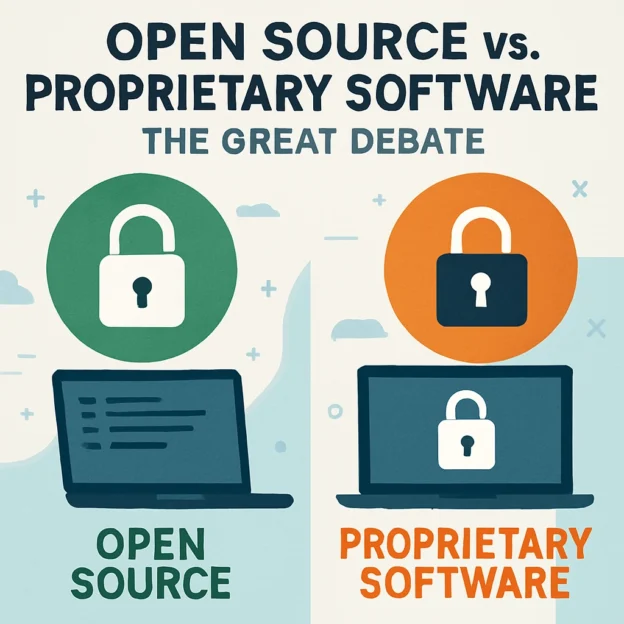
In the vibrant world of software development, a debate has been simmering for years—one that’s seen passionate advocates on both sides. The tussle between open-source and proprietary software is more than just a technical preference; it embodies values, philosophies, and even how we view collaboration and innovation in our digital age. So, let’s dive into the differences, advantages, and disadvantages of both sides in this great software debate.

What is Open Source Software?

Open-source software (OSS) refers to programs whose source code is freely available to anyone. This means anyone can view, modify, and distribute the code. Think of it like a public recipe—you have the freedom to tweak the ingredients, adjust the cooking times, or even share it with your friends. Some popular examples of open-source software include the Linux operating system, the Apache web server, and the Mozilla Firefox browser.

Pros of Open Source:

  1. Transparency: Since the code is open for anyone to inspect, it can be examined for security vulnerabilities, bugs, and inefficient code. This often results in enhanced security and stability.

  2. Community Collaboration: Developers from around the globe can contribute to projects, leading to rapid innovation and a diverse set of features.

  3. Cost-Effective: Most open-source software is free to use, which is a significant advantage for startups and individuals looking to save on software licenses.

  4. Customization: With access to the source code, users can tailor the software to suit their specific needs, allowing for incredible flexibility.

Cons of Open Source:

  1. Support and Documentation: While many open-source projects have strong community support, it can be inconsistent. Users might find themselves struggling to locate help when they encounter issues.

  2. Steep Learning Curve: Depending on the software, there might be more complexity involved. Not all open-source software is user-friendly, which can be intimidating for less tech-savvy individuals.

  3. Quality Variation: Unlike proprietary software, where a company is accountable for a consistent quality level, open-source projects can vary widely in quality depending on the community’s involvement.

What is Proprietary Software?

Proprietary software, on the other hand, is developed and owned by a company that retains exclusive control over its source code. Users typically purchase licenses to use the software, and modifications are generally forbidden. Examples of proprietary software include Microsoft Windows, Adobe Photoshop, and almost all commercial software applications you’d find in stores.

Pros of Proprietary Software:

  1. Professional Support: Proprietary software often comes with dedicated customer support, including training and resources, which can be hugely beneficial for businesses.

  2. User-Friendly Design: Many proprietary solutions invest significantly in user experience, meaning the software is often easier to use for the average person, with streamlined interfaces and extensive documentation.

  3. Security and Reliability: Companies usually conduct thorough testing and regular updates, offering a higher assurance of stability and protection against vulnerabilities.

Cons of Proprietary Software:

  1. Cost: Licensing fees can add up, especially for businesses purchasing software for multiple users. Subscription models can also be financially burdensome in the long run.

  2. Limited Customization: Users are typically limited to the features and functionalities provided by the software, and customization is rarely feasible.

  3. Vendor Lock-In: Choosing proprietary software often leads to dependency on the vendor for future updates, pricing, or even just the continued existence of the software.

The Middle Ground

The debate isn’t as black and white as it seems. Many organizations and developers are finding a middle ground through a hybrid approach. For example, they might utilize open-source tools for development while relying on proprietary software for financial or logistical operations. This combined strategy can harness the strengths of both worlds while minimizing their weaknesses.

Finding Your Fit

Ultimately, the choice between open-source and proprietary software comes down to the specific needs and resources of the individual or organization. Consider factors like your budget, technical skills, and required support. If you’re a tech enthusiast with programming knowledge, open-source might give you the edge you’re after. On the other hand, if you’re running a business that relies on uptime and user-friendly solutions, proprietary might be your best bet.

As the digital landscape continues to evolve, it’s safe to say that both open-source and proprietary software will coexist. Each has its place in the technology ecosystem, and understanding the pros and cons will leave you better equipped to navigate your choices in this fascinating realm. After all, whether you’re coding a new application or just looking for the best way to manage your workflow, there’s no one-size-fits-all solution. So, explore, experiment, and find what works best for you!

Why Every Business Should Consider Open Source Solutions

Why Every Business Should Consider Open Source Solutions

In today’s digital age, businesses of all shapes and sizes are constantly on the lookout for ways to innovate, improve efficiency, and save costs. One avenue that has been gaining traction over the past few years is the use of open source solutions. If you haven’t considered open source software for your business yet, you might want to rethink that strategy. Let’s dive into what makes open source so appealing and why it could be a game-changer for your operations.

Cost-Efficiency

The most obvious reason businesses explore open source solutions is the cost. Traditional software licenses can be incredibly pricey, often running into the thousands of dollars annually, especially for larger teams. In contrast, most open source software is free to use and modify. This doesn’t mean you’ll necessarily spend zero money; there may be costs involved in implementation, support, or maintenance. However, the initial investment is typically much lower, allowing businesses to allocate resources to other critical areas.

Customization and Flexibility

Every business is unique, with its own specific needs and workflows. Open source software can be tailored to fit those individualized needs because the source code is accessible to anyone. This means you can tweak the software to match your business processes perfectly. Whether you need new features, user interfaces that reflect your brand, or integrations with existing tools, the customization possibilities are endless. In contrast, proprietary solutions often limit your ability to make changes, forcing you to adapt to the software instead of the other way around.

Community Support and Collaboration

When you choose an open source solution, you’re not just adopting a software tool; you’re joining a vibrant community. Open source projects are often backed by enthusiastic communities of developers and users who contribute to the software’s improvement. If you run into a problem, chances are someone else has faced a similar issue and can help. Many open source projects also have extensive documentation and forums where users share tips and solutions, making troubleshooting a collaborative effort.

Enhanced Security

It might sound counterintuitive, but open source solutions can offer enhanced security compared to their proprietary counterparts. With open source software, the code is available for anyone to inspect, audit, and improve. This means that vulnerabilities can be identified and addressed quickly by anyone in the community. In contrast, proprietary software can often be a “black box,” with issues lingering until they’re discovered and patched by the company that developed it. Plus, the collaborative nature of open source often leads to faster updates and security patches, keeping your data safer.

Avoid Vendor Lock-In

Vendor lock-in is a term that sends shivers down the spine of many IT managers. It refers to the situation where you’re effectively trapped with a particular vendor’s products, making it prohibitively expensive or difficult to switch to a different solution down the line. Open source software mitigates this risk because you have the freedom to modify, distribute, and use the software however you like. If you decide to move away from one vendor’s distribution, you can take your customized version elsewhere or even host it yourself, maintaining control over your technology choices.

Innovation at Its Best

One of the most exciting aspects of open source technology is how it fosters innovation. Since anyone can contribute, the best ideas and features often emerge from the community rather than a single company. This collaborative spirit leads to rapid advancements and the continual evolution of software. Many transformative technologies—like Linux, Apache, and WordPress—are products of open source collaboration, showcasing just how powerful and impactful these solutions can be.

Real-World Examples

Don’t just take my word for it; look at the numerous businesses that have successfully incorporated open source solutions. Companies like Google, Facebook, and Red Hat use open source technologies to drive their operations. They recognize the reliability, flexibility, and community-driven innovations that come with these tools. Even smaller businesses have reaped the benefits of adopting open source solutions, from content management systems like Drupal to customer relationship management tools like SuiteCRM.

Ultimately, the decision to adopt open source solutions is about more than just saving money; it’s also about scaling efficiently, staying flexible, and harnessing community-driven advancements. As you weigh your options for tech solutions, keep an open mind about the potential that open source holds. Your business might just find the perfect fit while setting the stage for future growth—without the hefty price tag. Embracing open source could be a crucial step towards a more innovative, adaptable, and cost-effective future for your organization.

The Rise of Free Software: A Boon for Developers

The Rise of Free Software: A Boon for Developers

In the swirling sea of technology, where rapid advancements come and go, free software has emerged as a powerful lifebuoy for developers and users alike. The journey from proprietary software to open-source has not only transformed how we interact with our devices but has also fostered a community that shares, collaborates, and grows together. Today, let’s delve into this captivating world of free software and explore how it has become a boon for developers everywhere.

A Brief Dive into Free Software

So, what exactly is free software? Simply put, it’s software that grants users the freedom to run, modify, and distribute it. This concept goes way beyond just "free" in the monetary sense; it’s about liberty and community, emphasizing that users have the right not only to use the software but to understand and improve upon it. Pioneered by Richard Stallman and furthered by organizations like the Free Software Foundation, this philosophy has shaped a generation of software development.

Fueling Innovation and Creativity

One of the greatest advantages of free software is its role as a catalyst for innovation. Developers can mix, match, and repurpose code written by others to create something entirely new. Instead of spending hours, days, or even weeks rewriting basic functions, developers can build upon existing projects, greatly speeding up the development process.

For instance, consider the widespread use of Linux. Many developers have leveraged the Linux kernel to create specialized operating systems tailored for specific purposes. Whether it’s running a server, powering smart devices, or even equipping your favorite personal computer, this ecosystem thrives on collaboration. The result? An explosion of creativity and development that proprietary software often stifles with restrictions or licensing fees.

Learning and Growth Opportunities

For aspiring developers, free software is like an all-you-can-eat buffet of learning opportunities. Rather than being locked out of proprietary systems due to costly licenses, newcomers can dive into open-source projects, study the code, and learn from real-world applications. This hands-on experience is invaluable in building a strong skill set and portfolio, making it easier for developers to land jobs or start their ventures.

Moreover, communities around free software are incredibly helpful. Platforms like GitHub allow developers to collaborate, share insights, and offer support. The chance to begin contributing by fixing bugs or adding features can be a powerful way for beginners to ease into the coding world while giving back to projects they’re passionate about. Imagine getting code reviews from experienced developers or being part of a project that solves genuine issues for users; it’s a rewarding experience that solidifies knowledge and boosts confidence.

Fostering Collaboration and Networking

In the age of networking, free software acts as a unifying element. Developers from various backgrounds and regions can come together to collaborate on projects. Think about it – someone in Brazil could be working hand-in-hand, virtually, with another developer in Japan, all tackling the same codebase. This global partnership not only enriches the software being developed but also fosters cultural exchange and friendships that transcend borders.

Conferences and meetups often spring from these collaborative efforts, allowing developers to showcase their work, share ideas, and learn from one another. Many developers often find job opportunities through their involvement in these communities, demonstrating how collaboration can lead to personal and professional growth.

A Win for End Users Too

It’s crucial to note that developers aren’t the only ones reaping the benefits of free software; end users do, too. With software that is open-source, they have more choices and greater control over their digital experiences. More importantly, many free software projects champion privacy and security, giving users alternatives to commercial software that may track their online activities. The rise of privacy-focused browsers, secure messaging apps, and robust operating systems like Ubuntu and Fedora exemplifies this shift, providing users with tools that prioritize their freedom and safety.

The Road Ahead

The prominence of free software isn’t just a passing trend; it’s a movement that’s likely to grow stronger as technological landscapes continue to evolve. With the rise of emerging technologies like artificial intelligence and machine learning, open-source models are increasingly being adopted, allowing more democratic access to cutting-edge innovations. Developers who embrace this philosophy not only become part of a larger conversation but also ensure that future developments are more inclusive and accessible.

In conclusion, the rise of free software serves as a powerful reminder of the strength found in collaboration, creativity, and community-building. For developers, it offers an unprecedented range of opportunities to learn, grow, and innovate. As this movement continues to gain momentum, it’s exciting to think about the possibilities that lie ahead—not just for developers, but for everyone who uses technology as a tool for empowerment and progress. So, whether you’re a seasoned coder or a novice looking to get started, the world of free software is waiting for you to jump in and make your mark!

How to Leverage Open Source Software for Business Growth

How to Leverage Open Source Software for Business Growth

In a world where technology is evolving at lightning speed, businesses are consistently on the lookout for tools that can help them gain a competitive edge. One of the most potent, yet often overlooked, resources available is open source software. But what exactly is open source, and how can you harness its power to fuel your business growth? Let’s dive into it.

Understanding Open Source Software

At its core, open source software is any software whose source code is made available to the public. This means anyone can view, modify, and distribute it. Think of it as a collaborative project where communities come together to improve code, create features, and make the software more robust over time. Some popular examples include Linux, WordPress, and Mozilla Firefox, but there’s a vast ocean of open-source tools out there that cater to a myriad of business needs.

Cost Savings

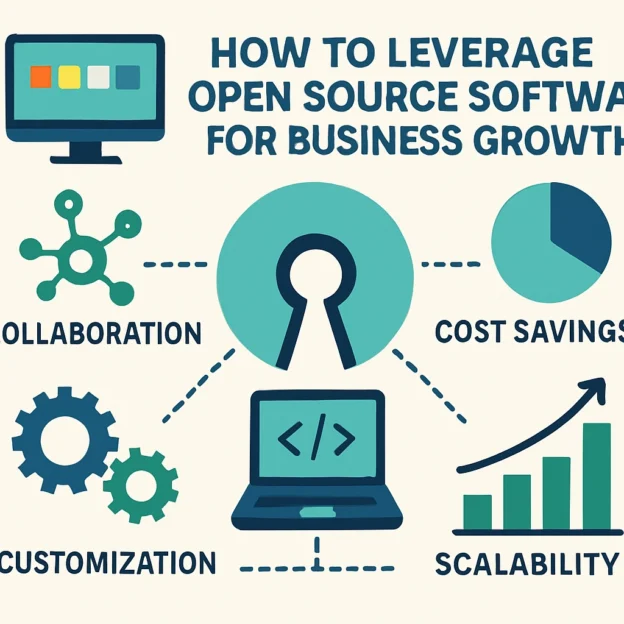
One of the most significant advantages of using open source software is the cost savings. Unlike proprietary software, which can come with hefty licensing fees and ongoing costs, most open-source options are free to use. This freedom allows many startups and small to medium-sized businesses to allocate their budgets toward other vital areas like marketing, staffing, or product development. By leveraging open-source software, you can create a flexible IT infrastructure without breaking the bank.

Customization and Flexibility

Every business is unique, and what works for one company might not work for another. Open source software gives you the ability to customize applications to meet your specific business requirements. Have an idea for a feature that could make your processes smoother? A solid understanding of coding—or the right partnership with a developer—enables you to implement those changes efficiently. Additionally, this adaptability can be a game-changer as your business evolves.

Community Support

One of the most valuable aspects of open source software is its community. When you opt for an open-source solution, you tap into the collective wisdom of users, developers, and enthusiasts who are often more than willing to help troubleshoot issues or share best practices. This kind of support can be invaluable, especially for smaller companies that might not have extensive IT departments. You can find forums, chat rooms, and documentation that can answer almost any question you might encounter.

Enhanced Security

Contrary to the misconception that open-source software is less secure, many developers argue that it’s actually more secure due to its transparency. With the source code publicly available, vulnerabilities can be spotted and patched more quickly than in proprietary software, where only a limited number of developers review the code. This method can lead to a more robust security posture for your business. Plus, with regular updates and a community focused on improvement, your software can stay one step ahead of potential threats.

Faster Innovation

Businesses that adopt open-source software often find themselves at the forefront of technological innovation. Because of the collaborative nature of open-source projects, new features and ideas can be quickly developed and shared across the community. If you’re utilizing open-source tools, you can stay updated with the latest trends and advancements, allowing your business to adapt swiftly to market changes or customer demands.

Building Collaborative Ecosystems

Open source software can also foster collaboration within your industry and beyond. By adopting open-source tools in your operations, you can partner with other companies that are utilizing the same platforms. This teamwork can lead to co-development opportunities, shared knowledge, and even joint ventures that might not have been possible otherwise. Plus, by contributing back to the open-source community, you create a positive cycle of innovation that can benefit everyone involved.

Nurturing Talent

On an organizational level, adopting open source software can also aid in talent acquisition and retention. Many tech-savvy employees, especially younger generations, appreciate a culture of openness and collaboration. By employing open-source tools, you signal that your company values innovation, creativity, and flexibility—qualities that many modern professionals look for in an employer.

Incorporating open source software into your business strategy could be one of the smartest moves you make. With an array of options at your fingertips, you can create a cost-effective, flexible, and secure technological foundation that supports your growth ambitions. As you explore this exciting world, remember: every little contribution you make to the open-source community is not just a step toward improving your business, but also a way to give back and foster innovation for everyone. So why not take that leap? It might just be the secret ingredient you’ve been searching for.

Exploring the Benefits of Open Source for Enterprises

Exploring the Benefits of Open Source for Enterprises

In recent years, the buzz around open source software has gone from niche interest to mainstream necessity. As more enterprises recognize the advantages of adopting open source solutions, it’s clear that this collaborative approach to software development is redefining the tech landscape. But what exactly makes open source so appealing to businesses? Let’s dive into the key benefits that enterprises can gain from harnessing the power of openly available software.

Cost Efficiency

One of the most immediate and tangible benefits of open source software is cost savings. Unlike proprietary software that often comes with hefty licensing fees, many open source options are available at little to no cost. This doesn’t just mean you’re saving money on software purchases. It also means the resources typically allocated for vendor maintenance and support can be redirected toward other crucial areas of your business.

Additionally, since open source software is often built on a community-based model, you might find that there are fewer hidden costs associated with updates and upgrades. This makes financial forecasting and budgeting just a little bit easier.

Flexibility and Customization

Every business has unique needs, and one-size-fits-all solutions often fall short. Open source software can be modified and enhanced, allowing enterprises to tailor solutions to meet their specific requirements. Want to add a feature to streamline your workflow? Go for it! Need to integrate an existing system? Easy peasy!

This level of flexibility parallels the fast-paced nature of modern businesses, where adaptation is key to staying relevant. Open source solutions empower IT departments to get creative and innovate swiftly, without having to wait for a vendor’s update cycle or pay for new features.

Community Support and Collaboration

When you choose open source software, you aren’t just picking a product; you’re joining a thriving community. This community is typically composed of developers, users, and activists who are passionate about the software and eager to collaborate.

One of the key benefits of being part of an open source community is access to a wealth of knowledge and resources. Forums, user groups, and collaborative projects provide robust support systems and can help troubleshoot issues faster than waiting on a corporate help desk. The collective effort also means that security holes and bugs are often identified and patched much more quickly than with proprietary systems, providing enterprises with enhanced security.

Innovation at Your Fingertips

Open source software serves as a catalyst for innovation. The nature of open source fosters collaboration and creativity, leading to rapid advancements in technology. Given that many developers and companies contribute to open source projects, the pace of innovation is often faster than in a proprietary environment, where development cycles can be slowed by corporate protocols.

For example, companies like Red Hat and IBM thrive on open source contributions to drive their own innovations. By tapping into this ever-evolving source of inspiration, enterprises can leverage cutting-edge technology without taking on the risks associated with traditional R&D processes.

Improved Security

It might seem counterintuitive, but open source software can actually be more secure than its proprietary counterparts. With millions of eyes on the code, flaws tend to be spotted and resolved more swiftly. Since many open source projects operate on a model of transparency, any vulnerabilities are quickly addressed by the community.

Moreover, enterprises have the ability to audit the code directly rather than relying on vendors to provide assurances about security measures. This can lead to more robust security protocols that align with a company’s specific needs, ensuring that sensitive data remains protected.

Seamless Integration

In an increasingly integrated digital world, using software that easily connects with existing systems is vital. Open source software often shines in this area, as many projects are designed to be modular and compatible with other systems. This adaptability means enterprises can build an ecosystem of tools that work harmoniously together, improving overall efficiency and productivity.

Whether it’s integrating a new CRM system with a project management tool or combining multiple data sources into a single analytical dashboard, open source solutions can offer the flexibility to create a customized tech stack that elevates business performance.

Empowerment and Independence

Finally, adopting open source software empowers enterprises in a way that proprietary systems cannot. By relying on open source solutions, organizations aren’t tied to a single vendor for support or updates. This independence can open doors to negotiating better terms, and it encourages enterprises to invest in in-house expertise, leading to robust internal capabilities.

This empowerment fosters a culture of innovation, as teams are encouraged to explore and experiment without the constraints traditionally imposed by commercial software.

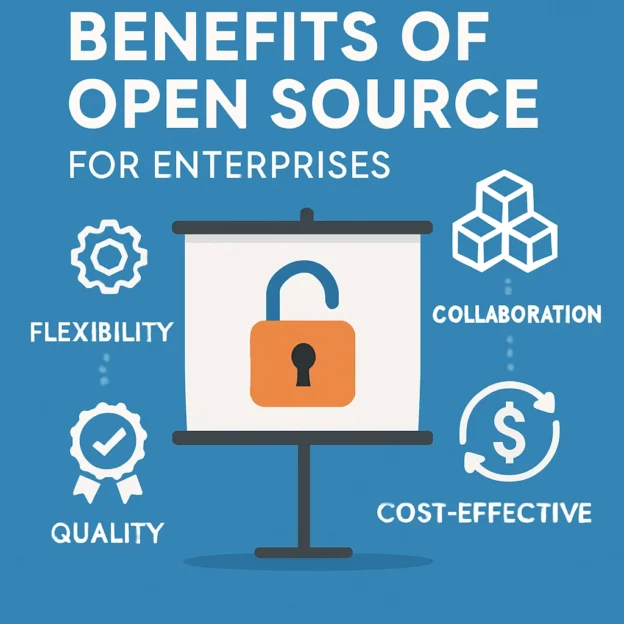
The global shift towards open source is enabling enterprises to adopt solutions that not only meet their immediate needs but also pave the way for future growth. By taking advantage of the numerous benefits—cost savings, flexibility, community support, security, innovation, and independence—businesses can position themselves for success in an increasingly complex digital landscape. Let’s embrace open source, not just as a trend but as a transformative approach that can propel us into the future.

Software Freedom: What It Means for Your Business

Software Freedom: What It Means for Your Business

In today’s tech-driven world, the term "software freedom" is gaining traction, and for a good reason. It represents the shift in how businesses approach software ownership and use, ultimately affecting everything from operations to budget management. But what does it mean, and how can it impact your business? Let’s dive in!

Understanding Software Freedom

At its core, software freedom refers to the idea that users should have the freedom to use, modify, and share software. This concept often aligns with open-source software (OSS), which is built on the premise that anyone can access the source code. This contrasts with proprietary software, where the source code is kept hidden, and users are typically restricted in their ability to modify or distribute the software.

Open-source platforms, like Linux and WordPress, thrive on community contributions and collaboration, providing users with a robust toolbox that can be tailored to their specific needs. The beauty of this freedom is that it allows businesses to innovate without the constraints of traditional licensing fees and limitations.

Cost-Effectiveness

One of the most appealing aspects of software freedom for businesses is the potential for significant cost savings. Proprietary software often comes with hefty licensing fees, annual renewal costs, and sometimes even expensive hardware requirements. On the other hand, many open-source solutions are available for free or at a drastically reduced cost, allowing smaller businesses to adopt powerful tools that would otherwise be financially out of reach.

Think of it this way: when you choose open-source software, not only do you eliminate high initial costs, but you also gain the flexibility to invest those savings elsewhere—be it in marketing, employee training, or product development.

Customization and Flexibility

Another significant advantage of software freedom is customization. Open-source software allows businesses to tailor solutions to fit their specific needs—not the other way around. If you face particular challenges that generic software cannot address, you can modify open-source tools to handle those obstacles directly.

This flexibility means your business can remain agile and responsive to changes in the market. Instead of waiting for a proprietary vendor to release an update or new feature, you can make changes in-house or collaborate with a developer to create solutions that work best for you.

Security and Stability

You might be wondering about security, especially given the rise in cyber threats. It’s a common misconception that proprietary software is inherently more secure than open-source options. In reality, open-source software benefits from community scrutiny. When software code is available for anyone to see, vulnerabilities can be identified and addressed much more quickly.

Moreover, the active community surrounding popular open-source projects means a wealth of knowledge and resources is often at your fingertips. When you encounter a problem, there’s a high likelihood that someone else has experienced it, and they’ve documented solutions. This creates a support network that proprietary software may not offer.

Encouraging Innovation

Encouraging innovation is another key attribute of software freedom. When employees can access and modify software without fear of violating licenses, you create an environment where creativity can flourish. Teams may come up with unforeseen applications or integrations that supercharge your business processes.

Harnessing open-source tools can also foster collaboration across departments. IT teams might work more closely with marketing teams to create customized solutions that streamline workflow and enhance productivity.

Building Community and Talent

Emphasizing software freedom goes beyond just the immediate operational benefits. It can also help you build a culture of collaboration within your organization. Employees are more likely to share knowledge, contribute to projects, and take pride in the solutions they help create.

Additionally, investing in open-source technologies can position your business as a progressive and attractive workplace, especially among tech-savvy talent. The open-source community offers a vast pool of skilled developers and engineers who are passionate about their projects. By adopting open-source practices, your business can tap into this talent and potentially recruit individuals who are excited about contributing to meaningful projects.

Making the Leap

Transitioning to a more open-source reliant model requires a bit of a paradigm shift, but the benefits far outweigh the challenges. Start by identifying key areas within your organization where proprietary solutions are holding you back. Research open-source alternatives that align with your business goals and discuss the potential for customization and integration with your tech teams.

In summary, embracing software freedom can unlock tremendous potential for your business. From cutting costs and enhancing security to fostering innovation and collaboration, the advantages are manifold. By actively engaging with the open-source community, you’re not just utilizing tools; you’re becoming a part of a movement that champions creativity and empowerment in the tech landscape. As we embrace the future, consider how software freedom might empower your business to act boldly and innovatively in an ever-changing world.

Unlocking Innovation: The Power of Open Source Software

Unlocking Innovation: The Power of Open Source Software

In an era where collaboration and creativity are paramount, open source software (OSS) is emerging as not just a trend, but a revolution that has the power to reshape industries and democratize technology. So, what exactly is open source software? At its core, it’s a type of software that is built on the principle of shared knowledge. The source code is made available to the public, allowing anyone to use, modify, and distribute it. Think of it as a communal pot of ideas where every coder can add their special ingredient.

A World of Collaboration

One of the most compelling aspects of OSS is the collaboration it fosters. Traditionally, software development was the realm of big companies with large budgets and resources. However, open source breaks down those walls, inviting developers from all walks of life to contribute their skills. Developers in India can work alongside programmers in the United States, sharing insights and ideas to build robust software solutions. This level of global collaboration not only speeds up innovation but also brings diverse perspectives to problem-solving.

Take the Linux operating system as an example. Linus Torvalds launched Linux in 1991, inviting anyone to contribute. Today, Linux powers the majority of the world’s servers and is the backbone of many systems. Its community-driven approach has turned it into a reliable choice for enterprises and individuals alike, showcasing how powerful collaboration can be.

The Business Advantage

It’s easy to see how OSS benefits developers, but what about businesses? Many organizations are waking up to the potential that open source has to offer. By adopting OSS, companies can reduce costs, avoid vendor lock-in, and tap into a community of developers who can help refine and enhance their software. This nimble approach allows businesses to innovate more rapidly and respond to market changes effectively.

For instance, companies like Red Hat have built entire business models around open source. They provide commercial support for open source solutions, proving that there’s a significant market for such services. This model not only profits from the software but also encourages further development and improvement, benefiting everyone involved.

Customization at Your Fingertips

Another incredible advantage of OSS is customization. When using proprietary software, you’re often at the mercy of the vendor. Need a unique feature? You’ll have to wait for the company to consider your request, and even then, there’s no guarantee. However, with open source software, you have full access to the source code. If you can code—or have someone on your team who can—you can tweak the software to fit your specific needs exactly. This level of flexibility is particularly helpful for startups and organizations looking to carve their niche without being hindered by generic solutions.

Imagine a nonprofit organization working to address a community issue. By using open source software, they can adapt applications to meet their needs perfectly, without blowing their budget on licensing fees or mandatory upgrades. This agility can be life-changing and is a true testament to the power of open source.

Driving Innovation Beyond Software

But the influence of open source extends far beyond just software. The ethos of sharing knowledge and building community is translating into various sectors—from science to education. The Open Educational Resources movement advocates for freely accessible learning materials, which echoes the principles of OSS. This initiative enhances education by broadening access to quality resources, promoting equity in learning environments around the globe.

In the scientific community, platforms like Open Science and the Human Genome Project have pioneered the idea of sharing research data and methods openly. By doing this, they have accelerated breakthroughs that benefit humanity as a whole. The collaborative spirit of open source is proving that when information is shared freely, innovation flourishes.

Closing Thoughts

As we’ve seen, open source software is more than just a coding philosophy; it’s a vibrant movement that empowers individuals, drives innovation, and breaks down barriers. Whether you’re a developer, a business owner, or simply a tech enthusiast, embracing open source means tapping into a world of possibilities. The power of collaboration and collective intelligence has never been more relevant, and in a time when global challenges require innovative solutions, open source is leading the way.

As we continue to explore the spaces where technology meets community, let’s champion the open source spirit not just as a philosophy of software development, but as a way of fostering creativity and innovation in every corner of our lives. With the right mindset and a communal approach, who knows what incredible solutions we can unlock next?