Exploring the Challenges of Open Source Software Adoption

Exploring the Challenges of Open Source Software Adoption

In recent years, open source software (OSS) has gained significant traction among developers, businesses, and organizations alike. The allure of free software that anyone can improve or modify is hard to resist. Who wouldn’t want an option that promotes innovation, collaboration, and customization? However, alongside these appealing benefits lie some challenges that can make adopting open source software a bit bumpy. Let’s dive into some of the hurdles that organizations might face on this journey.

Understanding Compatibility and Integration

One of the first challenges often encountered during the adoption of open source software is ensuring compatibility with existing systems. Businesses rarely operate in isolation; they tend to rely on a patchwork of various technologies. When introducing OSS, there can be a lot of technical juggling involved. Will it integrate smoothly with legacy systems? If not, what are the costs and implications of transitioning these systems? These are crucial questions that need careful examination.

Support and Documentation

Unlike proprietary software, OSS often doesn’t come wrapped in a neat package of customer support. While communities around open source projects can be incredibly helpful, the level of support can vary greatly. Some projects have leaders and contributors who are extremely responsive, while others… well, not so much. Additionally, the quality and comprehensiveness of documentation can present challenges. If users encounter issues or have questions, they may find themselves sifting through forums, wikis, or GitHub pages without finding a clear answer. This can be intimidating, particularly for organizations that may not have a strong tech background.

Skill Gaps and Learning Curves

Adopting open source software often requires different skill sets than those needed for proprietary systems. Not every organization is equipped with the necessary expertise to take full advantage of the software. Employees might need training on using the open-source tools effectively, and this can entail both a time investment and additional costs.

The learning curve can also deter employees, especially if they’re accustomed to intuitive interfaces and well-documented procedures in commercial products. If the transition isn’t supported adequately or if it’s too abrupt, it can lead to frustrations and reduced productivity.

The Fear of Uncertainty

While open source projects are often supported by vibrant communities, many organizations find themselves wrestling with the uncertainty that accompanies OSS. What happens if a project loses support? What if the developers move on, or the community falters? These concerns are valid; after all, businesses often need stability and long-term viability. This fear can make decision-makers hesitant to go all-in on open source solutions, driving them back toward the perceived safety of proprietary software.

Security Concerns

Security is a significant concern for businesses when considering open source software. Since the source code is publicly available, anyone can inspect it for vulnerabilities. While this transparency allows for quicker identification of potential security risks, it can also be a double-edged sword. Some may worry that exposing the code could make it easier for malicious actors to exploit weaknesses. This is particularly true if there isn’t an active community engaged in ongoing testing and security updates. Organizations must develop robust protocols for assessing the reliability and security of software solutions before incorporating them into their operations.

Managing Licensing and Compliance

Open source software comes with its licensing agreements, and navigating these can be tricky. While many open source licenses are designed to promote freedom and collaboration, they still come with stipulations that organizations must understand and comply with. Mismanaging licensing can lead to legal headaches, which businesses will naturally want to avoid. Taking the time to clearly understand licensing requirements is essential to mitigate risks down the line.

Balancing Benefits and Challenges

Despite these challenges, it’s important to remember that many businesses and organizations have successfully navigated the open-source waters. The key often lies in thorough planning and a willingness to adapt. By investing in training, engaging with the community, and taking the time to assess compatibility, organizations can reap the rewards of open source software.

While the road to OSS adoption can be rocky, the end results often justify the means. Whether it’s through increased flexibility, cost savings, or enhanced innovation, making the leap into open source software can transform how organizations operate. As awareness grows, and technology continues to evolve, it’s undoubtedly an exciting time to explore these tools and the potential they hold. So, if you’re considering dip your toe into the open-source world, just know you’re not alone—and there’s a community out there ready to welcome you in.

The Ethical Side of Software Freedom: A Developer’s Perspective

The Ethical Side of Software Freedom: A Developer’s Perspective

Software freedom is a phrase that’s thrown around a lot in the tech world, often accompanied by passionate debates about open-source versus proprietary software. As a developer who has immersed myself in both realms, I’ve come to appreciate not just the technical implications of software freedom but its ethical dimensions as well. So, let’s dive into what it means to advocate for software freedom and how it shapes our digital world.

At its core, software freedom refers to the users’ ability to run, study, modify, and distribute software. It’s about breaking the chains of proprietary restrictions and empowering individuals to take control of their digital lives. This autonomy is not just a technical issue; it resonates deeply with ethical principles of transparency, collaboration, and user rights.

Transparency Matters

One of the most compelling arguments for software freedom lies in transparency. When software is open source, anyone can examine the code. This means that flaws, bugs, or even malicious aspects can be spotted and addressed by the community rather than hidden behind corporate walls. As developers, we have a responsibility to create software that is not only functional but also safe and reliable. Transparency builds trust, and trust is essential in any relationship—be it between users and developers, or users and the software they rely on.

Consider the recent scandals involving data breaches and surveillance. With open-source tools, the community can audit the code, ensuring that users aren’t unknowingly handing over their data to third parties or exposing themselves to security vulnerabilities. With proprietary software, we often have no idea what’s happening behind the scenes. Emphasizing software freedom shifts this paradigm, placing the power back into the users’ hands.

Collaboration Over Competition

Another key ethical aspect of software freedom is the culture of collaboration it fosters. Open-source projects thrive on collective effort. When developers from various backgrounds come together to build or improve software, everyone benefits. This collaborative spirit not only leads to innovation but also empowers marginalized communities who may not have access to expensive proprietary software.

From a developer’s viewpoint, working on open-source projects can be incredibly fulfilling. You become part of a community that shares your values—whether that’s ensuring accessibility, promoting diversity in tech, or advocating for digital rights. You’re contributing to something greater than yourself. In this sense, the ethical commitment to software freedom translates into a shared responsibility that extends beyond individual gains.

User Empowerment and Rights

Another significant consideration is how software freedom supports user empowerment. When users have control over the software they use, they also have the autonomy to make choices that best suit their needs—this can include everything from modifying a program to suit personal preferences to opting out of a feature that feels invasive.

Think about all those pesky license agreements we all scroll through without reading. In the proprietary software world, users often relinquish their rights without understanding the implications, essentially trading freedom for ease. Software freedom challenges that paradigm, enabling users to be informed participants in their digital experiences rather than passive consumers.

The Ethical Dilemma of Proprietary Software

Let’s not forget there’s also an ethical dilemma surrounding proprietary software. Many developers work for large companies that create software we use daily. Often, these companies operate on a model that prioritizes profit over ethics. This could mean using user data in ways that aren’t transparent or releasing products with known security issues simply to meet a timeline. As developers, we must ask ourselves: Are we comfortable with the impact our work has on society?

The truth is, maintaining ethical standards is often more complicated in the proprietary realm where your work might be driven by corporate goals rather than a genuine desire to improve the lives of users. This can lead to a conflict of interest, where the profits of a few overshadow the rights and freedoms of many.

Finding Balance

In navigating the complex world of software development, the quest for software freedom isn’t just a technical choice; it’s a moral one. Balancing the needs of business with ethical standards can be challenging, yet many modern developers are rising to the occasion, advocating for transparency and collaboration while creatively finding ways to keep the lights on.

As we move forward in an increasingly digital world, the ethical arguments for software freedom cannot be overlooked. Whether you’re a seasoned developer or just dipping your toes into the vast ocean of technology, consider the larger implications of your work. We all have a part to play in promoting not just freedom in software but also ethics in its development and deployment. The choices we make today will shape the future landscape of technology, and it’s one where every user deserves a seat at the table. So let’s ensure that table is inclusive, welcoming, and open for all.

How to Contribute to Open Source Software Projects

How to Contribute to Open Source Software Projects

Have you ever wanted to contribute to an open source software project but didn’t know where to start? You’re certainly not alone! Open source projects cover a wide range of categories, from web development to data analysis and everything in between. Getting involved can seem a little daunting at first, but with a little direction and some enthusiasm, you’ll find that it can be both fulfilling and fun.

Why Contribute?

Before diving into the how-tos, let’s talk about the why. Open source projects are collaborative efforts that thrive on community support. By contributing, you’re helping to create better software, learning new skills, and even networking with other like-minded individuals. Plus, it’s a fantastic addition to your portfolio! Many employers appreciate candidates who have experience with open source, as it shows initiative, teamwork, and a commitment to continuous learning.

Finding a Project

The first step in your open source journey is finding a project that resonates with you. Here are a few resources to help you get started:

  1. GitHub: This is the hub for most open source projects. You can explore topics that interest you, search for projects with specific technologies, or even check out repositories with labels like “good first issue” or “help wanted.”

  2. Open Source Guides: Sites like opensource.guide offer excellent resources, including lists of projects, tutorials, and tips for contributing.

  3. Contribute to Documentation: If programming isn’t your strong suit yet, consider starting with documentation. Many projects need help making their documentation clearer or even translating it into other languages.

  4. Communities: Find communities on platforms like Slack, Discord, or Reddit where developers discuss and seek help related to open source.

Once you find a project that sparks your interest, take some time to familiarize yourself with it. Read the README file, explore the issues, and browse through the recent commits to get a feel for the project’s focus and style.

Getting Started with Contributions

Now that you’ve identified a project, it’s time to get involved! Here are steps that can lead you into the world of contributions:

  1. Fork and Clone the Repository: Start by forking the project repository on GitHub and cloning it to your local machine. This allows you to make changes without affecting the original project until you’re ready to submit them.

  2. Set Up Your Development Environment: Follow the project’s setup instructions. This may involve installing dependencies, setting up databases, or configuring certain tools. It can feel a bit technical, but it’s a crucial step.

  3. Find Issues to Work On: Look through the project’s issues and find one that aligns with your skills or interests. If it’s labeled for beginners, that’s a good place to start!

  4. Take Your Time: Once you’ve picked an issue, take your time to understand what needs to be done. You might want to ask for clarification or engage with the community to discuss your approach.

  5. Code and Test: After you’ve made your changes, thoroughly test your solution. Consider writing additional tests if the project encourages it. This improves the reliability of your contributions.

  6. Create a Pull Request (PR): Once you’re satisfied with your work, push your changes to your forked repository and submit a pull request to the original repository. Be sure to include a clear and concise explanation of your changes. The maintainers will appreciate it!

Engaging with the Community

Contributing isn’t just about coding. Engaging with the community can be incredibly rewarding and is often where a lot of learning happens. Join discussions, help answer questions, and be open to feedback on your contributions. Don’t take critiques personally—it’s all part of the process.

Level Up Your Skills

As you continue to contribute, you’ll find your skills improving over time. Don’t hesitate to take on more complex issues as you grow more comfortable with the project and the technologies involved. The beauty of open source is that there’s always something new to learn—whether it’s exploring a new framework or diving deep into advanced debugging.

Contributing to open source software projects not only benefits the community and the software we all use but also gives you the chance to grow personally and professionally. So, why not roll up your sleeves and get started? You might just find that you enjoy it—and who knows, you could even help build the next big thing in tech!

Collaborative Development: The Key to Open Source Success

Collaborative Development: The Key to Open Source Success

In the ever-evolving world of technology, few concepts have gained as much traction as open source software development. At its heart, open source represents a powerful ideology: collaboration. But what exactly does collaboration mean in this context, and why is it so crucial for the success of open source projects? Let’s dive in!

What is Open Source?

Before we get into the nitty-gritty of collaboration, it’s essential to understand what open source really means. Simply put, open source software is software whose source code is made freely available for anyone to use, modify, and distribute. This is a stark contrast to proprietary software, where the code is closely guarded and heavily restricted.

Open source fosters a community-driven approach to software development, allowing developers from all walks of life to contribute their insights, code, and skills to projects. This democratization of technology not only enhances innovation but also creates a sense of ownership within the community.

The Importance of Collaboration

Now, what makes collaboration so vital to this ecosystem? The answer lies in the inherent advantages that come with multiple minds working together. Here are some key reasons why collaborative development is the linchpin of open source success:

  1. Leveraging Diverse Expertise
    Open source projects often attract developers with varying backgrounds—be it web development, security, or systems programming. When people contribute from their areas of expertise, the project benefits from a rich tapestry of knowledge. This diversity leads to more robust, innovative solutions that a singular team might overlook.

  2. Accelerated Problem-Solving
    In the world of software, problems are inevitable. The greater the number of contributors, the quicker the resolution of issues. By sharing insights and strategies, a community can rapidly tackle bugs or performance bottlenecks that arise during the development process.

  3. Community Feedback
    One of the beautiful aspects of open source is the feedback loop that comes from users and developers alike. This input isn’t just limited to code changes; it encompasses user experiences, feature requests, and even ideas for future versions. When a community feels heard, they’re more likely to rally behind the project, ensuring it continues to grow and evolve.

  4. Fostering Innovation
    Open source development nurtures a culture of experimentation. Contributors may try different approaches and solutions that wouldn’t be feasible in a more rigid corporate environment. This freedom to innovate helps push the boundaries of technology and can lead to groundbreaking developments.

  5. Building Trust and Transparency
    When developers work collaboratively, they create an open atmosphere of trust. Participants can review code publicly, ensuring that everyone is held accountable for their contributions. This transparency not only improves the quality of the software but also helps build a strong, dependable community that users can trust.

Successful Examples of Collaborative Development

There are countless success stories that highlight the power of collaborative development. For instance, Linux, arguably the most widely recognized open source project, began as a small effort by Linus Torvalds and has grown into a global phenomenon, with millions of contributors improving it daily. The project thrives on the principles of collaboration and often serves as a benchmark for other open source initiatives.

Similarly, Apache and Mozilla have become synonymous with collaborative success. These organizations have built enormous ecosystems around their projects, enabling contributors to jump in, regardless of their experience level. This has created thriving, inclusive communities that continue to drive innovation.

The Future of Collaborative Development

As we look towards the future, the importance of collaborative development only strengthens. With advancements in cloud computing, artificial intelligence, and decentralized technologies, the potential for open source projects seems limitless. The more diverse members that come together to build, share, and innovate, the richer the landscape of technology will become.

In an age where software drives just about everything we do—whether it’s the apps on our phones, the websites we visit, or the systems that run our businesses—collaboration is the secret ingredient that keeps the open source community thriving. By pooling our knowledge, skills, and creativity, we can create software that not only benefits individuals but also enriches our society as a whole.

So, if you’ve ever thought about diving into open source development, remember that it’s not just about writing code; it’s about being part of a community committed to making technology better for everyone. Your ideas and contributions matter, and who knows—you might just be the next person to spark the next big change!

Building a Business on Open Source Principles

Building a Business on Open Source Principles

In today’s tech-savvy world, the concept of open source isn’t just limited to software development; it’s a philosophy that’s influencing a wide range of industries. Companies leveraging open source principles can create collaborative, innovative, and sustainable business models that not only thrive but also resonate deeply with their audience. So, how exactly do you build a business on these principles? Let’s explore!

Understanding Open Source

First, let’s break down what “open source” really means. At its core, open source refers to software (or sometimes other intellectual property) that grants users the freedom to access, modify, and distribute the source code. Think of it as a communal project where anyone with an idea can contribute, which often results in a diverse array of innovations.

The actual principles of open source—collaboration, transparency, and community involvement—can be applied beyond software development. They can encompass everything from retail to manufacturing and even publishing! When businesses embrace these values, they often cultivate a loyal community of users and contributors.

Emphasizing Transparency

Transparency is fundamental to the open-source approach. By being open about your business practices, decisions, and even shortcomings, you build trust. This doesn’t mean you need to share every trade secret, but providing insights into your processes and how decisions are made can foster a culture of inclusivity.

For instance, if you’re a startup launching a new product, consider sharing your development journey. Create blog posts or video updates detailing the processes involved, the obstacles faced, and the feedback received. This not only engages your audience but may also invite valuable input that could enhance your offerings.

Fostering Community Engagement

Building a community around your brand is crucial. Open-source projects thrive on contributions from passionate people. Similarly, when you engage your customers and invite them to contribute ideas, give feedback, or even participate in product development, you create a sense of ownership and belonging.

Think about how companies like Red Hat or Mozilla foster community engagement. They offer forums, support opportunities, and invite user feedback. This not only enhances the product but also strengthens the connection between the business and its community. Create spaces—virtual or in-person—where your audience can connect and share ideas.

Focusing on Collaboration

Collaboration is another essential principle of open source. Encourage teamwork within your organization and with your customers. This can take many forms: co-creating new products, partnering with other businesses, or even allowing consumers to customize the product to fit their needs better.

A great example of this is Lego, which has embraced the idea of co-creation through its Lego Ideas platform. Here, fans propose new designs, and if they get enough support, they get turned into official products. This not only diversifies their product offering but also cultivates a community of loyal fans who feel directly connected to the brand.

Leveraging Freemium Models

A clever strategy for many open source businesses is the freemium model, where a basic version of a product is offered for free, while advanced features come at a cost. This model allows users to experience the product without upfront costs, encouraging broader adoption.

Take GitHub, for instance. While they offer premium services, the free version allows developers to collaborate on open-source projects, increasing the platform’s popularity and resulting in a thriving ecosystem. Users who start on the free tier and find value are more likely to convert into paying customers over time.

Continuous Learning and Adaptation

Open source principles also promote a culture of continuous learning. Embrace feedback and adapt your business model as necessary. Run surveys, solicit user reviews, and hold brainstorming sessions. By remaining flexible and responsive to community input, you enhance your offerings and improve satisfaction.

This iterative process ensures that your business doesn’t become stagnant. Just like software can evolve with new updates, your business should grow and adapt based on the changing needs and desires of its community.

The Takeaway

Building a business on open source principles isn’t just about coding; it’s about cultivating a culture of transparency, collaboration, and community. When you invite people to join your journey, encourage their contributions, and listen to their feedback, you pave the way for innovation and loyalty. As you embark on this path, remember that your greatest asset is not just the product you offer—it’s the vibrant community that stands behind it. Embrace this mindset, and you may just witness your business thrive in ways you never anticipated.

So, the next time you’re brainstorming how to grow your business, think about how you can open up the doors and invite people in; it could lead to a symbiotic relationship that benefits everyone involved!

Why Open Source Software is Revolutionizing the Tech Industry

Why Open Source Software is Revolutionizing the Tech Industry

In the fast-paced world of technology, trends come and go. But over the last few decades, one movement has taken center stage and is here to stay: open source software (OSS). With its collaborative spirit and commitment to transparency, OSS is not only reshaping how we think about software development but is also revolutionizing the tech industry as a whole. Let’s dive into the many facets of this fascinating movement.

The Birth of Open Source

To appreciate the impact of OSS, it’s crucial to first understand what it is. At its core, open source software is software whose source code is freely available for anyone to inspect, modify, and enhance. Unlike proprietary software, which is locked down and often shrouded in secrecy, OSS invites developers from around the world to collaborate and innovate. Think of it as a community project—each contributor adds a unique piece to the puzzle, creating a richer and more resilient end product.

The movement gained significant traction in the late ’90s and early 2000s, with iconic projects like Linux, Apache, and Mozilla taking the spotlight. These projects demonstrated that collective efforts could yield high-quality software, often rivaling or surpassing commercial offerings.

Community and Collaboration

One of the most compelling elements of open source software is its community-focused approach. For developers, contributing to OSS isn’t just about writing code; it’s also about being part of a dynamic and diverse community of like-minded individuals. This collaborative spirit fosters innovation and creativity, allowing engineers from various backgrounds and skill levels to share knowledge and ideas.

Moreover, open source projects often adopt a meritocratic model where contributions are valued based on their quality, not the contributor’s job title or affiliation. This inclusivity opens doors for new talent and perspectives, often resulting in groundbreaking changes that wouldn’t be possible in more traditional, hierarchical environments.

Cost-Effectiveness and Accessibility

For businesses and startups, open source software presents a compelling proposition: significant cost savings. Many OSS options are either free or available at a fraction of the cost of proprietary alternatives, enabling even small businesses to leverage advanced technology without breaking the bank.

This trend is particularly noticeable in cloud computing, where open-source tools like Kubernetes and OpenStack allow businesses to deploy and manage applications efficiently without hefty license fees. The accessibility of OSS also means that developers from developing countries or smaller communities can participate in the tech landscape without the burden of expensive software licensing.

Security and Transparency

Another critical aspect of open source software is its inherent security. While proprietary software might rely on the “security through obscurity” model, OSS thrives on transparency. With thousands of eyes on the code, vulnerabilities can be identified and fixed much faster than in closed-source systems. This rapid response is crucial in today’s digital landscape, where cyber threats are becoming increasingly sophisticated.

Furthermore, the collaborative nature of OSS allows users to audit the code directly, increasing trust and accountability. Companies can build their solutions on open source frameworks, ensuring they aren’t inadvertently locking themselves into problematic vendor relationships.

Driving Innovation

Open source software is not just about efficiency and cost—it’s also a catalyst for innovation. By leveraging existing frameworks and contributions from the global community, developers can create cutting-edge technologies at record speeds. The sharing of ideas, libraries, and tools means that less time is spent reinventing the wheel.

Take the rise of artificial intelligence (AI) and machine learning (ML), for instance. Open source libraries like TensorFlow and PyTorch have democratized access to sophisticated AI tools, enabling anyone—from hobbyists to seasoned professionals—to build and experiment. As these technologies evolve quickly, open source keeps pace, fostering an ecosystem where experimentation is encouraged.

The Future of Tech

As we look ahead, the importance of open source software in revolutionizing the tech industry cannot be understated. Its principles of openness, collaboration, and community-driven development are reshaping business models and fostering innovation in ways we couldn’t have imagined just a few decades ago.

In a world that’s increasingly reliant on technology, the value of shared knowledge and collective intelligence is incredibly powerful. Open source software not only fuels technological advancement but also promotes values like inclusivity and sustainability, ensuring that this digital revolution benefits everyone, not just a select few. As more people get involved, we can only imagine the exciting developments that are yet to come.

So, whether you’re a developer, a business owner, or someone who simply loves tech, embracing the open source movement could offer opportunities not just for personal growth but for contributing to a better, more collaborative digital world.

The Future of Software Development: Embracing Open Source

The Future of Software Development: Embracing Open Source

In the rapidly evolving world of technology, software development stands out as one area that continually reinvents itself. As we look forward to the future, one trend that is gaining significant momentum is the shift towards open source software. But what does this mean for developers, businesses, and users? Let’s dive into this exciting topic and explore how embracing open source can reshape the software development landscape.

What is Open Source?

Before we dive deep, let’s clarify what open source actually entails. In essence, open source refers to software whose source code is made available to the public, meaning anyone can view, modify, and distribute it. This contrasts with proprietary software, where the source code is kept closed and closely guarded by its creators. Famous examples of open source software include the Linux operating system, the Apache web server, and more recently, the versatile programming language Python.

Why Open Source?

The shift towards open-source models holds a plethora of benefits for software developers. Here are a few highlights:

  1. Collaboration and Innovation: Open source fosters a community-driven approach to development. Developers from around the globe can collaborate, bringing diverse perspectives and expertise to the table. This often leads to rapid innovation as users can suggest improvements or contribute their own features. For example, many open-source projects leverage contributions from developers in different countries, who may have new insights based on their unique challenges and needs.

  2. Cost-Effectiveness: For startups and small businesses striving to innovate without breaking the bank, open source software provides an affordable alternative. The absence of licensing fees means companies can redirect funds towards other important areas, such as marketing or staff training.

  3. Flexibility and Customization: Unlike proprietary software, where users are often stuck with a rigid framework, open source allows developers to tweak and modify the code as they see fit. This means that companies can tailor software solutions to fit their specific needs, enhancing functionality and service delivery.

  4. Building Trust: In an age where data privacy and security are paramount, open source projects often build a sense of trust. With visibility into the code, organizations can scrutinize software for vulnerabilities or unwanted backdoors rather than relying solely on the claims of a vendor. Popular open source projects often engage in thorough peer review processes, enhancing their credibility.

The Role of Communities

An essential aspect of open source is the community that forms around a project. These communities are often passionate and dedicated, providing not only support through forums and documentation but also contributing code and features. This sense of belonging and shared purpose can be incredibly motivating for developers.

Moreover, strong community support often leads to quicker troubleshooting. When an issue arises, it’s more likely that someone else has encountered the same problem and shared a solution. Imagine being part of a giant team that is always ready to help you solve coding conundrums!

Challenges Ahead

However, endorsing an open source model isn’t without its challenges. One major hurdle is the question of sustainability: how do you keep a project alive without a steady revenue stream? Many successful open source projects have tackled this by adopting various business models like offering paid support or consulting services.

Additionally, while the open-source community promotes collaboration, it can sometimes lead to chaos. Without a centralized authority, projects may struggle to maintain consistency in coding standards or documentation, which could hinder adoption rates. Striking the right balance between open collaboration and structured management will be key.

Looking to the Future

As we peer into the horizon of software development, it’s clear that embracing open source is not just a passing trend—it’s the backbone of a collaborative and more inclusive tech ecosystem. Companies that recognize and leverage the extraordinary potential of open source will not only foster innovation but also build a workforce that is adaptable and capable of tackling complex challenges.

By emphasizing shared ownership, fostering innovation, and building robust communities, the open-source approach is paving the way for a brighter, more collaborative future. So whether you are a seasoned developer, a budding entrepreneur, or simply a tech enthusiast, getting involved with open-source projects could be your ticket to shaping the next era of software development.

Let’s embrace open source and watch as it continues to empower individuals and redefine the world of technology. The future is just a code away—are you ready to dive in?

How Open Source Can save Your Business Money

How Open Source Can Save Your Business Money

In the ever-evolving landscape of technology, businesses are constantly seeking ways to cut costs while still maximizing efficiency and innovation. One solution that is often overlooked but holds immense potential is open source software. Many people might think of open source as something that’s just free or reserved for techies, but it goes far beyond that. Let’s dive into how embracing open source can actually save your business a significant chunk of change and drive your success.

What is Open Source, Anyway?

Before we jump into savings, let’s clarify what open source software really means. Simply put, open source software is software whose source code is made available to the public. This means anyone can use, modify, and distribute it. Popular examples include Linux, Apache, and even more familiar names like Mozilla Firefox and WordPress.

The Cost Savings

Eliminate Licensing Fees

First things first: one of the biggest draws of open source software is the cost. Traditional software often comes with hefty licensing fees. If you’ve ever felt a sting when renewing a software license, you know exactly what I mean. Open source solutions, on the other hand, are free to use. This can lead to substantial savings, especially for small to medium-sized businesses that might not have the biggest budgets.

Customization at No Extra Cost

Another way open source can save your business money is through customization. With proprietary software, you’re often at the mercy of the vendor’s roadmap and updates. If you need a specific feature, you either wait for the software provider to roll it out (which may take ages) or pay for it through customization options. In the open source world, you can take the source code and tweak it according to your needs. This flexibility means you’re not just stuck with what you’re given; you can tailor your tools precisely to how your business operates.

Community Support Over Expensive Help Desks

One aspect of open source software that gets people excited is its community. Use popular open source tools, and you’ll find a vast ecosystem of users who share tips, tricks, and solutions. This community can be a goldmine of support. Instead of paying for a pricey help desk or support team, your team can tap into forums, documentation, and community plugins — often at no cost. Yes, sometimes this means a little self-learning, but it can also foster a culture of collaboration and innovation within your organization.

Lower Hardware Costs

Open source software often runs efficiently on a wide range of hardware configurations. This means you can switch to less expensive or older hardware and still run your applications effectively. While proprietary software may require cutting-edge machines, the beauty of open source is its versatility, which can keep your tech stack lean and budget-friendly.

Flexibility and Scalability

As your business grows, your software needs will likely change. The flexibility provided by open source systems means you can scale your software solutions without worrying about licensing fees or forced upgrades. Using modular open source technologies lets you scale services and applications as needed — an essential quality for any growing business.

Security Without the Cost

While many worry about security in the open source ecosystem, the opposite is often true. With open source, thousands of developers scrutinize the code, with vulnerabilities being identified and patched quickly. This transparency can actually lead to a more secure environment. And the cost analysis? Well, avoiding the hefty price tag of common cybersecurity solutions could result in significant savings for your business.

Conclusion

The notion that open source is just a way to save a few bucks has transformed into something much more extensive. Business decision-makers are increasingly recognizing that open source can empower them not just to cut costs but to innovate and foster a strong tech culture within their teams. It provides the tools for creative problem-solving and the freedom to build a customized solution that fits unique business needs. So if you haven’t yet explored the open source path, perhaps it’s time to consider how it could be a game-changer for your company’s bottom line and overall growth. Openness isn’t just about software; it’s about cultivating a mindset that values collaboration, creativity, and cost-effectiveness. Who doesn’t want that?

Top Open Source Tools for Small Businesses

Top Open Source Tools for Small Businesses

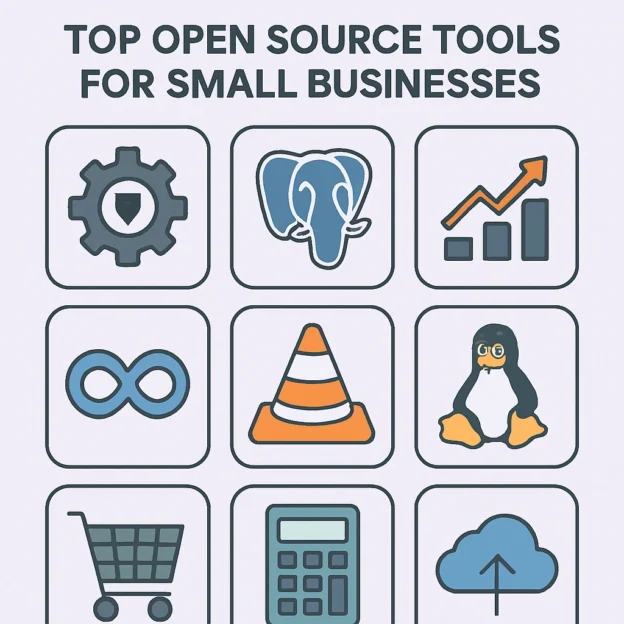
Running a small business is no small feat. You’re often wearing multiple hats, from finance to marketing, and everything in between. One of the biggest challenges faced by small business owners is managing costs while still finding effective tools to streamline operations. Thankfully, open source software has come to the rescue, offering robust solutions that won’t break the bank. Here are some of the best open source tools that can help your small business thrive!

1. Odoo

Odoo is a full-suite open source ERP (Enterprise Resource Planning) system that caters to various business needs. With modules for everything from accounting and inventory management to sales and customer relationship management (CRM), it’s a comprehensive solution for small to medium-sized businesses. The best part? Odoo has a community edition that’s free to use, making it an accessible choice for anyone looking to get organized without spending a fortune.

2. WordPress

If you’re looking to establish an online presence (and who isn’t these days?), WordPress is your go-to option. This popular content management system (CMS) is not only user-friendly but also highly customizable thanks to thousands of themes and plugins. Whether you want a simple blog, an online store, or a portfolio website, WordPress can help you achieve your vision. It’s a fantastic tool for boosting your visibility online.

3. GIMP

Graphic design on a budget? GIMP (GNU Image Manipulation Program) is an excellent alternative to pricey software like Adobe Photoshop. This open source image editor is packed with features that allow small business owners to create stunning visuals for marketing materials, social media posts, and more. While it may take a little time to get accustomed to the interface, GIMP offers tutorials and community support to help you get started.

4. Nextcloud

Data privacy is paramount for any business, especially small ones that handle sensitive information. Nextcloud is an open source file hosting platform that empowers you to keep your data secure. You can use it to store files, share documents, and collaborate with your team in a safe environment without worrying about third-party access. Plus, it’s easy to self-host, so you have full control over your file management system.

5. LibreOffice

For document creation and collaboration, LibreOffice is a fantastic option. This powerful suite includes applications for word processing, spreadsheets, presentations, and more. It’s compatible with Microsoft Office formats, so you can easily open, edit, and save files without any conversion hassles. With LibreOffice, you can run your small business office efficiently without worrying about licensing costs.

6. Slack

While Slack offers a paid version, the free tier is more than sufficient for many small businesses. It’s an open-source messaging platform that enables seamless communication and collaboration among team members, whether they’re in the office or working remotely. With channels for different projects and direct messaging capabilities, you can keep your team engaged and organized. Plus, it integrates with countless apps to supercharge your workflow!

7. Jitsi

Video conferencing has become a staple in the business world, and Jitsi is an open source tool that allows you to host secure meetings. With no special software to install, you can quickly set up a video call with just a link. It’s a great tool for small businesses looking to connect with remote team members or engage with clients in a face-to-face format without incurring hefty fees.

8. VS Code

For those in the tech field, Visual Studio Code (VS Code) is a must-have editor. It’s lightweight, has an intuitive interface, and supports a ton of programming languages. Whether you’re managing your website, building an app, or developing software, VS Code offers powerful tools and extensions that help you write code efficiently without the bulky downloads.

9. Mailtrain

Email marketing is still one of the most effective tools for connecting with customers. Mailtrain is an open source application that allows you to manage your email lists and campaigns. With features like segmentation and tracking, you can tailor your messaging to specific audiences and analyze your performance—all from a self-hosted platform.

10. Trello

While it’s not fully open source, Trello offers a fantastic free tier that can be invaluable for project management. It uses a card and board system to help you organize tasks, assign responsibilities, and keep track of progress. The visual layout makes it easy for any team, no matter the size, to see what’s in the pipeline and what needs attention.

Running a small business doesn’t have to be a monumental challenge thanks to the myriad open source tools available today. Each of these options not only provides functionality but also helps to foster creativity, collaboration, and productivity. By leveraging these resources, you can keep your costs low while still giving your business the technological edge it needs to succeed. So, why not explore these options and see how they can play a role in your business growth journey? Happy exploring!

Harnessing Open Source Software for Agile Business Practices

Harnessing Open Source Software for Agile Business Practices

In today’s fast-paced business landscape, agility is key. Organizations that can adapt quickly to change, whether it’s a new market trend or shifts in consumer behavior, are the ones that thrive. One tool that many companies are turning to in their quest for agility is open source software. But what exactly is open source, and how can it benefit modern business practices? Let’s dive into why businesses should consider leveraging this burgeoning field.

What is Open Source Software?

At its core, open source software is simply software whose source code is made available to the public. This means anyone can view, modify, and distribute the code. Think of it like a community garden—every gardener (or developer) can contribute their unique expertise to grow a vibrant and flourishing project. Examples include well-known platforms like Linux, Apache, and WordPress. Each comes with a strong community backing and continuous innovation.

Agile Methodology and Its Principles

Agile methodology is all about flexibility, collaboration, and customer feedback. It encourages breaking projects down into smaller increments with frequent reassessments and adaptations. Key principles include delivering working software regularly, welcoming changing requirements, and maintaining a close relationship with stakeholders.

Now, combining agile with open source isn’t just beneficial; it’s practically a match made in tech heaven.

The Benefits of Open Source in Agile Business Practices

  1. Rapid Iteration and Flexibility
    One of the most significant advantages of open source software is its ability to adapt. With a vast community of developers continually improving software, businesses can easily customize their tools to fit changing needs. Instead of waiting for a proprietary vendor to develop that much-needed feature, teams can implement changes on the fly, promoting faster iterations and quicker responses to market demands.

  2. Cost-Effectiveness
    Proprietary software licenses can be expensive, especially for small and medium-sized businesses. Open source provides a budget-friendly alternative. While there may be costs involved in implementation and development, adopting open source solutions can reduce software licensing and maintenance expenses, allowing businesses to allocate resources elsewhere.

  3. Community Support and Collaboration
    The beauty of open source is found in its community. When using open source software, you have access to forums, discussions, and a plethora of documentation. This shared knowledge base encourages collaboration, which is a fundamental principle in agile practices. Teams can share insights, troubleshoot issues together, and even contribute back to the community, thereby fostering a culture of cooperation and innovation.

  4. Transparency and Security
    With open source, anyone can review the code, which can actually make it more secure than proprietary solutions. Bugs and vulnerabilities can be identified and fixed quickly by the community. This transparency builds trust and allows businesses to ensure their software meets security standards, all while remaining compliant with various regulations.

  5. Integration with Existing Systems
    Agile methodologies often require tools that easily integrate with existing software. Open source software frequently provides better interoperability with a broader range of platforms. Businesses can often connect different solutions seamlessly, creating customized ecosystems tailored to their operations without the cumbersome restrictions that proprietary software might impose.

Real-World Examples of Open Source in Agile Practices

Many organizations are already riding the open source wave. For instance, companies like Red Hat have capitalized on providing support and services around open source software, proving that there’s significant business value in community-driven solutions. Others, like NASA, openly use and share their open source projects to foster innovation and collaboration, showcasing the practicality of open source in agile environments.

In the realm of software development, tools like Git—an open source version control system—have become the backbone for agile teams, allowing for parallel workflows and rapid iteration cycles. It facilitates code sharing and versioning, crucial to maintaining an agile workflow.

Embracing a New Mindset

In a world where change is the only constant, the ability to pivot quickly can set a business apart. Open source software not only provides a practical solution to agility challenges but also fosters a culture of innovation, collaboration, and community spirit. By embracing this approach, businesses can transform the way they operate and adapt to the ever-evolving marketplace.

As organizations contemplate their strategies moving forward, it’s essential to keep an open mind about the tools at their disposal. Open source isn’t merely an alternative; it’s an opportunity to harness collective talent, reduce costs, and enhance flexibility in the face of uncertainty. Through this, companies can not only survive but thrive in a dynamic environment, ensuring they’re always a step ahead.