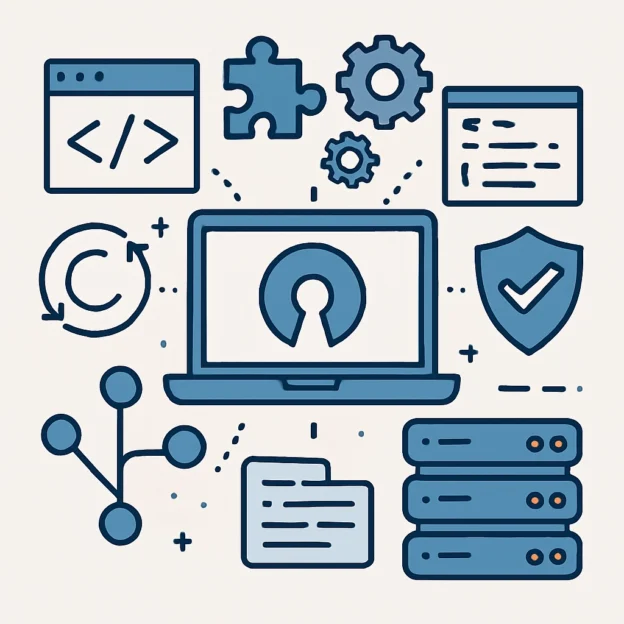
The Role of Open Source in Modern Software Development
In today’s tech landscape, the phrase "open source" pops up all over the place—much like that catchy song you can’t seem to get out of your head. But what does it really mean, and why is it such a hot topic in the world of software development? Whether you’re a developer, a tech enthusiast, or just someone curious about how the digital tools we use are made, understanding the role of open source in modern software can open your eyes to a whole new world.
What is Open Source?
At its core, open-source software is defined by one simple principle: its source code is made available to anyone for modification, enhancement, or redistribution. This democratizes the software creation process, allowing anyone with some coding skills to dive into a project, suggest improvements, or even create their own variations. It’s like a communal recipe book where everyone is welcome to add their favorite tweaks.
Think about it: some of the most popular tools we use today, like the Linux operating system and the Apache web server, were born from the open-source model. Each has thrived thanks to countless contributors who believed in collaboration and shared goals.
Collaboration and Community
One of the standout features of open-source software is its community-driven approach. Unlike traditional software development, which often involves closed teams, open-source projects thrive on collaboration. Developers from around the world can contribute their unique perspectives and skills, effectively creating a melting pot of ideas and innovation.
This collective mindset often leads to faster problem-solving and the ability to adapt more quickly to changing user needs. Teamwork makes the dream work, they say! Whether it’s fixing bugs, adding features, or updating documentation, many hands make light work.
This community spirit also results in a sense of ownership among contributors. Developers are not just coding in isolation; they are part of a larger movement pushing boundaries and refining tools that everyone can use and benefit from. It’s like being part of a global maker community, where what you build can help shape the future!
Cost Efficiency
For businesses, embracing open-source software can also lead to significant cost savings. Instead of shelling out hefty licensing fees for commercial software, companies can tap into a wealth of free, high-quality alternatives. Think about it: for startups and small businesses with tight budgets, open source is like finding a treasure chest full of valuable tools.
Imagine a new startup looking to create a compelling web application. With open-source frameworks like Django or React at their disposal, they can build their project without needing to spend a small fortune on software licenses. This enables a leaner operation, allowing them to focus on growth and innovation instead of worrying about financial constraints.
Innovation and Continuous Improvement
Open-source has a remarkable way of driving innovation. When multiple minds contribute to a project, it leads to continuous improvement and agility. Features can be added, bugs can be fixed, and code can be optimized much faster than in a traditional environment. This rapid pace of development keeps software dynamic and relevant in a world that never stops changing.
Consider how quickly popular libraries like TensorFlow have evolved, largely thanks to a thriving community of AI enthusiasts and developers who push the boundaries of what’s possible. They share knowledge, collaborate on research, and iterate at lightning speed. As a result, innovations that once took years to develop can be rolled out in months—if not weeks!
Security and Transparency
It might sound ironic, but open-source can actually enhance software security. While some people worry that making the code public exposes vulnerabilities, the opposite is often true. More eyes on the code mean more potential for finding and fixing security holes before they can be exploited.
Open-source communities are notorious for vigilance. When issues arise, they often have a cadre of developers ready and willing to respond—from bug fixes to patches—in near real-time. This kind of transparency not only builds trust with users but also elevates the overall quality of the software.
Looking Forward
As we look towards the future of software development, the role of open source will only become more crucial. With the rise of AI, IoT, and other cutting-edge technologies, a collaborative, transparent approach will be vital for fostering innovation and ensuring that these tools are accessible to all.
In a world that can sometimes feel divided, open source reminds us of the power of community and shared knowledge. It invites us to step in, collaborate, and contribute to something larger than ourselves. So next time you use your favorite app or tool, take a moment to appreciate the open-source community that may have played a part in bringing it to life. After all, we’re all in this tech journey together, aren’t we?