Creative Commons and Open Source: What You Should Know

Creative Commons and Open Source: What You Should Know

In today’s digital world, sharing ideas, art, and software has never been easier—or more important. As creators, contributors, and consumers, understanding how to navigate the waters of copyright and licensing can feel like a daunting task. That’s where Creative Commons and open-source licenses come into play. These are two powerful tools designed to foster a culture of sharing while respecting the rights of creators. Let’s dive into these concepts and explore what they mean for you.

What Are Creative Commons?

Founded in 2001, Creative Commons (often abbreviated as CC) is a nonprofit organization that helps creators share their work with the world while retaining certain rights. It provides a suite of free, easy-to-use licenses that allow creators to express how they want their work to be used. Think of it as a way to give permission in advance.

Creative Commons licenses allow people to use works legally without having to ask permission each time. They come in several flavors:

  1. CC BY: Lets others distribute, remix, adapt, and build upon the original work, even commercially, as long as they credit the creator.
  2. CC BY-SA: Similar to CC BY but requires derivative works to be licensed under the same terms.
  3. CC BY-ND: Allows others to use the work commercially but prohibits modifications, ensuring the original work remains unchanged.
  4. CC BY-NC: Lets others remix, tweak, and build upon the work non-commercially, while giving credit to the creator.
  5. CC BY-NC-SA: Similar to BY-NC but requires derivative works to be licensed under the same terms.
  6. CC BY-NC-ND: The most restrictive license, allowing others to download and share the work as long as they credit the creator, but no modifications or commercial use.

This system encourages collaboration, giving creators the flexibility to choose how their work is used while encouraging the public to share and innovate.

The World of Open Source

On the other side, we have open-source software. The open-source movement began in the late 1970s and gained significant momentum in the late 1990s, advocating for the idea that software should be free to use, modify, and distribute. Open-source software typically comes with a license that specifies how it can be used. Popular open-source licenses include the GNU General Public License (GPL), the MIT License, and the Apache License.

The beauty of open-source software lies in its collaborative nature. When someone discovers a bug or wants to enhance a feature, they can dig into the code and make those changes. This openness improves software quality, fosters innovations, and builds strong communities around projects.

The Overlap and Differences

At first glance, Creative Commons licenses and open-source licenses might seem similar—they both promote sharing and collaboration. However, they are used in different realms: Creative Commons is usually applied to creative works like texts, videos, and artworks, while open-source licenses are specific to software development.

What’s more, while Creative Commons offers varying degrees of permissions, open-source licenses, especially the more popular ones, typically allow users to modify and redistribute software freely, provided compliance with the license terms—which can be more technical than artistic.

Why It Matters

Understanding these licenses isn’t just for creators; it’s essential for consumers too. Imagine stumbling upon an inspiring image only to find out later that you’re not supposed to use it without permission. Or using open-source software without understanding its license could lead to potential legal issues, especially if you’re in a business setting.

By embracing Creative Commons and open source, we contribute to a richer cultural landscape where ideas flow freely, and innovation thrives. Whether you’re an artist looking to share your work, a software developer creating the next big app, or simply a curious learner exploring digital content, knowing your way around these licenses can help you navigate the creative commons landscape with confidence.

Final Thoughts

In a world teeming with content—some free, some protected—it’s crucial to understand how to share and use works ethically and legally. Creative Commons and open-source licenses provide a framework that respects the rights of creators while encouraging sharing and collaboration. By becoming a more informed participant in this ecosystem, you’ll not only enhance your own creations but also contribute positively to the digital culture we all share. So, the next time you come across an artistic work or a software project, remember: understanding these licenses isn’t just a technicality; it’s a pathway to wider creativity and community engagement!


The Role of Open Source in Data Privacy and Security

The Role of Open Source in Data Privacy and Security

In today’s digital landscape, where data breaches and privacy concerns are prevalent, the need for robust security measures is more crucial than ever. As we navigate this intricate web of technology, open source software is stepping into the spotlight, offering unique solutions to ensure data privacy and security. Let’s dive into how open source contributes to these vital aspects and explore its growing importance in safeguarding our digital lives.

What is Open Source?

At its core, open source refers to software whose source code is freely available for anyone to view, modify, and distribute. This collaborative approach encourages developers from around the world to contribute to a project, fostering innovation and transparency. Unlike proprietary software, where the code is guarded like a closely held secret, open source invites scrutiny and collaboration, which can lead to more secure and reliable applications.

Transparency and Trust

One of the most significant advantages of open source software is transparency. Users can inspect the code and verify its quality, security, and integrity. This level of visibility fosters trust among users, especially those handling sensitive data. For organizations focused on compliance with regulations like GDPR or HIPAA, employing open source solutions can help demonstrate commitment to data privacy and security.

When security vulnerabilities are discovered in proprietary software, it often takes time for the company to address the issue. In contrast, open source projects can be more agile. A community of developers can quickly react to potential threats, patching vulnerabilities at a speed that proprietary companies may struggle to match. The collaborative nature of open source means that security is a shared responsibility, significantly enhancing the safety of the software.

Community Collaboration

Open source thrives on community engagement. Developers, security researchers, and users come together to improve the software continually. This collaborative effort not only promotes a culture of sharing knowledge but also leads to more secure solutions. For example, some of the most trusted encryption libraries and security tools are open source, benefiting from contributions from experts in the field.

Take OpenSSL, a widely used library for implementing secure communication over computer networks. It’s open source, meaning anyone can inspect the code. When a critical vulnerability was discovered in 2014 (Heartbleed), the community rallied together to raise awareness, provide patches, and educate users about the potential risks. Such events highlight the power of community-driven efforts in enhancing security measures across the board.

Cost Efficiency

For many organizations, especially small businesses and startups, the cost of proprietary software can be prohibitive. Open source software often eliminates license fees, reducing the financial barrier to high-quality security tools. This accessibility allows organizations to allocate resources towards implementing security measures that may have been otherwise out of reach.

Moreover, many open source projects come with robust support forums and communities. Users can often find resources, tutorials, and answers to their questions without paying for formal support services. With a supportive community, users can implement and customize security solutions without the hefty price tag that typically accompanies proprietary software.

Innovation at a Fast Pace

The open-source model encourages innovation. With thousands of developers actively sharing ideas and solutions, open source projects often evolve rapidly to address emerging challenges in the tech landscape. As new threats arise, the community can respond quickly by developing patches and new features that enhance security further.

For instance, the rise of cloud computing and data processing technologies has necessitated the development of tools that are tailored to protect data in these environments. Open source projects, such as Kubernetes and Docker, continue to innovate at a breakneck pace, integrating security features that address the unique challenges posed by these new technologies.

The Road Ahead

While open source presents numerous advantages for data privacy and security, it’s essential to approach these solutions with caution. Not all open source projects are created equal, and not every project will have the same level of community support or scrutiny. It’s crucial to choose projects that have an active community and regular updates, as these aspects often indicate reliability and security.

In addition, integrating open source solutions into your security strategy should be done thoughtfully. It’s vital to conduct proper assessments and understand the risks involved in any software before deployment.

Open source is not just a trend; it’s a movement toward a more transparent, secure, and accessible technological ecosystem. By embracing open source tools and fostering a culture of collaboration, organizations can significantly enhance their data privacy and security measures. As we move forward in this digital age, leveraging the power of open source could very well be key to building a safer online environment for all.

The Hidden Costs of Going Proprietary: What You Need to Know

The Hidden Costs of Going Proprietary: What You Need to Know

In today’s tech-savvy world, decisions about software and hardware can feel a bit like navigating a maze. With so many options out there, it’s easy to get swept up in the allure of shiny proprietary solutions that promise unparalleled performance and convenience. However, before you take the plunge, it’s crucial to understand the hidden costs of going proprietary. These costs can extend far beyond the initial price tag, affecting your budget, flexibility, and even your team’s morale. So pull up a chair, grab your favorite beverage, and let’s dive into the nitty-gritty!

The Initial Investment

First off, let’s talk about the obvious: the initial cost. Proprietary software and hardware often come with a hefty price tag. Companies like Microsoft, Adobe, or Apple bank on their reputation, sometimes charging more than alternatives. While quality is usually a hallmark of proprietary products, an important question to ask is whether it’s worth the investment when there are open-source or lower-cost competitors available that might meet your needs.

However, those initial costs are just the tip of the iceberg. Have you factored in ongoing subscription fees? Some proprietary software options operate on a subscription model, pulling your budget down month after month. This can be manageable when you’re working with a team of three, but what happens when you scale up? Factor in all the users and subscriptions, and suddenly, your monthly costs can spiral out of control.

Lack of Customization

Now, imagine this: you’ve invested in a top-of-the-line proprietary system that promises to make your life easier. But after using it for a few months, you start to feel boxed in. Proprietary solutions often come with a one-size-fits-all approach, leaving you struggling to adapt it to your specific needs.

In an age where adaptability is crucial, the inability to customize these systems can feel like a real burden. Just think about it: if your company has unique workflows or specialized requirements, proprietary software might not have the agility you need. You might find yourself spending extra time—or, even worse, compromising on your processes just to fit into the system’s limitations.

Dependency and Vendor Lock-in

Another hidden cost lurking in the shadows of proprietary solutions is vendor lock-in. By choosing a proprietary system, you are often tethered to that specific vendor’s ecosystem. Imagine how stressful it can be to rely on one company for critical software updates and support. What if they discontinue a feature you rely on, or worse, decide to increase prices significantly? The emotional and financial toll of switching horses mid-race can be hard to ignore.

Moreover, when you’re dependent on a vendor’s support and updates, you may face delays or issues that disrupt your workflow. Having to wait for patches, updates, or customer support can become a significant business cost, with lost productivity weighing heavily on your operation.

Hidden Costs of Training

Let’s also touch on the learning curve that comes with proprietary software. Sure, it’s shiny and modern, but what about the hours (and dollars) sunk into training your team? When you opt for proprietary solutions, you may encounter a hefty training cost, especially if your team is familiar with other platforms.

And here’s where it can get sneaky: different team members might adapt at different rates. If you have one or two tech-savvy individuals who pick it up quickly while others are struggling, it can create inefficiencies and divides within your team. The time taken away from productive work to sit through training sessions or sift through documentation adds up, impacting your overall return on investment.

Compatibility Issues

Lastly, let’s not forget about compatibility concerns. Proprietary systems can make it challenging to integrate with other applications or systems, especially if they’re open-source or come from other vendors. Imagine the frustration of having your shiny new system not mesh seamlessly with your existing tools! Incompatibility can lead to unexpected expenses, such as the need for additional software or custom integrations that you hadn’t budgeted for.

The Bigger Picture

So, what does all of this mean for you? Choosing proprietary solutions can certainly provide benefits, like higher reliability and dedicated support. However, before committing, it’s essential to assess all dimensions of the decision—both seen and unseen. Knowing the hidden costs gives you the power to make informed choices that not only fit your needs today but also anticipate the future.

Ultimately, whether you go proprietary or choose an alternative, the key is to weigh the investment against the value it brings to your organization. Equip yourself with the knowledge to navigate the maze and make choices that align with both your present requirements and future growth. So, think long and hard before signing that contract; sometimes the best choice is the one that empowers you the most!

How Open Source Solutions are Shaping the Future of Work

How Open Source Solutions are Shaping the Future of Work

In an ever-evolving digital landscape, the way we work is changing faster than ever. Remote work, flexible hours, and the rise of gig economies are just the tip of the iceberg. One of the quiet forces driving these changes is open source software—tools and technologies that are developed in a collaborative manner and shared freely for anyone to use, modify, and distribute. But how exactly are these open source solutions shaping the future of work? Let’s dive in.

The Power of Collaboration

At its core, open source is all about collaboration. When people come together to contribute their skills and ideas, amazing things can happen. With open source projects, developers from all around the world can work on the same codebase, fixing bugs, adding features, and continuously improving software. This collaborative spirit translates well into the modern workplace, where remote teams often have to rely on effective communication and teamwork to get things done.

Tools like GitHub and GitLab not only facilitate coding but also foster community among developers. They allow teams to track changes, suggest improvements, and even automate some of their workflow. This spirit of openness can inspire a similar culture in workplaces, promoting transparency, knowledge sharing, and collective problem-solving.

Cost-Efficiency

Let’s face it: businesses are always looking for ways to cut costs without compromising quality. Open source software provides an attractive solution. Many companies can save significant amounts of money by adopting open source tools rather than paying for expensive licenses for proprietary software.

Whether it’s content management systems like WordPress or collaborative office tools like LibreOffice, businesses can access robust features without the hefty price tag. For startups and smaller companies, this is especially vital, as it allows them to allocate resources elsewhere, such as hiring talent or marketing their services.

Flexibility and Customization

Every business is unique, and that’s where open source really shines. Unlike proprietary software, which often comes with a one-size-fits-all approach, open source solutions can be customized to meet specific needs. Organizations can tweak or even completely rework software to align with their operations, enhancing productivity and performance.

For example, if a company uses an open source project management tool, it can modify the tool to implement its own workflow and reporting structure, rather than adapting to the constraints of off-the-shelf software. This level of flexibility allows companies to respond more adeptly to market changes and internal challenges.

Empowering Diverse Teams

The modern workforce is incredibly diverse, with talents coming from various cultural and professional backgrounds. Open source solutions promote inclusivity by breaking down barriers—people don’t need formal degrees or long-standing resumes to contribute. If they have expertise or ideas, they can join the conversation.

These platforms encourage voices from diverse backgrounds, which not only enhances creativity but also leads to richer, more well-rounded solutions. It creates a sense of belonging, with individuals feeling valued for their contributions regardless of their titles or years of experience.

Embracing Continuous Learning

The technology world changes at lightning speed, and keeping up can feel overwhelming. Open source solutions help establish a culture of continuous learning. Developers and teams involved in these projects are often committed to staying up to date with the latest advancements, whether by contributing code or even just following project updates.

Incorporating open source tools allows employees to experiment, learn, and grow their skill sets. It empowers them to explore different technologies and methodologies, enhancing both individual and team capabilities, and making them more agile in an ever-shifting marketplace.

A Glimpse into the Future

As we move forward, the embrace of open source solutions is likely to grow. Companies will see the value in leveraging collaborative tools to build stronger teams, drive innovation, and enhance adaptability. We are already witnessing a seismic shift toward remote and hybrid work environments, and open source software supports this transformation by providing the necessary tools and frameworks that facilitate teamwork regardless of geographic barriers.

Moreover, the principles of open source—innovation, transparency, and community—align beautifully with the future workplace ethos of flexibility, inclusivity, and collaboration. Just imagine: as more organizations realize the benefits of open culture, we could end up with workplaces that are not only more productive but also more innovative and engaging.

In embracing open source, we’re not merely changing how we use technology; we’re redefining our approach to work itself. Although the specifics may evolve, one thing seems certain: the future of work will be increasingly shaped by ideas that are open, collaborative, and accessible to everyone. And that, in itself, is a future worth striving for.

The Intersection of Open Source and Cloud Computing

The Intersection of Open Source and Cloud Computing

In recent years, the tech landscape has been illuminated by two powerful trends: open source software and cloud computing. Individually, they have revolutionized the way we develop and deploy applications, allowing for flexibility, innovation, and collaboration. But when these two giants intersect, the impact on businesses and developers is nothing short of transformative. So, let’s dive into how open source and cloud computing work together to create a better world for technology enthusiasts, entrepreneurs, and enterprises alike.

What is Open Source?

First, let’s clarify what we mean by open source. Open source software is software that is released with source code available for anyone to view, use, modify, and distribute. Popular examples include the Linux operating system, the Apache web server, and the Kubernetes container orchestration system. The core principle of open source is collaboration; it encourages developers from different backgrounds and expertise to contribute faster, more reliable, and efficient software solutions. Often, this results in rapidly evolving applications that can adapt to new technologies and user needs without the bottleneck of proprietary software development cycles.

The Rise of Cloud Computing

On the other hand, cloud computing offers a different layer of convenience and scalability. It allows users to access and store data and applications online, rather than on a local computer’s hard drive. This has become a game-changer for businesses, providing them with the ability to scale resources up or down based on their needs without investing heavily in physical hardware.

Major players like AWS, Microsoft Azure, and Google Cloud Platform have made it easier than ever for companies to deploy applications globally and pay only for what they use. The cost-effectiveness and flexibility of cloud solutions have accelerated digital transformation across various sectors.

Synergy Between Open Source and Cloud

Now, when we look at the nexus between open source and cloud computing, things get interesting. Open source software can be seamlessly integrated into cloud infrastructures, allowing businesses to take advantage of the best both worlds offer.

For one, many cloud service providers support open source tools and technologies, often offering managed services for popular open source projects. For example, you can now deploy applications on cloud platforms using open-source databases like PostgreSQL or MySQL without worrying about maintenance and scaling issues. This approach streamlines workflows, enabling teams to focus on developing innovative applications rather than spending energy on server management.

Enhancing Collaboration and Innovation

This intersection of open source and cloud computing enhances collaboration not just among developers but also within enterprises. Open source communities thrive on shared knowledge and collective problem-solving, and these communities are often more transparent than their proprietary counterparts. When companies use open-source software within cloud environments, they can leverage vast resources and talent from the global developer community.

Moreover, in a world where innovation moves at breakneck speed, businesses that adopt open source methodologies are often more agile. They can iterate on their products quickly, incorporating feedback and new features while benefitting from the community’s insights and enhancements. The pace of innovation is invaluable in tech, and being part of an open source community guarantees that you stay at the forefront of development.

Security and Control

Another advantage of using open source software in cloud environments is the increased security control it offers. Since the source code is accessible to anyone, it also means that anyone can contribute to its improvement. Bugs and vulnerabilities are often identified and resolved faster compared to closed-source software, where proprietary protections can obscure issues.

This is especially important in cloud computing, where security is a top concern for organizations. Utilizing open source solutions allows companies to have a deeper understanding of their software stack and the freedom to customize it according to their security needs. They can implement specific features or patches that fit their unique requirements, rather than relying on third-party vendors.

The Future Ahead

As we look to the future, the intersection of open source and cloud computing promises even greater opportunities. With the rise of edge computing, artificial intelligence, and machine learning, we can expect innovative open-source solutions that will navigate these new terrains effectively.

Organizations that embrace this convergence will not only stay competitive but can also contribute positively to a culture of innovation within the tech community. The potential for developing groundbreaking solutions is limitless when collaborative spirit and cloud technology come together.

In the end, the synergy between open source and cloud computing continues to reshape the digital frontier. By breaking down barriers, fostering collaboration, and promoting transparency, this intersection paves the way for a more innovative, secure, and efficient future in technology. If there’s ever been a time to explore what open source and cloud can do together, it’s now. Just imagine the possibilities waiting at your fingertips!

A Guide to Starting Your Own Open Source Project

A Guide to Starting Your Own Open Source Project

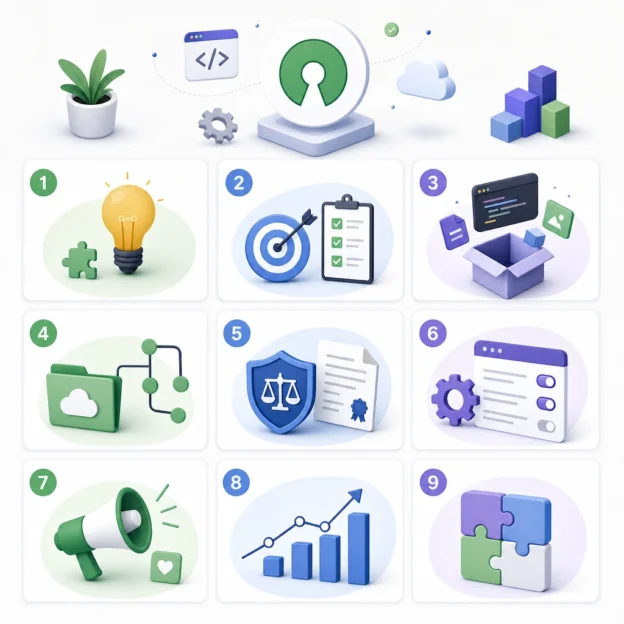
Have you ever found yourself frustrated with software that doesn’t quite meet your needs? Or maybe you’re a developer eager to share your skills and contribute to the digital world? Starting your own open source project is a fantastic way to address both of those situations! But where do you even begin? Fear not! I’m here to guide you through the exciting journey of creating an open source project that could benefit countless others while allowing you to hone your skills and expand your network. Let’s dive in!

Identify the Problem

First things first: every great open source project begins with a problem. Think about what you encounter in your daily life—whether it’s cumbersome software, a lack of resources, or even a niche that’s not well-covered. The best projects often stem from personal frustration or the desire to improve something you care about.

Once you’ve pinpointed the issue, it’s essential to validate it. Chat with others in forums, seek opinions on social media, or even conduct surveys. Ensuring that other people resonate with your problem will help you gauge interest and attract contributors down the road.

Define Your Project

With a problem in hand, it’s time to define your project. What solutions can you offer? Write down your vision statement. A clear, concise mission will not only guide your development but also attract collaborators who share your goals.

Think about the scope of your project—aim for something that’s challenging yet manageable. If your project is too broad, you may become overwhelmed and abandoned halfway through. An excellent tip is to consider starting with a Minimum Viable Product (MVP), which embodies the core features necessary to address your initial problem.

Choose Your Tech Stack

Choosing the right technologies for your project is crucial. Depending on your problem, research different programming languages, frameworks, and databases that might best suit your needs. Look for technologies that have good community support and documentation, as this will help you as well as any contributors later on.

Keep in mind that simplicity can often be your best friend. If your project is welcoming to newcomers, you’ll likely gain a community of contributors faster.

Set Up Your Repository

Now that you have a plan, let’s talk logistics. Setting up an online repository is a must for any open source project. Platforms like GitHub, GitLab, or Bitbucket are trendy choices for hosting your code. When you set up your repository, make sure you include:

  • A clear README.md file: This is essentially your project’s front door. It should explain what your project does, how to install it, and how to contribute.
  • A LICENSE file: Open source means that you need to determine how others can use your code. Choosing a license (like MIT or GPL) is crucial for clarifying the terms of use.
  • A CONTRIBUTING.md file: If you want others to contribute, provide guidelines on how they can do that. Outline the process for reporting bugs, submitting features, or writing documentation.

Organizing your files, using proper naming conventions, and creating directories for different features will also set a strong foundation for others to jump in easily.

Build a Community

Every open source project reaches a point where it’s not just about code. It’s about community. Engage with developers on forums, social media, or sites like Reddit to spread the word about your project. Consider creating a Discord or Slack channel where contributors can discuss ideas, report issues, and offer feedback.

Don’t shy away from attending local meetups or tech conferences to showcase your work! Networking with other developers can lead to meaningful collaboration. Sometimes, just one conversation can ignite a spark that brings new life to your project.

Maintain Your Project

Building your open source project is just the start—it’s essential to keep it alive. Regularly check for new issues, respond to pull requests promptly, and engage with your community. Your project’s success relies on maintaining a healthy environment where contributors feel valued and inspired to help.

Make sure to document changes, keep an eye on dependencies, and regularly update your project. This not only enhances your codebase but also signals to the community that you’re actively invested in your project.

Embrace the Journey

Starting your own open source project is a rewarding experience full of learning opportunities. Be prepared for challenges, but remember that these hurdles often lead to skills you never knew you needed. You might even inspire others to start their open source journeys, helping to build a bigger community and encouraging collaboration.

As you embark on this exciting venture, keep your passion at the forefront, and remember that the open-source spirit thrives on collaboration and sharing. Who knows? Your little project could transform into a community landmark, benefiting not just you, but countless others around the globe. Happy coding!

Crafting Robust Software with Open Source Technologies

Crafting Robust Software with Open Source Technologies

In today’s tech-driven world, the demand for software is more significant than ever. Businesses, from startups to established enterprises, are on the lookout for effective and efficient solutions to handle their ever-growing digital needs. Enter open source technologies—a treasure trove of tools and frameworks that can help developers create robust software without breaking the bank. Whether you’re a seasoned coder or just starting your programming journey, understanding open source can unlock a world of possibilities.

What is Open Source?

At its core, open source refers to software that is released with a license allowing anyone to use, modify, and distribute it. This community-driven approach fosters collaboration, innovation, and transparency, making it possible for talented developers from around the globe to contribute to projects, improving them for everyone.

Some popular open source projects include the Linux operating system, Apache web server, and the popular programming language Python. Each of these has a vibrant community that actively develops and supports the software, ensuring it is continuously updated and maintained.

The Benefits of Open Source

Using open source software comes with a host of advantages that can significantly impact your development process:

1. Cost-Effective Solutions

One of the most appealing aspects of open source technologies is that they often come at no cost. For businesses looking to minimize expenses without compromising on quality, leveraging open source solutions makes perfect sense. You can access powerful tools without hefty licensing fees, allowing resources to be allocated to other crucial areas of your software development lifecycle.

2. Flexibility and Customization

Open source software can be tailored to fit your specific needs. Since you have access to the source code, you can modify it to align perfectly with your project requirements. This level of flexibility allows developers to innovate and create unique solutions that would be far more challenging with proprietary software.

3. Strong Community Support

One of the main drivers of open source is its community. By joining the ranks of open source advocates, developers benefit from extensive support networks. Online forums, documentation, and community-driven platforms like GitHub make it easy to collaborate and find solutions to common problems. Not to mention, the diversity of thought and experience found in these communities can inspire new ideas and enrich your project.

4. Continuous Improvement

With many eyes on a product, identifying and fixing bugs becomes a team effort. Open source projects often see rapid iterations and enhancements, making them more stable and secure over time. Community contributors regularly report issues, suggest features, and deploy fixes, ensuring that your software project can leverage these ongoing improvements.

Popular Open Source Technologies

If you’re eager to explore the open source realm, here’s a glimpse of some standout technologies worth considering:

1. Operating Systems: Linux

Linux is the powerhouse behind countless applications and servers globally. Known for its stability and security, it comes in various distributions—like Ubuntu, Fedora, and CentOS—offering something for every user, whether you’re looking for a user-friendly interface or a robust server platform.

2. Web Development: React and Angular

React (developed by Facebook) and Angular (developed by Google) are two dominant frameworks in the web development world. Designed for building user interfaces, both provide flexibility and performance enhancements, making them ideal for creating responsive and captivating web applications.

3. Database Management: PostgreSQL

PostgreSQL is an a robust open source relational database management system known for its advanced features like complex queries, foreign keys, and triggers. With strong performance and scalability, it’s a favored choice for many developers building data-intensive applications.

4. Collaboration Tools: Git

Every developer has heard of Git, the version control system that revolutionized how we manage code. It allows developers to track changes, collaborate seamlessly, and merge code more effectively. Using GitHub or GitLab as a host platform enables the community to contribute to projects, making it a vital tool in the open source ecosystem.

The Road Ahead

As you embark on your software development journey, embracing open source technologies can open doors to innovation, speed, and cost savings. With a supportive community and an array of tools at your disposal, creating robust software no longer feels like an uphill battle. Instead, it becomes an exciting venture filled with collaboration and the joy of building something meaningful in an ever-evolving digital landscape.

So, dive into the open source world, contribute to the community, and watch as your software development skills flourish!

The Economic Impact of Open Source Software on Startups

The Economic Impact of Open Source Software on Startups

In today’s fast-paced tech scene, startups are the shiny new stars that everyone seems to be talking about. They come in all shapes and sizes, from those that disrupt traditional industries to those that carve out entirely new markets. One thing that many successful startups share is their reliance on open source software (OSS). But what is open source software, and why is it such a game-changer for budding businesses? Let’s dive into the economic impact of OSS on startups and uncover how it’s reshaping the entrepreneurial landscape.

What Is Open Source Software?

At its core, open source software is like a community recipe—anyone can view, modify, or build upon it. Unlike proprietary software, which is carefully guarded and often comes with hefty licensing fees, OSS is designed to be collaborative. This means a startup can access powerful tools, frameworks, and platforms without the burden of traditional costs.

Think of it as a thriving potluck dinner. Instead of having to provide the whole meal (which could really stretch a tight budget), you can contribute a dish or two, benefiting from a veritable feast of shared resources. In other words, OSS empowers startups to innovate without needing cash flow that typically weighs them down.

Cost Savings: The Bottom Line Booster

For startups, capital is often tight. The overwhelming majority of new businesses are bootstrapped, meaning owners and founders are pouring their own money into their companies. By leveraging OSS, startups can significantly reduce their initial costs. Rather than spending a fortune on software licenses, they can utilize industry-standard tools like Linux, Apache, and Python for free or at a nominal cost.

Imagine a budding tech company needs to develop its minimum viable product (MVP)—the most basic version of a product that can still deliver value to customers. By relying on OSS, they can allocate more resources to marketing and user experience, which are critical for early-stage growth. This strategic use of funds can mean the difference between a startup surviving or fading into obscurity before it even launches.

Enhanced Collaboration and Innovation

One of the most remarkable aspects of open source software is its collaborative nature. Because anyone can contribute to an OSS project, startups benefit from a broad pool of creativity and expertise. This community-driven model encourages rapid iteration and innovation. Startups that utilize OSS often find themselves integrating cutting-edge features that might not be possible if they were stuck with traditional software ecosystems.

Additionally, being part of a community allows startups to quickly access support and resources. Startups can tap into forums and user groups to solve problems, share knowledge, and learn best practices from other developers and users. This level of collaboration not only enhances the product development process but also fosters a sense of shared responsibility and creativity within the tech community.

Attracting Talent

Another significant advantage of OSS for startups is its appeal to a highly skilled talent pool. Many developers prefer working with open source technologies because it allows them to showcase their skills and participate in projects they are passionate about. By adopting an open source-friendly approach, startups can attract talented individuals who are eager to contribute their expertise without the confines of a traditional corporate structure.

Additionally, developers who are accustomed to open source work thrive in environments that value innovation and collaboration. They are often more adaptable and open to change, qualities that are crucial in the rapidly evolving world of startups.

Competitive Advantage

In a crowded marketplace, having the ability to pivot quickly can be advantageous. Open source software allows startups to iterate on their products rapidly based on user feedback and market demands. By utilizing OSS, they can stay nimble and responsive, ultimately leading to a competitive edge. Startups can roll out features or updates more frequently, maintaining user engagement and satisfaction.

Furthermore, as OSS projects can be modified freely, startups can customize solutions to better suit their needs. This level of adaptability can elevate a startup’s offering above competitors that are relying on static, proprietary solutions.

Building Trust and Community

Embracing open source doesn’t just have economic advantages; it can also be a powerful marketing tool. By aligning with open source ideals, startups can promote transparency and inclusivity, building trust with potential users and customers. This reputation for openness can attract a loyal customer base that appreciates ethical business practices.

In a world that often feels dominated by corporate giants, startups that champion open source can differentiate themselves by fostering a sense of community with their users. This can lead to valuable user feedback, organic growth, and a solid foundation for future development.

In conclusion, the economic impact of open source software on startups is profound and multifaceted. From significant cost savings to fostering innovation, collaboration, and competitive advantages, OSS has reshaped how startups operate in today’s digital landscape. By harnessing the power of open source, budding enterprises are not just building products; they’re building thriving ecosystems, driving innovation, and creating opportunities for a brighter, more inclusive tech future. The next time you see a startup rise to success, remember—their journey may well have been paved with open source.

Open Source Software for Nonprofits: Empowering Communities

Open Source Software for Nonprofits: Empowering Communities

In today’s digital age, nonprofits strive to harness technology to amplify their impact, streamline operations, and connect with their communities. However, budget constraints often limit their access to robust software solutions. Enter open source software – a game changer that empowers nonprofits to innovate, collaborate, and ultimately serve their missions better, all while keeping costs down.

What is Open Source Software?

Open source software (OSS) is software that is released with a license that allows anyone to inspect, modify, and enhance the code. This philosophy promotes collaboration, transparency, and community-driven development. For nonprofits, this can mean affordable yet powerful tools to help manage everything from donor databases to volunteer coordination.

The Benefits of Open Source for Nonprofits

  1. Cost-Effectiveness: Many nonprofits operate on a tight budget. Open source software is often free to use, allowing organizations to invest those savings into their missions instead. While there may be costs associated with hosting or technical support, these are typically far lower than purchasing proprietary software.

  2. Customization: One of the biggest advantages of open source software is the ability to customize it to fit an organization’s specific needs. Nonprofits can tailor the software to their workflows, ensuring that it works exactly how they want it to. This flexibility can lead to increased efficiency and effectiveness in outreach and program delivery.

  3. Community Support: Open source projects often have strong user communities that provide support through forums, online documentation, and user guides. Nonprofits can tap into this vast network for help, best practices, and even training opportunities, which fosters a sense of community and collaboration.

  4. Transparency and Trust: In an era where security and privacy are paramount, open source software is often seen as more transparent than proprietary alternatives. With community scrutiny, vulnerabilities are quickly identified and patched, giving nonprofits peace of mind about the tools they’re using.

  5. Long-Term Viability: Relying on a single vendor presents risks, particularly when it comes to software lifecycle, updates, and support. Open source software is maintained by dedicated communities, which often ensures longevity and continuous improvements that proprietary options may not provide.

Popular Open Source Tools for Nonprofits

There’s a wealth of open source software out there that nonprofits can utilize. Here are a few standout options:

  • CiviCRM: Perfect for managing relationships, CiviCRM is a constituent relationship management tool tailored for nonprofit organizations. It helps with donor management, event planning, and campaign tracking, all while being customizable to match unique organizational needs.

  • WordPress: Initially just a blogging platform, WordPress has evolved into a full-fledged content management system (CMS) used by nonprofits worldwide. It’s perfect for building websites, sharing content, and even managing donations through various plugins.

  • Odoo: This comprehensive suite of business applications includes modules for CRM, e-commerce, project management, and more. Nonprofits can use Odoo to manage their operations from one central platform, improving efficiency across the board.

  • Nextcloud: Want to manage documents and files without compromising on security? Nextcloud allows organizations to create their own cloud storage solution, ensuring that sensitive data stays within their control while remaining collaborative.

  • Mautic: This open source marketing automation tool can help nonprofits streamline their marketing efforts, helping them reach a wider audience and engage their donors more effectively.

How Nonprofits Can Get Started

Implementing open source software is a journey, and nonprofits should start by evaluating their needs and identifying the software that meets those needs. Engaging in community forums for selected tools can provide valuable insights and tips. Some organizations might even opt to partner with tech-savvy volunteers or local tech communities to assist in the implementation process.

Training staff and volunteers is key to successful adoption. Ensuring that everyone is comfortable with the new tools will foster a smoother transition and maximize the software’s impact.

Nonprofits should also consider forming partnerships with other organizations to share knowledge and best practices in using these tools. After all, collaboration is at the heart of nonprofit work!

While the world of open source software may seem daunting at first, the potential benefits for nonprofits are tremendous. By embracing these powerful tools, organizations can reduce costs, improve efficiency, and create a more engaged community. As nonprofits empower themselves with these resources, they not only enhance their operations but also strengthen their commitment to serving their mission and communities. The future is indeed bright for nonprofits willing to harness the power of open source!

Selecting the Right Open Source Tools for Your Business Needs

Selecting the Right Open Source Tools for Your Business Needs

In today’s digital landscape, businesses have a treasure trove of options when it comes to software solutions. The rise of open-source tools has presented companies with cost-effective and customizable options tailored to their specific needs. The challenge, however, lies in choosing the right tools that align with your business objectives. With so many available options, how do you sift through the noise and find the perfect fit? Let’s explore a few critical considerations that can help you make an informed decision.

Understanding Your Business Needs

Before diving into the world of open-source tools, start by assessing your business needs. What challenges are you currently facing? Is it communication, project management, customer relationship management, data analysis, or perhaps all of the above? Taking stock of your requirements will give you a clearer picture of the functionalities and features you need from a software solution.

Involving your team in this assessment is crucial. Gather feedback from different departments to ensure you’re not missing any perspectives. Ultimately, the tools you choose should enhance productivity and streamline operations, so understanding your unique landscape is essential.

The Importance of Community Support

One major advantage of open-source tools is the vibrant communities that often back them. These communities are made up of developers, users, and enthusiasts who can provide invaluable support. When choosing a tool, consider the strength and activity level of its community. A robust community means more accessible troubleshooting, regular updates, new features, and better security, as more eyes are on the code.

Check out forums, social media groups, and GitHub pages to gauge community activity. Look at how quickly questions get answered and how often developers update the tool. A solid community can make a world of difference when you encounter a roadblock.

Flexibility and Customizability

One of the most compelling reasons businesses gravitate toward open-source tools is their flexibility. Unlike proprietary software, where you’re typically boxed into a set of features, open-source solutions can be tailored to fit your unique workflows. This customization can be especially beneficial for businesses with specific processes or needs that off-the-shelf products might not address effectively.

However, customization comes with a caveat. It can require technical know-how or even the hiring of a developer to ensure that adjustments are made correctly. Before deciding on a tool, consider whether you have the resources to handle these potential customizations, or if the out-of-the-box features will suffice.

Assessing Security and Privacy

Security is a top concern for any business in this digital age, and open-source tools are no exception. The fact that anyone can view and modify the code can be a double-edged sword. On one hand, it allows for quick identification and patches of security vulnerabilities; on the other, it may also expose your business to risks if not managed carefully.

Research the security measures that come with each tool. Look for details on how regularly security updates are issued, what protocols are in place to protect data, and whether the tool has been vetted by third-party security audits. Data privacy is equally important, especially if you handle sensitive customer information; ensure the tool complies with regulatory requirements relevant to your industry.

Total Cost of Ownership

While open-source software is often touted as a cost-effective solution, it’s essential to evaluate the total cost of ownership (TCO). This includes not just the price of purchasing or downloading the tool but also potential expenses related to implementation, training, maintenance, and support. Hidden costs can spring up fast, so it’s vital to do thorough research.

Moreover, consider whether the tool will scale with your business. An initial low price can be enticing, but if you need to switch tools later on due to growth or new requirements, it could lead to additional expenses.

Testing and Experimentation

Once you’ve narrowed down your options, it’s time to put them to the test. Many open-source tools offer free versions or trial periods, allowing you to experiment before making a commitment. Get your team involved in testing the tools’ usability and whether they truly address the needs you’ve identified.

Gather feedback from the team’s experiences and see which tools resonate best with users. The goal is to find something that your team not only can work with but is excited to use.

Navigating the world of open-source software can feel overwhelming at first, but with a little clarity on your business needs and careful consideration of potential tools, you’ll find valuable solutions that enhance your operations. Happy exploring!