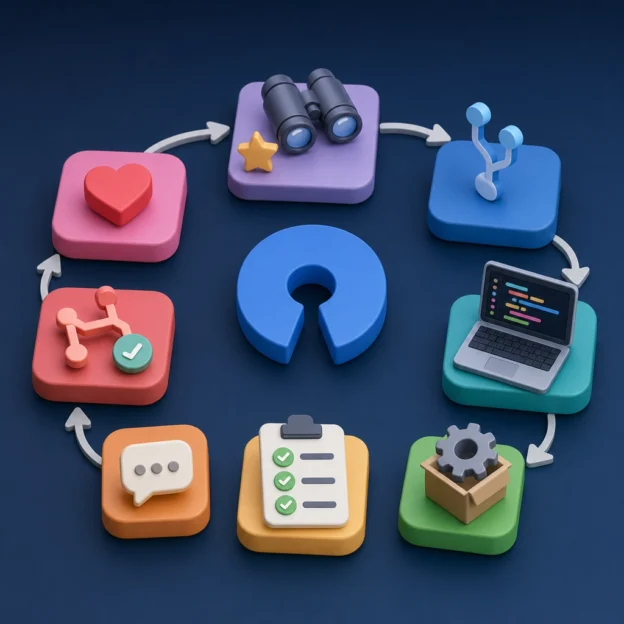
How to Contribute to Open Source Software Projects
Have you ever wanted to contribute to an open source software project but didn’t know where to start? You’re certainly not alone! Open source projects cover a wide range of categories, from web development to data analysis and everything in between. Getting involved can seem a little daunting at first, but with a little direction and some enthusiasm, you’ll find that it can be both fulfilling and fun.
Why Contribute?
Before diving into the how-tos, let’s talk about the why. Open source projects are collaborative efforts that thrive on community support. By contributing, you’re helping to create better software, learning new skills, and even networking with other like-minded individuals. Plus, it’s a fantastic addition to your portfolio! Many employers appreciate candidates who have experience with open source, as it shows initiative, teamwork, and a commitment to continuous learning.
Finding a Project
The first step in your open source journey is finding a project that resonates with you. Here are a few resources to help you get started:
-
GitHub: This is the hub for most open source projects. You can explore topics that interest you, search for projects with specific technologies, or even check out repositories with labels like “good first issue” or “help wanted.”
-
Open Source Guides: Sites like opensource.guide offer excellent resources, including lists of projects, tutorials, and tips for contributing.
-
Contribute to Documentation: If programming isn’t your strong suit yet, consider starting with documentation. Many projects need help making their documentation clearer or even translating it into other languages.
-
Communities: Find communities on platforms like Slack, Discord, or Reddit where developers discuss and seek help related to open source.
Once you find a project that sparks your interest, take some time to familiarize yourself with it. Read the README file, explore the issues, and browse through the recent commits to get a feel for the project’s focus and style.
Getting Started with Contributions
Now that you’ve identified a project, it’s time to get involved! Here are steps that can lead you into the world of contributions:
-
Fork and Clone the Repository: Start by forking the project repository on GitHub and cloning it to your local machine. This allows you to make changes without affecting the original project until you’re ready to submit them.
-
Set Up Your Development Environment: Follow the project’s setup instructions. This may involve installing dependencies, setting up databases, or configuring certain tools. It can feel a bit technical, but it’s a crucial step.
-
Find Issues to Work On: Look through the project’s issues and find one that aligns with your skills or interests. If it’s labeled for beginners, that’s a good place to start!
-
Take Your Time: Once you’ve picked an issue, take your time to understand what needs to be done. You might want to ask for clarification or engage with the community to discuss your approach.
-
Code and Test: After you’ve made your changes, thoroughly test your solution. Consider writing additional tests if the project encourages it. This improves the reliability of your contributions.
-
Create a Pull Request (PR): Once you’re satisfied with your work, push your changes to your forked repository and submit a pull request to the original repository. Be sure to include a clear and concise explanation of your changes. The maintainers will appreciate it!
Engaging with the Community
Contributing isn’t just about coding. Engaging with the community can be incredibly rewarding and is often where a lot of learning happens. Join discussions, help answer questions, and be open to feedback on your contributions. Don’t take critiques personally—it’s all part of the process.
Level Up Your Skills
As you continue to contribute, you’ll find your skills improving over time. Don’t hesitate to take on more complex issues as you grow more comfortable with the project and the technologies involved. The beauty of open source is that there’s always something new to learn—whether it’s exploring a new framework or diving deep into advanced debugging.
Contributing to open source software projects not only benefits the community and the software we all use but also gives you the chance to grow personally and professionally. So, why not roll up your sleeves and get started? You might just find that you enjoy it—and who knows, you could even help build the next big thing in tech!