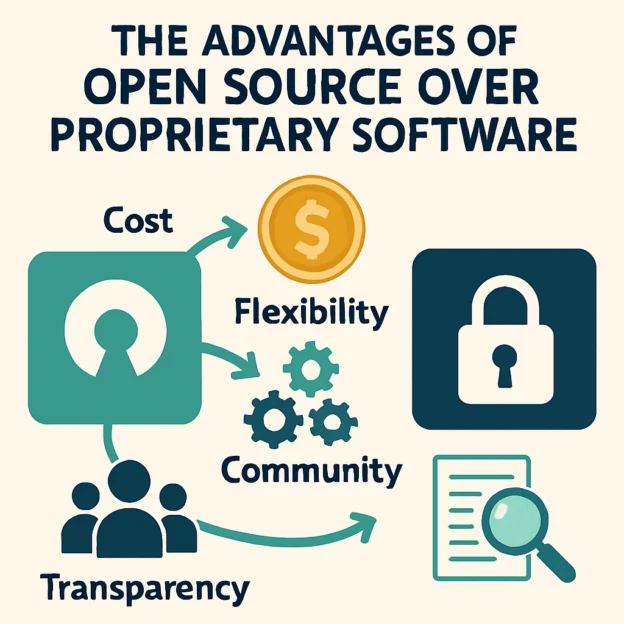
The Advantages of Open Source Over Proprietary Software
In the ever-evolving world of technology, the debate between open source and proprietary software continues to grab headlines and inspire passionate discussions. Both types of software have their merits, but if you’re here, you’re probably keen on exploring why many tech enthusiasts lean towards open source. Let’s dive into the world of open source software and uncover some compelling advantages that make it a standout choice.
Freedom and Flexibility
One of the most significant advantages of open source software is freedom. With open source, users have the liberty to explore, edit, and customize the software to suit their needs. Have you ever wished you could modify a software program to add a particular feature? With open source, you can! This flexibility encourages innovation and creativity, and for developers, it can be an exciting playground to experiment and bring unique ideas to life.
On the other hand, proprietary software usually locks you into a specific use case with limited customization options. It dictates how you can use the software, often leaving you feeling like a passenger rather than a driver of your digital experience.
Cost-Effectiveness
Let’s talk about the money—which, let’s face it, is a vital aspect of any software decision. Open source software is generally available for free. This doesn’t just mean no purchase price; it also typically comes without the burden of hefty licensing fees and subscriptions that are all too common with proprietary software.
For businesses, this cost-effectiveness can translate into substantial savings, especially when scaling up operations. Rather than having to purchase software for each individual user, companies can often deploy open source solutions easily and affordably.
Community Support
In the realm of open source, you’re not just a user; you’re part of a vibrant community. When issues arise, you’ve got a whole group of passionate individuals ready to lend a hand! Many open source projects have dedicated forums, documentation, and community channels where users can ask questions and share knowledge.
This collaborative spirit can lead to quick fixes and improvement solutions, as community members constantly update and refine the software. Although proprietary software often provides support, it may not always be as responsive or comprehensive, leading to frustrating delays in problem resolution.
Transparency and Security
One of the biggest draws of open source software is its transparency. Since the source code is open for anyone to inspect, there’s less room for hidden dangers or malicious backdoors. Security can actually benefit from this transparency; a large number of eyes examining the code means vulnerabilities can be spotted and patched quickly.
In contrast, proprietary software is typically regarded as a black box. Users must trust the company behind the software to operate ethically and provide robust security—an uncertainty that can be troubling, especially in an age where data breaches are increasingly common.
Educational Opportunities
For students, developers, and tech enthusiasts, open source software provides a golden opportunity to learn. By diving into the codebase of open source projects, individuals can enhance their programming skills and gain practical experience in real-world software development. This hands-on learning approach is priceless and often more impactful than traditional classroom education.
Additionally, contributing to open source projects can bolster your resume, providing tangible proof of your skills and commitment to the tech community. It’s like having a living portfolio that showcases your work in a highly collaborative environment.
Longevity and Sustainability
Finally, when discussing open source, it’s essential to mention sustainability. Open source projects often continue to live on even if the original developers move on. Since the software is maintained by the community, it’s less likely to become obsolete overnight, as can happen with proprietary software when company priorities shift or when a product is discontinued.
Many widely used open source projects, such as the Linux operating system and the Apache web server, have stood the test of time and show no signs of fading away.
With all these benefits, it’s no wonder that open source software continues to gain traction among individuals and organizations alike. While proprietary software has its place, the freedom, flexibility, and community-driven support of open source create a dynamic landscape ripe for innovation and collaboration. Whether you’re a casual user, a student, or a seasoned developer, exploring the open source world might just unlock a door to new opportunities, creativity, and a deeper understanding of technology. So, why not give it a try? You might just find that the software community is not only vast but also welcoming and full of possibilities.