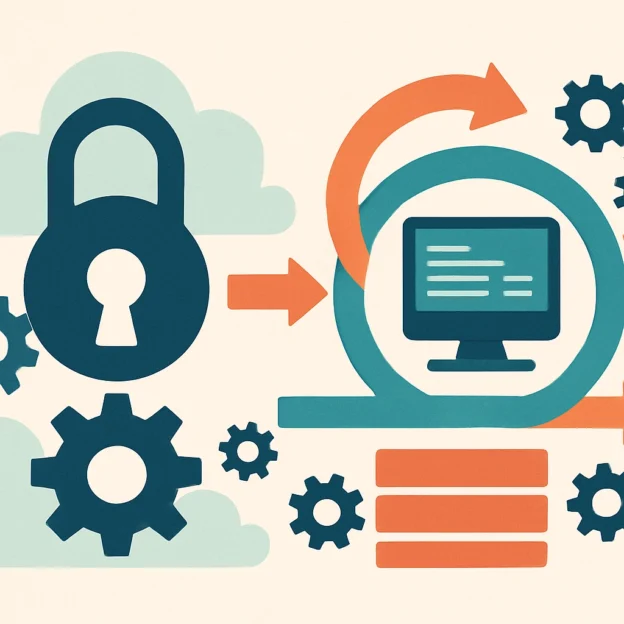
Exploring the Relationship Between Open Source and Agile Development
In the fast-paced world of software development, two buzzwords frequently pop up: open source and agile development. While they are distinct concepts, their relationship is fascinating and often symbiotic. As organizations strive for flexibility and innovation, blending these approaches has led to the evolution of how we create, collaborate, and deliver software. But what exactly connects these two methodologies, and how can they work together to improve development processes? Let’s dive in!
The Open Source Phenomenon
At its core, open source software is about collaboration and transparency. It relies on the principle that source code should be accessible to anyone who wishes to use, study, modify, or distribute it. Popular platforms like GitHub have revolutionized the way developers share and contribute to projects, breaking down barriers that historically separated software creators from users.
One of the most significant benefits of open source is the community it builds. Developers from diverse backgrounds come together to hunt for bugs, implement new features, and offer valuable feedback. This community-driven approach not only enriches the software but can accelerate development cycles beyond what a single organization might achieve on its own.
Agile Development Demystified
Agile software development, on the other hand, is all about flexibility and responsiveness. The Agile Manifesto, created in 2001, emphasizes collaboration, customer feedback, and iterative progress over traditional, linear approaches to software engineering. Agile methodologies—like Scrum and Kanban—encourage short cycles of development, allowing teams to release functionality faster and adapt to changing requirements.
In agile development, the key focus is on the working product and delivering value to customers rapidly. Frequent updates and constant communication amongst team members foster an environment where course corrections can easily take place, ensuring the end product aligns closely with what users genuinely need.
Bridging the Gap
So how do open source and agile development come together? The answer lies in their shared values and goals. Both methodologies prioritize collaboration, adaptability, and user-centric approaches. Here’s how they complement each other:
1. Enhanced Collaboration
Open source projects thrive on collaborative efforts, which aligns perfectly with the agile philosophy. Teams can consist of both internal staff and external contributors, enriching the creative process and providing a wider range of ideas and solutions. Agile practices encourage frequent communication through daily stand-ups, reviews, and retrospectives, further enhancing this collaborative spirit.
2. Rapid Feedback Loops
In an agile environment, feedback is crucial. Open source benefits from a community that provides insights and suggestions during the development process, leading to quick iterations. Projects can evolve based on user interactions and community input, allowing teams to adapt without lengthy formal processes typically found in traditional methods.
3. Embracing Change
Both open source and agile promote a culture of embracing change. In an open source setting, developers are accustomed to navigating varying codebases and adapting to the ever-evolving needs of the user community. This innate flexibility aligns seamlessly with agile’s principle of responding to change over following a plan.
4. Continuous Improvement
Post-launch, both agile and open source emphasize the importance of continuous improvement. Open source projects, driven by community contributions, can continually integrate enhancements and address bugs. Agile teams likewise focus on iterative development cycles, refining their processes based on project retrospectives and user feedback.
The Best of Both Worlds
When organizations adopt both open source and agile methodologies, they cultivate an environment ripe for innovation. They can harness the rich, collective intelligence of the community while benefiting from agile methodologies that allow them to pivot quickly and deliver value efficiently. This combination can lead to faster time-to-market, higher quality products, and even lower costs.
However, there are challenges in merging these methodologies. Not every team is equipped to manage the dynamics of an open source project alongside the structured framework of agile. Understanding how to blend teamwork, community involvement, and agile sprints requires careful consideration and a willingness to experiment.
It’s clear the relationship between open source and agile development offers a creative and powerful framework for today’s software landscape. As the tech world continues to evolve, those who harness both can stay not just relevant but ahead of the curve, turning challenges into opportunities for growth and innovation. In a world driven by technology, fostering collaboration and agility will remain at the forefront of what it means to build effective software solutions.