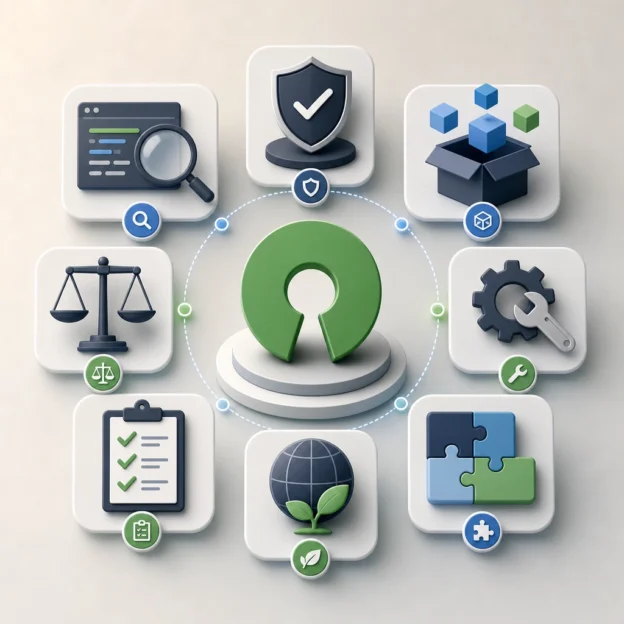
Best Practices for Using Open Source Software Responsibly
Open source software (OSS) has changed the game for developers and users alike. Its collaborative nature allows for innovation at an unprecedented pace, while providing an array of tools and applications available for free or at a reduced cost. However, with great power comes great responsibility! Using open source software responsibly is crucial not just for your projects, but for the entire community. Here’s how you can make the most of OSS while being a good steward of its potential.
1. Understand the License
Before diving headfirst into an open source project, take the time to understand the licensing terms. Open source software isn’t "free" in the way you might think; it comes with obligations and conditions. For instance, GNU General Public License (GPL) requires that you share any modifications you make, while MIT License has more permissive terms. Knowing the license will help you comply with legal obligations and respect the work of the original developers.
2. Contribute Back
One of the beautiful aspects of the open source community is its collaborative spirit. If you’ve benefited from a piece of software, consider giving back. This could take the form of code contributions, reporting bugs, or even just providing feedback. If coding isn’t your forte, you could help with documentation or translations. Every bit helps to improve the software and support the developers behind it. It’s all about building a cycle of growth and support.
3. Stay Updated
Open source projects are often rapidly updated to fix bugs, patch security vulnerabilities, and introduce new features. Staying informed about updates will ensure that you’re using the latest and most secure version of the software. Subscribe to project newsletters, follow their repositories on platforms like GitHub, or join community forums to keep track of changes. This will not only enhance the performance of your applications but also protect them from potential threats.
4. Be Mindful of Security
While open source software is generally safe, it isn’t immune to vulnerabilities. Be proactive in addressing security issues by auditing the software you’re using. Tools such as OWASP Dependency Check can help identify vulnerabilities in your dependencies. Moreover, if you discover a flaw or bug, report it according to the project’s guidelines, allowing the maintainers to rectify it quickly. Taking these steps helps maintain the integrity of the software for everyone.
5. Respect the Community
Open source is not just about the software; it’s about the people who create and maintain it. Respectful communication is key when interacting in forums, issue trackers, and contribution discussions. If you come across a bug, file it politely and provide as much detail as possible. If you’re requesting a feature, explain the need behind it thoughtfully. Remember, these developers often work on these projects in their spare time, motivated by passion rather than profit.
6. Choose Wisely
Not all open source projects are created equal. When selecting software for a project, consider its maturity, community size, and active maintenance. A well-supported project with a healthy community is often a safer choice than one that hasn’t been updated in years. Look for documentation, user feedback, and the number of contributors as indicators of a project’s viability.
7. Educate Yourself
Understanding the principles of open source software goes a long way in preventing misuse and promoting best practices. Take the time to learn about the fundamentals of software development, licensing, and the open source ecosystem. There are numerous courses, webinars, and resources available that can help you gain a deeper understanding. Equipping yourself with this knowledge enhances not only your skills but also contributes positively to the community.
8. Be Transparent
Transparency in your use of open source software is vital, especially if you’re developing commercial applications. Clearly document the OSS components you’re utilizing in your project. This not only helps you comply with license requirements but also instills trust with your users. They’ll appreciate the openness and will be more likely to support your endeavors.
Using open source software responsibly is a reflection of your commitment to the developer community and the values behind these collaborative projects. By understanding licenses, contributing back, staying updated, being mindful of security, communicating respectfully, choosing wisely, educating yourself, and being transparent, you can enrich your experience and help foster a thriving open source ecosystem. Each small effort contributes to a larger movement, encouraging innovation and creativity while ensuring that the spirit of collaboration remains strong. Now, go forth and code with purpose!