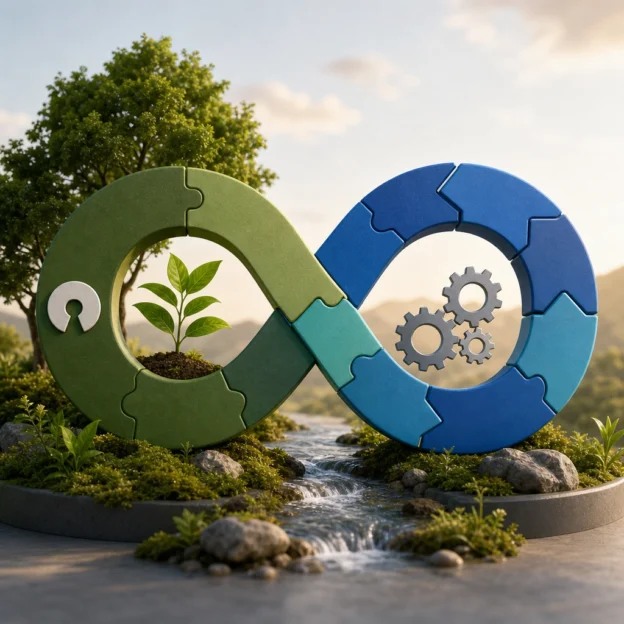
The Relationship Between Open Source and Agile Software Development
In today’s fast-paced tech environment, two terms you might often encounter are "open source" and "Agile software development." Both concepts have transformed the way developers approach software creation, but what’s the connection between them? Let’s dive into this fascinating relationship and explore how they work together to foster innovation, collaboration, and efficiency in software development.
What is Open Source?
Open source software (OSS) refers to software whose source code is made available to the public, allowing anyone to inspect, modify, and enhance it. This philosophy promotes collaboration, transparency, and community-driven development. Some of the most well-known open source projects like Linux, Apache, and Firefox have thrived, thanks to contributions from developers around the globe. The beauty of open source is that it dismantles the barriers often found in proprietary software, enabling anyone with the skills and motivation to contribute.
What is Agile Software Development?
Agile software development, on the other hand, is a methodology that promotes iterative development, flexibility, and collaboration among self-organized teams. Rather than working on extensive projects for months or years before receiving feedback, Agile encourages constant feedback and iterative improvements, leading to a more responsive design process. Key Agile practices, such as Scrum and Kanban, emphasize teamwork, customer feedback, and quick releases, allowing developers to adapt to changing requirements effectively.
How Open Source and Agile Complement Each Other
Now that we understand what each term means, let’s explore how open source and Agile practices intersect.
1. Community Collaboration
At the heart of both open source and Agile methodologies is a strong emphasis on collaboration. In the open source world, developers come together from various backgrounds to discuss ideas, share code, and improve projects. This collaborative spirit aligns perfectly with Agile principles, which encourage constant dialogue and teamwork. When teams use Agile methods in an open source environment, they can rapidly iterate on projects, gather feedback, and implement changes more efficiently—thanks to the community’s involvement.
2. Rapid Prototyping and Iteration
Agile’s iterative approach mirrors the open source model, where projects often release updated versions based on user feedback. Developers can rapidly prototype and test new features, making adjustments quickly based on community responses. This cycle not only brings in fresh ideas but also allows developers to address bugs or issues in real time. The iterative nature of both open source and Agile enables faster innovation and more robust products.
3. Emphasis on User Feedback
Both open source projects and Agile practices thrive on feedback loops. In Agile, user stories and customer feedback are essential for determining project direction, while open source contributions often stem from users who need specific features or fixes. This user-driven approach ensures that the product evolves in line with real-world needs, rather than solely relying on a predetermined roadmap.
4. Flexibility and Adaptability
One of the promises of Agile software development is the ability to respond to change, whether it’s due to shifting client needs or new technological advancements. Similarly, open source allows developers to adapt and modify software freely, enabling them to quickly pivot when a new requirement arises. When blended together, this flexibility can lead to creating solutions that are not only high quality but also highly relevant in a continuously evolving landscape.
The Challenges of Integrating Open Source with Agile
While the synergy between open source and Agile is evident, integrating them can come with challenges. Maintaining consistent communication across diverse contributors can be tough, and ensuring quality control in code submissions requires diligence. Additionally, aligning the different priorities of contributors from various organizations can sometimes lead to conflicts.
However, by establishing clear guidelines, fostering a culture of respect and collaboration, and utilizing tools that facilitate communication and project management, teams can mitigate these challenges effectively.
The Future of Software Development
As we look toward the future, it seems inevitable that the relationship between open source and Agile development will continue to flourish. With a growing number of teams adopting remote work and open collaboration models, the potential for innovation becomes limitless. The convergence of these practices can lead to software that not only meets user needs but does so in a manner that nurtures creativity and inclusivity.
In the end, the blending of open source with Agile software development represents a shift toward a more transparent, collaborative, and efficient way of building technology. By harnessing the power of community and the adaptability that both frameworks promote, developers are well on their way to creating the next generation of software solutions that truly resonate with their users. The possibilities are endless, and that’s what makes this relationship so exciting!