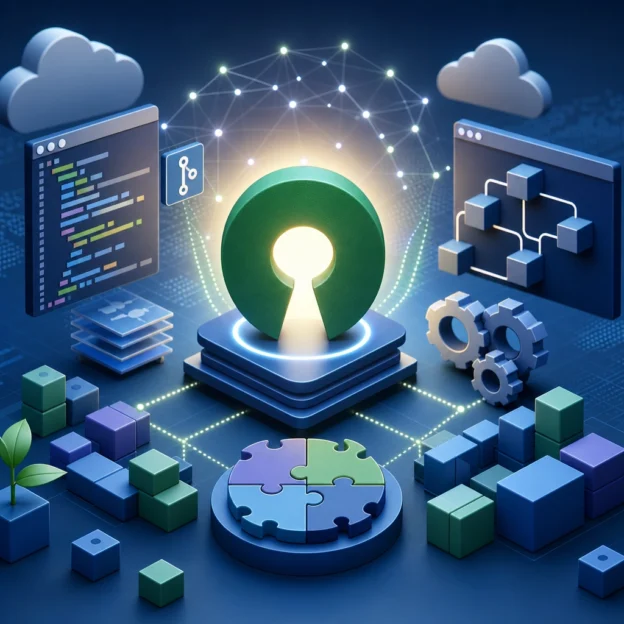
The Impact of Open Source on Software Development Practices
In recent years, the landscape of software development has undergone a tremendous transformation, and much of this change can be attributed to the rise of open source. This revolutionary approach to building software not only affects the technical side of development but has also reshaped how teams collaborate and innovate. Let’s explore how open source has influenced software development practices and what it means for developers, companies, and tech as a whole.
A Shift in Collaboration
Gone are the days when software development was a solitary endeavor confined within the four walls of a company. Open source has fostered a culture of collaboration that’s as diverse as it is dynamic. Developers from around the globe can contribute to projects, bringing together various perspectives and skill sets.
Imagine this scenario: developers in different time zones working on the same project can push updates any time of the day, effectively creating a round-the-clock development cycle. This global collaboration not only speeds up the development process but also results in higher quality software products. With many eyes scrutinizing the code, bugs are caught faster, leading to a more robust final product.
Encouraging Innovation
The open source model has become a hotbed for innovation. With access to freely available resources, developers can experiment freely without the constraints posed by proprietary software. They can tinker, modify, and enhance existing software or even create entirely new solutions from scratch. This spirit of experimentation leads to breakthroughs that may never have occurred in traditional closed environments. Think about popular libraries and frameworks like React and TensorFlow—these game-changers came from open source contributions, revolutionizing how developers approach front-end and machine learning tasks.
Moreover, open-source projects often inspire others to contribute, creating a snowball effect of innovation. When one project influences another, a community ecosystem blossoms, encouraging developers to take existing ideas further and challenge the norm.
Accessibility and Education
The impact of open source reaches far beyond seasoned developers; it plays a crucial role in education and accessibility. With a plethora of online resources, aspiring software engineers can learn by doing, diving into real-world projects and gaining hands-on experience. Open-source contributions allow students and new developers to build a portfolio, showing off their skills to potential employers.
Organizations like GitHub and GitLab provide platforms for users to host open-source projects and manage contributions. Many educational institutions have started incorporating open-source principles into their curricula, recognizing its importance in modern software development.
Building Community
Another beautiful aspect of the open-source movement is the sense of community it fosters. Developers often collaborate in open-source projects not just for technical reasons, but also because they share a passion or vision. This sense of belonging is crucial for personal and professional growth, as it allows developers to network, mentor, and receive feedback on their work.
Many open-source communities enforce a code of conduct that promotes inclusivity, ensuring that everyone—regardless of their background—feels welcome to contribute their ideas. Building a strong, diverse community encourages creativity, and ultimately leads to better software solutions.
Challenging Traditional Business Models
Open source has prompted businesses to rethink how they operate. Companies traditionally relied on proprietary software to generate profits, but the open-source model challenges this paradigm by shifting the focus to service-based offerings. For many organizations, especially startups, the ability to offer a free product that builds a user base can provide immense long-term value.
This shift also alerts businesses to the importance of maintaining good relations with their user community. Companies that successfully engage with open-source communities often find that these relationships can lead to a passionate user base that advocates for their product and contributes to its improvement.
The Road Ahead
As we look to the future, it’s clear that open source will continue to be a dominant force in shaping software development practices. The collaborative spirit and innovative potential of open-source projects are bound to evolve, making technology more accessible and inclusive.
Working collaboratively across cultures and countries not only diversifies the types of solutions available but also enriches our collective knowledge. Every coder, every contributor has a part to play in a constantly changing world of software development driven by creativity and shared passion. Open source is more than just a way to build software; it has become a philosophy that champions community, freedom, and transformative innovation. In an era where technology connects us like never before, it’s invigorating to think of all the possibilities that lie ahead in the world of open source.