How Open Source Can Enhance Your Data Privacy Strategy

How Open Source Can Enhance Your Data Privacy Strategy

In today’s increasingly digital world, data privacy has become a hot-button issue. With a constant stream of news about data breaches, unauthorized surveillance, and invasive tracking, individuals and businesses alike are more focused than ever on protecting their information. While there are plenty of proprietary software solutions on the market that promise to keep your data safe, open source software can be a game-changer when it comes to forming an effective data privacy strategy. Let’s dive into the ways open source can enhance your approach to data privacy.

Transparency is Key

One of the biggest advantages of open source software is transparency. With proprietary software, you’re often left in the dark about what happens to your data. Many companies operate on a "trust us" model, where you have to take their word for it that your information is safe. Open source software, on the other hand, allows anyone to inspect, audit, and modify the code. This means that security vulnerabilities can be identified and addressed quickly by the community, rather than by a closed team of developers who may not prioritize transparency. This builds a layer of trust; when a product is open for scrutiny, it’s less likely to contain harmful backdoors or hidden surveillance features.

Community Support

The open source community is often highly engaged and passionate about privacy and security. When a software is open sourced, a collaborative community emerges to address issues and improve upon the original code. This means that you’re not just relying on a single company for updates, support, and security patches; you have a whole network of contributors working to detect and fix vulnerabilities. This crowdsourced approach can lead to quicker responses to threats, making open-source projects sometimes more secure than their proprietary counterparts.

Customization

Every organization has unique needs. Off-the-shelf commercial solutions might not fully address your specific data privacy concerns, leaving gaps in your security. Open source software offers the flexibility to modify the code according to your organizational requirements. If you have the necessary technical expertise in-house or a willing developer, you can tailor the software’s features, controls, and security protocols. This makes it not only a customizable solution but also gives you greater control over how your data is managed and protected.

Cost-Effective Solutions

Data privacy isn’t just about technology; it’s also about budgets. Proprietary software can come with hefty licensing fees, often becoming a significant line item in an organization’s operating costs. Open source software is typically free to use, though there may be costs associated with implementation and ongoing maintenance. For startups and small businesses with tighter budgets, this is a game-changer. You can invest in creating a robust data privacy strategy without breaking the bank, allowing you to allocate resources to other crucial areas of your business.

Staying Ahead of Compliance Regulations

With regulations like GDPR, CCPA, and more popping up around the world, it’s critical for organizations to stay compliant. Open source software is often designed with compliance in mind, and many open-source projects provide tools and documentation to help organizations meet these requirements. Because the code can be altered, it enables companies to make necessary modifications that align with evolving regulations, ensuring that the data handling practices remain compliant.

Building Your Own Trustworthy Systems

Using open source software doesn’t just equip you with the tools for better privacy; it enables you to build a privacy-centered system from the ground up. By choosing open source solutions, you help cultivate a culture of self-reliance and trust. You’re not locked into any one vendor or their practices, allowing you greater autonomy and control over your data landscape.

Empowering Users

Open source software doesn’t just benefit organizations; it also empowers users. If individuals are more informed about their online footprint, they are in a better position to protect their data. Open source projects often emphasize user education and promote privacy as a fundamental right. This collective mentality fosters a community that values privacy and security, making it easier for everyone to adopt better practices.

In conclusion, open source software can serve as a powerful ally in enhancing your data privacy strategy. From transparency and customization to cost-effectiveness and quick community support, these tools offer richer advantages than many proprietary systems. As the conversation around data privacy continues to grow, being proactive and identifying how open source technology can fit within your strategy will not only safeguard your data but will also empower you to create a safer digital environment for everyone involved. The power of open source lies not just in the software itself, but in the community behind it, and therein lies a promising future for data privacy efforts.

The Intersection of Open Source Software and Artificial Intelligence

The Intersection of Open Source Software and Artificial Intelligence

In the fast-paced world of technology, few topics spark as much excitement and intrigue as artificial intelligence (AI) and open source software. Both have revolutionized how we interact with computers, solve complex problems, and innovate in multiple fields. But what happens when these two powerful forces collide? Let’s dive into this fascinating intersection and explore how the collaboration between open source and AI is transforming industries, fostering community-driven development, and fueling innovation.

What is Open Source Software?

Before we delve into their intersection, let’s quickly recap what open source software (OSS) entails. At its core, OSS is software that is released with its source code, allowing anyone to inspect, modify, and enhance it. This encourages collaboration and sharing within a community of developers and users, creating a rich environment for innovation.

Think about it: when a piece of software is open for contributions, it opens up the floor for diverse ideas, improvements, and bug fixes. This not only accelerates the pace of development but also helps ensure that the software is continuously refined by those who use and understand it best.

The AI Landscape

Artificial intelligence, on the other hand, encompasses a wide array of technologies designed to perform tasks that usually require human intelligence. This can range from natural language processing to machine learning and robotics. AI has the potential to enhance our capabilities in remarkable ways, making processes faster, more efficient, and even more intelligent.

The development of AI has often felt like a race, with tech giants pouring resources into research, acquisition, and advanced computing power. However, the conversation is changing, thanks in part to the open source movement. More than ever, AI is becoming accessible to developers beyond the walls of large corporations, leading to a more inclusive landscape where anyone can harness the power of machine learning.

Why Open Source Matters in AI

The merging of open source and AI is significant for a plethora of reasons. Firstly, it democratizes access to advanced technologies. Open source AI frameworks and libraries, such as TensorFlow, PyTorch, and Keras, allow developers of all skill levels to experiment with machine learning. No longer is this powerful technology the exclusive domain of well-funded businesses and elite institutions.

Moreover, the collaborative nature of open source fosters rapid innovation. When thousands of programmers come together to contribute to a project, they can spot flaws, suggest enhancements, and share their unique perspectives on problem-solving. A great example of this is Hugging Face, which has built an incredible reputation for making state-of-the-art natural language processing models open source. Thanks to their work, countless developers can leverage powerful language models without needing to start from scratch.

Practical Applications of Open Source AI

The benefits of merging open source practices with AI technologies can be seen in various sectors:

  • Healthcare: Open source AI is helping researchers and practitioners alike analyze medical data, improve patient care, and even develop predictive models for diseases. Tools like DeepMind’s AlphaFold, an open source project, have made groundbreaking advancements in protein folding predictions, a major challenge in biology.

  • Education: Educational institutions are utilizing open source AI tools to create personalized learning experiences. For instance, platforms like OpenAI’s Gym encourage students to learn machine learning by creating their custom environments for training models.

  • Environment: Climate change is another area where open source AI is making waves. Projects like Global Forest Watch use machine learning algorithms on satellite imagery to monitor deforestation in real-time, fostering transparency and engagement on an important environmental issue.

Challenges and Future Prospects

While the partnership of open source software and AI presents exciting opportunities, it’s not without challenges. Concerns over security and ethical implications can arise when anyone can access and modify code. Moreover, ensuring quality control and maintaining a sustainable community can be tough as projects grow.

Nevertheless, the future looks bright. As more organizations recognize the power of open source in AI development, collaboration across borders and disciplines will likely accelerate. The continuous advancements in cloud computing and containerization are also making it easier for teams to work together, share resources, and contribute to projects worldwide.

At the heart of this exciting convergence lies a vision: one where everyone—from high school students to seasoned AI experts—can contribute to, learn from, and benefit from the incredible power of artificial intelligence. As we navigate this journey, it’s clear that open source will play an indispensable role in shaping the future of technology, enabling us to harness AI in ways that are innovative, ethical, and inclusive. The collaboration doesn’t just empower developers; it democratizes the technology that shapes our world.

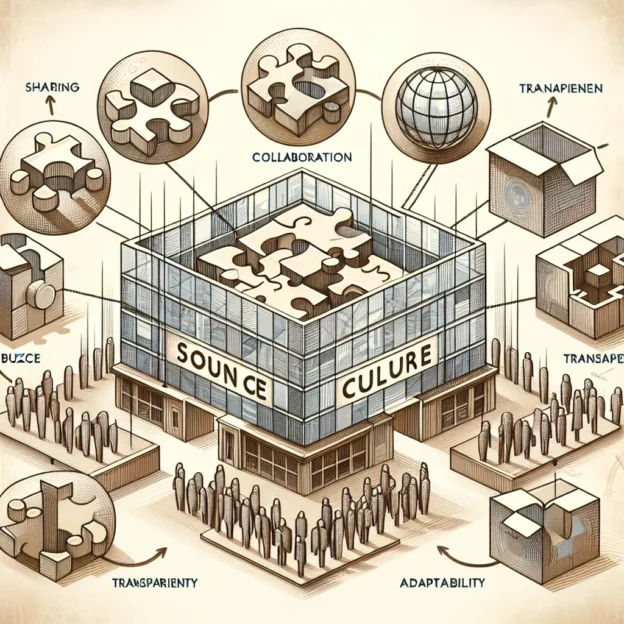
Creating a Culture of Open Source in Your Organization

Creating a Culture of Open Source in Your Organization

In today’s tech-driven world, the concept of open source has transcended mere software development; it’s blossoming into a robust culture that organizations are beginning to embrace. From collaboration and contribution to community and learning, there are countless benefits to cultivating an open-source atmosphere. Whether you’re a startup or an established corporation, instilling these practices in your organization can drive innovation and enhance employee satisfaction. So, how can you create a culture of open source within your organization? Let’s break it down.

Understanding Open Source

First, let’s clarify what open source really means. At its core, open source refers to a philosophy of sharing—not just of software code, but ideas, knowledge, and resources. It promotes collaboration, allowing individuals and teams to build upon each other’s work, ultimately accelerating progress and fostering innovation. In a workplace context, fostering an open-source culture means making it easy for employees to share their ideas and contribute to projects without fear of barriers or judgment.

Encourage Contributions Across Departments

One of the most critical aspects of an open-source culture is the encouragement of contributions from various departments. Traditionally, teams can operate in silos, which stifles creativity and collaboration. Instead, create opportunities for cross-departmental projects where team members can share their expertise and ideas.

For instance, a marketing professional might have valuable insight into customer behavior that could inform a product development team about potential features. By creating forums or regular brainstorming sessions inclusive of diverse perspectives, you encourage collaboration that can lead to innovative solutions.

Host Hackathons and Code Sprints

Hackathons and code sprints are lively and engaging ways to foster an open-source culture. These events provide employees with the chance to collaborate in a dynamic environment, working on projects outside their daily responsibilities. Not only do these gatherings drive creativity and teamwork, but they also allow your employees to explore new technologies or methods they may not get the chance to in their usual roles.

Encourage participation by offering incentives or recognition for efforts. Celebrating success within such environments can be a fun way to build community and encourage experimentation with new ideas.

Provide Learning Opportunities

Embracing an open-source culture means investing in the continuous learning of your employees. Offer workshops, training sessions, or access to online courses related to open-source methodologies, coding, or collaboration tools. This knowledge empowers employees to contribute effectively and confidently.

Additionally, encouraging side projects and "innovation hours" allows staff to explore new technologies or share their skills, fostering a culture of discovery and learning.

Create a Safe Space for Ideas

Nothing kills creativity faster than the fear of failure. To build a thriving open-source culture, it’s vital to create an environment where employees feel safe sharing their ideas—no matter how unconventional they may be. Promote an attitude of experimentation and emphasize that failure is often a stepping stone to success.

Encourage feedback loops so that everyone can share their thoughts constructively. Make it clear that all contributions are valued, and that criticism is meant to help improve ideas rather than criticize individuals.

Leverage Open Source Tools

Practicing what you preach is essential. Utilize open-source tools and platforms to facilitate transparency and collaboration. This could range from project management tools like GitHub or GitLab to communication platforms like Mattermost or Rocket.Chat.

By using these tools, you not only showcase your commitment to openness but also enable employees to collaborate seamlessly across divisions. Additionally, it helps normalize the idea of sharing and collaborating, making it second nature to your organization.

Encourage Community Engagement

Part of an open-source culture is also about reaching beyond the walls of your organization. Encourage your employees to engage with the wider community. This could be through attending conferences, participating in local meetups, or contributing to open-source projects on popular platforms like GitHub.

These activities not only enhance individual skills but also heighten your organization’s visibility and reputation. Employees are likely to return enriched with new perspectives and ideas that can spark innovation back at the workplace.

Creating a culture of open source in your organization might seem like a daunting task, but with consistent effort and commitment, the rewards are endless. Trust, collaboration, and innovation can thrive in an environment that values openness. Not only will it lead to better products and services, but it will also create a workplace where employees are excited to contribute, grow, and learn. So why wait? Start fostering that culture today—your organization will be better for it!

Lessons Learned from Failed Open Source Projects

Lessons Learned from Failed Open Source Projects

Open source projects have become a cornerstone of modern software development, creating opportunities for collaboration, innovation, and community building. However, not every open source project reaches the grand success that its creators envision. In fact, some of the most promising initiatives can fizzle out or fall flat, often yielding valuable lessons in their wake. Let’s explore some of the key lessons we can learn from the failures of open source projects.

The Importance of Community Engagement

One of the most vital aspects of any open source project is its community. While a brilliant idea or technology may spark interest initially, it’s the community that keeps the flame alive. A lack of engagement often leads to stagnation. Take, for instance, the case of a once-promising open source content management system burst onto the scene but failed to attract a dedicated community of developers and users. Without feedback and contributions, the project couldn’t keep up with its competitors.

Lesson: Cultivating an active and engaged community is essential. Foster open communication, encourage contribution, and develop a shared vision to create a vibrant ecosystem around your project.

Clarity of Vision and Goals

Have you ever stumbled upon an open source project that introduces new features at a breakneck speed without clear documentation or purpose? It can be overwhelming and confusing. Projects often flounder when their founders lack a clear vision or when the goals shift mid-course. This disorganization can result in scattered efforts that leave users and contributors scratching their heads.

Lesson: Clarity is crucial. Define the project’s purpose, vision, and goals up front, and make sure everyone involved understands and aligns with them. This will help keep the project on track and the community focused.

The Balance of Complexity and Usability

Software can be incredibly powerful, but if it’s too complex, users can quickly abandon it. Some open source projects fall into the trap of catering to advanced users without considering those who might just be dipping their toes into the water. A project becomes less appealing if average users find it daunting to install or configure.

Lesson: Strive for balance. Aim to create software that not only offers powerful features but is also user-friendly. Clear installation instructions, comprehensive documentation, and a straightforward user interface go a long way in attracting a wider audience.

Resource Management Is Key

Many failed open source projects suffered from poor resource management, whether in terms of time, human resources, or funding. When contributors burn out or when a project relies too heavily on a single individual, it can result in stagnation or collapse. Additionally, financial backing can influence a project’s sustainability.

Lesson: Efficient resource allocation matters. Encourage contributions from diverse sources and consider establishing a governance structure that shares responsibilities. Additionally, explore funding options for continued development and support.

Not Prioritizing Documentation

Imagine diving into a new project, full of enthusiasm, only to be greeted with scant documentation or outdated guides! Many developers have experienced this frustration, which often leads to abandonment. Solid documentation not only serves as an onboarding tool but also helps maintain the project in the long run.

Lesson: Never underestimate the power of documentation. Invest time in creating thorough, clear, and accessible documentation right from the start. It can be a lifeline for new users and developers alike.

Embracing Change and Adaptation

The tech world is ever-evolving, and open source projects need to adapt to stay relevant. Some projects have clung too tightly to their initial designs, unable to pivot as user needs or technology trends shift.

Lesson: Practice adaptability. Regularly gather feedback, observe trends, and be willing to iterate on your project. Embracing change can enhance the project’s relevance and longevity.

Learning from Failure

It may sound cliché, but there’s indeed a silver lining in failure. Each floundering initiative offers its share of insights that can pave the way for future successes. Projects that collapsed due to lack of community can teach us the value of engagement, while those that lost their way serve as reminders of the need for a clear vision.

In the world of open source development, failure is often just a stepping stone toward success. The lessons learned from past missteps can guide not only existing projects but also inspire new ones. By applying these insights, developers can create more resilient, engaging, and user-friendly open source initiatives. So, let’s honor the lessons of the past as we build towards a more collaborative future.

How to Build a Strong Community Around Your Open Source Software

How to Build a Strong Community Around Your Open Source Software

When you set out to create open source software, it’s not just the code that matters. Behind every successful project lies a vibrant community that breathes life into your software. Whether you’re a newbie coder just breaking ground or a seasoned developer looking to share your passion, building a strong community can enhance your project and make it thrive. Here’s how to cultivate an engaging and supportive environment around your open source software.

Emphasize Clear Communication

First things first, open source thrives on communication. You want to create an open dialogue where everyone feels welcome to share their thoughts and ideas. Start with establishing clear communication channels. This can include forums, chat rooms, and social media. Platforms like Discord, Slack, GitHub Discussions, and even mailing lists can help facilitate real-time conversations. Just ensure that these platforms are easily accessible and actively monitored by you or your team.

Transparency is key. Keeping an open line about your project’s direction, updates, and challenges invites community members to feel involved and invested in the journey. Regularly share your roadmaps and developmental milestones. A simple newsletter once a month can go a long way in maintaining interest and engagement.

Create Comprehensive Documentation

Ever tried to use software without documentation? It’s like wandering in the dark! Good documentation can be the difference between a flourishing community and a lost one. Make sure your project has clear, comprehensive, and well-organized documentation. Include everything from installation instructions to usage examples to contribution guidelines.

Consider creating a welcome page for new users that outlines the necessary steps to get started. A friendly “Getting Started” guide can dramatically lower the barriers to entry for newcomers. If they can understand your software quickly, they’ll be more likely to stick around and contribute.

Incentivize Contributions

One of the best aspects of open source is that it invites collaboration. But how do you encourage community members to contribute? Start by making it easy for them to know where they can help. Label issues as “good first issue” or “help wanted” on platforms like GitHub, and create a roadmap that outlines upcoming features and enhancements.

Recognizing contributions is equally important. Shoutouts in release notes, highlighting contributors in your community champions list, or simply thanking them in the forums can go a long way in nurturing motivation. Consider implementing a reward system, perhaps through badges or credits, to recognize active members and their valuable contributions.

Foster Inclusivity

A diverse community brings fresh ideas and viewpoints, leading to better software. Foster an inclusive environment where everyone feels valued and respected, regardless of their background or expertise level. Establish a code of conduct that outlines acceptable behavior and ensure that you adhere to it. Be proactive about addressing conflicts or issues that may arise, always aiming for resolution, learning, and growth.

Language can also be a barrier. When possible, create multilingual resources or seek community volunteers who can help translate your documentation and discussions. This small act can significantly broaden your community’s reach and inclusiveness.

Engage Regularly and Meaningfully

Stay active within your community! Regular engagement not only keeps things lively but also reinforces the bond within your community. Host regular meetings, webinars, or even casual get-togethers. Virtual coffee breaks or hackathons can be a fun way to bring everyone together for brainstorming and troubleshooting sessions.

Celebrate achievements, whether big or small. Acknowledge and showcase the features that come from community contributions. Highlighting success stories can inspire members to get involved and foster a sense of ownership.

Make It Fun!

Let’s face it, coding can be a grind, and communities can sometimes feel a bit too serious. Infuse an element of fun into your project! Gamify contributions with challenges or competitions, or host themed events where code meets creativity. Fun attracts people and keeps the motivation high, ensuring that even during tough times, community spirits remain buoyant.

Ultimately, building a strong community around your open source software is about empathy, creativity, and genuine connection. It’s a dedicated dance that requires patience and effort, but the rewards are worth it. A thriving community not only ensures your project’s sustainability but also gives your software a soul—transforming it from mere code into a living, breathing entity that continually evolves, grows, and inspires. So take those first steps, spread the word, invite, and cultivate connections. Your open source journey is about to get a lot more vibrant!

The Challenge of Maintaining Stability in Open Source Projects

The Challenge of Maintaining Stability in Open Source Projects

Open source projects have been a revelation in the world of software development, fostering innovation and collaboration like never before. They offer a treasure trove of benefits, from robust community engagement to transparent code practices. However, along with all these perks come a host of challenges—chief among them, maintaining stability. As developers and users flock to these projects, the quest for a reliable, smooth experience can often feel like an uphill battle.

The Nature of Open Source

At its core, open source software allows anyone to contribute, modify, and distribute code. This democratic approach promotes rapid iteration and diverse perspectives. However, it can also lead to a chaotic landscape where code quality varies significantly from one contributor to another. Enthusiastic volunteers may dive in with the best intentions yet lack the extensive experience needed to produce stable, production-ready code. While fresh ideas are the lifeblood of any project, the inconsistency in skill levels can lead to unforeseen bugs and instability.

Version Control and Release Management

If you’ve ever dabbled in open-source software, you’ve probably encountered different versions competing for your affection. With so many developers actively contributing, keeping track of changes can feel like a full-time job. Each new feature or bug fix may sound enticing, but how do you know if it will break the existing functionality?

Effective version control and release management are crucial here. Projects must adopt practices like semantic versioning (semver), which clearly indicates the nature of changes made, be they major or minor. This system helps users understand the potential risks associated with upgrading. Regularly scheduled releases can also mitigate chaos, providing users with a predictable timeline for updates. However, sticking to a schedule can be another challenge when volunteer contributors have varying degrees of availability.

Community Involvement

One of the hallmark features of open source is its community-driven nature. Enthusiastic discussions, collaborative coding, and community forums can create a rich environment for development. However, more voices also mean more opinions and sometimes disagreements. Founding members can find themselves overwhelmed when it comes to mediating conflicts or reconciling differing visions for the project.

Furthermore, onboarding new contributors can be a double-edged sword. While it can inject new life into a project, integrating these new members also requires time and resources. The existing maintainers must strike a balance between actively mentoring newcomers and managing their workload to keep the project afloat.

Technical Debt

As projects grow and evolve, they accumulate what is known as "technical debt." Much like a financial loan, this debt isn’t inherently bad—it can actually be a strategic choice to expedite development. However, ignoring technical debt over time can lead to significant stability issues. Code becomes tangled, harder to understand, and thus more difficult to maintain.

Addressing technical debt requires a conscious effort from maintainers to allocate time for refactoring and cleaning up code. This may seem like a luxury, but investing in a codebase’s longevity is essential for stability. Finding this balance can be an ongoing challenge, especially when contributors are excited to roll out new features rather than address underlying issues.

The Role of Documentation

An integral—but often overlooked—component of project stability is comprehensive documentation. Clear, concise documentation informs users about how to use the software effectively and helps new contributors understand the coding standards employed in the project. By laying down a solid foundation of guidelines, teams can provide stability even as the project evolves.

However, keeping documentation up to date is another challenge that often falls by the wayside. As new features are added and old ones deprecated, documentation needs to keep pace. This requires dedicated effort, especially as projects shift in focus or scale.

Navigating the Future

So, how do we ensure stability amidst the inherent chaos of open source? It’s not easy, but the good news is that many projects have developed frameworks and best practices to tackle these issues effectively. From fostering a welcoming community that embraces both new and experienced contributors to ensuring thorough testing before releases—these strategies can go a long way in providing a stable user experience.

While the road ahead may still be riddled with bumps, it’s clear that the dynamism and resilience of open source communities will continue to drive innovation. By staying committed to quality, documenting knowledge, and supporting one another along the way, the endeavor becomes much more than the sum of its parts. In this spirited collaboration, stability becomes not just a goal, but a shared journey that everyone contributes to and benefits from.

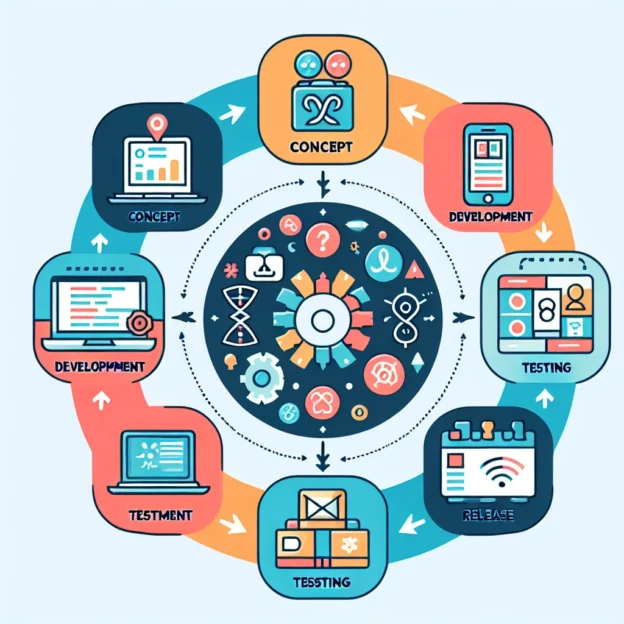
Incorporating Open Source into Your Product Development Lifecycle

Incorporating Open Source into Your Product Development Lifecycle

In today’s tech-centric world, the term "open source" is tossed around frequently, yet many people still grapple with its meaning and importance. If you’ve ever poked around GitHub or used software like Linux, you’ve already touched the surface of what open source has to offer. But how can you effectively weave open source into your product development lifecycle? Let’s dive deeper into this burgeoning trend that’s reshaping how we create software and collaborate.

Understanding Open Source

At its core, open source software (OSS) refers to programs whose source code is available for anyone to inspect, modify, and enhance. This ethos of collaboration and transparency not only allows developers from around the world to improve a project but also fosters a community that shares tools and knowledge. Think of it as a potluck dinner; everyone brings something to the table, resulting in a broader, richer culinary experience—yes, software development can be just as delicious!

Why Open Source?

The benefits of integrating open source into your product development pipeline are plentiful:

  1. Cost Efficiency: Developing software from scratch can be pricey in terms of both human resources and time. By utilizing existing open-source projects, teams can reduce costs and focus efforts on custom features specific to their users’ needs.

  2. Community Support: Open source projects often have vibrant communities around them. This means access to forums, tutorials, and other resources that can help when the development road gets bumpy.

  3. Innovation: With thousands of developers collaborating globally, open source projects often evolve quickly. You can tap into the latest trends and technologies without reinventing the wheel.

  4. Flexibility and Scalability: Open source software can usually be modified to suit your project’s requirements. This adaptability is especially valuable in today’s dynamic market.

Getting Started

Now, how do you actually start incorporating open source into your product’s development lifecycle? Here are a few practical steps to consider:

  1. Identify Your Needs: List out what you need from your software and where you think open source could fill in gaps. Do you need a robust database? Maybe an authentication framework? Knowing your requirements is the first step.

  2. Research Open Source Projects: Build a shortlist of open-source tools that meet your needs. Platforms like GitHub and GitLab are excellent starting points. Read documentation and user reviews to gauge the project’s viability and community activity.

  3. Evaluate Licensing: Open source doesn’t mean ‘free reign.’ Different licenses come with varying permissions and restrictions. Make sure you understand what usage rights you have with any open source software you decide to incorporate.

  4. Prototype Early: Don’t hesitate to experiment! Set up some quick prototypes using your chosen open-source tools. This helps you test their compatibility with your vision while identifying any potential roadblocks early on.

  5. Integrate with Your Workflow: Once you’re comfortable with open-source components, consider how they’ll fit into your existing product development lifecycle. Will they be part of your agile sprints? Do you need CI/CD pipelines to facilitate their integration?

  6. Contribute Back: This might be one of the most rewarding aspects of working with open-source projects. If you’re using a library or framework, consider contributing back to the community. Whether it’s submitting a bug fix, writing documentation, or creating a tutorial, your contributions can help others while also building your brand within the community.

Keeping Security in Mind

As tempting as it is to dive headfirst into the sea of open source, always keep security in mind. Regularly review your dependencies and their updates, monitor vulnerabilities, and have a solid plan for handling security patches. Just like you wouldn’t buy food from a kitchen you can’t trust, you shouldn’t use code that hasn’t been vetted.

Incorporating open source into your product development lifecycle can feel a bit like going off the beaten path, but it opens up a world of innovation, collaboration, and efficiency. As you harness this community-driven approach, you’ll find not only your projects becoming richer but also the knowledge and capabilities of your team growing exponentially. So gather your potluck contributions, and get started! There’s a vibrant movement waiting for you just on the other side of that code.

10 Open Source Projects You Should Know About

10 Open Source Projects You Should Know About

If you’ve ever vented frustrations about software, you might have stumbled upon the wonderful world of open source. Open source projects unlock creativity, foster collaboration, and are often at the forefront of innovation. Whether you’re a seasoned developer or just someone curious about tech, diving into these projects can enhance your skills and even inspire new ideas. Here’s a round-up of ten open source projects that everyone should know about.

1. Linux

It’s almost impossible to speak about open source without mentioning Linux. This operating system kernel powers everything from smartphones to supercomputers. With its robust security and performance, Linux has cultivated a community of passionate developers and users. If you’ve ever wanted to tinker with an operating system, creating your own distribution could be a fun weekend project!

2. Apache HTTP Server

The Apache HTTP Server might not sound glamorous, but this web server software is the backbone of a significant chunk of the internet. It empowers websites by ensuring they’re accessible to users. Its modular structure allows developers to customize and extend its functionality, making it a perfect project for anyone looking to learn more about how web technologies work.

3. Mozilla Firefox

If you’re tired of being tracked online, Mozilla Firefox is your front-line defender. This open-source web browser promotes privacy and security, aiming to keep users’ data safe from prying eyes. Firefox offers a wealth of add-ons and features – it’s an ever-evolving project that not only focuses on end-user experience but also prioritizes decentralized web technologies.

4. TensorFlow

For those curious about artificial intelligence and machine learning, TensorFlow is where the magic happens. Developed by Google, this open-source library makes it easier to create neural networks and run machine learning algorithms. There’s a thriving community of developers who provide supportive tutorials and resources, perfect for anyone eager to dip their toes into AI.

5. Kubernetes

If you’ve heard of container orchestration, then you’re likely familiar with Kubernetes. This platform has made managing containerized applications ridiculously easier. As cloud-native applications become more prevalent, Kubernetes ensures developers can deploy and scale applications seamlessly. Getting involved with Kubernetes can provide invaluable experience in cloud computing and DevOps practices.

6. React

Created by Facebook, React has transformed how developers build user interfaces. This JavaScript library allows for the creation of dynamic, high-performance web applications. Its component-based architecture fosters code reusability and efficiency. If you’re looking to sharpen your front-end development skills, diving into React could be a game-changer.

7. WordPress

Powering about 40% of the web, WordPress is much more than a blogging platform. This content management system (CMS) is open source, allowing developers to create themes, plugins, and even custom interfaces. It’s a great starting point for anyone wanting to learn about web development and design.

8. GIMP

If you’re in need of powerful photo editing software but don’t want to shell out for a pricey subscription, GIMP (GNU Image Manipulation Program) is here to save the day. This open source alternative to Photoshop offers a suite of professional tools for image retouching and editing. It’s perfect for artists and designers who want to explore graphic creation without the financial commitment.

9. Blender

For those with a knack for animation and 3D modeling, Blender is a must-know tool. This open source software supports everything from animation and simulation to video editing and rendering. Its vibrant community provides countless tutorials, making it accessible to both beginners and experienced artists. If you’ve ever thought about creating games or animations, Blender is your gateway to that dream.

10. Jitsi Meet

Video conferencing has become a vital tool for remote work and connections. Jitsi Meet stands out as a fully open source solution for video meetings. It allows for secure, high-quality video calls without requiring downloads or sign-ups, making it a flexible choice for teams and individuals alike. It’s a fantastic project to contribute to, especially given today’s increasing reliance on virtual communication.

Open source is more than just software; it’s a movement, a philosophy of sharing, and a wonderful way to learn. Engaging with these projects not only stretches your capabilities but also connects you with like-minded individuals who share your passion for technology and innovation. So whether you decide to contribute, use, or simply learn from these projects, you’re taking part in a larger community committed to making technology accessible for all. Happy coding!

The Role of Open Source in Sustainable Technology Development

The Role of Open Source in Sustainable Technology Development

In today’s fast-paced digital world, the conversation around climate change and sustainability is louder than ever. As we seek innovative solutions to tackle the challenges we’re facing, many have turned their attention to the intersection of technology and the environment. Enter open source—the incredible concept that fosters collaboration, sharing, and innovation. So how exactly does open source play a pivotal role in developing sustainable technology? Let’s explore this dynamic relationship.

What is Open Source?

At its core, open source refers to software whose source code is made available to the public, allowing anyone to view, modify, and distribute it. This concept isn’t just limited to software; it can extend to hardware, data, and even educational resources. The beauty of open source lies in its collaborative nature—developers, activists, and enthusiasts from all walks of life can contribute to projects that pique their interest. This collaboration is often driven by a shared desire to create, innovate, and improve.

The Green Innovation Catalyst

Open source serves as a catalyst for green innovation in numerous ways. One of the most significant advantages is its cost-effectiveness. In many parts of the world, especially in developing nations, affordability remains a major barrier to accessing sustainable technology. Open source projects allow communities to implement and adapt technologies without the hefty price tag associated with proprietary software. For example, communities can deploy solar energy solutions, water purification systems, and agricultural software tailored to their unique needs—all driven by open source technology.

Take the case of solar energy. Initiatives like the Open Energy Modelling Initiative enable researchers and citizens to develop and share models for energy systems. By using open source tools, participants can analyze and simulate energy transitions more effectively, leading to the adoption of greener and more efficient practices. The implications for sustainable living are vast!

Community Empowerment and Local Solutions

Open source embodies the principle of decentralization, empowering local communities to create technology solutions that are relevant to their specific needs. By engaging community members in the development process, projects become more rooted in the local context, increasing their chances of success.

Consider the Open Source Ecology project, which aims to facilitate the creation of sustainable agriculture equipment. By providing blueprints and designs for tools like tractors and water pumps, this initiative promotes local production and innovation. Communities can build their own equipment without relying on external manufacturers or costly imports. This approach not only reduces carbon footprints associated with transportation but also fosters self-sufficiency and resilience.

Collaboration Across Borders

In a world that often feels divided, open source technology serves as a unifying force, encouraging collaboration across geographic and cultural boundaries. When developers from different countries work together, they can combine knowledge and expertise to tackle global sustainability challenges more effectively.

Open source projects like Arduino and Raspberry Pi have transcended borders to provide affordable access to hardware for everyone from hobbyists to researchers. These platforms empower individuals and organizations to create innovative solutions to environmental problems, from smart irrigation in agriculture to monitoring air quality in urban areas.

Transparency and Trust

One of the inherent advantages of open source technology is transparency. With public access to source code, users can inspect, learn from, and understand how a particular technology works. This transparency is crucial in sustainable technology development, where trust and accountability are paramount.

For instance, in clean energy projects, individuals and organizations can assess how energy is produced and consumed, ensuring that the technologies are genuinely sustainable. This level of scrutiny helps avoid the pitfalls of greenwashing, where companies might exaggerate their environmental credentials without substantial backing.

Looking Ahead

As we look to the future, the role of open source in sustainable technology development will only grow more prominent. With the pressing need to tackle climate change and promote sustainable practices, open source offers a powerful tool for innovation. By facilitating collaboration, empowering communities, and embracing transparency, open source technologies can help pave the way for a greener and more sustainable future.

In a world that increasingly craves accountability and action, the open source community stands ready to lead by example. By harnessing collective knowledge and creativity, we can make strides toward a world where technology not only enriches our lives but also respects and preserves our planet. After all, sustainability isn’t just a buzzword—it’s a shared responsibility that we can embrace together.

How Open Source Software is Reshaping Government and Public Services

How Open Source Software is Reshaping Government and Public Services

In recent years, the buzz around open source software (OSS) has reached a fever pitch, and it’s no surprise that governments and public services are taking note. Traditionally seen as the domain of tech enthusiasts and software developers, OSS has evolved into a valuable tool for public institutions aiming to improve transparency, efficiency, and service delivery. But just how is this digital revolution reshaping the way our governments operate? Let’s dive in.

Embracing Transparency

At its core, open source software is about collaboration and transparency. Since its code is publicly available, citizens can inspect, modify, and improve it. In context, this means that public services using OSS can allow citizens to scrutinize how services are built and operated, fostering a new level of trust. Imagine being able to contribute to the software that manages a city’s public transportation system. With OSS, citizens don’t just become passive recipients of services; they are empowered participants in the development process.

Data transparency is also a critical factor here. Open source tools can handle and showcase public datasets in user-friendly ways, allowing citizens to access information on topics ranging from housing to health services. When local governments adopt such practices, they not only build trust but also drive civic engagement and accountability.

Cutting Costs and Improving Efficiency

For governments, budgets are always tight, and open source software can play a significant role in alleviating financial pressure. Many open source solutions are free, or significantly less costly than their proprietary counterparts, allowing officials to allocate funds toward other critical initiatives.

Take, for example, the use of open source content management systems (CMS) for government websites. Many state and local governments have turned to platforms like WordPress or Joomla to build and maintain their websites, drastically reducing costs associated with proprietary CMS software. This shift not only saves taxpayer dollars but also allows for a more inclusive structure, enabling smaller agencies to leverage technology that may have seemed out of their budgetary reach before.

Enhancing Collaboration Across Agencies

One of the key advantages of OSS is its flexibility, which facilitates collaboration between different governmental agencies. Inherent to many open source projects is the community-driven approach where multiple groups can contribute their respective expertise. This can lead to a multipronged approach to problem-solving, where shared resources and knowledge create innovative solutions—for example, in disaster response, health services, or urban planning.

Some fortunate cities have experienced a renaissance of inter-agency collaboration due to adopting open source tools. When agencies can work with the same software and easily share data, they improve overall service delivery for citizens. Imagine if your local education department can seamlessly share insights and data with the health sector to ensure that students receive not just more education, but holistic health support!

Accelerating Innovation

Open source software fosters an environment ripe for innovation. Developers around the world continuously work to improve OSS, integrating the latest advancements in technology. For public sectors, utilizing these technologies can mean quicker access to cutting-edge tools without waiting for pricey vendor commitments.

Take the remarkable success stories in utilizing open source GIS tools for urban planning, allowing cities to harness map data, conduct spatial analysis, and simulate urban development projects faster than ever. These tools allow governments to experiment, measure outcomes, and iterate on solutions rather than sticking to outdated blueprints.

Building Digital Skills Among Citizens

The digital divide is a lingering issue, but OSS has the potential to bridge gaps. As governments adopt these tools, they too must cultivate a workforce conversant in tech. What happens next? Open source communities often provide learning resources, workshops, and forums that enable individuals—especially students and job seekers—to build skills relevant to the job market.

Moreover, by contributing to OSS projects, citizens can deepen their understanding of technology and its applications in real public issues while collaborating with diverse groups from around the globe. In this way, communities not only gain beneficial services but become more tech-savvy in the process.

As open source software continues to grow and evolve, its impact on government and public services becomes more evident. By embracing collaboration, enhancing transparency, cutting costs, and accelerating innovation, OSS is changing the way we think about public services. This shift could ultimately pave the way for more engaged and empowered citizens while ensuring that the services we receive are efficient, reliable, and ultimately, a true reflection of the communities they serve. Let’s welcome this new era with open arms and embrace the possibilities that lie ahead!