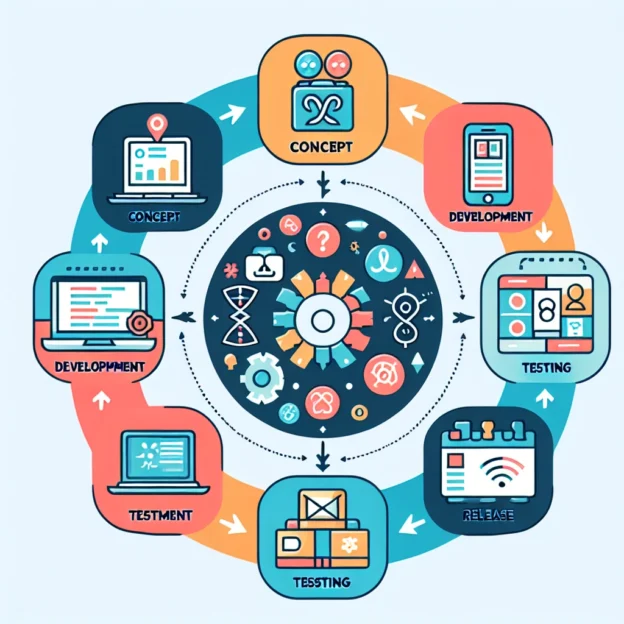
Incorporating Open Source into Your Product Development Lifecycle
In today’s tech-centric world, the term "open source" is tossed around frequently, yet many people still grapple with its meaning and importance. If you’ve ever poked around GitHub or used software like Linux, you’ve already touched the surface of what open source has to offer. But how can you effectively weave open source into your product development lifecycle? Let’s dive deeper into this burgeoning trend that’s reshaping how we create software and collaborate.
Understanding Open Source
At its core, open source software (OSS) refers to programs whose source code is available for anyone to inspect, modify, and enhance. This ethos of collaboration and transparency not only allows developers from around the world to improve a project but also fosters a community that shares tools and knowledge. Think of it as a potluck dinner; everyone brings something to the table, resulting in a broader, richer culinary experience—yes, software development can be just as delicious!
Why Open Source?
The benefits of integrating open source into your product development pipeline are plentiful:
-
Cost Efficiency: Developing software from scratch can be pricey in terms of both human resources and time. By utilizing existing open-source projects, teams can reduce costs and focus efforts on custom features specific to their users’ needs.
-
Community Support: Open source projects often have vibrant communities around them. This means access to forums, tutorials, and other resources that can help when the development road gets bumpy.
-
Innovation: With thousands of developers collaborating globally, open source projects often evolve quickly. You can tap into the latest trends and technologies without reinventing the wheel.
-
Flexibility and Scalability: Open source software can usually be modified to suit your project’s requirements. This adaptability is especially valuable in today’s dynamic market.
Getting Started
Now, how do you actually start incorporating open source into your product’s development lifecycle? Here are a few practical steps to consider:
-
Identify Your Needs: List out what you need from your software and where you think open source could fill in gaps. Do you need a robust database? Maybe an authentication framework? Knowing your requirements is the first step.
-
Research Open Source Projects: Build a shortlist of open-source tools that meet your needs. Platforms like GitHub and GitLab are excellent starting points. Read documentation and user reviews to gauge the project’s viability and community activity.
-
Evaluate Licensing: Open source doesn’t mean ‘free reign.’ Different licenses come with varying permissions and restrictions. Make sure you understand what usage rights you have with any open source software you decide to incorporate.
-
Prototype Early: Don’t hesitate to experiment! Set up some quick prototypes using your chosen open-source tools. This helps you test their compatibility with your vision while identifying any potential roadblocks early on.
-
Integrate with Your Workflow: Once you’re comfortable with open-source components, consider how they’ll fit into your existing product development lifecycle. Will they be part of your agile sprints? Do you need CI/CD pipelines to facilitate their integration?
-
Contribute Back: This might be one of the most rewarding aspects of working with open-source projects. If you’re using a library or framework, consider contributing back to the community. Whether it’s submitting a bug fix, writing documentation, or creating a tutorial, your contributions can help others while also building your brand within the community.
Keeping Security in Mind
As tempting as it is to dive headfirst into the sea of open source, always keep security in mind. Regularly review your dependencies and their updates, monitor vulnerabilities, and have a solid plan for handling security patches. Just like you wouldn’t buy food from a kitchen you can’t trust, you shouldn’t use code that hasn’t been vetted.
Incorporating open source into your product development lifecycle can feel a bit like going off the beaten path, but it opens up a world of innovation, collaboration, and efficiency. As you harness this community-driven approach, you’ll find not only your projects becoming richer but also the knowledge and capabilities of your team growing exponentially. So gather your potluck contributions, and get started! There’s a vibrant movement waiting for you just on the other side of that code.