How Open Source Software Fosters Innovation and Collaboration

How Open Source Software Fosters Innovation and Collaboration

There’s a saying that goes, “The best way to predict the future is to invent it.” In the realm of technology, one of the most compelling avenues for invention comes from open source software. If you’ve ever wondered how companies can rapidly develop cutting-edge technology or how little-known developers can create tools that change the world, the answer often lies within the open source community.

So, what is open source software? At its core, open source means that the source code of a software program is freely accessible to anyone who wants to view, modify, or improve it. This concept has roots that go back to the 1970s, but it’s gained incredible traction in recent years. With platforms like GitHub making it easier to collaborate, open source has become the go-to method for many tech innovations.

The Power of Community Collaboration

One of the standout features of open source is its community-driven approach. When developers from diverse backgrounds come together to work on a single project, they bring different perspectives and skills to the table. This broad collaboration naturally leads to more innovative solutions. A problem that might stump one developer could be a breeze for another, and when they share their insights, it’s like a giant brainstorming session on steroids.

For example, take the widely-used web server software Apache. It emerged from the collaboration of numerous contributors across the globe. This collective effort not only resulted in a robust and versatile server but also paved the way for other technologies and frameworks that have since built upon its foundation. When people collaborate openly, ideas can flourish, and the end product becomes something greater than what any single individual could achieve alone.

Cost-Effectiveness Sparks Innovation

In addition to fostering collaboration, open source software sets the stage for innovation by slashing costs. Traditional software development usually involves licensing fees, which can be a huge barrier for startups or small enterprises. Many companies spend a significant portion of their budgets purchasing software licenses rather than investing those funds into research and development.

Open source levels the playing field. Since the software is free to use, businesses of all sizes can leverage advanced tools without the hefty price tag. This doesn’t just help new startups—it allows existing companies to experiment with innovative technologies in ways they couldn’t afford before. Imagine a small team of developers creating a groundbreaking app using open source frameworks that would’ve otherwise been out of reach. That kind of accessibility often leads to out-of-the-box thinking and fresh concepts.

Rapid Iteration and Feedback Loops

Another huge advantage of open source software is the speed of development. In the conventional software model, it can take ages to develop, test, and release updates. However, thanks to the collective efforts of the community, open source projects can see rapid iteration. Developers can quickly identify bugs, suggest features, and make improvements. This leads to frequent updates and enhancements that keep the software not just up to date but also dynamic and responsive to users’ needs.

The open feedback loops that come from community engagement are invaluable. Developers can gauge the effectiveness of new features almost in real time, allowing them to pivot or change direction based on user input. This results in software that is not only innovative but also user-focused—after all, who knows what users want better than the users themselves?

Building Trust and Transparency

In our digital age, trust and security are paramount. Open source software offers a level of transparency that proprietary software simply can’t match. Users can examine the source code for security vulnerabilities or potential issues, and this collaborative critique allows for more robust security measures to be put in place.

When the community can scrutinize the software, it builds trust among users. Knowing that anyone can investigate the code brings a sense of security that’s increasingly essential in today’s world where data breaches and cybersecurity threats are rampant.

A Canvas for Creativity

Ultimately, open source software acts as a canvas for creativity and innovation. It encourages a mindset of sharing rather than hoarding knowledge. For developers, it becomes an avenue to not only showcase their skills but also to engage with others, learn, and grow. This environment has birthed transformative technologies like Linux, TensorFlow, and WordPress, each fundamentally altering how we interact with technology in our daily lives.

In a world increasingly defined by collaboration and connectivity, open source software is a beacon of how innovation can thrive when people come together for a common goal. By tearing down the barriers to entry and fostering an atmosphere of shared knowledge, we enable a future that is not only bright but also filled with limitless potential. In this vibrant ecosystem of ideas and creativity, who knows what the next groundbreaking innovation will be? The only certainty is that it will be forged by collaboration in the open source spirit.

Harnessing the Power of Open Source for Social Good

Harnessing the Power of Open Source for Social Good

In a world increasingly driven by technology, the concept of open source software emerges like a beacon of hope for innovation, collaboration, and social good. This model, where the source code of a program is made freely available to anyone, has transformed industries and empowered communities. If you’re wondering just how this works, let’s dive into the heart of open source and explore how it’s being harnessed for social impact.

The Open Source Movement: A Brief Overview

At its core, the open source movement promotes transparency and collective effort. Unlike proprietary software, where a single company controls access to the source code, open source invites anyone to modify, share, and improve the software. This spirit of collaboration has given rise to renowned projects such as Linux, Mozilla Firefox, and the Apache web server, but its influence extends far beyond the tech realm.

From education to healthcare, the principles of open source are now being applied in diverse sectors to tackle some of society’s most pressing issues. The philosophy encourages participation and democratizes technology, allowing anyone—regardless of socioeconomic background—to access the tools they need to effect change.

Success Stories: Open Source in Action

Across the globe, numerous projects exemplify how open source can drive social impact. Here are just a few impressive examples:

1. OpenMRS

In healthcare, the OpenMRS project stands out as a robust platform for managing patient records in resource-constrained settings. Developed as a collaborative effort among healthcare professionals, developers, and volunteers, OpenMRS allows organizations to customize the software to fit their specific needs. It has been deployed in numerous countries, making healthcare more accessible, efficient, and adaptable to local contexts. The ability to share insights and improvements helps practitioners continually refine approaches to patient care.

2. Ushahidi

Ushahidi is another remarkable example that took shape during times of crisis. Originally created to track and map post-election violence in Kenya, this open-source platform allows users to share information through SMS, email, or web. Today, Ushahidi has been utilized in various scenarios, from disaster response to human rights monitoring, helping communities compile real-time data and inform action.

3. OpenStreetMap

Let’s not forget about OpenStreetMap (OSM), which is often referred to as the "Wikipedia of maps." It encourages individuals from all walks of life to contribute their knowledge to produce free and editable maps of the world. This has proven invaluable in disaster relief, where precise and up-to-date mapping can make a significant difference in deploying resources effectively.

The Community Component

One of the standout features of open source projects is their community-driven nature. Users are not just passive consumers; they are active participants. Individuals from varying backgrounds come together, bringing their unique perspectives and skills to collaboratively solve challenges. This organically nurtures a sense of belonging and shared purpose, which can often extend into real-world connections and tangible change.

Moreover, mentoring opportunities abound within these communities. Newcomers can learn from seasoned contributors, gaining technical expertise while being exposed to best practices in collaboration and project management—all valuable skills that can pave the way to future career success.

Challenges and Considerations

While the potential is vast, the road isn’t always smooth. Open source projects can sometimes struggle with sustainability, funding, or adequate resources to maintain momentum. Volunteers may burn out, and as projects scale, governance can become more complex. Nevertheless, being aware of these challenges is part of the journey, and many communities are actively seeking solutions.

To address these challenges, organizations can engage in structured fundraising, seek partnerships with institutions, and lay down formal governance frameworks that ensure longevity and inclusivity. As the significance of open source continues to grow, so will the need for establishing processes that keep projects dynamic and relevant.

The Future of Open Source for Social Good

Looking ahead, the future is bright for open source as it continues to effectuate change in both technical and social realms. As we witness the intersection of technology and grassroots movements, supporting open source initiatives can foster innovation and community solidarity.

By harnessing the principles of open source, we can build a more equitable society, where knowledge and resources are shared for the collective good. Whether you’re a developer, a nonprofit leader, or just someone passionate about making a difference, engaging with open source initiatives offers a tangible way to contribute to a better world.

In this age of connectivity and information, we have an unprecedented opportunity to unleash the power of open source not only to innovate but also to inspire a movement toward thoughtful, inclusive social progress. The only limit is how far we’re willing to reach out and collaborate. After all, every contribution—big or small—can leave a lasting impact.

Real-Life Success Stories of Businesses Using Open Source Solutions

Real-Life Success Stories of Businesses Using Open Source Solutions

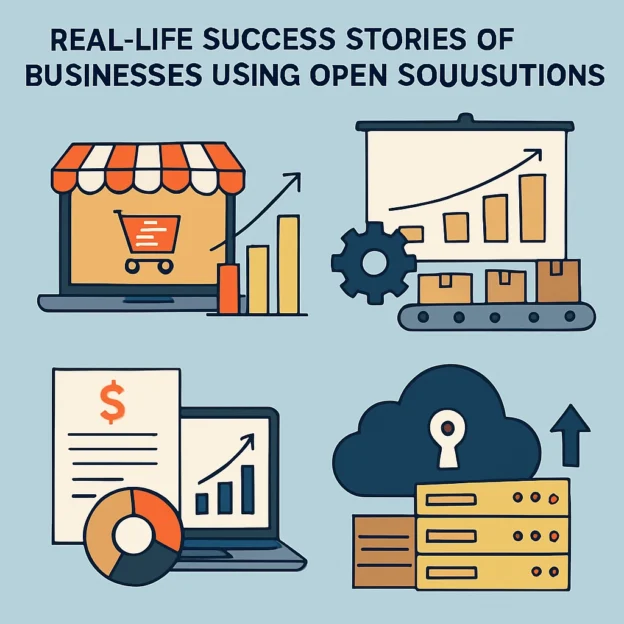
In today’s fast-paced digital landscape, open source solutions have become more than just a techie buzzword. They’re not only transforming the way we think about software but also how businesses operate and innovate. From budget-conscious startups to large enterprises looking for a competitive edge, open source tools offer a wealth of advantages—flexibility, community support, and cost-effectiveness, to name a few. Let’s dive into some inspiring real-life success stories of businesses leveraging open source solutions to fuel their growth.

Red Hat’s Rise to Prominence

One of the biggest names in the open source game is Red Hat, a company that provides open source software solutions with a focus on enterprise products. Founded in 1993, Red Hat took the concept of Linux and molded it into a commercial success, offering subscription-based support and services. Their flagship product, Red Hat Enterprise Linux, is now a staple in both small businesses and Fortune 500 companies.

By choosing open source, Red Hat not only saved a significant amount on licensing fees but also created a robust ecosystem that thrives on community collaboration. Their success shows that building a business around open source can lead to impressive financial growth and industry leadership.

Tesla and Open Source Software

Another powerful example comes from Elon Musk’s Tesla. In a surprising move back in 2014, Tesla made its patents available to the open source community. Musk’s reasoning? He believed that allowing others to use their technology would accelerate electric vehicle innovation. Not only did this bold decision foster collaboration among automotive companies, but it also positioned Tesla as a leader in the race toward sustainable energy.

By embracing open source principles, Tesla not only showcased their commitment to innovation but also built a strong community of developers and engineers, driving forward the progress of electric vehicles. This approach has directly contributed to the company’s phenomenal growth and solidified its place in the automotive industry.

WordPress Powers the Web

Switching gears, let’s talk about WordPress—a platform that powers nearly 43% of all websites on the internet. It began as a free blogging tool but has grown into a formidable open source content management system (CMS) that businesses of all sizes utilize. From small blogs to enormous corporate sites, WordPress allows for immense customization and scalability, thanks to its vast community and extensive library of plugins and themes.

One success story is that of TechCrunch, a leading technology news site. By using WordPress, they have effectively streamlined their publishing process, allowing for faster postings and greater editorial control. The flexibility inherent in WordPress means TechCrunch can scale and adapt to changing demands in real-time, a crucial ability in the ever-evolving landscape of online media.

Mozilla’s Championing of Privacy

Mozilla, the organization behind the Firefox browser, has been a strong advocate for open source and user privacy since its inception. By building their browser using open source code, Mozilla invites transparency and collaboration, empowering developers worldwide to contribute to enhancing web standards.

The implementation of open source models allows Mozilla to continually adapt and improve their software, ensuring it meets users’ needs in a privacy-conscious world. With their commitment to creating an ethical online space, Mozilla has garnered a loyal user base—one that appreciates not just a product, but also the principles behind it.

The Next Big Thing: The “Unicorn” Startups

Beyond these tech giants, countless startups are turning to open source solutions to disrupt industries and enact positive change. Take, for instance, GitLab, which evolved from an open source project into a multi-billion dollar business almost overnight. GitLab’s all-in-one DevOps platform leverages open source principles to provide tools that help developers collaborate, reduce cycle times, and release high-quality software faster.

Startups like GitLab exemplify how open source can catalyze innovation and growth, allowing teams to build systems incrementally and engage a global community of contributors. This powerful model not only drives technical advantages but fosters a culture of collaboration and shared ownership.

Ultimately, these success stories illustrate the potential of open source solutions across various industries. Whether it’s driving innovation, embracing community collaboration, or building user loyalty, open source isn’t just a trend; it’s reshaping the business landscape in remarkable ways.

In a world that’s constantly evolving, opting for open source not only fosters creativity and innovation but also builds a sense of collective community that businesses, both big and small, can thrive on. So next time you ponder whether to go with a proprietary software solution or tap into the power of the open source community, remember these inspiring stories—proof that collaboration can lead to incredible achievements.

The Impact of Open Source on the Global Software Industry

The Impact of Open Source on the Global Software Industry

In the rapidly evolving world of technology, few concepts have had as profound an effect as open source software. The idea of making software source code publicly available and allowing anyone to inspect, modify, and enhance it has revolutionized not just the way we develop software, but also how we interact with technology as a whole. If you find yourself wondering how open source has reshaped the global software industry, grab a comfy seat and join me on this journey through code.

The Birth of Open Source

Open source isn’t a new concept; it has roots that stretch back to the 1980s, but its momentum really kicked off in the late 1990s with the rise of projects like the Linux operating system. The philosophy was simple: by allowing a community of developers to collaborate and contribute, the software would become more robust and feature-rich. This collaborative spirit laid the groundwork for powerful tools and platforms that we rely on today.

Imagine a world where tech companies hoarded all of their software secrets. Innovation would be stifled, and progress would grind to a halt. Open source shatters these barriers—allowing anyone, regardless of their background, to become part of the development process. This grassroots movement encourages learning, experimentation, and ultimately, the sharing of knowledge.

Community and Collaboration

At its core, open source thrives on community involvement. Developers from all walks of life come together, contributing their unique perspectives and expertise. This collaborative approach leads to the rapid identification and resolution of bugs, more extensive testing, and a diversity of ideas that closed-source products simply can’t match. Projects like WordPress, Apache, and even major frameworks like React and Django have become staples of the industry—proof that teamwork fuels innovation.

But it’s not just developers who benefit; businesses are seeing the value of open source as well. Companies can leverage these solutions to cut costs, speed up development times, and avoid vendor lock-in. In many cases, using open source software is a game-changer that allows startups and smaller organizations to compete with larger, established players. It’s a software utopia where ingenuity reigns, and small teams can dream big without the burden of heavy financial and licensing restrictions.

The Economic Shift

The rise of open source has also catalyzed economic shifts in the global software industry. According to a recent survey by the Linux Foundation, a remarkable percentage of technology companies contribute to open source projects. This isn’t just altruism; it’s a strategic move. By actively participating in open source initiatives, businesses can cultivate innovation and talent while aligning themselves with industry standards.

Furthermore, the open source model has birthed an entire ecosystem of services. From cloud computing to cybersecurity, companies are packaging open source software with additional support, training, and consulting services. This has given rise to successful business models that generate revenue while fostering the spirit of collaboration.

Challenges and Disputes

Of course, this explosive growth hasn’t been without its hurdles. Licensing remains a contentious issue in the open source community. Different projects adopt varying licenses that dictate how code can be used or modified. Navigating this landscape can be tricky, and misunderstandings can lead to disputes, stalling development or even splitting communities.

Moreover, while open source can democratize software development, it can also raise questions about ownership and accountability. In cases where code becomes widely adopted, determining who is responsible for maintenance and updates can be murky. When a crucial open-source component faces a security vulnerability, the widespread use can put all reliant systems at risk.

The Future of Open Source

Looking ahead, the open source model seems poised to continue shaping the global software industry. With the rise of artificial intelligence, machine learning, and the Internet of Things (IoT), the flexibility and adaptability of open source software will be essential in tackling the complex challenges of the future.

As we strive to create smarter, more connected tools, maintaining an open dialogue and upholding the principles of transparency will be more valuable than ever. And let’s face it, as consumers, we all appreciate the ability to adapt technology to meet our needs—because after all, who knows better how to solve our individual problems than we do?

Open source is more than a trend; it’s a movement toward collaboration, innovation, and inclusion in technology. As we all continue to contribute—whether through coding, bug reporting, or simply choosing to use open-source solutions—we can help carve a path that honors the foundational ideals of trust and community that this remarkable movement embodies. So whether you’re a seasoned developer or a tech enthusiast just dipping your toes into the waters of open source, there’s never been a better time to get involved. Let’s keep this momentum rolling!

Navigating the Open Source Software Landscape: A Beginner’s Guide

Navigating the Open Source Software Landscape: A Beginner’s Guide

Stepping foot into the world of open source software can feel a bit like walking into a bustling farmer’s market for the first time—you see so many options, hear chatter about passionate projects, and feel a buzzing energy surrounding you. You want to dive in,…but where do you begin? Whether you’re a developer, a hobbyist, or someone simply curious about the tech world, this guide is here to help you navigate the open source landscape with confidence.

What is Open Source Software?

First things first: what exactly do we mean when we say "open source"? In simple terms, open source software (OSS) is software that comes with a license that allows anyone to view, modify, and distribute its source code. This openness leads to a community-driven approach where users and developers collaborate to improve the software, fix bugs, and innovate.

Think of it as a potluck dinner, where everyone brings a dish to share—every little contribution helps to make the meal richer and more diverse. Popular examples of open source software include the Linux operating system, the Apache web server, and the Firefox web browser.

The Benefits of Open Source

One of the most attractive features of open source software is its cost—most OSS is completely free. Who doesn’t love free stuff? But it’s not just about getting a deal; using open source software can also be a way to support community-driven projects and foster innovation.

Additionally, there’s a powerful learning curve here as well. For those wanting to get familiar with programming, having access to the source code means you can tinker and experiment, learning as you go. If you encounter a problem, there’s a wealth of community forums, documentation, and resources where you can ask for help or find solutions, turning a solitary journey into a collaborative adventure.

Getting Started with Open Source

So how do you dip your toes in? Here are some steps to help you get started:

1. Identify Your Interests

Just like the market has a variety of stalls, open source software spans numerous domains. Are you interested in web development? Look into frameworks like React or Django. Fascinated by desktop applications? Consider GIMP for graphic design or LibreOffice for productivity. Figuring out where your interests lie is the first step toward finding software that excites you.

2. Explore Popular Platforms

There are several platforms where you can discover open source projects. GitHub and GitLab are two of the most well-known, serving as repositories where developers share their code. Browsing through trending projects or exploring categories can provide a good sense of what’s out there.

3. Join the Community

Don’t be shy! Almost every open source project has a community surrounding it. This could be a mailing list, a Discord channel, or forums specific to the software. It’s a great way to meet other users and contributors who share your interests. Engaging with the community not only enhances your understanding but can also lead to opportunities for collaboration.

4. Give Back

Once you feel comfortable with a particular project, consider contributing. This doesn’t always mean writing code! Contributing can also involve reporting bugs, creating documentation, translating content, or helping others in forums. These small actions can significantly impact the project and help you build a network in the open source world.

5. Understand the Licensing

Before diving into a project, it’s crucial to understand its license. Different licenses have different rules about how you can use, modify, and share the software. Common licenses include MIT, Apache, and GPL, each with unique implications. Familiarizing yourself with these will help you avoid any legal headaches down the road.

Embrace the Journey

Open source is not just about the software itself; it’s a mindset and a community ethos. Embracing this alternative way of thinking can be incredibly rewarding. You’ve got the chance to learn new things, meet like-minded folks, and perhaps even shape the future of software.

While the journey may seem overwhelming at first, remember that every expert was once a beginner. So dive in, explore, and who knows? You might just find your niche within this exciting landscape. Happy exploring!

The Intersection of Open Source and Cloud Computing

The Intersection of Open Source and Cloud Computing

In today’s digital landscape, where technology advances at lightning speed, the combination of open source software and cloud computing is creating remarkable opportunities for innovation and collaboration. This intersection not only fosters creativity among developers but also enhances the efficiency and scalability of businesses. Let’s dive into how these two powerful forces intertwine and shape our tech environment.

What is Open Source Software?

At its core, open source software (OSS) is characterized by its publicly available source code that anyone can inspect, modify, and enhance. This transparency promotes a collaborative culture among developers and users alike, allowing for rapid problem-solving and feature enhancement. Famous examples of open source software include Linux, Apache, and Mozilla Firefox. With open source, users aren’t just passive consumers; they become active participants in shaping the software’s future.

What is Cloud Computing?

Cloud computing, on the other hand, refers to delivering various services—including storage, databases, servers, networking, software, and more—over the internet (the cloud). This model allows for scalable resources, flexibility, and cost savings, making it an appealing choice for businesses of all sizes. Companies can access powerful technology without the burden of maintaining physical infrastructure, allowing them to focus on their core missions.

How They Connect

Now that we have a better understanding of what open source and cloud computing are, let’s explore how they fit together like pieces of a puzzle.

  1. Innovation and Collaboration:
    The open-source model thrives on collaboration. Developers can contribute to projects from anywhere in the world, testing and improving code in real-time. Cloud computing amplifies this by providing environments where these projects can be hosted, tested, and implemented easily. Imagine a group of coders from different continents working together seamlessly thanks to cloud platforms—this global collaboration helps drive innovation at an unprecedented pace.

  2. Cost Efficiency:
    For startups and emerging businesses, cost is often a primary concern. Mixing open source tools with cloud services can significantly lower expenses. Startups can deploy open source applications on cloud infrastructures without the need for heavy investments in proprietary software licenses or hardware. This democratization of technology enables a myriad of small companies to compete with big players who may have deeper pockets.

  3. Scalability and Flexibility:
    Open source solutions often come with the flexibility to modify and adapt to specific needs. When paired with cloud computing, these solutions can scale rapidly. A business can start small with a cloud provider and, as demand grows, they can seamlessly scale their use of open source technologies to handle increased workloads. For instance, if a web application built on an open-source framework suddenly goes viral, it’s easy to scale the underlying cloud infrastructure to meet user demand.

  4. Community Support:
    One of the most beautiful aspects of open source is its community. Developers and users often create forums and resources where individuals can share knowledge and help each other out. When these communities intersect with cloud providers, it results in an ecosystem of shared support. Cloud platforms frequently provide managed services for open source software, with expert documentation and support teams that many users find invaluable. This not only empowers users to troubleshoot issues quickly but also builds trust in the solutions being used.

Real-World Examples

Many companies are leveraging the synergy of OSS and cloud computing. For instance, major tech giants like Google and Amazon provide cloud services like Google Cloud and AWS that support popular open source technologies. They offer managed services for Kubernetes (an open source container orchestration system) and databases like PostgreSQL.

Another noteworthy example is Red Hat, a company that offers open-source solutions and services, which has successfully built its business model around promoting open source technologies in a cloud environment. They actively contribute to projects that shape the future of cloud computing.

Looking Ahead

As businesses continue to evolve and adapt to new market demands, the intersection of open source and cloud computing will likely expand further. Trends like hybrid clouds, serverless computing, and artificial intelligence are just scratching the surface of possibilities that arise when developers can freely share and collaborate using open source technologies hosted in the cloud.

In conclusion, the combination of open source and cloud computing is paving the way for a more democratized, innovative technological landscape. It’s enabling anyone with an idea and the capability to code to contribute to a larger vision, driving the world of technology toward a future shaped by collective expertise and creativity. As we continue this journey, the collaboration between these two fields will only deepen, leading to endless possibilities for both developers and businesses alike.

Effective Strategies for Managing Open Source Contributions

Effective Strategies for Managing Open Source Contributions

Open source software has changed the way developers collaborate, innovate, and share their work with the world. With countless projects springing up every day, managing contributions effectively is essential for the growth and sustainability of these projects. Whether you’re an experienced developer or just embarking on your open source journey, implementing smart strategies can help you navigate the complex world of contributions with ease and confidence.

Create Comprehensive Documentation

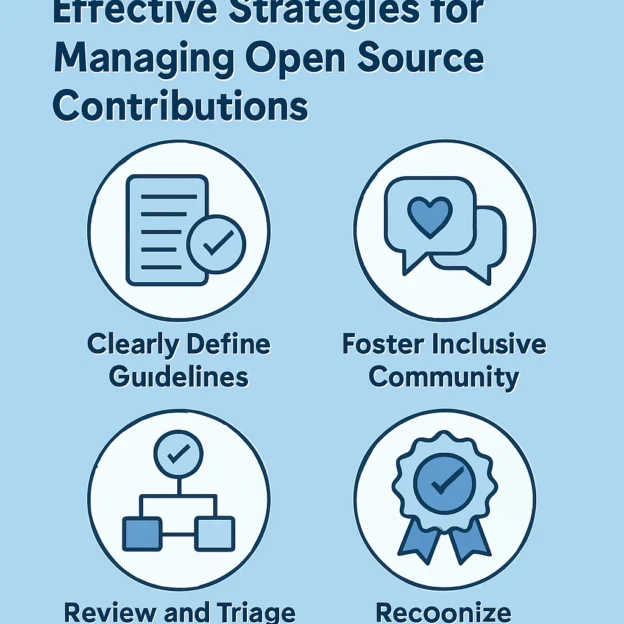
One of the golden rules of managing open source contributions is to provide clear, comprehensive documentation. Think of your README file as the face of your project—this is often the first thing potential contributors will see. Make it friendly, inviting, and informative. Include installation instructions, usage examples, contribution guidelines, and any relevant links to further resources.

Additionally, using a CONTRIBUTING.md file is a big plus. It details how to contribute, outlines your code of conduct, and sets expectations. Providing a style guide or coding standards can also help ensure contributions align with the project’s vision and quality.

Foster a Welcoming Community

Your open source project should feel like a community, not just a repository. Creating an inclusive and welcoming environment encourages more people to contribute. Engage with contributors regularly, respond to their pull requests, and thank them for their contributions, regardless of how big or small.

Consider setting up a chat platform, like Slack or Discord, where contributors can ask questions and share ideas. Sometimes, all it takes is a friendly conversation to turn a casual user into an engaged contributor.

Use Labels and Issues Strategically

Effective issue management can greatly enhance your project’s workflow. Using labels on GitHub, for instance, can streamline your issue tracking and help guide potential contributors. You can categorize issues by complexity, feature requests, bug fixes, and more. This allows newcomers to find beginner-friendly issues they can tackle, while still giving experienced contributors a chance to work on more challenging tasks.

Regularly triaging open issues also demonstrates that your project is active and well-maintained. Communicate with contributors about their progress and clarify any questions they may have. This not only keeps everyone informed but also builds a sense of accountability.

Embrace Code Reviews

Code reviews are life-savers when it comes to maintaining code quality in an open source project. They not only help catch bugs before they’re merged but also offer an excellent learning opportunity for contributors at all levels. Implement a system where code reviews are prompt and constructive. Encourage your contributors to ask follow-up questions and incorporate feedback without feeling discouraged.

You might also want to establish a specific format for reviewers to follow, ensuring critique remains constructive and aligns with the project’s ethos.

Automate Where Possible

Automation can be your best friend. Set up Continuous Integration (CI) tools to run tests and checks for every pull request automatically. This reduces the burden on maintainers and streamlines the process for contributors eager to see their code in action. Tools like Travis CI, CircleCI, or GitHub Actions can be fantastic for automating testing and other repetitive tasks, ensuring your project remains robust and reliable.

Acknowledge Contributions

Recognizing contributions is an essential part of maintaining a thriving open source project. Create a contributors’ file or use GitHub’s contributors graph to showcase all who have lent a hand. Celebrate milestones, whether they involve reaching a certain number of contributions or the successful launch of a new feature. This not only motivates current contributors but may also attract new ones who see a vibrant and engaged community.

Continuous Improvement

Even after implementing these strategies, remember that managing an open source project is an evolving process. Seek feedback from your contributors about what works and what doesn’t. Open an ongoing dialogue and be open to making changes as your community grows.

Change is the only constant in open source, and being adaptable will keep your project alive and thriving. Share successes and challenges, and consistently refine your approach to resonate with your contributors’ needs.

In the end, effective management of open source contributions revolves around building a transparent, welcoming, and engaging community. As you refine these strategies, you’ll not only enhance the quality of your project but create an enriching environment for developers to collaborate and share their talents. Embrace the journey, and enjoy the many rewards that come with nurturing a thriving open source community!

Building a Robust Business Using Open Source Technologies

Building a Robust Business Using Open Source Technologies

In a world where technology evolves at lightning speed, businesses need to keep pace with innovation while managing costs. Enter open source technologies – a treasure trove of tools and resources that can help your business flourish. But what exactly does it mean to leverage open source, and how can it pave the way for building a resilient and successful venture? Let’s dive in!

What Are Open Source Technologies?

Open source technologies are programs and software whose source code is made available to the public. This means anyone can use, modify, and distribute the software without paying hefty licensing fees. Some noteworthy examples include Linux, WordPress, and Apache. These tools aren’t just for tech whizzes; they can be game-changers for businesses of all sizes, especially those looking to innovate while keeping costs down.

Cost-Effectiveness and Flexibility

One of the biggest advantages of using open source technologies is cost savings. Proprietary software can be pricey, often requiring not only licensing fees but also additional expenses for updates and support. On the other hand, open source solutions typically come at little to no cost upfront. This economical approach allows startups and small businesses to allocate resources elsewhere, perhaps toward marketing, product development, or customer service.

Beyond just initial costs, open source gives you the flexibility to customize and adapt solutions to fit your specific needs. As your business evolves or faces new challenges, you can tweak the code to create solutions that are perfectly tailored to your operations. This adaptability is invaluable in a dynamic market.

Community Support and Innovation

Another fantastic perk of embracing open source is the vibrant community that backs it. When you choose an open source project, you’re not just getting a tool – you’re gaining a network of enthusiastic developers and users who are eager to support and improve the software. Platforms like GitHub host thousands of contributors who share their insights, plugins, and troubleshooting tips. These communities can be a phenomenal resource for learning, collaboration, and innovation.

Moreover, the open source landscape is continuously evolving. Developers around the world are constantly working on enhancements and new features, which means your business can benefit from cutting-edge advancements without ever needing to invest in a full-scale software upgrade. Staying ahead of the competition has never been easier!

Security and Transparency

In an era marked by increasing cyber threats, security is a primary concern for businesses. You may think that open source software is inherently risky, given that its source code is publicly available, but the opposite can be true. The transparency of open source allows for rigorous peer review; anyone can inspect the code, identify vulnerabilities, and patch them before they become larger issues.

Additionally, many open source projects have dedicated teams working actively to maintain and secure their software. An engaged community is often better at spotting and solving issues than a single corporate entity. By choosing open source, you can tap into this proactive approach to security, ensuring your systems are fortified against potential threats.

Scalable Solutions

As businesses grow, scalability becomes crucial. Many open source technologies are designed to grow with you, making it simpler to adapt your infrastructure as demand increases. For example, if you start with a basic version of an open-source CRM, you can add features, integrate with third-party tools, and even expand your user base without needing to switch to a completely new platform. This seamless scalability helps maintain operational efficiency and keeps your team focused on what really matters.

Final Thoughts

Building a robust business with open source technologies means embracing a culture of collaboration, innovation, and flexibility. By leveraging these powerful tools, businesses can not only reduce costs but also improve their adaptability to market changes and bolster their security infrastructure.

Whether you’re an entrepreneur in the early stages of your journey or a well-established company looking for new ways to grow, exploring open source options could offer the solutions you need to thrive. So why not take a leap into the open source world? You might just find that it’s the key to unlocking your business’s true potential. The future is open, and it’s waiting for you to join in!

The Best Practices for Maintaining Open Source Projects

The Best Practices for Maintaining Open Source Projects

Open source projects have become a cornerstone of the tech community, fostering collaboration, innovation, and shared knowledge. Whether you’re a seasoned maintainer or just dipping your toes into the open-source waters, knowing how to maintain these projects effectively is essential for their success and growth. Here, we’ll explore some best practices that can help keep your open source project thriving.

1. Clear Documentation is Key

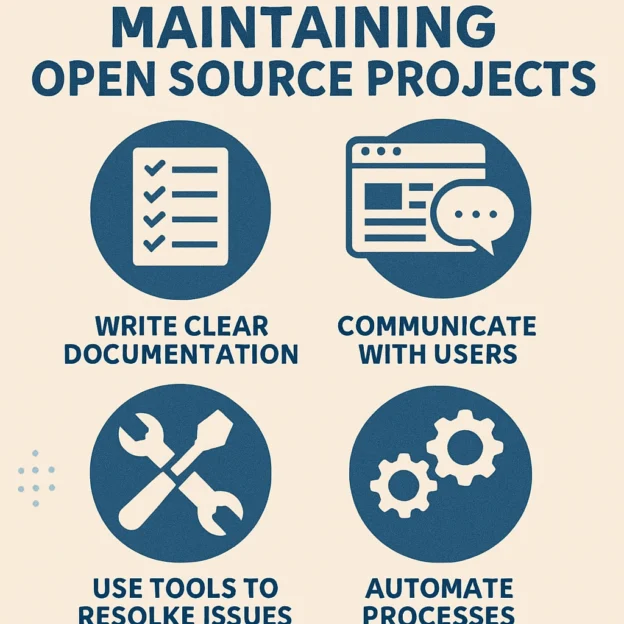
Documentation is the lifeblood of any software project, and it takes on even greater importance in the open-source world. Think about it—most new contributors haven’t seen your code before; they’re essentially exploring uncharted territory. A comprehensive README file that explains what your project is, how to install it, and how to contribute makes a world of difference.

Additionally, consider creating a CONTRIBUTING.md file that outlines how potential contributors can get involved, as well as coding standards and any other critical guidelines. Don’t forget to keep your documentation up-to-date as your project evolves!

2. Foster a Welcoming Community

A friendly, inclusive environment goes a long way in attracting and retaining contributors. A few key steps you can take include:

  • Be responsive. When someone opens an issue or submits a pull request, try to respond in a timely manner. Even a simple acknowledgment can make someone feel valued.

  • Encourage diverse contributions. Make it clear that all voices are welcome. This can be achieved through inclusive language, diverse representation in your examples, and active outreach to underrepresented groups.

  • Host discussions. Whether it’s through GitHub discussions, Discord, or a dedicated forum, provide a space where people can ask questions, share ideas, and give feedback. Community engagement is one of the most rewarding parts of open source!

3. Organize Issues and Resources

Keeping track of issues can become chaotic if you don’t have a solid system in place. Use labels on GitHub to help organize tasks by severity, type, or progress. This makes it easier for others to find issues they can help with, allowing for a more focused effort in development.

Moreover, consider tagging issues that are “good first issues” to help onboard newcomers. It’s a great way to give first-timers a sense of accomplishment and encourage them to contribute more.

4. Set Up a Code Review Process

A well-established code review process not only improves code quality but also fosters learning and knowledge sharing among contributors. Evaluate contributions thoroughly and constructively, offering feedback that’s actionable and encouraging. This creates an atmosphere where developers feel empowered to submit updates without fear of harsh criticism.

Leverage continuous integration (CI) tools to automate testing. This way, you can catch issues before they even reach the main branch, streamlining your workflow and maintaining project integrity.

5. Regular Updates and Releases

There’s nothing like a project that seems stagnant to discourage contributions. Regularly updating your project signals that it’s active and maintained. Schedule time for updates, bug fixes, and feature releases. Make sure to communicate these updates in a clear, transparent way—changelogs can help highlight what’s new in each release.

Don’t forget to promote your project updates on social media or relevant forums, which can attract more users and contributors!

6. Offer Mentorship Opportunities

For those looking to dive deeper into open source, mentorship can be an invaluable part of the learning process. Consider creating programs that pair experienced contributors with newcomers to guide them through their initial contributions. This not only helps the new contributors feel more comfortable but also strengthens the community as members build relationships.

7. Be Open to Feedback

Just as you’re encouraging others to contribute, be open to critiques of your project as well. Feedback on features, usability, and documentation can come from various sources, and being receptive to this helps you iterate effectively. Don’t be discouraged by constructive criticism; instead, view it as an opportunity to improve.

Maintaining an open-source project doesn’t come without its challenges. But by creating a welcoming environment, ensuring clarity in documentation, and actively engaging with your community, you can cultivate a project that not only survives but thrives.

As you implement these best practices, remember that at the core of open source is collaboration and shared learning. The journey may have its ups and downs, but with dedication and a supportive community, your project can make a significant impact in the tech world and beyond. Happy coding!

How to Transition Your Business to Open Source Software

How to Transition Your Business to Open Source Software

In today’s fast-paced digital world, software plays a crucial role in the success of businesses. Many organizations are turning to open source software (OSS) as a smart alternative to proprietary systems. But making the transition can feel daunting. Whether you’re a small startup or a larger enterprise, the thought of shifting to open source might be overwhelming. So, where do you even start? Let’s dive into the essential steps for a smooth transition to open source software.

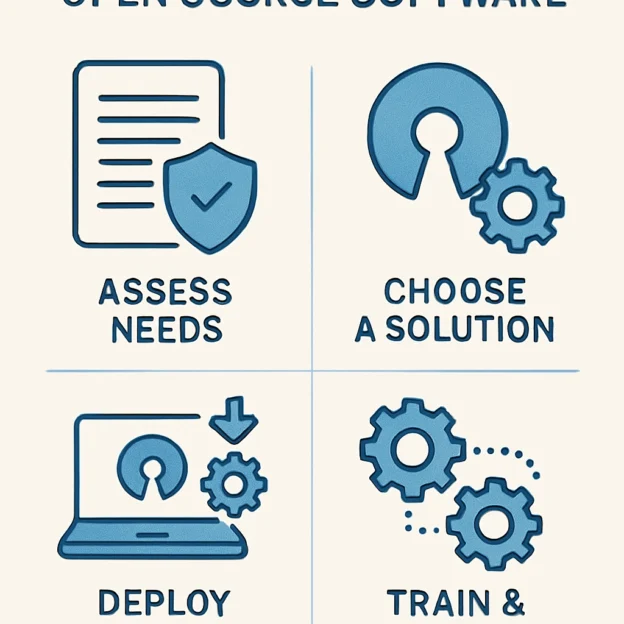
Assess Your Current Software Environment

Before you dive headfirst into the world of open source, take a moment to assess your current software landscape. What tools, systems, and applications are essential to your daily operations? Gather a complete inventory of the software currently being used throughout your business—this includes everything from customer relationship management (CRM) tools to project management and even accounting software. Understanding what you have in place will help identify which systems could be phased out and which open source counterparts would best fit your needs.

Identify Your Needs

Every business has unique requirements, so it’s crucial to identify what you need from an open source solution. Are you looking for a specific feature set? Is user-friendliness a priority? Or maybe you require a high level of customization? Once you understand your needs, you’ll be better positioned to evaluate the myriad of open source options available. Websites like GitHub, SourceForge, and Open Source Alternative can help you compare different software tools based on user reviews and functionality.

Research Open Source Alternatives

The beauty of open source software is the vast array of choices available. For every proprietary tool, there’s typically at least one open source alternative. For instance, if you’re currently using Microsoft Office, consider transitioning to LibreOffice or Google Docs. If your business relies on a CRM like Salesforce, check out options like SuiteCRM or Odoo.

Take the time to research and test various open source alternatives to see how well they align with your business needs. Don’t hesitate to look into reviews and case studies from companies similar to yours that have already made the switch. This can give you valuable insights into how well the software performs in a real-world business context.

Build Your Team’s Skills

Transitioning to open source software often requires a shift in skillset. Training is key! Identify any gaps in knowledge that your team might have with the new software. Will they need training sessions, online courses, or perhaps even a dedicated open source champion to lead the way? Exploring community resources, such as forums, user groups, or even dedicated training programs, can greatly assist your team in navigating the change.

Encouraging a culture of continuous learning is also beneficial. An invested team is more likely to successfully adopt new tools, leading to a smoother transition overall.

Develop a Transition Plan

Once you have your software alternatives selected and your team trained, it’s time to create a transition plan. Start small by implementing the open source software alongside your existing systems. This will allow your team to test the new tools without leaving behind what they already know. Monitoring performance during this phase will help identify any hiccups and fix them early on.

Be clear about your timeline and set specific milestones. Maybe week one is focused on data migration, week two on user training, and so on. Establishing checkpoints will keep your transition on track and help everyone stay accountable.

Monitor and Iterate

Once you’ve transitioned to your new open source software, don’t just set it and forget it. Regularly solicit feedback from your team about how the new system is working for them. Are there features they wish the software had? Are there aspects that are working particularly well? Keeping an open line of communication will help you refine the software setup and make informed decisions about future upgrades or changes.

Moreover, many open source projects are constantly being updated and improved by their communities. Stay engaged and ensure you’re keeping up with any updates that could enhance your performance or security.

Embrace the Community

One of the greatest perks of open source software is the community that comes with it. You’ll find forums, user groups, and documentation created by other users ready to help out. Embrace this community! Attend meetups, contribute to forums, or even consider open sourcing a tool you build in-house. By engaging with the community, not only can you find support, but you also gain access to cutting-edge knowledge and practices.

Transitioning to open source software doesn’t have to be a daunting task. With the right approach—where you assess your needs, do your research, train your team, and listen to feedback—you can unlock new levels of flexibility and innovation that proprietary software simply can’t offer. Open source adoption can lead to more customized solutions that align closely with your business goals, and who knows? You might even find yourself collaborating within the vibrant open source community!