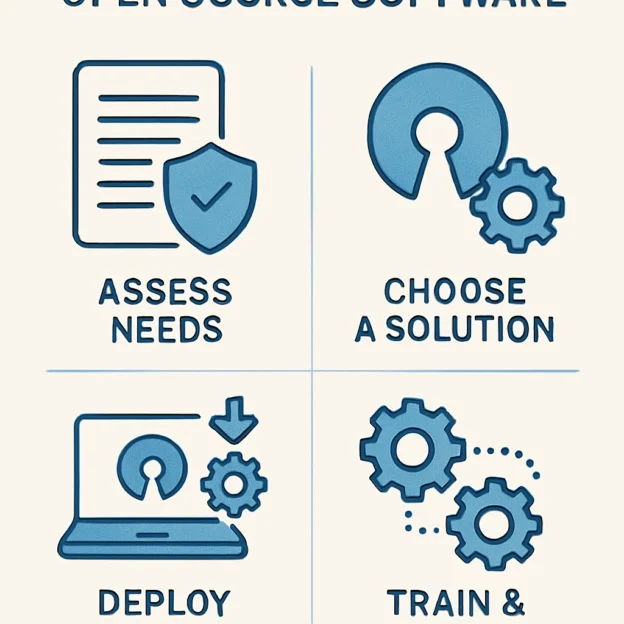
How to Transition Your Business to Open Source Software
In today’s fast-paced digital world, software plays a crucial role in the success of businesses. Many organizations are turning to open source software (OSS) as a smart alternative to proprietary systems. But making the transition can feel daunting. Whether you’re a small startup or a larger enterprise, the thought of shifting to open source might be overwhelming. So, where do you even start? Let’s dive into the essential steps for a smooth transition to open source software.
Assess Your Current Software Environment
Before you dive headfirst into the world of open source, take a moment to assess your current software landscape. What tools, systems, and applications are essential to your daily operations? Gather a complete inventory of the software currently being used throughout your business—this includes everything from customer relationship management (CRM) tools to project management and even accounting software. Understanding what you have in place will help identify which systems could be phased out and which open source counterparts would best fit your needs.
Identify Your Needs
Every business has unique requirements, so it’s crucial to identify what you need from an open source solution. Are you looking for a specific feature set? Is user-friendliness a priority? Or maybe you require a high level of customization? Once you understand your needs, you’ll be better positioned to evaluate the myriad of open source options available. Websites like GitHub, SourceForge, and Open Source Alternative can help you compare different software tools based on user reviews and functionality.
Research Open Source Alternatives
The beauty of open source software is the vast array of choices available. For every proprietary tool, there’s typically at least one open source alternative. For instance, if you’re currently using Microsoft Office, consider transitioning to LibreOffice or Google Docs. If your business relies on a CRM like Salesforce, check out options like SuiteCRM or Odoo.
Take the time to research and test various open source alternatives to see how well they align with your business needs. Don’t hesitate to look into reviews and case studies from companies similar to yours that have already made the switch. This can give you valuable insights into how well the software performs in a real-world business context.
Build Your Team’s Skills
Transitioning to open source software often requires a shift in skillset. Training is key! Identify any gaps in knowledge that your team might have with the new software. Will they need training sessions, online courses, or perhaps even a dedicated open source champion to lead the way? Exploring community resources, such as forums, user groups, or even dedicated training programs, can greatly assist your team in navigating the change.
Encouraging a culture of continuous learning is also beneficial. An invested team is more likely to successfully adopt new tools, leading to a smoother transition overall.
Develop a Transition Plan
Once you have your software alternatives selected and your team trained, it’s time to create a transition plan. Start small by implementing the open source software alongside your existing systems. This will allow your team to test the new tools without leaving behind what they already know. Monitoring performance during this phase will help identify any hiccups and fix them early on.
Be clear about your timeline and set specific milestones. Maybe week one is focused on data migration, week two on user training, and so on. Establishing checkpoints will keep your transition on track and help everyone stay accountable.
Monitor and Iterate
Once you’ve transitioned to your new open source software, don’t just set it and forget it. Regularly solicit feedback from your team about how the new system is working for them. Are there features they wish the software had? Are there aspects that are working particularly well? Keeping an open line of communication will help you refine the software setup and make informed decisions about future upgrades or changes.
Moreover, many open source projects are constantly being updated and improved by their communities. Stay engaged and ensure you’re keeping up with any updates that could enhance your performance or security.
Embrace the Community
One of the greatest perks of open source software is the community that comes with it. You’ll find forums, user groups, and documentation created by other users ready to help out. Embrace this community! Attend meetups, contribute to forums, or even consider open sourcing a tool you build in-house. By engaging with the community, not only can you find support, but you also gain access to cutting-edge knowledge and practices.
Transitioning to open source software doesn’t have to be a daunting task. With the right approach—where you assess your needs, do your research, train your team, and listen to feedback—you can unlock new levels of flexibility and innovation that proprietary software simply can’t offer. Open source adoption can lead to more customized solutions that align closely with your business goals, and who knows? You might even find yourself collaborating within the vibrant open source community!