Why Every Developer Should Learn about Free Software Principles

Why Every Developer Should Learn about Free Software Principles

In today’s tech-centric world, the software we use shapes how we live our lives, from the apps on our phones to the complex systems running our healthcare. With the rapid evolution of technology, it’s easy to get lost in the bits and bytes of coding. However, there’s an underlying principle that every developer should grasp — the Free Software Principles. These principles encourage a refreshing perspective on software development, community engagement, and the ethical implications of technology.

What Are Free Software Principles?

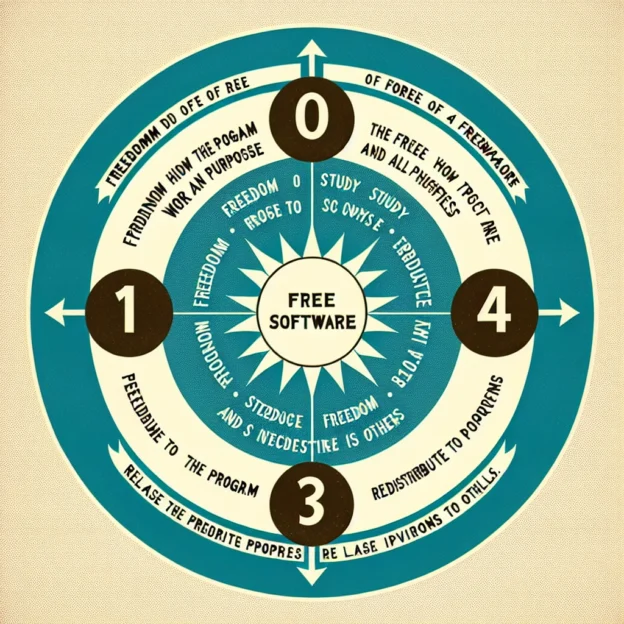
Before diving into why these principles are vital for developers, let’s break down what they really are. At the heart of free software is the belief that software should be free to use, study, modify, and distribute. The Free Software Foundation (FSF) defines "free" not just in terms of price (as in "free beer"), but as freedom (as in "free speech"). According to the FSF, there are four essential freedoms:

  1. The freedom to run the program as you wish, for any purpose.
  2. The freedom to study how the program works and change it to make it do what you wish (access to the source code is a precondition).
  3. The freedom to redistribute copies so you can help others.
  4. The freedom to distribute copies of your modified versions to others (access to the source code is a precondition).

These core freedoms cultivate a culture of collaboration, transparency, and accessibility in software development.

Enhanced Problem-Solving Skills

Understanding Free Software Principles can sharpen a developer’s problem-solving skills. Free software advocates for open collaboration, allowing developers to view and learn from others’ work. When you dive into open-source projects, not only do you learn from existing code, but you also get the chance to experiment with solutions to complex problems. This collaborative environment fosters creativity and innovation, allowing developers to tackle challenges from various angles.

Community Matters

One of the most rewarding aspects of being a developer is connecting with a community of like-minded individuals. By learning about Free Software Principles, you gain access to a global network of developers passionate about sharing knowledge and creating solutions. Participating in open-source projects means you’re not just writing code; you’re contributing to a movement that drives social change and technological advancement. Engaging with this community can inspire growth, mentorship, and collaboration that might not be possible in proprietary environments.

Ethical Considerations

As a developer, it’s crucial to be aware of the ethical implications of the tools and systems you help create. The principles of free software encourage transparency and ethical responsibility. Learning about these principles challenges developers to think critically about how their work impacts users and society at large. Are you creating software that respects user privacy? Are you empowering users with control over the tools they use? Ethical software development is a growing concern; understanding free software practices positions you on the right side of this critical conversation.

Encouraging Innovation

History shows that many of the world’s technological advancements have emerged from open-source initiatives. From the emergence of Linux to the rise of the web, free software has fostered an environment ripe for innovation. By embracing Free Software Principles, developers are encouraged to take risks, experiment, and build upon existing work without fear of legal repercussions or licensing issues. This spirit of innovation can lead to groundbreaking solutions that benefit both the developer community and society as a whole.

Job Opportunities and Market Relevance

As industries increasingly turn their focus toward open-source solutions, having a strong understanding of Free Software Principles can also significantly affect your career trajectory. Many companies now prioritize open-source experience when hiring, recognizing the importance of collaboration and transparency. Familiarity with these principles not only broadens your skill set but also makes you a more attractive candidate in a job market that increasingly values innovation and ethical practices.

Closing Thoughts

In a world where technology plays an essential role in shaping our futures, it’s imperative for developers to grasp the fundamentals of Free Software Principles. Embracing this approach cultivates strong problem-solving skills, fosters community engagement, and encourages ethical decision-making. Whether you’re just starting in your coding journey or are a seasoned professional, understanding and implementing these principles will not only enhance your skills but also contribute to building a more collaborative and innovative software landscape. Ultimately, this not only enriches your career but also positions you to make a meaningful impact on the world around you. So why not take the leap and immerse yourself in the enriching world of free software? You might just find it changes your perspective—and your career—for the better.

Debunking Common Myths About Open Source Software

Debunking Common Myths About Open Source Software

Open source software (OSS) has rapidly become a key player in the realm of technology, promoting collaboration and innovation. But despite its growing popularity, it comes with its fair share of myths and misconceptions. Let’s take a moment to debunk some of the most common myths about open source software, and shed light on why it deserves a spot in your tech toolkit.

Myth 1: Open Source Software is Always Free

While it’s true that many open source projects are available at no cost, this doesn’t mean all OSS is free. The essence of "open source" refers more to the code’s accessibility and the rights users have to modify and share it rather than its price. There are commercial open source solutions where companies offer premium support, consulting, and added features for a fee. Think of it like how you can get a free public park, but a well-maintained one with additional features might require funding.

Myth 2: Open Source Software is Less Secure

This myth likely stems from the perception that because anyone can view the code, there’s a greater risk of security vulnerabilities. In reality, it’s quite the opposite! Open source code is scrutinized by many experts across the globe, often resulting in quicker identification and resolution of security issues. The transparency offered by OSS allows developers to check for flaws and patch them collaboratively. Think of it as a group of watchdogs keeping an eye out for trouble, rather than a single guard at the gate.

Myth 3: Only Techies Can Use Open Source Software

It’s a common assumption that open source software is only for developers or tech-savvy users. However, many open source projects come with user-friendly interfaces and extensive documentation, making them accessible to anyone! Take LibreOffice, for example—it’s an open-source alternative to Microsoft Office that many users find intuitive and easy to navigate. There’s a wealth of community support available through forums and chat groups, making it simple for newcomers to find help and advice.

Myth 4: Open Source Software Lacks Support

Another prevalent myth is that open source software comes without any support. This can’t be further from the truth! While traditional support might not be as straightforward as picking up a phone or sending an email, OSS communities are often vibrant, engaged, and willing to help. From forums and online documentation to collaboration platforms, users can find ample resources for troubleshooting. In many cases, organizations that use open source also have the option to purchase professional support from companies that specialize in those projects.

Myth 5: Open Source Software is Outdated

Some people believe that because open source software might not come from a big-name corporation, it must be ancient or lacking in features. This is far from reality. Many open source projects are cutting-edge and are actively maintained by dedicated communities. Software like WordPress, which powers about 40% of websites on the internet, is continually updated and boasts a plethora of plugins that add modern functionalities. In fact, the rapid pace of development in the open source world often leads to software that’s ahead of its corporate counterparts.

Myth 6: Open Source Software Doesn’t Have Quality Control

Another misconception is the idea that open source software lacks standards and quality control. Many open source projects are managed through established protocols that ensure high coding standards. Developers contribute to code reviews, testing, and documentation, often resulting in dependable and stable releases. The collaborative nature of these projects encourages quality, as no one wants to be associated with a buggy or unreliable software.

Embracing the Truth

Open source software has a bustling ecosystem full of opportunities for all types of users, whether you’re a tech pro, a small business owner, or just someone looking for a reliable application. The collaborative nature of OSS fosters innovation, improves security, and creates a vibrant community eager to share knowledge and experiences.

As we break down these myths, it becomes clear that dismissing open source software is a disservice to the rich possibilities it offers. So, whether you’re developing your own projects, seeking new tools, or just curious about what’s out there, consider exploring the open source realm – you might be pleasantly surprised by what you find!

How to Contribute to Open Source Projects Effectively

How to Contribute to Open Source Projects Effectively

If you’ve ever felt the urge to jump into the world of open source projects but found yourself unsure of how to start, you’re not alone. Open source is a fabulous community-driven space where developers and contributors work together for the common good, but navigating it can sometimes feel overwhelming. Fear not! Let’s break down some steps and tips for contributing to open source projects effectively.

Understanding Open Source

Before we dive into the nitty-gritty of contributions, it’s essential to grasp what open source actually means. Open source software (OSS) is software that comes with a license that allows anyone to view, modify, and distribute the source code. This means anyone—yes, even you—can potentially contribute to a project that’s hosted on platforms like GitHub, GitLab, or Bitbucket. The beauty of open source lies in the collaboration and skill-sharing among a diverse group of creators from all over the globe.

Finding the Right Project

The first key step is finding a project that excites you! You may want to consider your interests—do you love web development, machine learning, or maybe even gardening apps? Websites like GitHub provide a wealth of repositories where you can search by topics or languages.

While you’re exploring, keep an eye out for tags like “good first issue” or “help wanted.” These indicators usually signal that maintainers are looking for contributors who are new to the project. Go through the project’s README file and contribute guidelines to understand its purpose and contribution processes.

Setting Up Your Environment

Once you’ve selected a project, the next step is to set up your development environment. Follow the installation instructions provided in the repository’s documentation. You’ll often find this in the README file or a dedicated CONTRIBUTING.md document.

Take your time here. Setting up might include downloading dependencies, configuring settings, or running the project locally. If you encounter any hiccups, don’t hesitate to ask for help in the project’s community—friendly developers are often more than willing to assist newcomers!

Starting Small

When you’re ready to start contributing, it’s usually best to ease into it with small tasks. This might be fixing typos in documentation, resolving minor bugs, or improving code comments. Starting small allows you to get familiar with the codebase and the contribution process without being overwhelmed.

As you tackle your first issue, make sure to provide context in your commits and pull requests. Clear, descriptive commit messages tell project maintainers what you were aiming to achieve and help them understand your changes better.

Engaging with the Community

One of the biggest benefits of open source is the community aspect. Don’t be afraid to engage! Participate in discussions, join chat platforms (like Discord or Slack), and attend community meetings if they exist. This helps you connect with other contributors and maintainers, and it provides fantastic opportunities to learn and grow.

Additionally, always be respectful and patient in your communications. Remember, everyone was a beginner once!

Submitting Your Contributions

Once you’ve made a change or completed an issue, it’s time to submit a pull request (PR). Each project may have slightly different guidelines for this, so follow the contributing guidelines carefully. This process is essential because it allows the project maintainers to review your code, suggest changes, or merge it into the main branch.

When creating your PR, be sure to give a thorough and clear description of what you’ve accomplished. Highlight any challenges you faced and how you overcame them. It’s all part of showcasing your learning journey.

Learning and Iterating

After submitting your contributions, keep an eye on the discussion around your PR. Maintainers may request changes or provide feedback. Take this feedback graciously; it’s a valuable part of your growth as a developer. Use it as a learning opportunity—there’s always room for improvement, and the open-source community thrives on collaboration.

The Joy of Giving Back

Contributing to open source is like planting seeds in a garden—you cultivate knowledge, share advice, and grow together with others. Not only can you improve your skills and learn new technologies, but you’ll also have the chance to make meaningful connections with like-minded people.

The world of open source is vast and vibrant, filled with endless opportunities, creativity, and support. So roll up your sleeves and dive in—your contributions are not just welcome; they’re needed! Whether you code, document, or help out in the community, remember that every bit of effort helps keep the open source spirit alive. Happy coding!

Maximizing Productivity with Open Source Business Software

Maximizing Productivity with Open Source Business Software

In the bustling world of business, productivity is the name of the game. Whether you’re a small startup or a well-established enterprise, finding ways to optimize workflow and streamline processes is crucial. One powerful approach that many are turning to is open source business software. So, let’s explore how embracing open source solutions can not only maximize productivity but also save you some serious bucks along the way!

What Is Open Source Software?

Before diving in, let’s clarify what open source software actually means. In simple terms, open source software is software whose source code is available to the public for anyone to use, modify, and distribute. Think of it like a community project where developers from various backgrounds collaborate and contribute, leading to robust and innovative solutions.

This collaborative nature not only accelerates development but often leads to fixes and updates being rolled out more frequently than proprietary software. The result? You get tools that are continually evolving and improving without the hefty price tag.

Cost-Effective Solutions

One of the biggest draws of open source software is cost. Traditional business software often comes with hefty licensing fees that can put a significant dent in your budget. In contrast, most open source alternatives are free to use. This means you can redirect those funds toward other important areas of your business, such as marketing initiatives or employee training.

Furthermore, even when there are some costs involved—like for installation, maintenance, or training—these are typically lower than the costs associated with proprietary software. Additionally, since you have the capability to customize and scale your software solutions as needed, it also means you can better align with your business goals and growth strategies.

Enhanced Collaboration

In a remote working environment, collaboration tools are more important than ever. Tools like Nextcloud or Mattermost offer open-source alternatives to traditional communication platforms, helping teams work together seamlessly regardless of their physical location.

With open source solutions, you have the freedom to tailor collaboration tools to fit your specific needs. You can integrate various applications, automate workflows, and improve team coordination without being locked into a specific vendor’s ecosystem. It empowers both employees and management to be agile and responsive, which leads to improving overall productivity.

Security and Control

With great power comes great responsibility, right? While proprietary software companies claim to have top-notch security measures, open source software allows you to verify this for yourself. With open source, the community at large can inspect the code for vulnerabilities, making it easier to identify and mitigate security risks promptly.

Plus, using open source means you won’t find yourself at the mercy of a vendor’s timeline for updates or issues. You have the control to customize your security protocols and ensure your software is as secure as possible.

Customization and Flexibility

Every business is unique, and a one-size-fits-all approach often doesn’t cut it. Open source software allows you to tweak the software based on your specific needs and workflows. Need a special feature that’s not included by default? No problem! You can either customize the existing code or collaborate with a developer to build something that fits right into your operational model.

This flexibility is particularly beneficial as businesses evolve and grow. You won’t have to go through the hassle of switching to new software or learning new systems; instead, you simply adapt your current tools to meet new demands.

Community Support

Open source software often comes with a vibrant community of users and developers who are eager to share experiences, documentation, and troubleshooting advice. This community support can be invaluable, especially for businesses without full-time IT staff.

Online forums and discussion groups can be treasure troves of information. Whenever you hit a snag or have questions, there’s usually someone out there who has faced a similar challenge and can guide you through it.

The Bottom Line

In a world where productivity can set you apart from the competition, leveraging open source business software is a smart strategy. Not only does it provide cost-effective solutions, but it also enhances collaboration, ensures security, offers customization, and gives you access to a supportive community.

By embracing open source, you’re not just adopting a tool; you’re opening the door to a vast landscape of innovation and efficiency. As you embark on this journey, remember that the goal is not just to work harder, but to work smarter. So, go ahead—explore the possibilities and watch your productivity soar!

Collaborative Coding: The Community Behind Open Source Software

Collaborative Coding: The Community Behind Open Source Software

In the ever-evolving world of technology, open source software stands out as a shining beacon of innovation and collaboration. At its core, open source software means that the code is publicly available for anyone to use, modify, and distribute. But behind this code lies a vibrant community of passionate developers, designers, and users, all working together to create tools that shape our digital landscape.

The Heart of Open Source: Community Collaboration

At first glance, open source might seem like a lone coder’s dream where anyone can tinker with a piece of software in their basement. However, the reality is that these projects thrive in a community-driven environment. Developers from all walks of life come together, sharing ideas, expertise, and even frustrations as they build something greater than the sum of its parts.

Take, for example, the popular operating system Linux. It has grown from a small project started by Linus Torvalds in 1991 to a complex ecosystem that powers servers, smartphones, and even some of the world’s most advanced supercomputers. This evolution wouldn’t have been possible without countless contributions from developers around the globe, each adding their unique insights to the project. The spirit of collaboration and mutual support makes the open source community an inspiring place to be.

Learning and Growth Opportunities

One of the greatest benefits of being involved in the open source community is the opportunity for personal and professional growth. For budding developers, contributing to an open source project can be a fantastic way to sharpen coding skills, learn best practices, and gain real-world experience. Many projects have well-defined contribution guidelines, which provide a structured way to get involved.

Platforms like GitHub have democratized access to these projects. You don’t need to be a seasoned developer to contribute; many repositories have issues labeled "good first issue" to help newcomers dive in. Whether you’re fixing bugs, adding new features, or improving documentation, every contribution counts and helps you learn along the way. This environment fosters not just technical skills, but also soft skills like communication, teamwork, and problem-solving.

The Power of Diversity

Open source is not just for coders. The community encompasses designers, writers, translators, and even advocates. This diversity is essential for crafting software that is accessible and useful to a wider audience. Having a diverse team brings different perspectives to the table, making it easier to identify and rectify issues that might not be visible to a more homogeneous group.

Moreover, many open source projects actively encourage contributions from underrepresented groups in tech. Initiatives like Outreachy and Google Summer of Code provide mentorship and support for newcomers, ensuring a broader spectrum of voices in the development process. This not only enriches the projects themselves but also strengthens the community in its own right.

The Joy of Giving Back

A significant aspect of open source software is the idea of giving back. Many developers start their careers using open source projects, and as they grow in their expertise, they often feel a desire to contribute back to the community that helped them learn. This cyclical nature of giving and receiving enhances the communal experience of coding.

Established projects frequently host events like hackathons, conferences, and sprints, where community members can collaborate in real-time. These gatherings are not just about coding; they foster relationships, share stories, and build a sense of belonging. When developers gather to celebrate their shared passion, the results can be quite magical, leading to breakthroughs that might not have occurred in isolation.

Making a Difference

Perhaps the most inspiring aspect of the open source community is its commitment to making the world a better place. Many projects tackle real-world problems, from providing free software for educational institutions to developing tools for non-profits. The ethos behind open source software emphasizes transparency, accessibility, and collaboration, which can lead to more equitable technology solutions.

Whether it’s creating software for humanitarian efforts, developing applications for underprivileged communities, or simply ensuring that essential productivity tools remain free, the open source community is driven by a desire to improve lives.

So, the next time you use software or an application that you love, take a moment to think about the community behind it. While it might be tempting to view coding as a solitary activity, the reality is that collaborative coding in open source projects fosters innovation and encourages camaraderie. As we continue to navigate a tech-driven world, embracing the spirit of collaboration and community in coding will undoubtedly take us further together than we could ever go alone.

Understanding the Four Freedoms of Free Software

Understanding the Four Freedoms of Free Software

When you hear the term "free software," you might think it’s all about no-cost downloads or open-source code. While the price tag is certainly appealing, the essence of free software goes much deeper, revolving around four fundamental freedoms. These freedoms empower users and shape a collaborative community where innovation thrives. Let’s unpack these four freedoms and understand what they mean for all of us.

Freedom 0: The Freedom to Run the Program

At its core, the first freedom is about usability. It encapsulates the right to run the software for any purpose, without restrictions. This freedom means that as a user, you can take that software, whether it’s an operating system, a web browser, or even a simple game, and utilize it in whichever way fits your needs.

Imagine this freedom like owning a car. You’re free to drive it wherever you want—whether that’s to work, to a road trip, or just around the block for fun. Similarly, free software allows you to harness the power of technology without a shadow of doubt looming over what you’re allowed to do with it.

Freedom 1: The Freedom to Study and Modify the Program

This freedom emphasizes transparency and the ability to tinker. It’s about having access to the source code of the software, so you can understand how it works and make alterations according to your needs. For many, this is the most empowering aspect of free software.

Going back to our car analogy, this is about being able to pop the hood and tweak the engine if you want to boost performance or fix an issue. In the world of software, this means that if you identify a bug or a feature you’d like to enhance, you have the option to make those changes yourself. This culture of continuous improvement is what allows free software to evolve rapidly, often in ways proprietary alternatives can’t match.

Freedom 2: The Freedom to Distribute Copies

This third freedom is a nod to community and sharing. Once you have a software program, you can share it with others. Whether you’re distributing copies to your friends or uploading it to a public repository, this freedom fosters a community-centric approach.

Think of it as the concept of lending books to friends. When you find a great read, your instinct is to share it. In return, your friends might share their own finds with you. This collaborative spirit is what makes free software not just a tool, but a shared treasure trove of resources.

Freedom 3: The Freedom to Distribute Modified Versions

This final freedom is a powerful complement to the right to study and modify the software. Not only can you alter a program, but you can also share your modified version with others. This is where things get truly exciting as it encourages a culture of innovation and collaboration.

Imagine you modify a recipe to create your own unique dish. You can then pass it along to friends, or even host a dinner party where everyone tries their twist on your creation. The same goes for software. If you improve an existing program or tailor it to your specific needs, sharing that can lead to collective progress and new ideas. Open source projects have flourished because developers have built upon each other’s work, thanks to this freedom.

Why These Freedoms Matter

In a world inundated with proprietary software that restricts how we can use, share, and modify it, the Four Freedoms of free software stand as a necessary counterbalance. These freedoms not only empower users but also promote a sense of community where knowledge is shared, skills are enhanced, and innovation is driven by collaboration rather than competition.

The beauty of this model is that it nurtures diversity in development while giving users ultimate control over their computing experience. Whether you’re a casual user or a seasoned developer, embracing free software means not just using technology but also participating in a larger movement that champions freedom, transparency, and collaboration.

As we step further into a digital age filled with technology that impacts our daily lives, keeping these freedoms in mind ensures that we all have a voice in how we engage with the tools we depend upon. By supporting and using free software, we’re not just opting for cost-effective solutions—we’re advocating for a way of digital life that empowers us all.

The Future of Software Development: Why Open Source Matters

The Future of Software Development: Why Open Source Matters

In today’s tech-driven world, we’re witnessing a revolution in how software is developed. From the smartphone apps we can’t live without to the enterprise systems that keep businesses running, software touches virtually every part of our lives. But what’s shaping the future of software development? One word: open source.

The Open Source Movement

Open source software (OSS) is built collaboratively, allowing anyone to inspect, modify, and enhance its source code. Think of it as a creative commons for coders. The movement gained momentum in the late 20th century, but now it’s reaching new heights thanks to the rise of global connectivity and collaborative platforms.

Instead of being confined to corporate silos, talented developers from around the world are contributing to projects without worrying about proprietary boundaries. This approach brings a wealth of perspectives together, driving innovation and pushing boundaries in ways that traditional, closed-source development often can’t.

Transparency and Trust

One of the most compelling aspects of open source software is its transparency. When anyone can view the code, there’s a built-in layer of scrutiny. This community-driven oversight means that bugs can be identified and fixed more swiftly than they often are in proprietary software, where the code is hidden from view.

Take, for example, the Linux operating system. It powers anything from smartphones to supercomputers and has achieved incredible stability and security largely because thousands of developers around the globe continuously scan for vulnerabilities and contribute improvements. This level of collaboration fosters an ecosystem of trust that is hard to achieve in closed systems.

Cost Efficiency

An immediate benefit that often stands out for businesses is cost. Open source software is typically available free of charge, allowing companies, startups, and even individual developers to access high-quality tools without the hefty price tag associated with many proprietary options. But beyond the initial savings, open source solutions can eliminate ongoing licensing fees, making long-term financial planning much easier.

Imagine a small startup that needs to build a web application. Instead of spending a chunk of their budget on expensive software licenses, they can leverage open source frameworks, dramatically reducing their overhead while still ensuring functionality, security, and scalability.

Community Over Competition

Another exciting aspect about the future of software development within the open source community is the collaborative spirit it fosters. Instead of competing for patents or market share, developers can share their knowledge and expertise, leading to rapid advancements in technology. This collective approach also creates an ecosystem of mentorship, where experienced coders help newbies find their footing.

Open source champions diversity, allowing underrepresented groups to contribute and innovate. This inclusivity doesn’t just enrich the community; it also leads to varied perspectives that fuel creativity. It’s about creating rather than controlling, and that ethos is pivotal for future growth in tech.

Keeping up with Industry Trends

As we look ahead, the landscape of software development is shifting towards the integration of artificial intelligence (AI) and machine learning (ML). Open source is particularly impactful here as well. Robust open source libraries and frameworks like TensorFlow and PyTorch have democratized AI, allowing anyone from researchers to hobbyists to experiment and create.

In fact, many leading AI solutions have roots in open source, enabling rapid iteration and community refinement. This open approach accelerates innovation in the field and makes cutting-edge tools available to more people.

The Road Ahead

So, what’s the bottom line? Open source is more than just a way to acquire software—it represents a paradigm shift in how we think about technology itself. It promotes transparency, trust, and accessibility, making it easier for innovative ideas to flourish. As technology continues to advance, open source will be an indispensable part of the toolbox for developers worldwide, breaking down barriers and allowing anyone to contribute to the foundational software that increasingly defines our reality.

As we navigate this ever-evolving landscape, it’s clear that the future of software development is inherently tied to the open source spirit—one where collaboration trumps competition, creativity knows no bounds, and every line of code is a step toward something greater. So whether you’re a seasoned developer, a curious learner, or a business seeking digital solutions, embracing open source might just be your key to thriving in the future.

How To Successfully Incorporate Open Source Into Your Workflow

How to Successfully Incorporate Open Source Into Your Workflow

In the ever-evolving landscape of tech innovation, the term "open source" has become a buzzword that anyone in the software and development arenas can’t overlook. But what does it truly mean, and how can you effectively harness its power to enhance your workflow? Whether you’re a seasoned developer, a budding enthusiast, or someone looking to dip your toes into the world of open source, there’s a treasure trove of benefits waiting for you. Let’s explore how to successfully weave open source tools and practices into your daily routine.

Understanding Open Source

First things first: open source refers to software whose source code is made available to the public for modification and enhancement. Think of it as a collaborative cooking project—everyone brings their ingredients, and together you create something delicious. Popular examples include the Linux operating system, the Apache web server, and the Drupal content management system. The beauty of open source lies in its community-driven nature; countless contributors work together to build and maintain fantastic tools.

Assess Your Needs

Before jumping into the open source pool headfirst, take a moment to reflect on your current workflow and identify areas that could use some improvement. Are you dealing with sluggish project management, cumbersome coding processes, or perhaps a lack of collaboration? By pinpointing your pain points, you can search for open source solutions tailored to alleviate those specific challenges.

For instance, if you find managing tasks a hassle, tools like Trello or Taiga offer open source alternatives to streamline project management. On the coding side, you might explore Git for version control or Eclipse for a versatile Integrated Development Environment (IDE).

Explore Available Tools

Once you know what you’re looking for, dive into the vast ocean of open source tools available. Websites like GitHub, SourceForge, and GitLab make it easy to discover and collaborate on projects. You can search for specific functionalities or just browse through trending repositories to find something that catches your eye.

Remember, not every open source tool is created equal! Pay attention to the community and support surrounding the tool. A vibrant community can lead to extensive documentation, robust user forums, and timely updates. Look for projects that have active contributors and frequent revisions, as these are usually signs of a healthy ecosystem ready to support your journey.

Embrace Version Control

If you haven’t already incorporated version control into your workflow, open source tools make it incredibly easy to do so through Git. This invaluable tool allows you to track changes, collaborate seamlessly with others, and roll back to previous versions if things go haywire. Even if you’re working solo, Git helps maintain a clear history of your work, making it easier to debug and iterate.

The good news is that the learning curve of Git isn’t as steep as it may seem—plenty of tutorials and cheat sheets are available online to help you get started. Investing time in mastering this will pay dividends in the long run.

Collaborate and Contribute

Open source thrives on collaboration, so don’t shy away from contributing back to the community! Whether it’s fixing bugs, sharing your own projects, or providing documentation, your input can help others. Engaging with projects not only supports fellow developers, but it can also enrich your experience and knowledge. Plus, contributions can make for great portfolio pieces to showcase your skills!

Join online forums, attend local meetups, or participate in hackathons where open source projects are spotlighted. Networking with like-minded individuals can spark new ideas and inspire you at every turn.

Be Open to Learning

One of the most fulfilling aspects of incorporating open source into your workflow is the opportunity to learn. You’ll likely find yourself diving into subjects or tools you may not have encountered otherwise. Whether it’s mastering a new programming language, understanding software licensing, or getting familiar with DevOps principles, every step offers a chance to grow.

Approach setbacks as learning opportunities; when something doesn’t work the way you envisioned, it’s just part of the adventure. The open source community is forgiving and eager to help newcomers.

Keep an Eye on Security

While the open source community provides many benefits, it’s essential to remain vigilant about security. Because the code is openly available, vulnerabilities can be exploited if left unaddressed. Consistently update your software to ensure you’re benefiting from the latest security patches, and consider audit and analysis tools that help identify vulnerabilities in the code you’re using.

In the end, incorporating open source into your workflow can breathe new life into your projects and processes. By staying curious, being proactive in collaborations, and continually learning, you’ll tap into a wealth of resources that can elevate your work. So go ahead, embrace the spirit of open source, and watch as your productivity and creativity flourish in ways you never thought possible!

Exploring the Best Open Source Software for Entrepreneurs

Exploring the Best Open Source Software for Entrepreneurs

In today’s fast-paced business landscape, entrepreneurs are constantly on the lookout for tools that can enhance productivity while minimizing expenses. While there are countless proprietary software solutions out there, many of them come with hefty price tags. Enter open source software! This type of software can provide robust features and flexibility without breaking the bank. Let’s dive into some of the best open source software for entrepreneurs that can help streamline operations and boost your business potential.

1. Odoo

Odoo is a comprehensive open source business management solution that has everything a budding entrepreneur could need. From customer relationship management (CRM) to project management, inventory, and accounting, Odoo offers a modular approach, allowing you to install only the tools that you need. It’s user-friendly, highly customizable, and its community edition is entirely free. Plus, you can easily scale it as your business grows.

2. LibreOffice

When it comes to office productivity, LibreOffice is a heavy hitter. This open source alternative to Microsoft Office includes a suite of applications like Writer, Calc, Impress, and more. Entrepreneurs can create documents, spreadsheets, and presentations seamlessly. You get a rich set of features without needing to pay for an office suite or worry about subscription fees. Plus, it supports many file formats, making collaboration with non-LibreOffice users a breeze.

3. WordPress

For any entrepreneur looking to establish an online presence, WordPress is the go-to platform. As the world’s most widely used content management system (CMS), it offers incredible versatility. Whether you’re building a blog, an e-commerce site, or a business portfolio, WordPress makes it easy to get started. With thousands of free themes and plugins, you can customize your site to fit your brand and enhance its functionality. And the best part? It’s free to use, though you may want to invest in hosting and premium themes as your needs grow.

4. GIMP

If you need graphic design capabilities without the costs associated with software like Adobe Photoshop, GIMP (GNU Image Manipulation Program) is a stellar alternative. This powerful image editor offers a wide range of tools that can help you create graphics, edit photos, and design marketing materials. While it may have a slight learning curve for newcomers, there are plenty of tutorials available to help you get started quickly.

5. Trello

As an entrepreneur, you understand the chaos of juggling multiple projects and tasks. Trello is designed to help you organize your work visually. Though it offers a free version, for those who want to dive into open source, you might consider the alternative "Wekan." Wekan brings the same Kanban-style project management tools to the table but allows for increased customization and self-hosting options. This way, you can tailor it to your team’s specific workflow without sacrificing productivity.

6. Nextcloud

File storage and collaboration are essential parts of running a business. Nextcloud offers an open source solution with a focus on privacy and control. You can store files, share them with team members, and collaborate in real time. It’s self-hosted, which means you maintain full control over your data—essential for safeguarding sensitive business information. Plus, it’s packed with features that integrate with other open source tools, making it a cornerstone for any tech-savvy entrepreneur.

7. Mailtrain

Email remains one of the most effective marketing tools out there, and Mailtrain can help you manage your email campaigns effortlessly. This open source software allows you to create and send newsletters with ease, making it perfect for entrepreneurs looking to connect with their audience. It’s highly customizable, supports automation, and provides insightful analytics to track the performance of your campaigns.

8. Redmine

Project management can easily become overwhelming, but tools like Redmine can help keep everything on track. This open source project management software integrates issue tracking, time tracking, and Gantt charts into one manageable platform. Whether you work alone or with a team, Redmine helps keep tasks organized and deadlines on point.

Wrapping It Up

In a world where cost-efficiency and flexibility are paramount, open source software presents a treasure trove of opportunities for entrepreneurs. From managing projects and marketing to creating stunning graphics and handling finances, these tools can serve as essential components of your business toolkit. So, why not explore what these open source options can do for your entrepreneurial journey? The right software can not only save you money but also unleash your creativity and help you build a thriving business without the constant worry of software licensing costs. Happy exploring!

Free Does Not Mean Inferior: The Case for Open Source Solutions

Free Does Not Mean Inferior: The Case for Open Source Solutions

In a world where we’re constantly bombarded with options, the phrase "you get what you pay for" often rings true. But when it comes to software, particularly open-source solutions, that old adage might not hold water. Many people hesitate to explore open-source options, convinced that if something is free, it must be lacking in quality or support. But is that really the case? Let’s take a closer look at why open-source solutions deserve a spot in your toolkit and why “free” doesn’t translate to “inferior.”

What is Open Source, Anyway?

Open source software is any program with source code that anyone can inspect, modify, and enhance. This is distinct from proprietary software, which is locked down and only allowed to be used under certain conditions. Open-source projects are often developed in public forums, allowing a community of developers to contribute to and improve the software.

High Quality and Robust Features

Contrary to the misconception that "free" equates to "low quality," many open-source projects boast robust features, exceptional functionality, and, importantly, continual improvement. Take Linux, for instance—an operating system initially created by Linus Torvalds in the early ’90s. Today it’s found everywhere, powering servers, smartphones, and even your Smart TV! Projects like GIMP (a graphic design tool) and Audacity (audio editing software) provide powerful alternatives to their expensive counterparts, proving that quality isn’t solely tied to price tags.

The beauty of open-source software lies in its community-driven approach. Bugs get reported and fixed swiftly, updates happen regularly, and newer features are often incorporated based on user feedback. This responsiveness helps maintain a healthy evolution of the software that proprietary options sometimes can’t match. After all, the more minds collaborating on a project, the better the outcome tends to be!

Cost-Effectiveness for All

Another significant advantage of open-source solutions is their cost-effectiveness. For individuals and businesses alike, the implications of choosing free software can be huge. Imagine an educational institution trying to budget for software licenses—it can become a costly nightmare. Open source provides a way to give them access to premium-level tools without breaking the bank (or their spirit).

Want to run a successful business without spending thousands on operating system licenses? Enter Ubuntu, a free Linux distribution. Creative professionals can utilize Blender, a groundbreaking open-source 3D graphics software, instead of forking over cash for pricey alternatives like Maya or 3DS Max. The savings are tangible, and those funds can be redirected toward other vital areas of growth.

Security and Transparency

While it’s common for people to perceive open-source software as less secure because its code is public, the reality is often quite the opposite. With the source code available to anyone, security vulnerabilities can be identified and addressed more quickly. A vast pool of testers means that problems can be spotted and fixed before they become significant threats. Plus, transparency allows users to trust that there’s no hidden malicious code lurking about.

Community Support

Another highlight of open source software is the community that thrives around many of these projects. When you opt for open-source solutions, you’re not just acquiring a tool—you’re becoming part of the vibrant and diverse community that supports it. If you encounter an issue, there’s a high chance someone else has faced the same problem. Forums, discussion boards, and dedicated communities like on Reddit or GitHub can provide guidance, tutorials, and troubleshooting tips, often much quicker than traditional tech support.

Encouraging Innovation

Open-source projects foster a culture of innovation and collaboration that proprietary solutions rarely enjoy. When developers are free to tinker with the source code, they can create adaptations or entirely new applications based on their unique needs. This culture encourages creativity and promotes the development of niche tools that might not get created in a profit-driven environment.

The Case for Open Source in Business

As businesses increasingly recognize the benefits of open-source solutions, enterprises like Netflix and Google have adopted open-source software to power their operations. They utilize robust open-source frameworks to develop scalable applications while reaping the cost advantages of not relying solely on proprietary software. The success stories are endless!

To sum it all up, open-source software demonstrates that being free does not mean it lacks quality, reliability, or support. These tools have proven time and again that they can stand toe-to-toe with their paid counterparts. So, whether you’re an individual looking to save some money or a business aiming to innovate without restrictions, don’t overlook the power and potential of open-source solutions. Embrace the world of open-source—your wallet and your projects will thank you!