How to Contribute to Open Source Projects Effectively
If you’ve ever felt the urge to jump into the world of open source projects but found yourself unsure of how to start, you’re not alone. Open source is a fabulous community-driven space where developers and contributors work together for the common good, but navigating it can sometimes feel overwhelming. Fear not! Let’s break down some steps and tips for contributing to open source projects effectively.
Understanding Open Source
Before we dive into the nitty-gritty of contributions, it’s essential to grasp what open source actually means. Open source software (OSS) is software that comes with a license that allows anyone to view, modify, and distribute the source code. This means anyone—yes, even you—can potentially contribute to a project that’s hosted on platforms like GitHub, GitLab, or Bitbucket. The beauty of open source lies in the collaboration and skill-sharing among a diverse group of creators from all over the globe.
Finding the Right Project
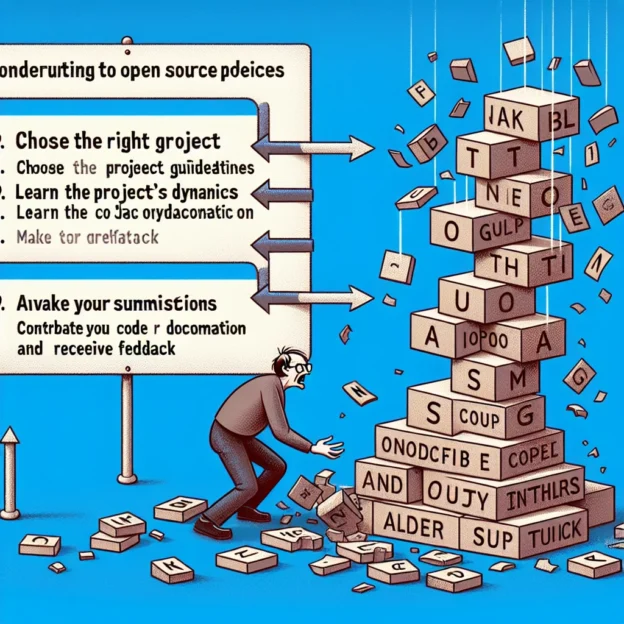
The first key step is finding a project that excites you! You may want to consider your interests—do you love web development, machine learning, or maybe even gardening apps? Websites like GitHub provide a wealth of repositories where you can search by topics or languages.
While you’re exploring, keep an eye out for tags like “good first issue” or “help wanted.” These indicators usually signal that maintainers are looking for contributors who are new to the project. Go through the project’s README file and contribute guidelines to understand its purpose and contribution processes.
Setting Up Your Environment
Once you’ve selected a project, the next step is to set up your development environment. Follow the installation instructions provided in the repository’s documentation. You’ll often find this in the README file or a dedicated CONTRIBUTING.md document.
Take your time here. Setting up might include downloading dependencies, configuring settings, or running the project locally. If you encounter any hiccups, don’t hesitate to ask for help in the project’s community—friendly developers are often more than willing to assist newcomers!
Starting Small
When you’re ready to start contributing, it’s usually best to ease into it with small tasks. This might be fixing typos in documentation, resolving minor bugs, or improving code comments. Starting small allows you to get familiar with the codebase and the contribution process without being overwhelmed.
As you tackle your first issue, make sure to provide context in your commits and pull requests. Clear, descriptive commit messages tell project maintainers what you were aiming to achieve and help them understand your changes better.
Engaging with the Community
One of the biggest benefits of open source is the community aspect. Don’t be afraid to engage! Participate in discussions, join chat platforms (like Discord or Slack), and attend community meetings if they exist. This helps you connect with other contributors and maintainers, and it provides fantastic opportunities to learn and grow.
Additionally, always be respectful and patient in your communications. Remember, everyone was a beginner once!
Submitting Your Contributions
Once you’ve made a change or completed an issue, it’s time to submit a pull request (PR). Each project may have slightly different guidelines for this, so follow the contributing guidelines carefully. This process is essential because it allows the project maintainers to review your code, suggest changes, or merge it into the main branch.
When creating your PR, be sure to give a thorough and clear description of what you’ve accomplished. Highlight any challenges you faced and how you overcame them. It’s all part of showcasing your learning journey.
Learning and Iterating
After submitting your contributions, keep an eye on the discussion around your PR. Maintainers may request changes or provide feedback. Take this feedback graciously; it’s a valuable part of your growth as a developer. Use it as a learning opportunity—there’s always room for improvement, and the open-source community thrives on collaboration.
The Joy of Giving Back
Contributing to open source is like planting seeds in a garden—you cultivate knowledge, share advice, and grow together with others. Not only can you improve your skills and learn new technologies, but you’ll also have the chance to make meaningful connections with like-minded people.
The world of open source is vast and vibrant, filled with endless opportunities, creativity, and support. So roll up your sleeves and dive in—your contributions are not just welcome; they’re needed! Whether you code, document, or help out in the community, remember that every bit of effort helps keep the open source spirit alive. Happy coding!