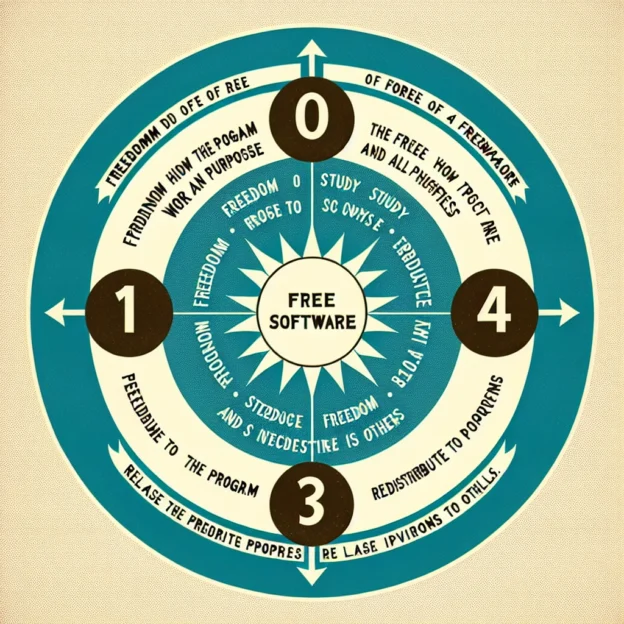
Understanding the Four Freedoms of Free Software
When you hear the term "free software," you might think it’s all about no-cost downloads or open-source code. While the price tag is certainly appealing, the essence of free software goes much deeper, revolving around four fundamental freedoms. These freedoms empower users and shape a collaborative community where innovation thrives. Let’s unpack these four freedoms and understand what they mean for all of us.
Freedom 0: The Freedom to Run the Program
At its core, the first freedom is about usability. It encapsulates the right to run the software for any purpose, without restrictions. This freedom means that as a user, you can take that software, whether it’s an operating system, a web browser, or even a simple game, and utilize it in whichever way fits your needs.
Imagine this freedom like owning a car. You’re free to drive it wherever you want—whether that’s to work, to a road trip, or just around the block for fun. Similarly, free software allows you to harness the power of technology without a shadow of doubt looming over what you’re allowed to do with it.
Freedom 1: The Freedom to Study and Modify the Program
This freedom emphasizes transparency and the ability to tinker. It’s about having access to the source code of the software, so you can understand how it works and make alterations according to your needs. For many, this is the most empowering aspect of free software.
Going back to our car analogy, this is about being able to pop the hood and tweak the engine if you want to boost performance or fix an issue. In the world of software, this means that if you identify a bug or a feature you’d like to enhance, you have the option to make those changes yourself. This culture of continuous improvement is what allows free software to evolve rapidly, often in ways proprietary alternatives can’t match.
Freedom 2: The Freedom to Distribute Copies
This third freedom is a nod to community and sharing. Once you have a software program, you can share it with others. Whether you’re distributing copies to your friends or uploading it to a public repository, this freedom fosters a community-centric approach.
Think of it as the concept of lending books to friends. When you find a great read, your instinct is to share it. In return, your friends might share their own finds with you. This collaborative spirit is what makes free software not just a tool, but a shared treasure trove of resources.
Freedom 3: The Freedom to Distribute Modified Versions
This final freedom is a powerful complement to the right to study and modify the software. Not only can you alter a program, but you can also share your modified version with others. This is where things get truly exciting as it encourages a culture of innovation and collaboration.
Imagine you modify a recipe to create your own unique dish. You can then pass it along to friends, or even host a dinner party where everyone tries their twist on your creation. The same goes for software. If you improve an existing program or tailor it to your specific needs, sharing that can lead to collective progress and new ideas. Open source projects have flourished because developers have built upon each other’s work, thanks to this freedom.
Why These Freedoms Matter
In a world inundated with proprietary software that restricts how we can use, share, and modify it, the Four Freedoms of free software stand as a necessary counterbalance. These freedoms not only empower users but also promote a sense of community where knowledge is shared, skills are enhanced, and innovation is driven by collaboration rather than competition.
The beauty of this model is that it nurtures diversity in development while giving users ultimate control over their computing experience. Whether you’re a casual user or a seasoned developer, embracing free software means not just using technology but also participating in a larger movement that champions freedom, transparency, and collaboration.
As we step further into a digital age filled with technology that impacts our daily lives, keeping these freedoms in mind ensures that we all have a voice in how we engage with the tools we depend upon. By supporting and using free software, we’re not just opting for cost-effective solutions—we’re advocating for a way of digital life that empowers us all.