Building a Robust Business Using Open Source Technologies

Building a Robust Business Using Open Source Technologies

In a world where technology evolves at lightning speed, businesses need to keep pace with innovation while managing costs. Enter open source technologies – a treasure trove of tools and resources that can help your business flourish. But what exactly does it mean to leverage open source, and how can it pave the way for building a resilient and successful venture? Let’s dive in!

What Are Open Source Technologies?

Open source technologies are programs and software whose source code is made available to the public. This means anyone can use, modify, and distribute the software without paying hefty licensing fees. Some noteworthy examples include Linux, WordPress, and Apache. These tools aren’t just for tech whizzes; they can be game-changers for businesses of all sizes, especially those looking to innovate while keeping costs down.

Cost-Effectiveness and Flexibility

One of the biggest advantages of using open source technologies is cost savings. Proprietary software can be pricey, often requiring not only licensing fees but also additional expenses for updates and support. On the other hand, open source solutions typically come at little to no cost upfront. This economical approach allows startups and small businesses to allocate resources elsewhere, perhaps toward marketing, product development, or customer service.

Beyond just initial costs, open source gives you the flexibility to customize and adapt solutions to fit your specific needs. As your business evolves or faces new challenges, you can tweak the code to create solutions that are perfectly tailored to your operations. This adaptability is invaluable in a dynamic market.

Community Support and Innovation

Another fantastic perk of embracing open source is the vibrant community that backs it. When you choose an open source project, you’re not just getting a tool – you’re gaining a network of enthusiastic developers and users who are eager to support and improve the software. Platforms like GitHub host thousands of contributors who share their insights, plugins, and troubleshooting tips. These communities can be a phenomenal resource for learning, collaboration, and innovation.

Moreover, the open source landscape is continuously evolving. Developers around the world are constantly working on enhancements and new features, which means your business can benefit from cutting-edge advancements without ever needing to invest in a full-scale software upgrade. Staying ahead of the competition has never been easier!

Security and Transparency

In an era marked by increasing cyber threats, security is a primary concern for businesses. You may think that open source software is inherently risky, given that its source code is publicly available, but the opposite can be true. The transparency of open source allows for rigorous peer review; anyone can inspect the code, identify vulnerabilities, and patch them before they become larger issues.

Additionally, many open source projects have dedicated teams working actively to maintain and secure their software. An engaged community is often better at spotting and solving issues than a single corporate entity. By choosing open source, you can tap into this proactive approach to security, ensuring your systems are fortified against potential threats.

Scalable Solutions

As businesses grow, scalability becomes crucial. Many open source technologies are designed to grow with you, making it simpler to adapt your infrastructure as demand increases. For example, if you start with a basic version of an open-source CRM, you can add features, integrate with third-party tools, and even expand your user base without needing to switch to a completely new platform. This seamless scalability helps maintain operational efficiency and keeps your team focused on what really matters.

Final Thoughts

Building a robust business with open source technologies means embracing a culture of collaboration, innovation, and flexibility. By leveraging these powerful tools, businesses can not only reduce costs but also improve their adaptability to market changes and bolster their security infrastructure.

Whether you’re an entrepreneur in the early stages of your journey or a well-established company looking for new ways to grow, exploring open source options could offer the solutions you need to thrive. So why not take a leap into the open source world? You might just find that it’s the key to unlocking your business’s true potential. The future is open, and it’s waiting for you to join in!
The Best Practices for Maintaining Open Source Projects

The Best Practices for Maintaining Open Source Projects

Open source projects have become a cornerstone of the tech community, fostering collaboration, innovation, and shared knowledge. Whether you’re a seasoned maintainer or just dipping your toes into the open-source waters, knowing how to maintain these projects effectively is essential for their success and growth. Here, we’ll explore some best practices that can help keep your open source project thriving.

1. Clear Documentation is Key

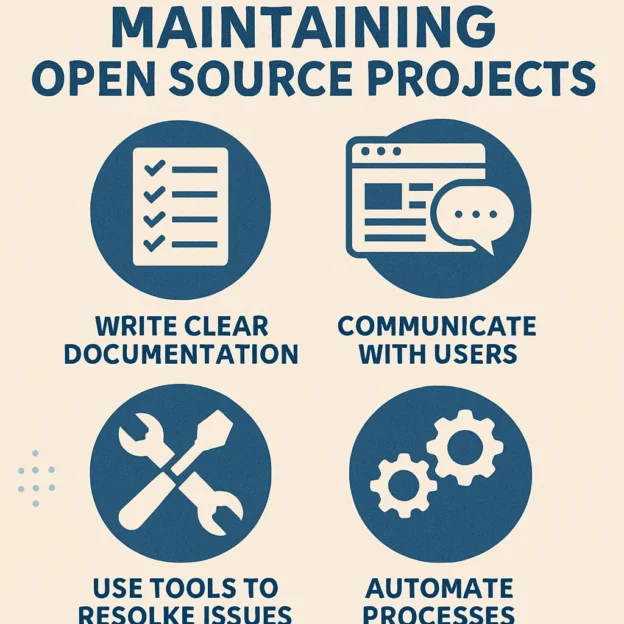
Documentation is the lifeblood of any software project, and it takes on even greater importance in the open-source world. Think about it—most new contributors haven’t seen your code before; they’re essentially exploring uncharted territory. A comprehensive README file that explains what your project is, how to install it, and how to contribute makes a world of difference.

Additionally, consider creating a CONTRIBUTING.md file that outlines how potential contributors can get involved, as well as coding standards and any other critical guidelines. Don’t forget to keep your documentation up-to-date as your project evolves!

2. Foster a Welcoming Community

A friendly, inclusive environment goes a long way in attracting and retaining contributors. A few key steps you can take include:

  • Be responsive. When someone opens an issue or submits a pull request, try to respond in a timely manner. Even a simple acknowledgment can make someone feel valued.

  • Encourage diverse contributions. Make it clear that all voices are welcome. This can be achieved through inclusive language, diverse representation in your examples, and active outreach to underrepresented groups.

  • Host discussions. Whether it’s through GitHub discussions, Discord, or a dedicated forum, provide a space where people can ask questions, share ideas, and give feedback. Community engagement is one of the most rewarding parts of open source!

3. Organize Issues and Resources

Keeping track of issues can become chaotic if you don’t have a solid system in place. Use labels on GitHub to help organize tasks by severity, type, or progress. This makes it easier for others to find issues they can help with, allowing for a more focused effort in development.

Moreover, consider tagging issues that are “good first issues” to help onboard newcomers. It’s a great way to give first-timers a sense of accomplishment and encourage them to contribute more.

4. Set Up a Code Review Process

A well-established code review process not only improves code quality but also fosters learning and knowledge sharing among contributors. Evaluate contributions thoroughly and constructively, offering feedback that’s actionable and encouraging. This creates an atmosphere where developers feel empowered to submit updates without fear of harsh criticism.

Leverage continuous integration (CI) tools to automate testing. This way, you can catch issues before they even reach the main branch, streamlining your workflow and maintaining project integrity.

5. Regular Updates and Releases

There’s nothing like a project that seems stagnant to discourage contributions. Regularly updating your project signals that it’s active and maintained. Schedule time for updates, bug fixes, and feature releases. Make sure to communicate these updates in a clear, transparent way—changelogs can help highlight what’s new in each release.

Don’t forget to promote your project updates on social media or relevant forums, which can attract more users and contributors!

6. Offer Mentorship Opportunities

For those looking to dive deeper into open source, mentorship can be an invaluable part of the learning process. Consider creating programs that pair experienced contributors with newcomers to guide them through their initial contributions. This not only helps the new contributors feel more comfortable but also strengthens the community as members build relationships.

7. Be Open to Feedback

Just as you’re encouraging others to contribute, be open to critiques of your project as well. Feedback on features, usability, and documentation can come from various sources, and being receptive to this helps you iterate effectively. Don’t be discouraged by constructive criticism; instead, view it as an opportunity to improve.

Maintaining an open-source project doesn’t come without its challenges. But by creating a welcoming environment, ensuring clarity in documentation, and actively engaging with your community, you can cultivate a project that not only survives but thrives.

As you implement these best practices, remember that at the core of open source is collaboration and shared learning. The journey may have its ups and downs, but with dedication and a supportive community, your project can make a significant impact in the tech world and beyond. Happy coding!

How to Transition Your Business to Open Source Software

How to Transition Your Business to Open Source Software

In today’s fast-paced digital world, software plays a crucial role in the success of businesses. Many organizations are turning to open source software (OSS) as a smart alternative to proprietary systems. But making the transition can feel daunting. Whether you’re a small startup or a larger enterprise, the thought of shifting to open source might be overwhelming. So, where do you even start? Let’s dive into the essential steps for a smooth transition to open source software.

Assess Your Current Software Environment

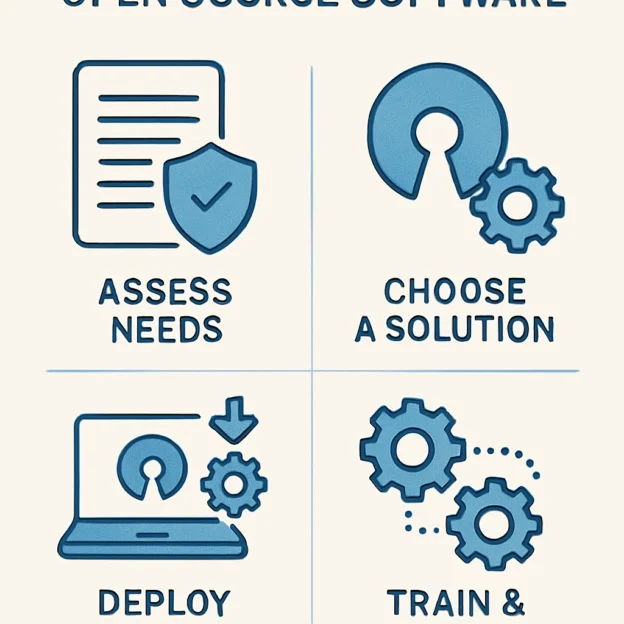
Before you dive headfirst into the world of open source, take a moment to assess your current software landscape. What tools, systems, and applications are essential to your daily operations? Gather a complete inventory of the software currently being used throughout your business—this includes everything from customer relationship management (CRM) tools to project management and even accounting software. Understanding what you have in place will help identify which systems could be phased out and which open source counterparts would best fit your needs.

Identify Your Needs

Every business has unique requirements, so it’s crucial to identify what you need from an open source solution. Are you looking for a specific feature set? Is user-friendliness a priority? Or maybe you require a high level of customization? Once you understand your needs, you’ll be better positioned to evaluate the myriad of open source options available. Websites like GitHub, SourceForge, and Open Source Alternative can help you compare different software tools based on user reviews and functionality.

Research Open Source Alternatives

The beauty of open source software is the vast array of choices available. For every proprietary tool, there’s typically at least one open source alternative. For instance, if you’re currently using Microsoft Office, consider transitioning to LibreOffice or Google Docs. If your business relies on a CRM like Salesforce, check out options like SuiteCRM or Odoo.

Take the time to research and test various open source alternatives to see how well they align with your business needs. Don’t hesitate to look into reviews and case studies from companies similar to yours that have already made the switch. This can give you valuable insights into how well the software performs in a real-world business context.

Build Your Team’s Skills

Transitioning to open source software often requires a shift in skillset. Training is key! Identify any gaps in knowledge that your team might have with the new software. Will they need training sessions, online courses, or perhaps even a dedicated open source champion to lead the way? Exploring community resources, such as forums, user groups, or even dedicated training programs, can greatly assist your team in navigating the change.

Encouraging a culture of continuous learning is also beneficial. An invested team is more likely to successfully adopt new tools, leading to a smoother transition overall.

Develop a Transition Plan

Once you have your software alternatives selected and your team trained, it’s time to create a transition plan. Start small by implementing the open source software alongside your existing systems. This will allow your team to test the new tools without leaving behind what they already know. Monitoring performance during this phase will help identify any hiccups and fix them early on.

Be clear about your timeline and set specific milestones. Maybe week one is focused on data migration, week two on user training, and so on. Establishing checkpoints will keep your transition on track and help everyone stay accountable.

Monitor and Iterate

Once you’ve transitioned to your new open source software, don’t just set it and forget it. Regularly solicit feedback from your team about how the new system is working for them. Are there features they wish the software had? Are there aspects that are working particularly well? Keeping an open line of communication will help you refine the software setup and make informed decisions about future upgrades or changes.

Moreover, many open source projects are constantly being updated and improved by their communities. Stay engaged and ensure you’re keeping up with any updates that could enhance your performance or security.

Embrace the Community

One of the greatest perks of open source software is the community that comes with it. You’ll find forums, user groups, and documentation created by other users ready to help out. Embrace this community! Attend meetups, contribute to forums, or even consider open sourcing a tool you build in-house. By engaging with the community, not only can you find support, but you also gain access to cutting-edge knowledge and practices.

Transitioning to open source software doesn’t have to be a daunting task. With the right approach—where you assess your needs, do your research, train your team, and listen to feedback—you can unlock new levels of flexibility and innovation that proprietary software simply can’t offer. Open source adoption can lead to more customized solutions that align closely with your business goals, and who knows? You might even find yourself collaborating within the vibrant open source community!

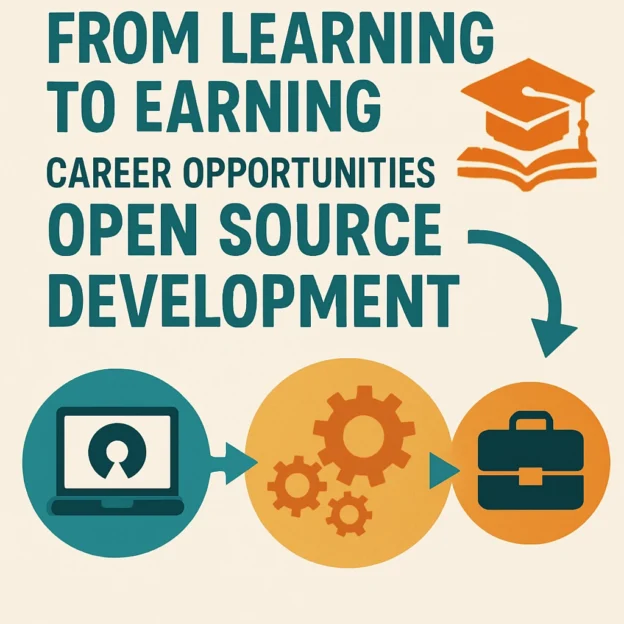
From Learning to Earning: Career Opportunities in Open Source Development

From Learning to Earning: Career Opportunities in Open Source Development

In the rapidly evolving tech landscape, open source development is becoming one of the most exciting and accessible pathways for both seasoned developers and newcomers alike. Why? Because open source is more than just a trend—it’s a community-driven movement that thrives on collaboration, transparency, and innovation. If you have a passion for tech, love problem-solving, or are just starting your journey in programming, the world of open source has a plethora of career opportunities waiting for you.

The Basics of Open Source Development

First, let’s clarify what open source means. In simple terms, open source software (OSS) is software whose source code is available for anyone to inspect, modify, and enhance. Popular examples include Linux, Mozilla Firefox, and LibreOffice. The open source model allows developers to work together on projects without the traditional barriers that come with proprietary software.

Not only does this foster a spirit of collaboration, but it also means that you can gain rights to use and modify the software for free. This is fantastic for budding developers: you don’t have to spend huge sums of money to get your hands dirty with real-world software!

Learning Opportunities

Before you start earning, it’s crucial to build up your skills and experience. Open source projects can act as a powerful learning tool. Platforms like GitHub host countless projects across various programming languages and skill levels, making it easier than ever to jump in and contribute.

Participating in open source projects:

  1. Boosts Practical Skills: You’ll learn version control (mostly Git), programming languages, problem-solving, and how to navigate software documentation.

  2. Enhances Your Portfolio: Your contributions to open source projects can make a significant impact on your resume. Employers often look favorably on candidates who have experience collaborating on real-world projects.

  3. Builds Community Connections: The open source community is welcoming. Engaging with others through forums, mailing lists, or community events can help you network with industry professionals and fellow developers.

  4. Encourages Continuous Learning: As technology continually evolves, open source projects usually keep pace with programming trends. Being involved in these projects means you’re always learning the latest techniques and tools.

Career Paths in Open Source Development

Once you feel ready to transition from learning to earning, there are numerous career paths you can explore within the open source ecosystem:

1. Software Developer

The most direct path. Many companies use open source technologies, so your experience will be invaluable. Whether you’re working on web applications, mobile apps, or system software, having a strong grasp of open source practices will make you stand out.

2. DevOps Engineer

Combining development and operations, DevOps engineers are in high demand. They manage deployment and integration processes, often leveraging open source tools to automate workflows. Understanding such tools not only makes you more efficient but also puts you in a prime position for job offers.

3. System Administrator

Knowledge of open source operating systems can greatly boost your value as a system administrator. If you’re adept at maintaining Linux servers or other open source systems, you have a competitive edge in managing infrastructures for various organizations.

4. Technical Writer

Good documentation is vital in open source projects. If you have a penchant for writing and a knack for making complex information accessible, technical writing can be a rewarding career option. You might work on user manuals, API documentation, or project guides.

5. Open Source Advocate or Community Manager

If you enjoy fostering relationships and building community, consider roles that involve advocacy or community management. You’d be responsible for bringing people together, encouraging contributions, and spreading awareness about open source initiatives.

Getting Paid for Your Passion

While many people contribute to open source projects for the fun and the learning experience, there are also numerous ways to get paid for your contributions. Some companies, like Red Hat or Automattic, have business models built around open source software. Additionally, platforms like GitHub Sponsors, Patreon, or Open Collective allow developers to receive support for their work on open source projects.

Finally, freelance opportunities and consulting roles are burgeoning in the open source space. Many organizations are willing to pay for expertise in managing and developing open source solutions tailored to their needs.

Wrapping Up

Open source development offers a unique blend of learning and earning potential that is particularly appealing in today’s job market. Whether you’re just starting or looking to pivot in your career, joining the open source movement can lead you to exciting career opportunities while being part of a collaborative community. So why not dive in? The next great innovation could be just a contribution away!

The Ethical Choices of Using Open Source Software in Business

The Ethical Choices of Using Open Source Software in Business

In an age where technology is advancing at lightning speed, businesses are constantly faced with decisions that impact not only their bottom line but also the ethical landscape around them. One choice that has been gaining traction is the adoption of open-source software (OSS). This movement encourages collaboration, transparency, and community-driven development, but it also raises some ethical questions that companies need to consider.

What is Open Source Software, Anyway?

First things first: what exactly do we mean by open-source software? At its core, OSS is software that comes with a license allowing anyone to view, modify, and distribute the source code. Some well-known examples include Linux, Apache, and Mozilla Firefox. The beauty of OSS lies in its collaborative nature—a community of developers and users continuously work together to improve and innovate.

But while the benefits are evident, it’s important to delve into the ethical implications that come along with incorporating OSS into business practices.

Cost-Effective Solutions

One of the most attractive features of OSS is, unsurprisingly, cost-effectiveness. Businesses can save a significant amount of money by using open-source tools instead of expensive proprietary software. This can allow smaller companies to access high-quality software solutions without breaking the bank. But the ethical question arises: does saving money justify using software that may not offer customer support or may lead to hidden costs in the long run?

Certainly, businesses need to evaluate their specific needs. While using OSS means that upfront costs can be lower, you must ensure that you have the capability or resources to maintain, modify, or troubleshoot these systems. It’s crucial to balance cost savings with long-term sustainability.

Transparency and Community Trust

Incorporating open-source software into business operations also contributes to transparency—something that increasingly matters to consumers today. When code is open for inspection, businesses can build trust with their customers. They demonstrate that they aren’t hiding any functionalities or violating privacy through questionable practices.

However, this transparency should come with responsibility. Companies should remain committed to ethical practices, such as respecting the licenses and guidelines attached to the open-source tools they use. Open-source communities have spent a lot of time and effort creating these tools; businesses have to honor that by not just taking the code but also engaging with and giving back to the community.

Contributing Back to the Community

Using open-source software isn’t a one-way street. Businesses that benefit from open-source projects have the ethical responsibility to contribute back, whether through code contributions, financial support, or offering resources to help develop the projects further. When businesses engage positively with the OSS community, they not only promote innovation but also create a sustainable ecosystem for everyone involved.

But why stop at digital contributions? Consider hosting workshops or meetups to share knowledge or offering internships to students excited about coding and software development. These actions can yield a reciprocal relationship with the community and support ongoing innovation.

Security Considerations

While OSS is generally considered secure because of its open nature—where many eyes can spot bugs and vulnerabilities—it’s not without its challenges. Businesses employing open-source solutions must invest time and resources into keeping their software up-to-date and secure. The ethical dilemma arises here: how do you balance risk management with the flexibility and freedom that open-source software offers?

It’s vital for businesses to establish clear policies for assessing and adopting open-source solutions. This means not only conducting security assessments but also having a robust process for maintenance and updates. Doing so not only supports the organization’s health but also aligns with ethical business practices by ensuring a secure environment for users.

Making Informed Choices

The ideal approach when integrating open-source software into business strategy begins with education. Leaders need to understand not just the technical aspects, but also the ethical implications. It’s crucial for organizations to foster a culture where ethical considerations are part of the decision-making process when adopting OSS.

Ultimately, embracing open-source software in business decisions isn’t merely a cost-saving strategy; it’s a commitment to community engagement, transparency, and ethical responsibility. It challenges businesses to be more conscious of their impact both on their immediate goals and on the broader tech landscape. When you choose to leverage OSS, you’re choosing to be part of a movement that values collaboration and communal growth. As the tide of technology continues to shift, let’s not forget the ethical compass that should guide us in harnessing these powerful tools.

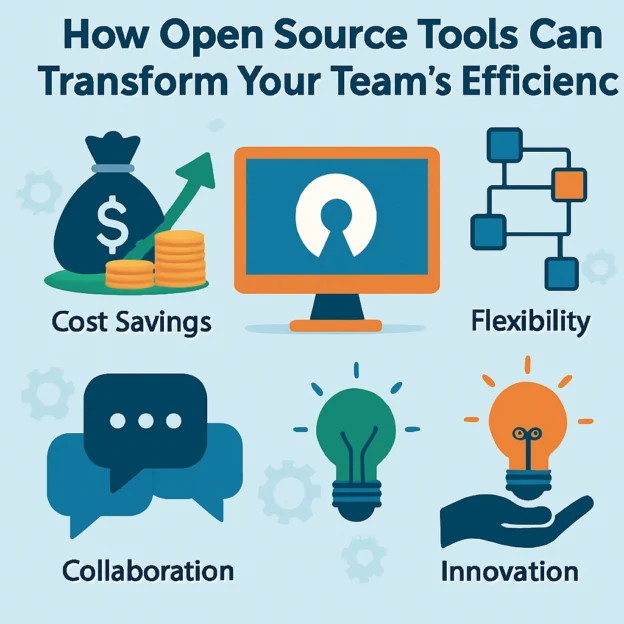
How Open Source Tools Can Transform Your Team’s Efficiency

How Open Source Tools Can Transform Your Team’s Efficiency

In today’s fast-paced digital landscape, the ability to quickly adapt and optimize processes can significantly affect a team’s success. This is where open source tools come into play, offering flexibility, customization, and cost-effectiveness that can elevate a team’s efficiency to new heights. Let’s explore how adopting open source solutions can be a game-changer for your team.

What Are Open Source Tools?

Before diving into the benefits, let’s clarify what we mean by “open source.” Open source tools are software solutions whose source code is made publicly available for anyone to inspect, modify, or enhance. This means that teams can take these tools and tailor them to fit their unique workflows, rather than stretching their processes to fit commercial software.

Cost-Effective Solutions

One of the most compelling reasons to consider open source tools is their cost-effectiveness. Many of these solutions are free to use, which can significantly reduce software licensing fees that often eat into a team’s budget. With the money saved, teams can allocate resources to other important projects or training. This is particularly beneficial for startups or small businesses where every dollar matters.

Customization to Fit Your Needs

Every team has its own unique workflow, and what works for one may not work for another. Open source tools can be easily modified to suit specific needs. For instance, if your team requires a feature that isn’t included in a standard software package, you or someone on your team can tweak the code to integrate that functionality. This degree of customization often results in a better fit for your team’s specific context, ultimately leading to improved efficiency.

Enhanced Collaboration

Many open source tools are designed with collaboration in mind, making them a hit for teams. Tools like Git for version control and Nextcloud for file-sharing and collaboration allow multiple team members to work on projects simultaneously, with changes tracked and managed effectively. This fosters an environment where dialogue and teamwork thrive, encouraging everyone to contribute and share ideas in real-time.

Learning and Skill Development

Adopting open source tools can also offer numerous learning opportunities to your team members. Since they often come with vast online communities, team members can connect with others to share experiences and solutions. This not only promotes knowledge-sharing but also can boost morale by providing team members with the chance to contribute to open source projects, enhancing their skills and boosting their resumes.

Security and Transparency

Security concerns are often top-of-mind for teams when adopting new technology. Open source tools can provide a level of transparency that closed-source software simply cannot. Since anyone can inspect the code, potential security vulnerabilities can be swiftly identified and addressed—often faster than in proprietary solutions. This is an attractive feature for many organizations eager to safeguard their data and maintain a secure environment.

Community Support

Another major plus of utilizing open-source tools is the sense of community that often surrounds them. Many open source projects have active communities that offer support and engage in discussions. If your team runs into trouble while using a tool, chances are, someone else has encountered the same issue and found a solution. This communal knowledge can be invaluable and can help your team troubleshoot problems much more quickly than waiting for support from a commercial vendor.

Integration with Existing Tools

Open source tools can often be integrated seamlessly with existing systems and software your team may already be using. This interoperability allows teams to enhance their current workflows without needing to start from scratch. With various integrations available, teams can create a customized tech stack that plays nicely together, streamlining tasks and information flow across the board.

A Culture of Innovation

Finally, incorporating open source tools into your team’s workflow helps foster a culture of innovation. By giving team members the freedom to experiment with different tools and make customizations, you empower them to think critically and creatively. This culture encourages continual improvement and exploration, which is essential for today’s ever-evolving workplace.

Incorporating open source tools can fundamentally reshape how your team works, allowing for enhanced efficiency, lower costs, and a more collaborative environment. By harnessing the power of these flexible solutions, you’re not just enhancing productivity; you’re also cultivating a culture that embraces creativity and innovation. As your team begins to explore these resources, you might just find that the transformation isn’t merely in your tools but in your entire approach to achieving success.

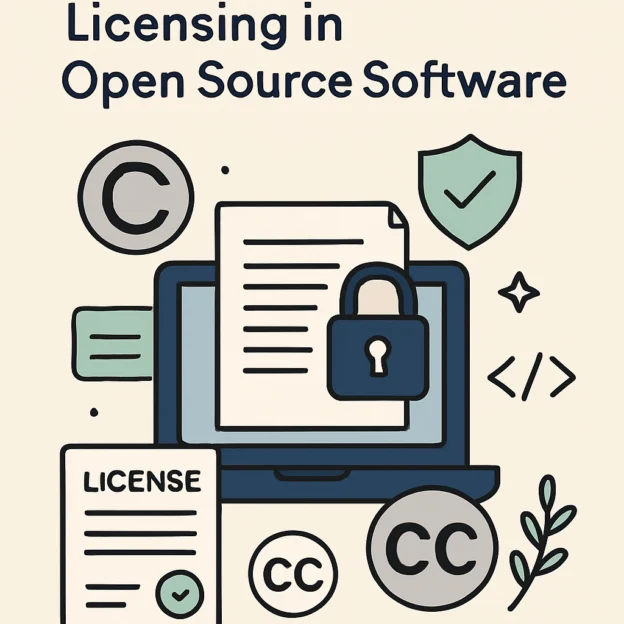
A Guide to Understanding Licensing in Open Source Software

A Guide to Understanding Licensing in Open Source Software

Ever found yourself pondering the mysteries of licenses while diving into the world of open source software? You’re not alone! Navigating the intricate web of open source licenses can feel like deciphering a complex code. But fear not! I’m here to guide you through the essentials of licensing in open source software, helping you understand the vast array of options and their implications.

What is Open Source Software?

Before we venture into the nitty-gritty of licenses, let’s clarify what open source software (OSS) is. Simply put, OSS refers to software that is made available with its source code. This type of software promotes collaboration, innovation, and community-driven development. Developers can inspect, modify, and enhance the software, leading to a thriving ecosystem of creativity.

But as empowering as OSS is, how does one ensure that the contributions made are respected and safeguarded? Enter the realm of software licenses.

Why Licensing Matters

Licensing is crucial in the open-source world because it defines how software can be used, modified, and shared. It acts as a legal framework that protects the rights of both the creators and users. A good license lets developers share their work while ensuring they retain certain rights, and it provides users with guidelines on how they can or cannot use the software. A user-friendly license can also encourage more users to adopt and contribute to the software.

Types of Open Source Licenses

There are several types of open source licenses, each with its own rules and implications. Let’s explore some of the most common ones:

1. Permissive Licenses

Permissive licenses are like the laid-back friends of the open source world. They allow anyone to use, modify, and redistribute the software, often without stringent conditions. Popular examples include:

  • MIT License: This license is super simple and only requires attribution to the original creator.
  • Apache License 2.0: Similar to MIT, but with more detailed provisions, especially concerning patents.

These licenses foster innovation and flexibility, making them favorite choices among developers.

2. Copyleft Licenses

On the other side of the spectrum, we have copyleft licenses, which are a bit more protective. They allow modifications and redistribution but require that any derivative work also be released under the same license. Notable examples include:

  • GNU General Public License (GPL): One of the most recognized copyleft licenses, it ensures that software remains free and open. If you modify or distribute GPL-licensed software, you must also make the source code available under the GPL.
  • GNU Lesser General Public License (LGPL): A more permissive variant of the GPL, allowing the LGPL libraries to be linked with proprietary programs.

These licenses tend to create a more robust open source community by ensuring that contributions remain open for future users.

3. Other Licenses

There are also a variety of other licenses that cater to specific needs or communities:

  • Creative Commons Licenses: While primarily for creative works, some software is licensed under Creative Commons, often for projects that blend code with creative content.
  • Public Domain: Software released into the public domain places it free from copyright restrictions, allowing anyone to use it without question.

How to Choose the Right License

When deciding on a license for your project, there are a few key factors to consider:

  1. Your Goals: Are you aiming for maximum freedom for users, or do you want to ensure that modifications remain open source?
  2. Community Standards: If you’re contributing to a larger project or community, it’s a good idea to align with the licenses commonly used there.
  3. Legal Considerations: If in doubt, consulting with someone knowledgeable in software law can save you a lot of potential headaches down the line.

Respecting Licenses

Equally important is understanding your responsibilities as a user or contributor. If you’re using software under a particular license, it’s essential to adhere to its terms. Ignoring these guidelines can lead to legal trouble and undermine the open source ethos.

In a world where technology is evolving rapidly, the importance of open source software cannot be overstated. Understanding licensing is key to engaging with this vibrant community. Whether you’re a developer sharing your code or a user embracing the power of open source tools, knowing the ins and outs of licensing can empower you, help protect the work you love, and enable future innovation. Embrace the open source spirit, and happy coding!

Why Every Developer Should Learn about Free Software Principles

Why Every Developer Should Learn about Free Software Principles

In today’s tech-centric world, the software we use shapes how we live our lives, from the apps on our phones to the complex systems running our healthcare. With the rapid evolution of technology, it’s easy to get lost in the bits and bytes of coding. However, there’s an underlying principle that every developer should grasp — the Free Software Principles. These principles encourage a refreshing perspective on software development, community engagement, and the ethical implications of technology.

What Are Free Software Principles?

Before diving into why these principles are vital for developers, let’s break down what they really are. At the heart of free software is the belief that software should be free to use, study, modify, and distribute. The Free Software Foundation (FSF) defines "free" not just in terms of price (as in "free beer"), but as freedom (as in "free speech"). According to the FSF, there are four essential freedoms:

  1. The freedom to run the program as you wish, for any purpose.
  2. The freedom to study how the program works and change it to make it do what you wish (access to the source code is a precondition).
  3. The freedom to redistribute copies so you can help others.
  4. The freedom to distribute copies of your modified versions to others (access to the source code is a precondition).

These core freedoms cultivate a culture of collaboration, transparency, and accessibility in software development.

Enhanced Problem-Solving Skills

Understanding Free Software Principles can sharpen a developer’s problem-solving skills. Free software advocates for open collaboration, allowing developers to view and learn from others’ work. When you dive into open-source projects, not only do you learn from existing code, but you also get the chance to experiment with solutions to complex problems. This collaborative environment fosters creativity and innovation, allowing developers to tackle challenges from various angles.

Community Matters

One of the most rewarding aspects of being a developer is connecting with a community of like-minded individuals. By learning about Free Software Principles, you gain access to a global network of developers passionate about sharing knowledge and creating solutions. Participating in open-source projects means you’re not just writing code; you’re contributing to a movement that drives social change and technological advancement. Engaging with this community can inspire growth, mentorship, and collaboration that might not be possible in proprietary environments.

Ethical Considerations

As a developer, it’s crucial to be aware of the ethical implications of the tools and systems you help create. The principles of free software encourage transparency and ethical responsibility. Learning about these principles challenges developers to think critically about how their work impacts users and society at large. Are you creating software that respects user privacy? Are you empowering users with control over the tools they use? Ethical software development is a growing concern; understanding free software practices positions you on the right side of this critical conversation.

Encouraging Innovation

History shows that many of the world’s technological advancements have emerged from open-source initiatives. From the emergence of Linux to the rise of the web, free software has fostered an environment ripe for innovation. By embracing Free Software Principles, developers are encouraged to take risks, experiment, and build upon existing work without fear of legal repercussions or licensing issues. This spirit of innovation can lead to groundbreaking solutions that benefit both the developer community and society as a whole.

Job Opportunities and Market Relevance

As industries increasingly turn their focus toward open-source solutions, having a strong understanding of Free Software Principles can also significantly affect your career trajectory. Many companies now prioritize open-source experience when hiring, recognizing the importance of collaboration and transparency. Familiarity with these principles not only broadens your skill set but also makes you a more attractive candidate in a job market that increasingly values innovation and ethical practices.

Closing Thoughts

In a world where technology plays an essential role in shaping our futures, it’s imperative for developers to grasp the fundamentals of Free Software Principles. Embracing this approach cultivates strong problem-solving skills, fosters community engagement, and encourages ethical decision-making. Whether you’re just starting in your coding journey or are a seasoned professional, understanding and implementing these principles will not only enhance your skills but also contribute to building a more collaborative and innovative software landscape. Ultimately, this not only enriches your career but also positions you to make a meaningful impact on the world around you. So why not take the leap and immerse yourself in the enriching world of free software? You might just find it changes your perspective—and your career—for the better.

Debunking Common Myths About Open Source Software

Debunking Common Myths About Open Source Software

Open source software (OSS) has rapidly become a key player in the realm of technology, promoting collaboration and innovation. But despite its growing popularity, it comes with its fair share of myths and misconceptions. Let’s take a moment to debunk some of the most common myths about open source software, and shed light on why it deserves a spot in your tech toolkit.

Myth 1: Open Source Software is Always Free

While it’s true that many open source projects are available at no cost, this doesn’t mean all OSS is free. The essence of "open source" refers more to the code’s accessibility and the rights users have to modify and share it rather than its price. There are commercial open source solutions where companies offer premium support, consulting, and added features for a fee. Think of it like how you can get a free public park, but a well-maintained one with additional features might require funding.

Myth 2: Open Source Software is Less Secure

This myth likely stems from the perception that because anyone can view the code, there’s a greater risk of security vulnerabilities. In reality, it’s quite the opposite! Open source code is scrutinized by many experts across the globe, often resulting in quicker identification and resolution of security issues. The transparency offered by OSS allows developers to check for flaws and patch them collaboratively. Think of it as a group of watchdogs keeping an eye out for trouble, rather than a single guard at the gate.

Myth 3: Only Techies Can Use Open Source Software

It’s a common assumption that open source software is only for developers or tech-savvy users. However, many open source projects come with user-friendly interfaces and extensive documentation, making them accessible to anyone! Take LibreOffice, for example—it’s an open-source alternative to Microsoft Office that many users find intuitive and easy to navigate. There’s a wealth of community support available through forums and chat groups, making it simple for newcomers to find help and advice.

Myth 4: Open Source Software Lacks Support

Another prevalent myth is that open source software comes without any support. This can’t be further from the truth! While traditional support might not be as straightforward as picking up a phone or sending an email, OSS communities are often vibrant, engaged, and willing to help. From forums and online documentation to collaboration platforms, users can find ample resources for troubleshooting. In many cases, organizations that use open source also have the option to purchase professional support from companies that specialize in those projects.

Myth 5: Open Source Software is Outdated

Some people believe that because open source software might not come from a big-name corporation, it must be ancient or lacking in features. This is far from reality. Many open source projects are cutting-edge and are actively maintained by dedicated communities. Software like WordPress, which powers about 40% of websites on the internet, is continually updated and boasts a plethora of plugins that add modern functionalities. In fact, the rapid pace of development in the open source world often leads to software that’s ahead of its corporate counterparts.

Myth 6: Open Source Software Doesn’t Have Quality Control

Another misconception is the idea that open source software lacks standards and quality control. Many open source projects are managed through established protocols that ensure high coding standards. Developers contribute to code reviews, testing, and documentation, often resulting in dependable and stable releases. The collaborative nature of these projects encourages quality, as no one wants to be associated with a buggy or unreliable software.

Embracing the Truth

Open source software has a bustling ecosystem full of opportunities for all types of users, whether you’re a tech pro, a small business owner, or just someone looking for a reliable application. The collaborative nature of OSS fosters innovation, improves security, and creates a vibrant community eager to share knowledge and experiences.

As we break down these myths, it becomes clear that dismissing open source software is a disservice to the rich possibilities it offers. So, whether you’re developing your own projects, seeking new tools, or just curious about what’s out there, consider exploring the open source realm – you might be pleasantly surprised by what you find!

How to Contribute to Open Source Projects Effectively

How to Contribute to Open Source Projects Effectively

If you’ve ever felt the urge to jump into the world of open source projects but found yourself unsure of how to start, you’re not alone. Open source is a fabulous community-driven space where developers and contributors work together for the common good, but navigating it can sometimes feel overwhelming. Fear not! Let’s break down some steps and tips for contributing to open source projects effectively.

Understanding Open Source

Before we dive into the nitty-gritty of contributions, it’s essential to grasp what open source actually means. Open source software (OSS) is software that comes with a license that allows anyone to view, modify, and distribute the source code. This means anyone—yes, even you—can potentially contribute to a project that’s hosted on platforms like GitHub, GitLab, or Bitbucket. The beauty of open source lies in the collaboration and skill-sharing among a diverse group of creators from all over the globe.

Finding the Right Project

The first key step is finding a project that excites you! You may want to consider your interests—do you love web development, machine learning, or maybe even gardening apps? Websites like GitHub provide a wealth of repositories where you can search by topics or languages.

While you’re exploring, keep an eye out for tags like “good first issue” or “help wanted.” These indicators usually signal that maintainers are looking for contributors who are new to the project. Go through the project’s README file and contribute guidelines to understand its purpose and contribution processes.

Setting Up Your Environment

Once you’ve selected a project, the next step is to set up your development environment. Follow the installation instructions provided in the repository’s documentation. You’ll often find this in the README file or a dedicated CONTRIBUTING.md document.

Take your time here. Setting up might include downloading dependencies, configuring settings, or running the project locally. If you encounter any hiccups, don’t hesitate to ask for help in the project’s community—friendly developers are often more than willing to assist newcomers!

Starting Small

When you’re ready to start contributing, it’s usually best to ease into it with small tasks. This might be fixing typos in documentation, resolving minor bugs, or improving code comments. Starting small allows you to get familiar with the codebase and the contribution process without being overwhelmed.

As you tackle your first issue, make sure to provide context in your commits and pull requests. Clear, descriptive commit messages tell project maintainers what you were aiming to achieve and help them understand your changes better.

Engaging with the Community

One of the biggest benefits of open source is the community aspect. Don’t be afraid to engage! Participate in discussions, join chat platforms (like Discord or Slack), and attend community meetings if they exist. This helps you connect with other contributors and maintainers, and it provides fantastic opportunities to learn and grow.

Additionally, always be respectful and patient in your communications. Remember, everyone was a beginner once!

Submitting Your Contributions

Once you’ve made a change or completed an issue, it’s time to submit a pull request (PR). Each project may have slightly different guidelines for this, so follow the contributing guidelines carefully. This process is essential because it allows the project maintainers to review your code, suggest changes, or merge it into the main branch.

When creating your PR, be sure to give a thorough and clear description of what you’ve accomplished. Highlight any challenges you faced and how you overcame them. It’s all part of showcasing your learning journey.

Learning and Iterating

After submitting your contributions, keep an eye on the discussion around your PR. Maintainers may request changes or provide feedback. Take this feedback graciously; it’s a valuable part of your growth as a developer. Use it as a learning opportunity—there’s always room for improvement, and the open-source community thrives on collaboration.

The Joy of Giving Back

Contributing to open source is like planting seeds in a garden—you cultivate knowledge, share advice, and grow together with others. Not only can you improve your skills and learn new technologies, but you’ll also have the chance to make meaningful connections with like-minded people.

The world of open source is vast and vibrant, filled with endless opportunities, creativity, and support. So roll up your sleeves and dive in—your contributions are not just welcome; they’re needed! Whether you code, document, or help out in the community, remember that every bit of effort helps keep the open source spirit alive. Happy coding!