Finding Real Value in Free Software: What to Look For

Finding Real Value in Free Software: What to Look For

In a world increasingly reliant on technology, software plays a pivotal role in our everyday lives. From productivity tools and educational resources to entertainment platforms and more, software has become a cornerstone of our digital experience. With many users looking for ways to cut down on expenses, free software often becomes an attractive option. But the question arises: how do we find real value in free software without getting lost in the sea of options? Let’s dive into key aspects to consider.

Understand What You Need

Before you set off on a free software treasure hunt, it’s essential to define your requirements. What are you looking to achieve? Are you in need of a photo editing tool, or perhaps a project management app? Articulating your needs will help narrow down the options, and save you time wading through countless downloads aimed at every possible user.

Additionally, determining how you plan to use the software can influence your choice. If you only need basic features, you might not require a hefty, complex program. On the other hand, if you’re looking for advanced capabilities—like those provided by premium software—identifying the right free alternative becomes more crucial.

Check the Developer’s Reputation

When evaluating free software, understanding who is behind it can be just as important as the intended functions. Check the developer’s reputation; look for established names in the software world, as well as community-driven projects with active contributors. Forums, reviews, and user testimonials can give you a glimpse of a program’s reliability and functionality. If a piece of software has a solid community backing it, you’re more likely to find ongoing support, updates, and bug fixes.

Open Source vs. Proprietary Software

Free software can come in two flavors: open source and proprietary. Open source software allows anyone to access its source code, edit it, and redistribute it, while proprietary software does not. Open source often means greater transparency, and a community-driven approach to problem-solving. Programs like GIMP for photo editing or LibreOffice for productivity showcase how powerful open source options can be.

On the other hand, proprietary software often has a more polished interface and sometimes comes with customer support—though there may be limitations on customizability. It’s important to weigh the pros and cons depending on what you value more; community support versus a fully polished user experience.

Look for Regular Updates

Nothing screams “abandonware” more than a piece of software that hasn’t been updated in ages. Regular updates are an indicator that the software is actively maintained, which is critical for security and compatibility with other applications or systems. Look for software that has a clear update history or active communication about development plans. This way, you’ll be assured that your chosen tools will continue to meet your needs without becoming obsolete.

Evaluate User Interface and Usability

Let’s face it—if a program is difficult to use, its value quickly diminishes, no matter how powerful its features may be. Take a moment to check out screenshots or demos of the user interface. Many free software alternatives come with a steep learning curve, but you should still expect a certain level of usability. User-friendly software will not only enhance your experience but will also help you achieve your goals in a more efficient manner.

Explore Documentation and Community Support

Having access to quality documentation can significantly enhance the value of free software. Whether it’s tutorials, FAQs, or user manuals, good documentation can make all the difference—especially if you run into issues. Likewise, an active community—an online forum where users share tips and solutions—can be a great resource. If you find that a software program has both robust documentation and a welcoming community, you’re likely on the right track.

Be Aware of Limitations

While many free software options offer excellent features, some come with limitations. Certain functionalities might be locked behind a paywall or have reduced performance compared to their premium counterparts. Be sure to read the fine print and evaluate whether these limitations will impact your experience significantly.

Finding real value in free software doesn’t have to be a daunting task. By understanding your needs, checking the developer’s reputation, weighing the benefits of open source versus proprietary options, and looking for engagement within the community, you can unearth some gems. The freedom of choosing free software lies not just in the absence of a price tag, but in the opportunity to explore diverse tools that empower you to accomplish your goals without breaking the bank. So, dive in and discover what’s out there—you might just find your new favorite tool waiting for you.


The Role of Open Source in the AI and Machine Learning Revolution

The Role of Open Source in the AI and Machine Learning Revolution

It’s hard to scroll through your social media feed these days without coming across a headline about artificial intelligence or machine learning. From self-driving cars to recommendation engines that know you better than your closest friends, these technologies are shaping our world in profound ways. But behind this flashy technology lies a less visible hero: open source software.

Open source has become a cornerstone in the AI and machine learning landscape, driving innovation, collaboration, and accessibility. So, grab your coffee (or tea, if that’s your jam), and let’s dive into just how vital open source is to this burgeoning field.

Democratizing Access

One of the most compelling features of open source software is that it democratizes access to powerful tools. Before open source emerged, access to cutting-edge AI technologies was typically reserved for big tech companies and well-funded research institutions. With the advent of open source, a hobbyist in their garage can now leverage the same frameworks as industry giants.

Take TensorFlow, an open source library for machine learning created by Google. It has become a go-to resource for developers and researchers alike. Anyone can download it, tinker with it, or even contribute to its development. This level of accessibility means that passionate individuals can experiment and innovate, breaking down barriers that once seemed insurmountable.

Collaboration and Community Building

Open source isn’t just about access. It’s also about building a community. When developers from different backgrounds come together, they share not just code, but insights, ideas, and best practices. This collaboration exponentially accelerates the rate at which breakthroughs occur.

Let’s look at Hugging Face, a company that has developed open source libraries for natural language processing. Their transformer models have inspired a community of developers who contribute and refine techniques, leading to enhanced models that no single entity could produce alone. The collaborative spirit creates a vibrant ecosystem where experimentation flourishes.

Rapid Prototyping and Experimentation

Another major advantage of open source is the ability to rapidly prototype and experiment. Developers can leverage existing tools and libraries to create new applications without starting from scratch. This agility is crucial in AI and machine learning, where the landscape is constantly evolving.

Imagine you want to develop a new application that utilizes AI for predictive analytics. Instead of spending weeks or even months writing algorithms from the ground up, you can use existing open source libraries, tweak them to fit your needs, and focus on what really matters—solving real-world problems. This is invaluable in a field where time is often of the essence.

Driving Standards and Interoperability

Open source projects often establish best practices and standards that other developers adopt. This leads to greater interoperability among different systems and tools, making it easier to create integrated solutions.

For instance, major open source projects like Kubernetes have set the standard for managing containerized applications. As AI software increasingly runs in distributed environments, these standards ensure that developers can smoothly operationalize their machine-learning models without getting bogged down in compatibility issues.

Ethical Considerations

As AI technology continues to expand, ethical questions surrounding it grow increasingly complex. Open source can help shine a light on these issues by allowing greater transparency. When the source code is open, anyone can scrutinize algorithms for bias, fairness, and ethical considerations. This helps cultivate an environment of accountability and encourages the development of AI systems that prioritize fairness and inclusivity.

Various organizations and initiatives are dedicated to making ethical AI a priority. For example, the OpenAI organization promotes research and development in a way that emphasizes safety and ethical considerations alongside technical advancements.

The Future is Bright

As we look toward the future, the role of open source in AI and machine learning is more critical than ever. With advancements in areas like computer vision, robotics, and augmented reality on the horizon, the collaborative power of open source will continue to spur innovation.

For those interested in getting involved, there has never been a better time to explore the world of open source AI and machine learning projects. Whether you’re a seasoned developer or a curious beginner, there’s something for everyone in this dynamic landscape.

Open source fosters a collaborative spirit where learning, growth, and innovation can thrive. The AI and machine learning revolution is not just about technology; it’s about people working together to solve some of the world’s toughest problems. So, let’s embrace this open approach and see just how far it can take us in our quest to harness the power of artificial intelligence.

How Open Source Software Supports Education and Learning

How Open Source Software Supports Education and Learning

In an age where technology is a vital part of our daily lives, the impact of software on education is more significant than ever. It’s reshaping the way we teach, learn, and communicate. One of the most exciting developments in this arena is the rise of open source software. If you’re wondering how open source is making waves in the educational sector, let’s dive in!

What is Open Source Software?

Before we go any further, let’s clarify what we mean by open source software. At its core, open source software is any program whose source code is available for anyone to view, modify, and distribute. This philosophy of openness, collaboration, and community-driven development can lead to robust and flexible software solutions.

Imagine a world where teachers and students can access powerful tools without the hefty price tags usually attached to software licenses. That’s the beauty of open source! It not only reduces the cost barrier but also fosters a culture of sharing and collaboration—principles that are essential in education.

Cost-Effective Learning Resources

One of the greatest advantages of open source software in education is the cost savings. With budgets always tight, schools and universities are often forced to make tough choices about which software solutions to embrace. Open source alternatives to popular proprietary software can save institutions significant amounts of money. Programs like GIMP, LibreOffice, and Moodle offer feature-rich environments for learning without the financial burden.

This cost-effectiveness translates into more resources for educational institutions, allowing them to invest in other critical areas like infrastructure, professional development, and student support services. More free resources mean more empowered teachers and learners!

Fostering Customization and Flexibility

Open source software is incredibly flexible. Since educators and students can modify the code, they can tailor applications to meet their specific needs. For example, an art teacher might adapt a graphics software tool to include unique templates that align with their curriculum, or an instructional technologist might modify a learning management system to better suit their school’s pedagogy.

This level of customization fosters a hands-on approach to learning where educators are active participants in shaping the tools they use. Students also benefit as they learn not only content but also valuable skills in modifying and adapting technology to meet their unique learning needs.

Encouraging Collaboration and Community

The collaborative nature of open source software extends beyond just the software itself. When educators and students engage in open-source projects, they become part of a larger community. This community often comprises developers, educators, and learners from around the globe, all working towards common goals.

Project-based learning, which is increasingly popular, finds a natural ally in open source. Students can contribute to real-world projects, enhancing their collaboration skills. They learn not only technical skills but also important soft skills like communication and teamwork, which are invaluable in today’s job market.

Breaking Down Barriers to Access

Access to quality educational resources can be a challenge, especially in underserved areas. Open source software plays a transformative role in breaking down these barriers, granting access to educational tools that were once considered out of reach. Students in remote locations can utilize free online courses and materials, leveling the playing field.

Furthermore, with the rise of mobile learning, open source projects can be adapted to work on various devices, including smartphones and tablets. This means that even students without access to traditional computer labs can learn from anywhere—whether they’re at home, in a library, or on the go.

Promoting Lifelong Learning

Open source software doesn’t just benefit students and teachers within the confines of the classroom. It supports a culture of lifelong learning. Individuals can continue to engage with software and projects that interest them long after formal education is completed. There are numerous opportunities for adult learners to upskill using open source tools, from coding boot camps to online learning platforms.

Moreover, many open source initiatives are community-driven, meaning learners can contribute to projects that align with their interests and gain experience that can be invaluable for their careers.

Final Thoughts

The impact of open source software on education is profound and multifaceted. This kind of software not only offers cost-effective resources but also nurtures customization, collaboration, and community engagement. As we look to the future, it’s clear that embracing open source is a step toward a more open, inclusive, and innovative educational landscape. By leveraging the power of open source, we can empower educators and learners alike, creating an environment where everyone has the tools they need to succeed. So let’s celebrate this movement and encourage further exploration into what open-source can do for education!

Choosing Between Free and Paid Software: What You Should Consider

Choosing Between Free and Paid Software: What You Should Consider

In today’s digital landscape, the choice between free and paid software can feel overwhelming. With a plethora of options available across every category, how do you ensure you’re making the right decision? Choosing the right software can impact your productivity, security, and overall experience, whether for personal use, school, or your business. To help you navigate these waters, let’s break down the key factors you should consider when weighing your options.

Your Needs and Usage

First things first: what do you need the software for? Understanding your requirements is crucial. If you’re looking for a simple note-taking app or a basic photo editor for occasional use, a free version might suffice. On the other hand, if you’re working on complex projects or require advanced features, investing in a paid version can save you time and frustration.

Take a moment to list down what features are absolutely necessary for your work. Do you need collaboration tools? Cloud storage? Customer support? Knowing what you truly need can prevent you from ending up with software that is either too basic or unnecessarily complicated.

Features and Functionality

Free software can sometimes come with limitations. While you might initially be attracted by the zero price tag, you may soon find that certain features are locked behind a paywall, or that the software doesn’t perform as well as you’d hoped. Many free applications are supported by ads, which can be distracting, or they might have restricted functionality that hinders your workflow.

Paid software often provides a more comprehensive suite of features, better performance, and enhanced user experiences. It’s worth checking user reviews and comparisons to see if the benefits of the paid version justify the cost. Keep an eye out for trial offers, too—many paid services allow you to explore their features before committing to a payment plan.

Support and Updates

Another critical aspect you should think about is the support structure. Free software might come with limited support options, which can be a pain if you encounter issues or bugs. Online forums and user communities can be great resources but may not always provide the timely assistance you need.

On the flip side, paid software typically comes with better customer support. Some companies provide dedicated help centers, tutorials, or even one-on-one support, which can significantly reduce downtime. Additionally, paid software often receives regular updates, ensuring you have the latest features and security patches.

Security and Privacy

When it comes to free software, be mindful of privacy policies. Some free applications may sell user data to advertisers or lack robust security measures. This can put your sensitive information at risk, which is especially critical for businesses that handle customer data or for anyone working with confidential material.

In contrast, paid software generally invests more heavily in security features and data protection protocols. With proper vetting and a reliable company behind it, you can feel more confident that your information is safe. Read reviews and choose software that is transparent about its privacy practices.

Cost vs. Value

Ultimately, the decision often boils down to cost versus value. While free software can be appealing for its affordability, consider the time and potential loss of productivity it may cost you in the long run. For instance, investing a little money upfront might lead to better functionality, customer support, and time savings that are worth far more than the initial investment.

Take into account the total cost of ownership—this includes any upgrades, subscription fees, or potential costs if your free software fails you when you need it most. Remember, just because something is free doesn’t always mean it’s the best option for your needs.

The Hybrid Approach

Lastly, don’t overlook the hybrid solution. Many software companies offer freemium models where you can start with a free version and then upgrade as your needs grow. This approach allows you to familiarize yourself with the product without any financial risk, and it’s a great way to trial features before you commit to a purchase.

Choosing between free and paid software doesn’t have to feel daunting. By evaluating your specific needs, understanding the level of support available, checking security measures, and considering the long-term value, you can make an informed choice that best serves your goals. Each option has its benefits and drawbacks, so take the time to reflect on what matters most to you and your work. Whatever path you choose, make sure it aligns with your wider objectives and keeps your workflow smooth and productive.

Building a Culture of Software Freedom in Your Organization

Building a Culture of Software Freedom in Your Organization

In today’s fast-paced digital world, the software we use often shapes our work environment and influences how we collaborate and innovate. But have you ever thought about the importance of software freedom? It’s not just a technical choice – it’s a philosophy that can transform your organization. Let’s explore how you can facilitate a thriving culture of software freedom that promotes creativity, collaboration, and ultimately, success.

What Is Software Freedom?

Before we dive into building a culture around it, let’s clarify what we mean by software freedom. At its core, software freedom means that users have the ability to run, modify, and share software without restrictions. This is commonly associated with open source software, where the source code is accessible for anyone to inspect, improve, and adapt. Some prominent examples include Linux, Mozilla Firefox, and LibreOffice, but the idea extends far beyond just these programs.

Why Foster Software Freedom in Your Organization?

Embracing a culture of software freedom can bring numerous benefits to your organization:

  1. Increased Collaboration: Open source tools often come with communities of users and developers who collaborate and improve the software. This facilitates teamwork and encourages knowledge sharing among your employees.

  2. Enhanced Innovation: When users have the freedom to modify software, they can tailor it to fit their specific needs. This encourages creative problem-solving and leads to innovative solutions tailored to your organization’s unique challenges.

  3. Cost Savings: Many open source tools are free or offer lower licensing costs compared to their commercial counterparts. This can free up your budget, allowing you to invest in other important areas of your business.

  4. Empowerment and Skill Development: Encouraging your team to engage with open source software empowers them to learn and grow. They can develop new skills and adopt a mindset of exploration and experimentation, which is vital in today’s tech landscape.

Steps to Cultivate a Culture of Software Freedom

Now that you see the value of software freedom, how can you embed this culture into your organization? Here are a few practical steps:

1. Lead by Example

Change starts at the top. If you are in a leadership role, use open source software yourself and share your experiences with your team. Discuss how it has benefited your workflow or how it could solve existing problems. When employees see leadership actively engaging with software freedom, they are more likely to follow suit.

2. Provide Training and Resources

Ensure that your employees have access to training on open source tools. This could be in the form of workshops, online courses, or community sessions. Providing resources where teams can explore alternatives to proprietary software can open their minds to new possibilities.

3. Encourage Contributions to Open Source Projects

Promote a culture of contribution by encouraging your staff to contribute to open source projects. This can be through code contributions, documentation, or even local meetups. Not only does this help the community, but it also enhances teamwork and builds a sense of pride in their work.

4. Create a Safe Environment for Experimentation

Encourage your team to play around with different tools and technologies without the fear of making mistakes. This kind of safe environment fosters creativity and can lead to surprising breakthroughs. Set aside time for experimentation, perhaps during hackathons or regular innovation days.

5. Highlight Success Stories

Share success stories within the organization about how a specific open source solution improved a workflow, boosted a project, or inspired creativity. This provides concrete examples of the benefits of embracing software freedom, making it relatable and desirable to your employees.

6. Form a Community Around Software Freedom

Establish a workplace community aligned with the ethos of software freedom. This could involve creating a Slack channel, holding regular meetings, or running a newsletter. Encourage employees to share tips, resources, and their experiences. A sense of belonging will strengthen their commitment to the culture.

The Road Ahead

Building a culture of software freedom isn’t just about adopting a few tools; it’s about changing mindsets and fostering an environment that thrives on openness and collaboration. It opens avenues for creativity, skill enhancement, and innovation that can propel your organization to new heights.

As technology continues to evolve, a culture grounded in the principles of software freedom will not only prepare your team for the challenges ahead but will also inspire a spirit of exploration and adaptability that is crucial in today’s ever-changing landscape. Imagine a workplace where everyone feels empowered to innovate, contribute, and collaborate – the possibilities are endless!

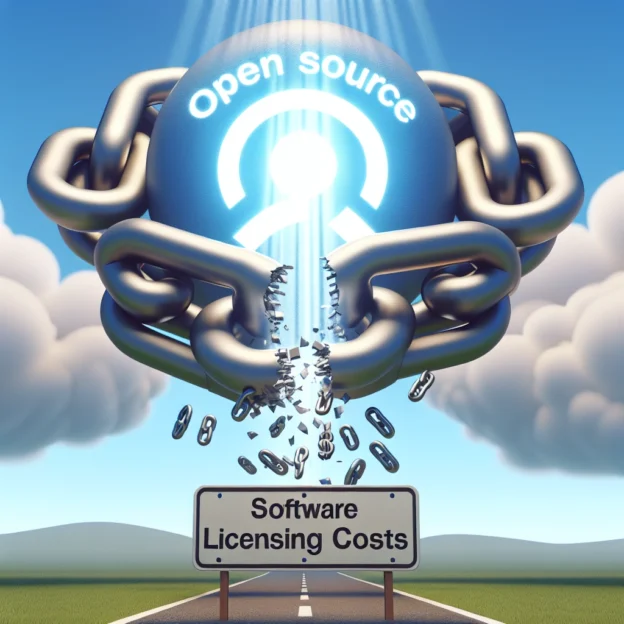
How Open Source Softens the Blow of Software Licensing Costs

How Open Source Softens the Blow of Software Licensing Costs

In today’s fast-paced digital landscape, software is the backbone of many businesses, ranging from startups to multinational corporations. While the right software can fuel innovation and streamline processes, the costs associated with proprietary software licenses can be daunting. This is where open-source software steps in like a superhero, ready to save the day!

Licensing Costs to Consider

Let’s face it: licensing fees for popular software programs can be hefty. Whether it’s a subscription service for cloud storage or dozens of licenses per user for complex productivity suites, the expenses can rapidly add up, cutting into your budget for other critical areas like marketing or staff development.

Additionally, these costs aren’t just a one-time occurrence; they can be recurring. The need for annual renewals can stretch financial planning, especially for small businesses or non-profit organizations that operate on tight budgets. When software licenses aren’t budget-friendly, it can lead to difficult decisions about which tools are essential versus which can be squeezed out entirely.

Enter open-source software. Unlike proprietary software, open-source options are made available to the public, allowing users to modify, share, and use them without the exorbitant fees. But what does this really mean for your budget, and how can you leverage open-source tools to soften the blow of those pesky licensing costs?

The Benefits of Open Source

  1. Cost-Effectiveness:
    One of the clearest advantages of open-source software is its low to no cost. Many of these tools come with a “free” price tag, helping businesses save a significant amount of money. For example, instead of paying $10-$20 per user each month for project management software, you might find a comparable open-source alternative for free.

  2. Customization:
    Open-source software is all about flexibility. You have the freedom to customize it to meet your specific needs. This could mean tweaking the interface, adding features, or even integrating it with other existing solutions. The adaptability can save you money long-term, as you won’t have to seek alternative software solutions that might require additional purchases.

  3. Community Support:
    Most open-source projects boast a vibrant community of developers and users who are more than willing to help. If you hit a snag or need guidance, you often can find a wealth of resources online, including forums, guides, and tutorials. This can save you on support costs you would typically incur with proprietary software.

  4. Transparency and Security:
    Because you can see and modify the code, open-source software tends to have a reputation for being more secure than its closed counterparts. Vulnerabilities can be spotted and resolved more quickly, which saves not only on potential issues but also on overall security costs that may arise should you face a breach in proprietary settings.

  5. No Vendor Lock-In:
    One of the biggest concerns with proprietary software is the fear of vendor lock-in. Once you begin using a specific vendor’s software, migrating to another platform can be a nightmare with data transfer issues and steep learning curves. Open-source tools eliminate this hassle, providing you more freedom in your choices.

Real-World Examples

Many well-known organizations have embraced open-source solutions. For instance, companies like Google and Facebook have developed their own open-source projects, including Kubernetes and React, which are widely used across the tech industry. They realized that by contributing back to the community, they could create robust software that also allows for collaborative improvements.

Even in the world of personal finance, you will find tools like GnuCash or LibreOffice that provide genuine alternatives to costly applications. They may not be the flashiest, but they get the job done, often as effectively as their paid counterparts.

Wrapping It All Up

As businesses increasingly seek ways to maintain competitiveness without breaking the bank, open-source software presents a valuable opportunity to keep those pesky licensing costs at bay. By leveraging free and customizable tools, businesses not only save money but also gain flexibility and support. Embracing open-source solutions doesn’t just soften the financial blow; it can lead to innovations and efficiencies that improve your operational capabilities.

In this digital age where adaptability is key, exploring open-source alternatives could be one of your best strategic decisions—one that paves the way for sustainable growth without the heavy financial burden of traditional software licensing. So, whether you are a tech-savvy startup or a well-established organization, it’s time to brush up on open-source options and see how they can enhance your business game!

The Top 10 Myths About Open Source Software Debunked

The Top 10 Myths About Open Source Software Debunked

Open source software has come a long way since its inception, turning into a driving force behind innovation and collaboration in the tech world. Yet, as with any evolving landscape, myths and misconceptions abound, leading to misunderstandings about what open source really is and how it functions. Let’s break down the top ten myths surrounding open source software to shed some light on this pivotal topic.

Myth 1: Open Source Means Free

While many open source projects are indeed available at no cost, "free" in this context refers to freedom, not price. Open source software grants users the freedom to run, modify, and share the software. Sometimes, there are costs involved, especially if you require support, hosting, or customized solutions. So, don’t be fooled—it’s great to find free software, but consider the value it can bring beyond just the price tag.

Myth 2: Open Source is for Experts Only

A common belief is that you must be a coding wizard to use open source software. Not true! Many open source projects have user-friendly interfaces and extensive documentation, making them accessible to the average user. Depending on your comfort level, you can choose something as simple as an open-source operating system or more complex like a content management system.

Myth 3: Open Source Software is Not Secure

This is perhaps one of the most pervasive myths. Ironically, the transparency of open source code often makes it more secure. With many eyes reviewing the code, vulnerabilities can be spotted and fixed faster than in proprietary software. Many popular open source platforms, like Linux and Mozilla Firefox, are often regarded as more secure than their closed-source counterparts.

Myth 4: Open Source Software Lacks Support

You might think that using open source software means you’re on your own, but that’s not always the case. Many open source projects come with a robust community ready to help. Forums, wikis, and chat groups abound, providing support and tutorials. Additionally, many companies specialize in providing commercial support for popular open source software—think Red Hat or Canonical.

Myth 5: Open Source Isn’t Professional

Many believe that because open source software is free, it must be inferior to commercial software. However, countless organizations use open source tools for professional applications—think of giants like Google, Facebook, and NASA. The ability to customize and modify open source software allows businesses to tailor solutions that perfectly fit their needs.

Myth 6: You Can’t Compete with Proprietary Software

While proprietary software often has substantial resources behind it, many open-source projects have vibrant communities contributing to development. In fact, many open-source solutions offer comparable or even superior functionality to their proprietary counterparts. Look at WordPress, which powers a significant portion of the web, or GIMP, a robust image editor rivaling Photoshop.

Myth 7: Open Source is Slow to Innovate

There’s a perception that open source moves at a snail’s pace compared to commercial software development. Yet, many open-source projects are remarkably agile, with rapid iterations and upgrades driven by community feedback. The competitive, collaborative nature of open source can lead to faster innovation cycles, especially when dealing with technology like DevOps or continuous integration.

Myth 8: Open Source Software is Chaotic

Yes, open source projects can be a bit chaotic, especially with so many contributors involved. However, this is often a strength, as a diverse group of developers brings unique perspectives and expertise. Many projects follow structured governance, with clear guidelines and processes in place to avoid complete chaos.

Myth 9: Open Source Software is Only for Specific Industries

People often pigeonhole open source, thinking it’s mainly utilized in tech or development sectors. In reality, it spans virtually every industry you can think of—from education to healthcare and everything in between. For example, the educational sector sees platforms like Moodle, while healthcare relies on applications like OpenMRS. Open source is universal!

Myth 10: Open Source Is a Passing Fad

This is perhaps the biggest myth of them all. Open source is here to stay. Its principles of collaboration and transparency resonate more today than ever before. As companies pivot towards Agile development and innovation, open source remains pivotal in shaping the future of technology.

Exploring the world of open source software often reveals surprising truths behind these myths. The flexibility, community engagement, and innovative spirit of open source not only democratize technology but also empower individuals and organizations to tailor solutions to their needs. Understanding and embracing open source could open doors you didn’t even know existed—so why not take that leap? You might just find a new favorite tool in the process!

How Open Source Software Drives Innovation in Tech

How Open Source Software Drives Innovation in Tech

In today’s fast-paced tech landscape, innovation is often touted as the ultimate goal for businesses, programmers, and tech enthusiasts alike. But what if I told you that a significant portion of that innovation is fueled by a collaborative, community-driven approach known as open source software? Open source isn’t just a buzzword; it’s a powerful movement that has fundamentally changed how technology is developed, shared, and improved.

What Is Open Source Software?

At its core, open source software refers to programs that come with a source code that anyone can inspect, modify, and enhance. This idea breaks the barriers created by proprietary software, giving everyday users and developers the freedom to adapt the software according to their needs. Popular examples include the Linux operating system, the Apache web server, and the Mozilla Firefox browser.

But why is this model so revolutionary? In short, it’s all about collaboration and transparency. Open source allows a diverse range of voices and skills to contribute, fostering rapid innovation and problem-solving that would be hard to achieve in a traditional, closed environment.

The Power of Community Collaboration

One of the most significant advantages of open source software is community collaboration. When developers from all over the world contribute their skills and knowledge, the pool of ideas increases exponentially. This collaborative approach encourages not only diversity in thought but also faster coding cycles. Bugs are identified and fixed quicker, and new features can be added more rapidly, all thanks to the community’s collective efforts.

Take Kubernetes, for instance. Originally developed by Google, this container orchestration platform is now maintained by a large community through the Cloud Native Computing Foundation. Its rapid evolution and widespread adoption can be attributed to countless developers, operators, and companies collaborating to enhance the platform based on real-world needs.

Innovation Through Transparency

Transparency is another vital component of the open source ecosystem. When a project’s source code is publicly available, it invites scrutiny and critical feedback. This open feedback loop ensures that software is not just functional but also secure and user-friendly. Vulnerabilities can be detected and patched more swiftly than in closed-source software, which often relies solely on its internal team for bug detection.

Notably, this transparency can lead to enhanced trust. Users can verify what the software does and ensure it aligns with their values, especially concerning privacy and security. For example, the popularity of privacy-focused tools like Signal is rooted partly in its open source nature, allowing users to trust that their communications are truly secure.

Driving Economic Growth

The impact of open source goes beyond just technology; it also plays a significant role in economic growth. Businesses increasingly adopt open source methodologies to drive down costs and leverage existing solutions rather than reinvent the wheel. For instance, startups can build upon established open-source frameworks, allowing them to focus on innovative features that set them apart without starting from scratch.

Furthermore, open source encourages a more equitable tech landscape by lowering barriers to entry. Entrepreneurs, developers, and even students can access powerful tools without hefty license fees. This kind of accessibility leads to a more diverse range of projects and applications, contributing to broader economic prosperity.

The Rise of Open Source in Enterprises

Initially seen as tools for hobbyists and small projects, open source solutions are now adopted by some of the largest corporations in the world. Companies like Microsoft, IBM, and Google heavily invest in and contribute to open source projects, realizing that collaboration can fuel innovation and improve their competitive edge. The shift shows that open source is not merely an alternative but a key strategy for future-proofing technology.

Enterprises are also recognizing the talent pool that surrounds open source. Developers with experience in open source projects are often more skilled in collaboration, problem-solving, and adapting to new technologies. This makes them invaluable assets in a rapidly changing market.

A Bright Future Ahead

As we move further into an era defined by technological change, it’s clear that open source software is not just a passing trend but a cornerstone of innovation in tech. By embracing open collaboration, communities can address complex challenges, share knowledge, and create tools that are not only efficient but also accessible.

In a world where tech continues to evolve at breakneck speed, the open-source movement proves that sometimes, sharing is the best way to drive innovation forward. As developers, businesses, and users unite around this principle, we can only imagine the incredible advancements that lie ahead. So, the next time you find yourself using a piece of software, take a moment to appreciate the vast community effort that made it possible—because that’s the beautiful power of the open source philosophy.

Creating Sustainable Open Source Business Models

Creating Sustainable Open Source Business Models

In the tech world, open source has become a buzzword, embodying the principles of transparency, collaboration, and community. But while many startups and established companies alike embrace the open-source movement, one critical question looms large: how can these organizations develop sustainable business models that not only support their projects but also ensure long-term viability?

Let’s dive into the nuances of building a successful, sustainable open source business model.

Understanding Open Source

Before we jump into the nitty-gritty of business models, it’s important to have a clear understanding of what open source means. At its core, it’s about making source code freely available for anyone to use, modify, and distribute. This freedom promotes innovation and collaboration while creating communities around shared software.

However, while the software itself is often free, creating a business around it can feel paradoxical. How do you monetize something that’s designed to be, well, free? The key is to understand the various ways open source ventures can generate revenue without compromising their foundational principles.

Revenue Models for Open Source

  1. Freemium Model: One popular route is the freemium model, where you offer a basic version of your software for free but charge for premium features or support. Think about well-known tools like GitHub, which offers free repositories for many users but charges for additional features, premium support, and larger storage solutions.

  2. Support and Consulting Services: Many open source organizations thrive by providing paid support and consulting services. This is particularly viable for complex software where businesses need help with implementation or troubleshooting. Companies like Red Hat have built remarkable success stories by offering comprehensive support while their core software remains open source.

  3. Training and Certification: As more businesses adopt open-source technologies, the demand for training and expertise in these tools grows. Companies can offer courses and certification programs, turning knowledgeable users into certified professionals. This not only provides a revenue stream but also strengthens the user community.

  4. Dual Licensing: Another approach involves dual licensing, where software is available under both an open source license and a commercial license. This allows businesses to use the software in a commercial context while still offering community users access to the software for free. MongoDB is a great example of this model, where users can choose based on their needs.

  5. Donations and Crowdfunding: Some projects sustain themselves through donations or crowdfunding platforms like Patreon. These methods can be particularly effective for smaller projects or individual developers looking to build a dedicated user base that believes in their work.

  6. Partnerships and Sponsorships: Collaborating with other businesses or securing sponsorship can provide significant funding. Companies may be interested in backing your project to gain visibility or improve community relations. With the right approach, partnerships can transform your project from a side gig to a full-fledged business.

Building the Community

An essential aspect of any sustainable open source business is the community. Engaging with users, developers, and contributors not only helps improve the software but can also lead to organic growth. Here’s how to foster that sense of community:

  • Open Contribution: Encourage developers to contribute to your project. This engagement can lead to innovative features and improvements while building a loyal developer base that feels invested in your software’s success.

  • Transparency: Sharing roadmaps, updates, and future plans openly supports trust within your community. It demonstrates your commitment and encourages users to feel like part of the journey.

  • Active Communication: Engage with users through forums, social media, and newsletters. Solicit feedback, answer questions, and host events (virtual or in-person) to foster discussion.

The Balancing Act

Creating a sustainable open source business model is ultimately a delicate balancing act. You want to monetize your software while respecting the ethos that forms the core of open-source development. The best models ensure that value is created for both the business and the community.

Remember, sustainability is more than just financial stability; it includes maintaining a healthy, vibrant community that continues to contribute positively to your project. As you navigate the landscape of open source business, keep focusing on building relationships, enhancing user experiences, and delivering real value.

Building a sustainable business around open source isn’t just about the software itself; it’s about fostering a community, valuing transparency, and above all, staying true to the ideals of open collaboration. No matter which model you choose, embrace the journey and remember that the strength of open source comes from its community, innovation, and a shared belief that together, we can create something remarkable.

The Future of Business Software: Open Source vs. Proprietary

The Future of Business Software: Open Source vs. Proprietary

In today’s tech-savvy landscape, the tools we use to run our businesses are evolving at lightning speed. As companies strive for efficiency and innovation, the debate between open source and proprietary software has taken center stage. Each offers its own set of advantages and challenges, and understanding the distinction is vital for businesses looking to invest wisely in their tech future.

What is Open Source Software?

Open source software is built on the principle of collaboration. The source code is made available to anyone, allowing developers to modify and improve the software as they see fit. Popular examples include Linux, Apache, and the various packages of the LibreOffice suite. Open source software generally encourages a community-driven approach, meaning that thousands of eyes can help catch bugs, suggest improvements, and even build new applications on top of existing platforms.

The beauty of open source is flexibility. Companies can customize the software to better fit their specific needs without waiting for a vendor’s release schedule. This agile environment often results in rapid innovation and updates driven by user feedback rather than a corporate roadmap.

The Case for Proprietary Software

Proprietary software, on the other hand, is created by a specific company that retains exclusive rights to its source code. This means that users are dependent on the vendor for updates, support, and any future enhancements. Examples include Microsoft Office, Adobe Creative Cloud, and the vast majority of enterprise resource planning (ERP) solutions.

One of the strongest points in favor of proprietary software is the support structure. With dedicated customer service teams and extensive documentation, businesses often find it easier to troubleshoot issues and get the help they need. Additionally, vendors typically offer better training resources, ensuring that employees can quickly get up to speed.

The Growing Importance of Hybrid Solutions

It’s important to note that the lines between open source and proprietary software are becoming increasingly blurred. Many companies are adopting a hybrid approach — using a mix of both open source and proprietary tools to create a customized tech environment that best serves their needs. This allows them to benefit from the reliability of proprietary solutions while still having the flexibility that open source offers.

For example, organizations might use proprietary software for their core operations (like accounting or customer relationship management) while leveraging open source tools for web development or data analysis. This strategy allows businesses to balance risk, cost, and innovation.

The Cost Factor

When discussing the future of business software, cost is always a key consideration. Open source software typically has lower upfront costs since it’s free to use. However, businesses must keep in mind the hidden costs, such as the need for skilled personnel to customize and maintain the software. If a team is not empowered to make necessary changes, an initially cost-effective solution could end up being more expensive over time.

In contrast, although proprietary software usually comes with a higher price tag, businesses often receive a more polished product along with substantial support. The assurance of stability and security, coupled with ongoing updates, can make proprietary options more appealing, especially for larger enterprises with complex needs.

Security Concerns

Security is always a pressing issue in the tech world. Open source advocates argue that the transparency of their code is a significant advantage, as it allows for more eyes on the software — potentially catching vulnerabilities faster than a smaller group of proprietary developers could. However, proprietary software can provide a stronger sense of security through vendor support and regular security updates that are less reliant on community involvement.

Ultimately, both open source and proprietary software have their strengths and weaknesses in this area. Security evolution is ongoing, and both approaches will need to adapt as cyber threats continue to grow.

Choosing the Right Tool for Your Business

In navigating the open source versus proprietary software debate, it’s essential for businesses to assess their specific needs, resources, and goals. No one-size-fits-all solution exists, and the ideal choice often comes down to a mixture of both styles and how they align with the organizational culture.

As technology advances, it’s clear that businesses are leaning towards more integrated solutions that provide not just functionality but also improve collaboration and innovation among teams. Whether opting for open source flexibility or the polished reliability of proprietary software, what matters most is creating a tech stack that empowers your business and motivates your team.

With software continually evolving, companies that remain adaptable and open-minded about their technology choices will have a brighter path ahead. In the rapidly changing world of business, evolving with the tech landscape isn’t just beneficial; it’s essential for survival and growth.