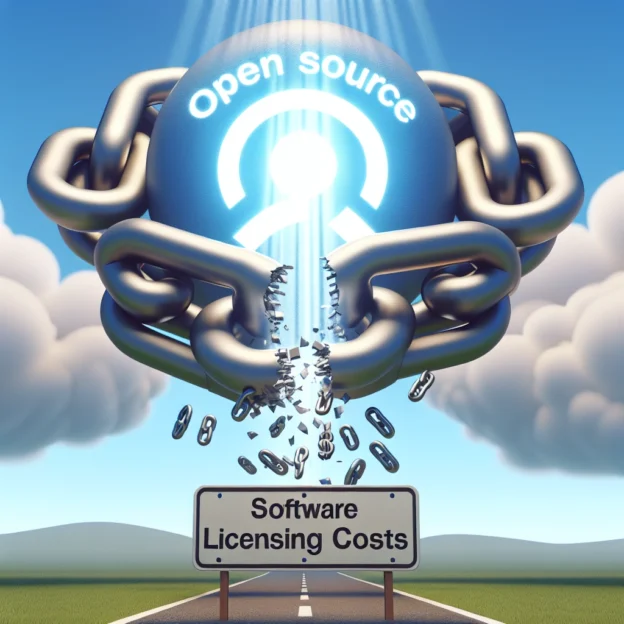
How Open Source Softens the Blow of Software Licensing Costs
In today’s fast-paced digital landscape, software is the backbone of many businesses, ranging from startups to multinational corporations. While the right software can fuel innovation and streamline processes, the costs associated with proprietary software licenses can be daunting. This is where open-source software steps in like a superhero, ready to save the day!
Licensing Costs to Consider
Let’s face it: licensing fees for popular software programs can be hefty. Whether it’s a subscription service for cloud storage or dozens of licenses per user for complex productivity suites, the expenses can rapidly add up, cutting into your budget for other critical areas like marketing or staff development.
Additionally, these costs aren’t just a one-time occurrence; they can be recurring. The need for annual renewals can stretch financial planning, especially for small businesses or non-profit organizations that operate on tight budgets. When software licenses aren’t budget-friendly, it can lead to difficult decisions about which tools are essential versus which can be squeezed out entirely.
Enter open-source software. Unlike proprietary software, open-source options are made available to the public, allowing users to modify, share, and use them without the exorbitant fees. But what does this really mean for your budget, and how can you leverage open-source tools to soften the blow of those pesky licensing costs?
The Benefits of Open Source
-
Cost-Effectiveness:
One of the clearest advantages of open-source software is its low to no cost. Many of these tools come with a “free” price tag, helping businesses save a significant amount of money. For example, instead of paying $10-$20 per user each month for project management software, you might find a comparable open-source alternative for free. -
Customization:
Open-source software is all about flexibility. You have the freedom to customize it to meet your specific needs. This could mean tweaking the interface, adding features, or even integrating it with other existing solutions. The adaptability can save you money long-term, as you won’t have to seek alternative software solutions that might require additional purchases. -
Community Support:
Most open-source projects boast a vibrant community of developers and users who are more than willing to help. If you hit a snag or need guidance, you often can find a wealth of resources online, including forums, guides, and tutorials. This can save you on support costs you would typically incur with proprietary software. -
Transparency and Security:
Because you can see and modify the code, open-source software tends to have a reputation for being more secure than its closed counterparts. Vulnerabilities can be spotted and resolved more quickly, which saves not only on potential issues but also on overall security costs that may arise should you face a breach in proprietary settings. -
No Vendor Lock-In:
One of the biggest concerns with proprietary software is the fear of vendor lock-in. Once you begin using a specific vendor’s software, migrating to another platform can be a nightmare with data transfer issues and steep learning curves. Open-source tools eliminate this hassle, providing you more freedom in your choices.
Real-World Examples
Many well-known organizations have embraced open-source solutions. For instance, companies like Google and Facebook have developed their own open-source projects, including Kubernetes and React, which are widely used across the tech industry. They realized that by contributing back to the community, they could create robust software that also allows for collaborative improvements.
Even in the world of personal finance, you will find tools like GnuCash or LibreOffice that provide genuine alternatives to costly applications. They may not be the flashiest, but they get the job done, often as effectively as their paid counterparts.
Wrapping It All Up
As businesses increasingly seek ways to maintain competitiveness without breaking the bank, open-source software presents a valuable opportunity to keep those pesky licensing costs at bay. By leveraging free and customizable tools, businesses not only save money but also gain flexibility and support. Embracing open-source solutions doesn’t just soften the financial blow; it can lead to innovations and efficiencies that improve your operational capabilities.
In this digital age where adaptability is key, exploring open-source alternatives could be one of your best strategic decisions—one that paves the way for sustainable growth without the heavy financial burden of traditional software licensing. So, whether you are a tech-savvy startup or a well-established organization, it’s time to brush up on open-source options and see how they can enhance your business game!