Maximizing Productivity with Open Source Business Software

Maximizing Productivity with Open Source Business Software

In the bustling world of business, productivity is the name of the game. Whether you’re a small startup or a well-established enterprise, finding ways to optimize workflow and streamline processes is crucial. One powerful approach that many are turning to is open source business software. So, let’s explore how embracing open source solutions can not only maximize productivity but also save you some serious bucks along the way!

What Is Open Source Software?

Before diving in, let’s clarify what open source software actually means. In simple terms, open source software is software whose source code is available to the public for anyone to use, modify, and distribute. Think of it like a community project where developers from various backgrounds collaborate and contribute, leading to robust and innovative solutions.

This collaborative nature not only accelerates development but often leads to fixes and updates being rolled out more frequently than proprietary software. The result? You get tools that are continually evolving and improving without the hefty price tag.

Cost-Effective Solutions

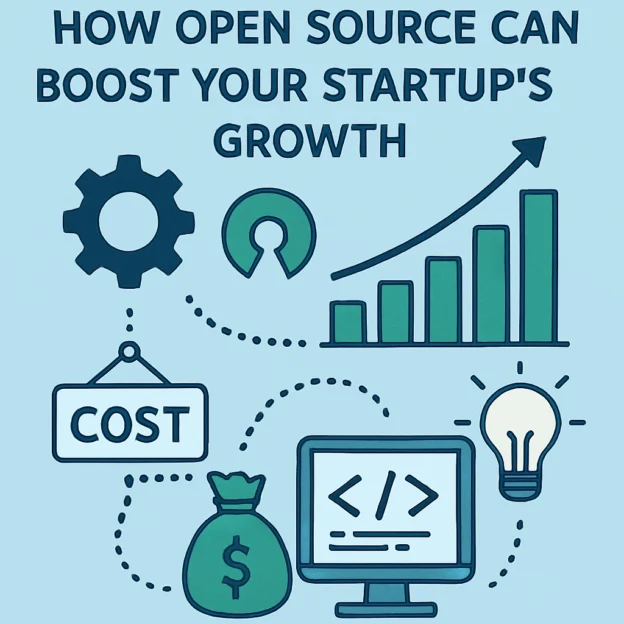
One of the biggest draws of open source software is cost. Traditional business software often comes with hefty licensing fees that can put a significant dent in your budget. In contrast, most open source alternatives are free to use. This means you can redirect those funds toward other important areas of your business, such as marketing initiatives or employee training.

Furthermore, even when there are some costs involved—like for installation, maintenance, or training—these are typically lower than the costs associated with proprietary software. Additionally, since you have the capability to customize and scale your software solutions as needed, it also means you can better align with your business goals and growth strategies.

Enhanced Collaboration

In a remote working environment, collaboration tools are more important than ever. Tools like Nextcloud or Mattermost offer open-source alternatives to traditional communication platforms, helping teams work together seamlessly regardless of their physical location.

With open source solutions, you have the freedom to tailor collaboration tools to fit your specific needs. You can integrate various applications, automate workflows, and improve team coordination without being locked into a specific vendor’s ecosystem. It empowers both employees and management to be agile and responsive, which leads to improving overall productivity.

Security and Control

With great power comes great responsibility, right? While proprietary software companies claim to have top-notch security measures, open source software allows you to verify this for yourself. With open source, the community at large can inspect the code for vulnerabilities, making it easier to identify and mitigate security risks promptly.

Plus, using open source means you won’t find yourself at the mercy of a vendor’s timeline for updates or issues. You have the control to customize your security protocols and ensure your software is as secure as possible.

Customization and Flexibility

Every business is unique, and a one-size-fits-all approach often doesn’t cut it. Open source software allows you to tweak the software based on your specific needs and workflows. Need a special feature that’s not included by default? No problem! You can either customize the existing code or collaborate with a developer to build something that fits right into your operational model.

This flexibility is particularly beneficial as businesses evolve and grow. You won’t have to go through the hassle of switching to new software or learning new systems; instead, you simply adapt your current tools to meet new demands.

Community Support

Open source software often comes with a vibrant community of users and developers who are eager to share experiences, documentation, and troubleshooting advice. This community support can be invaluable, especially for businesses without full-time IT staff.

Online forums and discussion groups can be treasure troves of information. Whenever you hit a snag or have questions, there’s usually someone out there who has faced a similar challenge and can guide you through it.

The Bottom Line

In a world where productivity can set you apart from the competition, leveraging open source business software is a smart strategy. Not only does it provide cost-effective solutions, but it also enhances collaboration, ensures security, offers customization, and gives you access to a supportive community.

By embracing open source, you’re not just adopting a tool; you’re opening the door to a vast landscape of innovation and efficiency. As you embark on this journey, remember that the goal is not just to work harder, but to work smarter. So, go ahead—explore the possibilities and watch your productivity soar!

Collaborative Coding: The Community Behind Open Source Software

Collaborative Coding: The Community Behind Open Source Software

In the ever-evolving world of technology, open source software stands out as a shining beacon of innovation and collaboration. At its core, open source software means that the code is publicly available for anyone to use, modify, and distribute. But behind this code lies a vibrant community of passionate developers, designers, and users, all working together to create tools that shape our digital landscape.

The Heart of Open Source: Community Collaboration

At first glance, open source might seem like a lone coder’s dream where anyone can tinker with a piece of software in their basement. However, the reality is that these projects thrive in a community-driven environment. Developers from all walks of life come together, sharing ideas, expertise, and even frustrations as they build something greater than the sum of its parts.

Take, for example, the popular operating system Linux. It has grown from a small project started by Linus Torvalds in 1991 to a complex ecosystem that powers servers, smartphones, and even some of the world’s most advanced supercomputers. This evolution wouldn’t have been possible without countless contributions from developers around the globe, each adding their unique insights to the project. The spirit of collaboration and mutual support makes the open source community an inspiring place to be.

Learning and Growth Opportunities

One of the greatest benefits of being involved in the open source community is the opportunity for personal and professional growth. For budding developers, contributing to an open source project can be a fantastic way to sharpen coding skills, learn best practices, and gain real-world experience. Many projects have well-defined contribution guidelines, which provide a structured way to get involved.

Platforms like GitHub have democratized access to these projects. You don’t need to be a seasoned developer to contribute; many repositories have issues labeled "good first issue" to help newcomers dive in. Whether you’re fixing bugs, adding new features, or improving documentation, every contribution counts and helps you learn along the way. This environment fosters not just technical skills, but also soft skills like communication, teamwork, and problem-solving.

The Power of Diversity

Open source is not just for coders. The community encompasses designers, writers, translators, and even advocates. This diversity is essential for crafting software that is accessible and useful to a wider audience. Having a diverse team brings different perspectives to the table, making it easier to identify and rectify issues that might not be visible to a more homogeneous group.

Moreover, many open source projects actively encourage contributions from underrepresented groups in tech. Initiatives like Outreachy and Google Summer of Code provide mentorship and support for newcomers, ensuring a broader spectrum of voices in the development process. This not only enriches the projects themselves but also strengthens the community in its own right.

The Joy of Giving Back

A significant aspect of open source software is the idea of giving back. Many developers start their careers using open source projects, and as they grow in their expertise, they often feel a desire to contribute back to the community that helped them learn. This cyclical nature of giving and receiving enhances the communal experience of coding.

Established projects frequently host events like hackathons, conferences, and sprints, where community members can collaborate in real-time. These gatherings are not just about coding; they foster relationships, share stories, and build a sense of belonging. When developers gather to celebrate their shared passion, the results can be quite magical, leading to breakthroughs that might not have occurred in isolation.

Making a Difference

Perhaps the most inspiring aspect of the open source community is its commitment to making the world a better place. Many projects tackle real-world problems, from providing free software for educational institutions to developing tools for non-profits. The ethos behind open source software emphasizes transparency, accessibility, and collaboration, which can lead to more equitable technology solutions.

Whether it’s creating software for humanitarian efforts, developing applications for underprivileged communities, or simply ensuring that essential productivity tools remain free, the open source community is driven by a desire to improve lives.

So, the next time you use software or an application that you love, take a moment to think about the community behind it. While it might be tempting to view coding as a solitary activity, the reality is that collaborative coding in open source projects fosters innovation and encourages camaraderie. As we continue to navigate a tech-driven world, embracing the spirit of collaboration and community in coding will undoubtedly take us further together than we could ever go alone.

Understanding the Four Freedoms of Free Software

Understanding the Four Freedoms of Free Software

When you hear the term "free software," you might think it’s all about no-cost downloads or open-source code. While the price tag is certainly appealing, the essence of free software goes much deeper, revolving around four fundamental freedoms. These freedoms empower users and shape a collaborative community where innovation thrives. Let’s unpack these four freedoms and understand what they mean for all of us.

Freedom 0: The Freedom to Run the Program

At its core, the first freedom is about usability. It encapsulates the right to run the software for any purpose, without restrictions. This freedom means that as a user, you can take that software, whether it’s an operating system, a web browser, or even a simple game, and utilize it in whichever way fits your needs.

Imagine this freedom like owning a car. You’re free to drive it wherever you want—whether that’s to work, to a road trip, or just around the block for fun. Similarly, free software allows you to harness the power of technology without a shadow of doubt looming over what you’re allowed to do with it.

Freedom 1: The Freedom to Study and Modify the Program

This freedom emphasizes transparency and the ability to tinker. It’s about having access to the source code of the software, so you can understand how it works and make alterations according to your needs. For many, this is the most empowering aspect of free software.

Going back to our car analogy, this is about being able to pop the hood and tweak the engine if you want to boost performance or fix an issue. In the world of software, this means that if you identify a bug or a feature you’d like to enhance, you have the option to make those changes yourself. This culture of continuous improvement is what allows free software to evolve rapidly, often in ways proprietary alternatives can’t match.

Freedom 2: The Freedom to Distribute Copies

This third freedom is a nod to community and sharing. Once you have a software program, you can share it with others. Whether you’re distributing copies to your friends or uploading it to a public repository, this freedom fosters a community-centric approach.

Think of it as the concept of lending books to friends. When you find a great read, your instinct is to share it. In return, your friends might share their own finds with you. This collaborative spirit is what makes free software not just a tool, but a shared treasure trove of resources.

Freedom 3: The Freedom to Distribute Modified Versions

This final freedom is a powerful complement to the right to study and modify the software. Not only can you alter a program, but you can also share your modified version with others. This is where things get truly exciting as it encourages a culture of innovation and collaboration.

Imagine you modify a recipe to create your own unique dish. You can then pass it along to friends, or even host a dinner party where everyone tries their twist on your creation. The same goes for software. If you improve an existing program or tailor it to your specific needs, sharing that can lead to collective progress and new ideas. Open source projects have flourished because developers have built upon each other’s work, thanks to this freedom.

Why These Freedoms Matter

In a world inundated with proprietary software that restricts how we can use, share, and modify it, the Four Freedoms of free software stand as a necessary counterbalance. These freedoms not only empower users but also promote a sense of community where knowledge is shared, skills are enhanced, and innovation is driven by collaboration rather than competition.

The beauty of this model is that it nurtures diversity in development while giving users ultimate control over their computing experience. Whether you’re a casual user or a seasoned developer, embracing free software means not just using technology but also participating in a larger movement that champions freedom, transparency, and collaboration.

As we step further into a digital age filled with technology that impacts our daily lives, keeping these freedoms in mind ensures that we all have a voice in how we engage with the tools we depend upon. By supporting and using free software, we’re not just opting for cost-effective solutions—we’re advocating for a way of digital life that empowers us all.

The Future of Software Development: Why Open Source Matters

The Future of Software Development: Why Open Source Matters

In today’s tech-driven world, we’re witnessing a revolution in how software is developed. From the smartphone apps we can’t live without to the enterprise systems that keep businesses running, software touches virtually every part of our lives. But what’s shaping the future of software development? One word: open source.

The Open Source Movement

Open source software (OSS) is built collaboratively, allowing anyone to inspect, modify, and enhance its source code. Think of it as a creative commons for coders. The movement gained momentum in the late 20th century, but now it’s reaching new heights thanks to the rise of global connectivity and collaborative platforms.

Instead of being confined to corporate silos, talented developers from around the world are contributing to projects without worrying about proprietary boundaries. This approach brings a wealth of perspectives together, driving innovation and pushing boundaries in ways that traditional, closed-source development often can’t.

Transparency and Trust

One of the most compelling aspects of open source software is its transparency. When anyone can view the code, there’s a built-in layer of scrutiny. This community-driven oversight means that bugs can be identified and fixed more swiftly than they often are in proprietary software, where the code is hidden from view.

Take, for example, the Linux operating system. It powers anything from smartphones to supercomputers and has achieved incredible stability and security largely because thousands of developers around the globe continuously scan for vulnerabilities and contribute improvements. This level of collaboration fosters an ecosystem of trust that is hard to achieve in closed systems.

Cost Efficiency

An immediate benefit that often stands out for businesses is cost. Open source software is typically available free of charge, allowing companies, startups, and even individual developers to access high-quality tools without the hefty price tag associated with many proprietary options. But beyond the initial savings, open source solutions can eliminate ongoing licensing fees, making long-term financial planning much easier.

Imagine a small startup that needs to build a web application. Instead of spending a chunk of their budget on expensive software licenses, they can leverage open source frameworks, dramatically reducing their overhead while still ensuring functionality, security, and scalability.

Community Over Competition

Another exciting aspect about the future of software development within the open source community is the collaborative spirit it fosters. Instead of competing for patents or market share, developers can share their knowledge and expertise, leading to rapid advancements in technology. This collective approach also creates an ecosystem of mentorship, where experienced coders help newbies find their footing.

Open source champions diversity, allowing underrepresented groups to contribute and innovate. This inclusivity doesn’t just enrich the community; it also leads to varied perspectives that fuel creativity. It’s about creating rather than controlling, and that ethos is pivotal for future growth in tech.

Keeping up with Industry Trends

As we look ahead, the landscape of software development is shifting towards the integration of artificial intelligence (AI) and machine learning (ML). Open source is particularly impactful here as well. Robust open source libraries and frameworks like TensorFlow and PyTorch have democratized AI, allowing anyone from researchers to hobbyists to experiment and create.

In fact, many leading AI solutions have roots in open source, enabling rapid iteration and community refinement. This open approach accelerates innovation in the field and makes cutting-edge tools available to more people.

The Road Ahead

So, what’s the bottom line? Open source is more than just a way to acquire software—it represents a paradigm shift in how we think about technology itself. It promotes transparency, trust, and accessibility, making it easier for innovative ideas to flourish. As technology continues to advance, open source will be an indispensable part of the toolbox for developers worldwide, breaking down barriers and allowing anyone to contribute to the foundational software that increasingly defines our reality.

As we navigate this ever-evolving landscape, it’s clear that the future of software development is inherently tied to the open source spirit—one where collaboration trumps competition, creativity knows no bounds, and every line of code is a step toward something greater. So whether you’re a seasoned developer, a curious learner, or a business seeking digital solutions, embracing open source might just be your key to thriving in the future.

How To Successfully Incorporate Open Source Into Your Workflow

How to Successfully Incorporate Open Source Into Your Workflow

In the ever-evolving landscape of tech innovation, the term "open source" has become a buzzword that anyone in the software and development arenas can’t overlook. But what does it truly mean, and how can you effectively harness its power to enhance your workflow? Whether you’re a seasoned developer, a budding enthusiast, or someone looking to dip your toes into the world of open source, there’s a treasure trove of benefits waiting for you. Let’s explore how to successfully weave open source tools and practices into your daily routine.

Understanding Open Source

First things first: open source refers to software whose source code is made available to the public for modification and enhancement. Think of it as a collaborative cooking project—everyone brings their ingredients, and together you create something delicious. Popular examples include the Linux operating system, the Apache web server, and the Drupal content management system. The beauty of open source lies in its community-driven nature; countless contributors work together to build and maintain fantastic tools.

Assess Your Needs

Before jumping into the open source pool headfirst, take a moment to reflect on your current workflow and identify areas that could use some improvement. Are you dealing with sluggish project management, cumbersome coding processes, or perhaps a lack of collaboration? By pinpointing your pain points, you can search for open source solutions tailored to alleviate those specific challenges.

For instance, if you find managing tasks a hassle, tools like Trello or Taiga offer open source alternatives to streamline project management. On the coding side, you might explore Git for version control or Eclipse for a versatile Integrated Development Environment (IDE).

Explore Available Tools

Once you know what you’re looking for, dive into the vast ocean of open source tools available. Websites like GitHub, SourceForge, and GitLab make it easy to discover and collaborate on projects. You can search for specific functionalities or just browse through trending repositories to find something that catches your eye.

Remember, not every open source tool is created equal! Pay attention to the community and support surrounding the tool. A vibrant community can lead to extensive documentation, robust user forums, and timely updates. Look for projects that have active contributors and frequent revisions, as these are usually signs of a healthy ecosystem ready to support your journey.

Embrace Version Control

If you haven’t already incorporated version control into your workflow, open source tools make it incredibly easy to do so through Git. This invaluable tool allows you to track changes, collaborate seamlessly with others, and roll back to previous versions if things go haywire. Even if you’re working solo, Git helps maintain a clear history of your work, making it easier to debug and iterate.

The good news is that the learning curve of Git isn’t as steep as it may seem—plenty of tutorials and cheat sheets are available online to help you get started. Investing time in mastering this will pay dividends in the long run.

Collaborate and Contribute

Open source thrives on collaboration, so don’t shy away from contributing back to the community! Whether it’s fixing bugs, sharing your own projects, or providing documentation, your input can help others. Engaging with projects not only supports fellow developers, but it can also enrich your experience and knowledge. Plus, contributions can make for great portfolio pieces to showcase your skills!

Join online forums, attend local meetups, or participate in hackathons where open source projects are spotlighted. Networking with like-minded individuals can spark new ideas and inspire you at every turn.

Be Open to Learning

One of the most fulfilling aspects of incorporating open source into your workflow is the opportunity to learn. You’ll likely find yourself diving into subjects or tools you may not have encountered otherwise. Whether it’s mastering a new programming language, understanding software licensing, or getting familiar with DevOps principles, every step offers a chance to grow.

Approach setbacks as learning opportunities; when something doesn’t work the way you envisioned, it’s just part of the adventure. The open source community is forgiving and eager to help newcomers.

Keep an Eye on Security

While the open source community provides many benefits, it’s essential to remain vigilant about security. Because the code is openly available, vulnerabilities can be exploited if left unaddressed. Consistently update your software to ensure you’re benefiting from the latest security patches, and consider audit and analysis tools that help identify vulnerabilities in the code you’re using.

In the end, incorporating open source into your workflow can breathe new life into your projects and processes. By staying curious, being proactive in collaborations, and continually learning, you’ll tap into a wealth of resources that can elevate your work. So go ahead, embrace the spirit of open source, and watch as your productivity and creativity flourish in ways you never thought possible!

Exploring the Best Open Source Software for Entrepreneurs

Exploring the Best Open Source Software for Entrepreneurs

In today’s fast-paced business landscape, entrepreneurs are constantly on the lookout for tools that can enhance productivity while minimizing expenses. While there are countless proprietary software solutions out there, many of them come with hefty price tags. Enter open source software! This type of software can provide robust features and flexibility without breaking the bank. Let’s dive into some of the best open source software for entrepreneurs that can help streamline operations and boost your business potential.

1. Odoo

Odoo is a comprehensive open source business management solution that has everything a budding entrepreneur could need. From customer relationship management (CRM) to project management, inventory, and accounting, Odoo offers a modular approach, allowing you to install only the tools that you need. It’s user-friendly, highly customizable, and its community edition is entirely free. Plus, you can easily scale it as your business grows.

2. LibreOffice

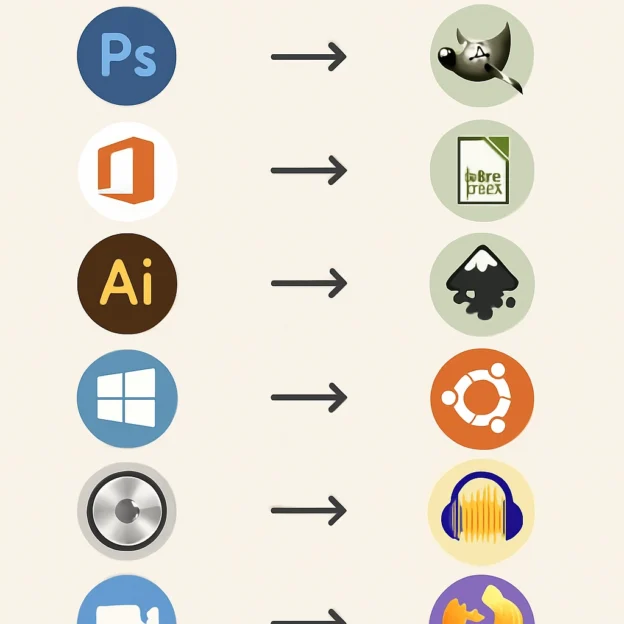
When it comes to office productivity, LibreOffice is a heavy hitter. This open source alternative to Microsoft Office includes a suite of applications like Writer, Calc, Impress, and more. Entrepreneurs can create documents, spreadsheets, and presentations seamlessly. You get a rich set of features without needing to pay for an office suite or worry about subscription fees. Plus, it supports many file formats, making collaboration with non-LibreOffice users a breeze.

3. WordPress

For any entrepreneur looking to establish an online presence, WordPress is the go-to platform. As the world’s most widely used content management system (CMS), it offers incredible versatility. Whether you’re building a blog, an e-commerce site, or a business portfolio, WordPress makes it easy to get started. With thousands of free themes and plugins, you can customize your site to fit your brand and enhance its functionality. And the best part? It’s free to use, though you may want to invest in hosting and premium themes as your needs grow.

4. GIMP

If you need graphic design capabilities without the costs associated with software like Adobe Photoshop, GIMP (GNU Image Manipulation Program) is a stellar alternative. This powerful image editor offers a wide range of tools that can help you create graphics, edit photos, and design marketing materials. While it may have a slight learning curve for newcomers, there are plenty of tutorials available to help you get started quickly.

5. Trello

As an entrepreneur, you understand the chaos of juggling multiple projects and tasks. Trello is designed to help you organize your work visually. Though it offers a free version, for those who want to dive into open source, you might consider the alternative "Wekan." Wekan brings the same Kanban-style project management tools to the table but allows for increased customization and self-hosting options. This way, you can tailor it to your team’s specific workflow without sacrificing productivity.

6. Nextcloud

File storage and collaboration are essential parts of running a business. Nextcloud offers an open source solution with a focus on privacy and control. You can store files, share them with team members, and collaborate in real time. It’s self-hosted, which means you maintain full control over your data—essential for safeguarding sensitive business information. Plus, it’s packed with features that integrate with other open source tools, making it a cornerstone for any tech-savvy entrepreneur.

7. Mailtrain

Email remains one of the most effective marketing tools out there, and Mailtrain can help you manage your email campaigns effortlessly. This open source software allows you to create and send newsletters with ease, making it perfect for entrepreneurs looking to connect with their audience. It’s highly customizable, supports automation, and provides insightful analytics to track the performance of your campaigns.

8. Redmine

Project management can easily become overwhelming, but tools like Redmine can help keep everything on track. This open source project management software integrates issue tracking, time tracking, and Gantt charts into one manageable platform. Whether you work alone or with a team, Redmine helps keep tasks organized and deadlines on point.

Wrapping It Up

In a world where cost-efficiency and flexibility are paramount, open source software presents a treasure trove of opportunities for entrepreneurs. From managing projects and marketing to creating stunning graphics and handling finances, these tools can serve as essential components of your business toolkit. So, why not explore what these open source options can do for your entrepreneurial journey? The right software can not only save you money but also unleash your creativity and help you build a thriving business without the constant worry of software licensing costs. Happy exploring!

Free Does Not Mean Inferior: The Case for Open Source Solutions

Free Does Not Mean Inferior: The Case for Open Source Solutions

In a world where we’re constantly bombarded with options, the phrase "you get what you pay for" often rings true. But when it comes to software, particularly open-source solutions, that old adage might not hold water. Many people hesitate to explore open-source options, convinced that if something is free, it must be lacking in quality or support. But is that really the case? Let’s take a closer look at why open-source solutions deserve a spot in your toolkit and why “free” doesn’t translate to “inferior.”

What is Open Source, Anyway?

Open source software is any program with source code that anyone can inspect, modify, and enhance. This is distinct from proprietary software, which is locked down and only allowed to be used under certain conditions. Open-source projects are often developed in public forums, allowing a community of developers to contribute to and improve the software.

High Quality and Robust Features

Contrary to the misconception that "free" equates to "low quality," many open-source projects boast robust features, exceptional functionality, and, importantly, continual improvement. Take Linux, for instance—an operating system initially created by Linus Torvalds in the early ’90s. Today it’s found everywhere, powering servers, smartphones, and even your Smart TV! Projects like GIMP (a graphic design tool) and Audacity (audio editing software) provide powerful alternatives to their expensive counterparts, proving that quality isn’t solely tied to price tags.

The beauty of open-source software lies in its community-driven approach. Bugs get reported and fixed swiftly, updates happen regularly, and newer features are often incorporated based on user feedback. This responsiveness helps maintain a healthy evolution of the software that proprietary options sometimes can’t match. After all, the more minds collaborating on a project, the better the outcome tends to be!

Cost-Effectiveness for All

Another significant advantage of open-source solutions is their cost-effectiveness. For individuals and businesses alike, the implications of choosing free software can be huge. Imagine an educational institution trying to budget for software licenses—it can become a costly nightmare. Open source provides a way to give them access to premium-level tools without breaking the bank (or their spirit).

Want to run a successful business without spending thousands on operating system licenses? Enter Ubuntu, a free Linux distribution. Creative professionals can utilize Blender, a groundbreaking open-source 3D graphics software, instead of forking over cash for pricey alternatives like Maya or 3DS Max. The savings are tangible, and those funds can be redirected toward other vital areas of growth.

Security and Transparency

While it’s common for people to perceive open-source software as less secure because its code is public, the reality is often quite the opposite. With the source code available to anyone, security vulnerabilities can be identified and addressed more quickly. A vast pool of testers means that problems can be spotted and fixed before they become significant threats. Plus, transparency allows users to trust that there’s no hidden malicious code lurking about.

Community Support

Another highlight of open source software is the community that thrives around many of these projects. When you opt for open-source solutions, you’re not just acquiring a tool—you’re becoming part of the vibrant and diverse community that supports it. If you encounter an issue, there’s a high chance someone else has faced the same problem. Forums, discussion boards, and dedicated communities like on Reddit or GitHub can provide guidance, tutorials, and troubleshooting tips, often much quicker than traditional tech support.

Encouraging Innovation

Open-source projects foster a culture of innovation and collaboration that proprietary solutions rarely enjoy. When developers are free to tinker with the source code, they can create adaptations or entirely new applications based on their unique needs. This culture encourages creativity and promotes the development of niche tools that might not get created in a profit-driven environment.

The Case for Open Source in Business

As businesses increasingly recognize the benefits of open-source solutions, enterprises like Netflix and Google have adopted open-source software to power their operations. They utilize robust open-source frameworks to develop scalable applications while reaping the cost advantages of not relying solely on proprietary software. The success stories are endless!

To sum it all up, open-source software demonstrates that being free does not mean it lacks quality, reliability, or support. These tools have proven time and again that they can stand toe-to-toe with their paid counterparts. So, whether you’re an individual looking to save some money or a business aiming to innovate without restrictions, don’t overlook the power and potential of open-source solutions. Embrace the world of open-source—your wallet and your projects will thank you!

The Rise of Open Source: What It Means for Software Development

The Rise of Open Source: What It Means for Software Development

Have you ever wondered what goes on behind the scenes of your favorite apps or platforms? While many of us enjoy the conveniences of technology, the story of how those things come to be is often quite fascinating. Enter open source software—a game changer in the world of technology that has fundamentally shifted how software is created, shared, and improved.

The Basics of Open Source

At its core, open source software is characterized by a simple yet powerful idea: the source code—the underlying computer code that makes a software application run—is made publicly accessible. This means anyone can view, use, modify, or distribute it. Think of it like a recipe shared with the world; you can whip it up as is, or you can tweak it to your own liking. This concept fosters a collaborative spirit among developers and has opened the doors to innovation in ways that closed-source software simply can’t match.

The Community-Driven Approach

One of the most exciting aspects of open source is the community that often grows around it. When developers from different backgrounds and skill levels come together, they create a melting pot of ideas and solutions. Take the popular operating system Linux as an example. It began as a small project by Linus Torvalds in 1991, but over decades, it has evolved into a powerhouse, thanks to contributions from countless developers around the world. This model not only enriches the project through diverse input but creates a support network that can help troubleshoot issues faster than you might find with proprietary software.

Breaking Down Barriers

Traditionally, software development has had high entry barriers. Developers need access to specific tools, documentation, or licenses to get started. Open source effectively breaks down these barriers. If you’re a budding coder, you can jump into a project without any red tape. You can learn from existing projects, make your first contributions, and build your portfolio—all while enhancing your skills. This democratization of software development is especially important in regions where access to technology can be limited.

Cost-Effective Solutions

Let’s be honest: software licenses can get pricey. For startups and small businesses operating on tight budgets, the cost of commercial software can be a deal-breaker. Open source software offers them an alternative that is not just cost-effective but often powerful too. For example, tools like WordPress for web development and GIMP for image editing are robust open source solutions that rival their paid counterparts. This availability means that even the smallest of businesses can access high-quality software without sacrificing their budgets or creativity.

Challenges and Considerations

However, open source isn’t without its challenges. With great power comes great responsibility, and the freedom that open source provides can lead to issues such as inconsistent documentation, varying levels of support, or a reliance on volunteer developers who may not always be available. Additionally, security can be a concern—while many eyes on the code can lead to quick fixes for vulnerabilities, it can also make it easier for malicious actors to exploit weaknesses. Companies must weigh these risks when considering open source solutions.

The Increasing Adoption in Corporate Environments

Interestingly, open source is no longer relegated to the realm of independent developers or small startups; more corporations are embracing it too. Prominent tech giants like Google, Microsoft, and even IBM have invested heavily in open source projects. Interestingly, Microsoft has transformed its stance on open source over the years, contributing to projects like GitHub and even open-sourcing parts of its own software. This corporate adoption signifies a major shift in how businesses perceive open source—not just as a philanthropy but as a valid, innovative strategy for staying competitive.

A Bright Future

As we look ahead, the trend of open source software development shows no signs of slowing down. It’s igniting innovation, fostering collaboration, and creating new paths for technical growth across the globe. For developers, businesses, and users alike, the benefits of open source are clear: it encourages a more inclusive, creative, and engaged community. The flexibility it offers as well as the sheer number of contributors can lead to more robust and creative solutions than ever before.

Ultimately, open source software embodies the spirit of sharing and innovation that has propelled technology forward. The next time you download an application or start a coding project, think about the collaborative efforts and community spirit that likely went into its creation. It’s a reminder that sometimes, the most powerful breakthroughs happen not in isolation, but in open collaboration.

Top Open Source Business Tools You Should Know About

Top Open Source Business Tools You Should Know About

In today’s fast-paced business environment, having the right tools at your disposal can make a world of difference. Whether you’re a small startup or an established company, the cost of software can add up quickly. That’s where open-source software comes in. Not only does it offer potent alternatives to costly commercial products, but it also allows for flexibility and customization. In this post, I’ll introduce you to some of the top open-source business tools that can streamline your operations and enhance productivity.

1. Odoo

If you’re looking for an all-in-one business management suite, you can’t go wrong with Odoo. This formidable tool comes with a variety of applications like CRM, e-commerce, accounting, inventory, and project management, all seamlessly integrated into one platform. Odoo allows businesses to scale with different modules; you don’t have to pay for what you don’t need. Plus, since it’s open-source, you can customize it to suit your specific business requirements. Its user-friendly interface makes it an ideal choice for beginners, while its extensive capabilities delight seasoned users.

2. Nextcloud

Data privacy is a big concern in the digital age, and Nextcloud steps in as a robust solution for file sharing and collaboration. It’s a self-hosted cloud storage solution, allowing you to keep your documents and communications within your own servers. Think of it as your own private Dropbox, but with a twist: you control the data. You can synchronize files, create collaborative documents, and even set up calendars and inboxes all within the platform. It’s a powerful alternative if you want more security over your data without sacrificing functionality.

3. GIMP

For any business looking to create graphics, GIMP (GNU Image Manipulation Program) is a fantastic alternative to Adobe Photoshop. It comes packed with advanced features that allow you to manipulate images, design elements, and retouch photos. It might not have all the bells and whistles of its paid counterparts, but it offers more than enough flexibility for graphic design and editing tasks. Whether you’re making marketing materials or designing your website, GIMP provides the versatility you need without the hefty price tag.

4. LibreOffice

If you’re tired of shelling out money for Microsoft Office, let me introduce you to LibreOffice. This office suite offers powerful tools for word processing, spreadsheets, and presentations, and is completely compatible with Microsoft file formats. With features like embedded formulas in spreadsheets and formatting capabilities in text documents, LibreOffice makes it easy to create all your essential business documents. Plus, since it’s open-source, you have the freedom to customize it and add extensions to suit your needs.

5. Trello Alternatives (Like Taiga or Kanboard)

While Trello is a popular project management tool, there are fantastic open-source alternatives worth considering. Tools like Taiga and Kanboard come equipped with Kanban boards, user stories, and task assignments, much like Trello, but with the added benefits of self-hosting and customizability. Taiga offers a sleek interface and integrates with different version control systems, while Kanboard is more straightforward and focuses on simplicity and performance. These tools can help you manage projects effectively without accumulating costs.

6. Redmine

If you’re running a software development team, Redmine might just be your go-to project management tool. Designed specifically for development projects, it offers issue tracking, time tracking, and multi-project support. With its customizable workflows and rich plugin ecosystem, Redmine allows teams to streamline their processes and keep everything organized. Plus, it’s versatile enough to be used by non-technical projects as well, making it a versatile option for various organizations.

7. Mailtrain

When it comes to email marketing, Mailtrain presents a powerful solution for managing newsletters and campaigns. It’s an open-source self-hosted application that allows you to create, manage, and send email campaigns with ease. With features like list segmentation, email templates, and analytics for tracking engagement, Mailtrain offers a robust platform for those looking to build their brand through effective email marketing.

When searching for the right business tools, it’s essential to consider options that will save you money while providing the necessary functionalities. Open-source tools not only help reduce costs, but they also encourage community collaboration, providing users with invaluable resources and updates from fellow developers. In a world overflowing with options, these open-source platforms stand out for their flexibility, security, and richness in features. Try one or two on for size, and you might find the perfect solution that aligns with your business model—without breaking the bank!

Freedom to Innovate: The Importance of Software Freedom

Freedom to Innovate: The Importance of Software Freedom

In a world that thrives on technological advancement, it’s hard to overstate the impact of software freedom. It’s not just a mantra for developers and tech enthusiasts; it’s a fundamental concept that fuels innovation, creativity, and progress. But what exactly does software freedom mean, and why should you care about it? Let’s dive in and explore.

Understanding Software Freedom

At its core, software freedom is all about the rights that users have concerning software. The term often ties back to the four essential freedoms outlined by the Free Software Foundation:

  1. The freedom to run the program as you wish, for any purpose.
  2. The freedom to study how the program works, and change it to make it do what you wish.
  3. The freedom to redistribute copies of the original program so you can help others.
  4. The freedom to distribute copies of your modified versions to others.

When software is free (in both the freedom and cost sense), it creates an environment where individuals can collaborate, share, and innovate without the usual constraints imposed by traditional software licensing agreements.

Unlocking Economic and Creative Potential

Imagine a world where businesses are not simply consumers of technology but active participants in its development. This is where software freedom shines. Startups and small businesses, often strapped for cash, can leverage open-source software without hefty licensing fees. This leveling of the playing field fosters an ecosystem ripe for innovation.

Think about it: with open access to fundamental tools and code, developers can focus their energy on creating new features, new applications, and even entirely new business models. Companies like Red Hat and WordPress stand testament to how open-source software can lead to successful business ventures while keeping the underlying technologies free for everyone.

In a creative-driven economy, when people have the liberty to manipulate and adapt software, we see an explosion of unique applications, art, community-driven platforms, and more. A great example of this is the rise of creative technologies like Arduino and Raspberry Pi. These open-source platforms democratize hardware innovation, inviting makers, educators, and hobbyists to invent freely. From creating smart home solutions to launching environmental monitoring systems, the possibilities become nearly limitless.

Building Community and Collaboration

Software freedom isn’t just about the code; it’s also about building relationships and communities. When developers come together, they share knowledge, tackle challenges, and collaborate in ways that wouldn’t be possible in a closed environment. Popular platforms like GitHub showcase the power of open collaboration, where people from all over the world contribute to projects, review each other’s code, and push for solutions that benefit the wider community.

Moreover, these collaborations often lead to better software quality and security. With more eyes on the code and the freedom for anyone to suggest changes, bugs are likely spotted and fixed much more quickly. Open-source projects typically turn out to be more robust due to this community-driven approach, leading to more reliable and secure software.

Embracing the Future

As we look to the future, it’s clear that software freedom will play a crucial role in shaping our digital landscape. The rise of artificial intelligence, Internet of Things (IoT), and blockchain technology all depend on open collaboration to establish their footholds. These technologies thrive when developers across the globe can share insights, build on each other’s work, and push boundaries together.

However, as the world of software continues to evolve, it’s essential to remain vigilant against the potential threats to software freedom. Corporate suppression, closed ecosystems, and restrictive licensing can stifle innovation and limit user rights. It’s a call to action for all of us—developers, businesses, and everyday users—to support and advocate for open-source projects and practices.

In Closing

The importance of software freedom cannot be overstated. It is a powerful enabler of creativity, collaboration, and community engagement. Whether you’re a software engineer, a small business owner, or simply someone who appreciates the tech we use daily, there is a lot to gain by embracing and advocating for software freedom. After all, it is this freedom that allows us to innovate, create, and solve some of the world’s most pressing challenges together. And in a time when collaboration is more vital than ever, let’s make sure we foster an environment where anyone can take the leap to innovate—because you never know what amazing ideas might flourish when freedom is at the helm.