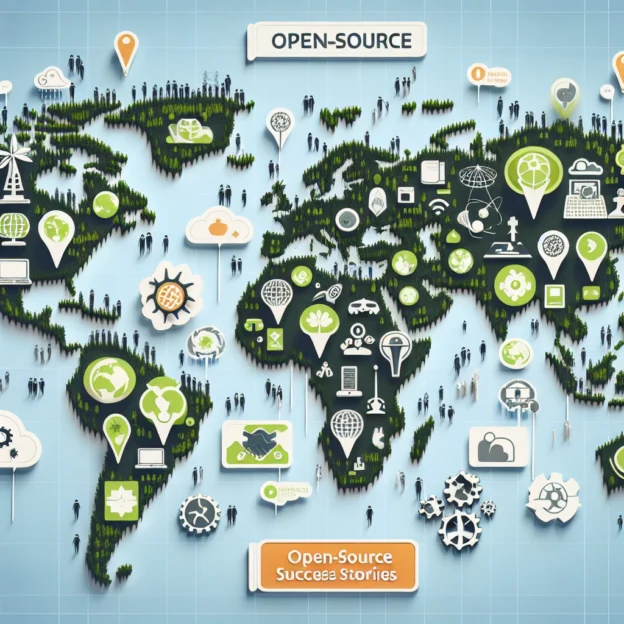
Impressive Open Source Success Stories from Around the World
Open source software has changed the landscape of technology in remarkable ways. It has emboldened communities, fostered innovation, and made powerful tools accessible to anyone with an internet connection. Let’s take a stroll through some of the most impressive open source success stories, showcasing the impact such projects and initiatives have had worldwide.
The Rise of Linux
Arguably one of the most well-known success stories in the open source world is Linux. Launched in 1991 by Linus Torvalds, Linux started as a personal project to create a free operating system kernel. Fast forward to today, and it’s hard to imagine the tech world without it. Linux powers everything from smartphones to servers, including major corporations like Google, Amazon, and Facebook. In addition, countless distributions—like Ubuntu and Red Hat—have emerged from Linux, allowing users a plethora of options tailored to their needs. The collaborative nature of this project has led to massive contributions from individuals and organizations around the globe, making it a prime example of what a community can achieve.
Mozilla Firefox
Mozilla Firefox is another shining beacon of open source success. Established in 2002, Firefox was created to offer a free and open alternative to the popular Internet Explorer browser, which was synonymous with security flaws and sluggishness at that time. The Mozilla Foundation took a brave stand against proprietary software, emphasizing user privacy and web standards. The result? A robust browser that champions user autonomy. Today, Firefox still retains a loyal following and continues to evolve with regular updates focused on user experience, security, and speed, proving that community-driven projects can thrive even in competitive markets.
Wikipedia and the Knowledge Revolution
When it comes to collaborative content, Wikipedia is truly an open-source marvel. Launched in 2001, Wikipedia democratized knowledge, allowing anyone with internet access to contribute to a vast pool of information on just about any topic imaginable. The platform’s model relies on continuous editing and improvement by volunteers, which not only ensures content accuracy but also cultivates an engaged community of contributors. Today, with millions of articles in multiple languages, Wikipedia stands as a testament to the power of collective knowledge, proving that when you open the doors for discussion and cooperation, incredible results can occur.
WordPress: Powering the Web
Do you know that around 40% of all websites on the internet are powered by WordPress? This open-source content management system, launched in 2003, evolved from a simple blogging platform into a full-fledged website builder that offers unmatched flexibility and customization. With a supporting ecosystem of plugins, themes, and a user-friendly interface, WordPress has enabled countless individuals and businesses worldwide to establish an online presence easily. It’s a community-driven project that not only empowers users but fosters a thriving economy as developers create solutions tailored to varying needs.
Apache: The Web Server that Runs the Internet
The Apache HTTP Server may not be a household name, but it’s the backbone of the internet as we know it today. First released in 1995, Apache is an open-source web server that remained the most popular web server software for over two decades, holding about 25% of the market share as of 2023. This software allows individuals and companies to host their own websites effectively, providing a reliable, scalable, and customizable solution. The Apache Software Foundation continues to nurture this project, showcasing how open collaboration can lead to monumental successes in technology.
The Impact of Open Source in Education
Aside from software, open source has also made significant impacts in education. Take the platform Moodle, for example. This free learning management system was designed to provide educators with the tools to create online courses. Since its inception, Moodle has been used by schools and institutions around the world to deliver engaging educational content, fostering interactive learning experiences. Its adaptability and community-driven development mean that instructors can utilize cutting-edge tools and methodologies tailored for their student populations.
Open source is not merely a code repository; it’s a philosophy that values collaboration, inclusivity, and transparency. The success stories creeping out of this space show that when passionate people from diverse backgrounds come together, they can create solutions that resonate far and wide. As we forge ahead in this tech-driven world, let’s encourage the continued growth of open source initiatives, knowing that each success story contributes a drop in the ocean of collective human ingenuity. With open source, the possibilities are endless, and who knows what remarkable project will come next?