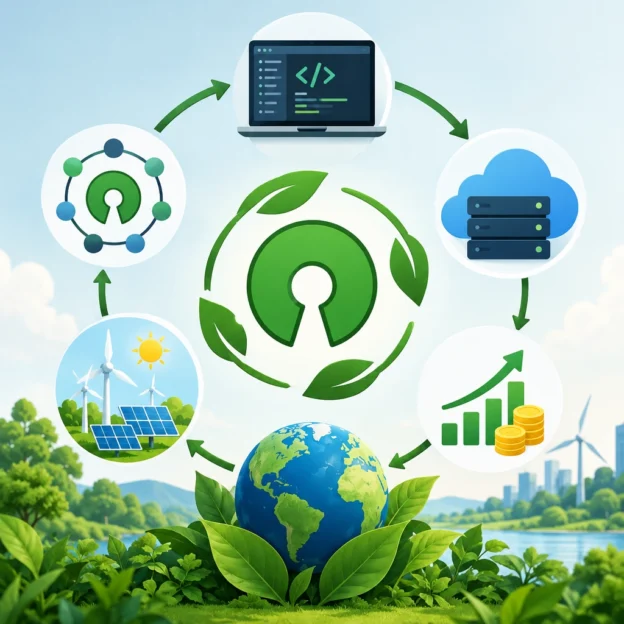
Creating a Sustainable Business Model with Open Source Software
Open source software is often described as “free,” but that doesn’t mean building it—or building a business around it—costs nothing. Projects need maintenance, support, infrastructure, and time. The real challenge is finding a model that funds that work without undermining the openness that made the software valuable in the first place.
A sustainable open source business doesn’t have to choose between impact and income. With a clear understanding of what users need and what they’re willing to pay for, it can support both.
Start with the value, not the license
A permissive or copyleft license shapes how people can use and share your software, but it doesn’t define your business model. The business question is simpler: What costly or difficult problem does your software solve?
Users may value the software itself, but they may also need help installing it, keeping it secure, adapting it to their workflow, or running it reliably at scale. These needs create opportunities to earn revenue while keeping the core project open.
For example, a tool that helps teams manage data might be freely available, while the company behind it charges for hosted service, advanced administration, or hands-on support.
Choose a revenue model that fits your users
There’s no single best way to make money with open source. The right approach depends on the product, the audience, and the resources your team can realistically provide.
Common options include:
- Hosted services: Run the software for customers and charge for convenience, reliability, backups, and maintenance.
- Paid support: Offer response-time guarantees, troubleshooting, training, or long-term maintenance.
- Open-core features: Keep the core product open source while charging for additional features aimed at larger organizations. Be transparent about what is and isn’t included.
- Consulting and implementation: Help customers customize the software, migrate data, or integrate it with existing systems.
- Sponsorships and donations: Invite individuals or companies that depend on the project to fund its ongoing development.
- Dual licensing: Offer the software under an open source license and a separate commercial license for users with different needs. This requires careful legal and licensing advice.
Many businesses combine several approaches. A company might offer a free self-hosted version, a paid cloud service, and professional support for organizations that need extra reassurance.
Make the free offering genuinely useful
Open source users are quick to notice when a project feels like a sales funnel with a thin free tier attached. If the public version is unreliable, poorly documented, or missing essential capabilities, people may lose trust—and contributors may lose interest.
A healthy free offering should solve a real problem on its own. Paid services should add value through convenience, expertise, scale, or assurance, rather than making the open version frustrating by design.
That distinction also helps explain the business to customers: they aren’t paying for permission to use open source software. They’re paying for a service or outcome that saves time, reduces risk, or makes the software easier to operate.
Treat community as part of the business
An open source community isn’t simply a pool of unpaid labor. Contributors, users, maintainers, and customers all help shape a project’s reputation and direction. A business that depends on the community should invest in it.
That means responding respectfully to issues, documenting decisions, crediting contributions, and communicating changes clearly. It also means being honest about company priorities. If commercial needs influence the roadmap, explain how and why.
A strong community can improve the software, attract new users, and build credibility. But trust takes time to earn and can be lost quickly if people feel that openness was promised only until the project became valuable.
Plan for the less visible costs
Revenue projections should include more than product development. Security updates, release engineering, documentation, community management, legal guidance, and customer support all take ongoing effort. So do the unglamorous tasks of handling invoices, hiring, and maintaining reliable infrastructure.
A useful starting point is to estimate the true cost of maintaining the project for a year, then identify which customers or services can realistically cover it. Avoid depending on a single sponsor or a handful of large customers if losing one could put the whole project at risk.
Build for the long term
A sustainable open source business aligns its incentives with the health of the project. It makes money by helping users succeed, while continuing to maintain the software that brings them in.
That balance won’t look the same for every company. But the guiding idea is consistent: keep the value of openness real, be clear about what customers are paying for, and treat the people who rely on—and contribute to—the software as partners. When those pieces fit together, open source can be more than a generous way to share code. It can be the foundation for a resilient business.