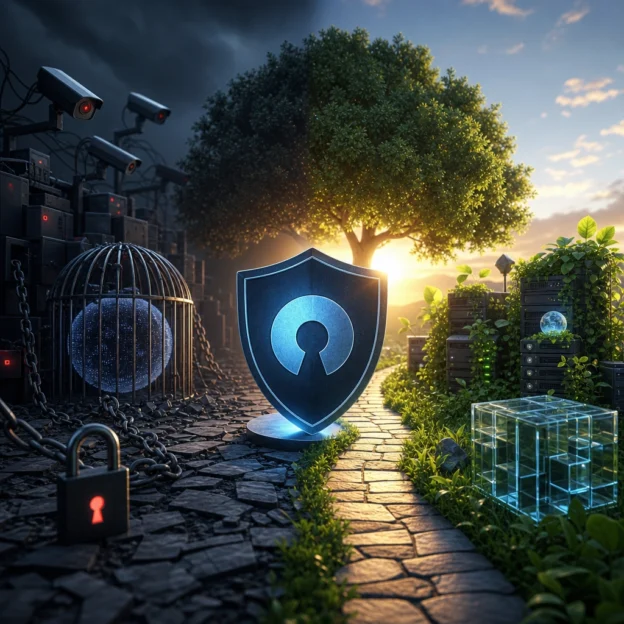
Why Software Freedom is Critical for Privacy and Security
In today’s digital age, the conversation around privacy and security has become a pressing issue, especially considering the rapid growth of technology and its integration into our daily lives. If you’ve ever wondered how much of your data is at risk from the software you use, you’re not alone. With increasing amounts of personal information shared online, it begs the question: how can we ensure our privacy and security? One of the answers to this dilemma is software freedom.
But what is software freedom? At its core, it’s the idea that users should have the ability to run, modify, and share software without restriction. This might sound a bit techy, but the implications are profound, extending beyond code and into the realm of our everyday lives. Let’s dive into why embracing software freedom is essential for our privacy and security.
The Importance of Openness
One of the biggest benefits of software freedom is transparency. Open-source software, which is a prime example of software freedom, allows anyone to see the code behind it. Imagine using a car without knowing how the engine works. That’s akin to using closed-source software; you trust that it’s safe, but you have no way of verifying it. Open-source software, on the other hand, invites scrutiny. Security experts and concerned users can inspect the code for vulnerabilities or malicious components, which is a far cry from the typical black-box approach of proprietary software.
This transparency fosters a community-driven effort to secure the software. When vulnerabilities are discovered, developers or users can quickly address these issues rather than waiting for a vendor’s timetable, which might not always align with user needs. Moreover, this collaborative model can lead to faster updates and patches, keeping everyone safer.
Control Over Your Data
When you use proprietary software, you often surrender control over your data. Your information can be sold, analyzed, or mishandled without your consent simply based on the terms of service you agreed to without reading thoroughly. Here’s where the concept of software freedom steps in: with free software, you can choose applications that do not collect your data or offer ways to self-host solutions, eliminating concerns about third-party data handling.
Take, for example, email services. Proprietary services like Gmail might provide convenience but at the price of ad-targeting and data mining. In contrast, choosing software like ProtonMail, which prioritizes privacy, is a way of regaining control over your communications. With software freedom, you’re not just a passive user; you’re an active participant in your digital security.
Preventing Monopolies and Surveillance
Increasingly, many services are dominated by a handful of big technology companies. When the majority of people rely on just a few platforms, we’re vulnerable to widespread surveillance and data breaches. Software freedom helps combat this through decentralization. When more developers create alternatives and users have the freedom to choose different options, it promotes diversity in technology and reduces the risks associated with monopoly.
Imagine a world where every app or service has a competitor continually vying for user trust. Users might choose products that prioritize ethical practices, robust security features, and real privacy protections. This competition not only benefits users but also incentivizes companies to perpetually improve their systems, proactively addressing privacy and security concerns.
Democratizing Access to Technology
Software freedom is also about accessibility. By embracing open-source projects, users from all skill levels can shape the technology they use. For instance, anyone interested in learning how to program can dig into a freely available codebase, enhancing their tech literacy. This empowerment leads to a more informed user base that can advocate for better security practices and privacy rights.
Moreover, these alternatives often exist in less wealthy or technologically advanced regions, making it possible for more people to engage with tech. Greater access can mean better security practices worldwide, as more individuals become invested in a culture of safety and privacy.
The Bigger Picture
In a world where software can collect and analyze data at an unprecedented scale, software freedom is about more than just technical specifications; it’s about ethics. It promotes a vision of technology that respects user autonomy, encourages community collaboration, and maintains a vigilant stance against misinformation and corporate overreach.
While the journey toward comprehensive software freedom won’t happen overnight, it’s essential for fostering a healthier, more secure digital ecosystem. As users become more aware of these dynamics, they can make better-informed choices about the tools they use, leading to a collective uplift in privacy and security standards. So, let’s rally around the idea of software freedom; after all, it’s not just beneficial – it’s critical for safeguarding our digital future.