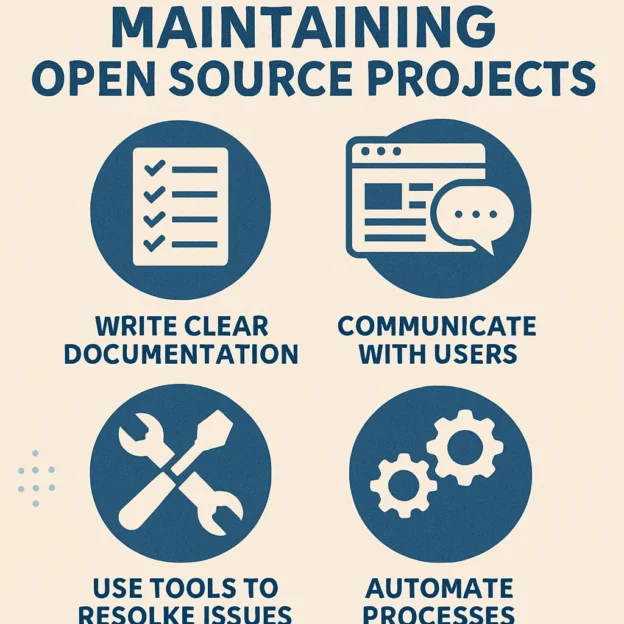
The Best Practices for Maintaining Open Source Projects
Open source projects have become a cornerstone of the tech community, fostering collaboration, innovation, and shared knowledge. Whether you’re a seasoned maintainer or just dipping your toes into the open-source waters, knowing how to maintain these projects effectively is essential for their success and growth. Here, we’ll explore some best practices that can help keep your open source project thriving.
1. Clear Documentation is Key
Documentation is the lifeblood of any software project, and it takes on even greater importance in the open-source world. Think about it—most new contributors haven’t seen your code before; they’re essentially exploring uncharted territory. A comprehensive README file that explains what your project is, how to install it, and how to contribute makes a world of difference.
Additionally, consider creating a CONTRIBUTING.md file that outlines how potential contributors can get involved, as well as coding standards and any other critical guidelines. Don’t forget to keep your documentation up-to-date as your project evolves!
2. Foster a Welcoming Community
A friendly, inclusive environment goes a long way in attracting and retaining contributors. A few key steps you can take include:
-
Be responsive. When someone opens an issue or submits a pull request, try to respond in a timely manner. Even a simple acknowledgment can make someone feel valued.
-
Encourage diverse contributions. Make it clear that all voices are welcome. This can be achieved through inclusive language, diverse representation in your examples, and active outreach to underrepresented groups.
-
Host discussions. Whether it’s through GitHub discussions, Discord, or a dedicated forum, provide a space where people can ask questions, share ideas, and give feedback. Community engagement is one of the most rewarding parts of open source!
3. Organize Issues and Resources
Keeping track of issues can become chaotic if you don’t have a solid system in place. Use labels on GitHub to help organize tasks by severity, type, or progress. This makes it easier for others to find issues they can help with, allowing for a more focused effort in development.
Moreover, consider tagging issues that are “good first issues” to help onboard newcomers. It’s a great way to give first-timers a sense of accomplishment and encourage them to contribute more.
4. Set Up a Code Review Process
A well-established code review process not only improves code quality but also fosters learning and knowledge sharing among contributors. Evaluate contributions thoroughly and constructively, offering feedback that’s actionable and encouraging. This creates an atmosphere where developers feel empowered to submit updates without fear of harsh criticism.
Leverage continuous integration (CI) tools to automate testing. This way, you can catch issues before they even reach the main branch, streamlining your workflow and maintaining project integrity.
5. Regular Updates and Releases
There’s nothing like a project that seems stagnant to discourage contributions. Regularly updating your project signals that it’s active and maintained. Schedule time for updates, bug fixes, and feature releases. Make sure to communicate these updates in a clear, transparent way—changelogs can help highlight what’s new in each release.
Don’t forget to promote your project updates on social media or relevant forums, which can attract more users and contributors!
6. Offer Mentorship Opportunities
For those looking to dive deeper into open source, mentorship can be an invaluable part of the learning process. Consider creating programs that pair experienced contributors with newcomers to guide them through their initial contributions. This not only helps the new contributors feel more comfortable but also strengthens the community as members build relationships.
7. Be Open to Feedback
Just as you’re encouraging others to contribute, be open to critiques of your project as well. Feedback on features, usability, and documentation can come from various sources, and being receptive to this helps you iterate effectively. Don’t be discouraged by constructive criticism; instead, view it as an opportunity to improve.
Maintaining an open-source project doesn’t come without its challenges. But by creating a welcoming environment, ensuring clarity in documentation, and actively engaging with your community, you can cultivate a project that not only survives but thrives.
As you implement these best practices, remember that at the core of open source is collaboration and shared learning. The journey may have its ups and downs, but with dedication and a supportive community, your project can make a significant impact in the tech world and beyond. Happy coding!