Open Source vs. Proprietary: A Deep Dive into Licensing
In today’s digital age, the software we use daily is often surrounded by discussions about its licensing. If you’ve ever clicked “Agree” to a terms of service without a second thought, you’re not alone. However, when it comes to the world of software, taking a closer look at licensing can make a significant difference in how we use and interact with technology. This brings us to the classic debate: open source vs. proprietary software. Let’s dive into what each of these terms means, their key differences, advantages, and potential drawbacks.
What is Open Source Software?
Open source software is built on the principle of collaboration and transparency. Simply put, it is software whose source code is made available to the public. This means that anyone can view, modify, and distribute the software as they wish, often subject to certain licensing agreements (like GNU General Public License).
Famous examples of open source software include the Linux operating system, the Apache HTTP server, and the Firefox web browser. The open source movement champions the idea that software should be accessible and customizable. This philosophy not only fosters innovation but also encourages a community of developers and users working together to improve the software continuously.
What is Proprietary Software?
On the flip side, proprietary software is any software for which the source code is kept secret by the developer or the company. Users acquire a license to use this software, which comes with specific restrictions. This typically means you can’t modify, share, or inspect the software’s code. Examples of proprietary software include Microsoft Windows, Adobe Photoshop, and Apple’s macOS.
Proprietary software often comes with professional support and regular updates from the developer, which can be appealing for businesses and individual users who prioritize reliability and ease of use. But this also means that, unlike open source software, users are dependent on the vendor for technical support and future enhancements.
Diving into Licensing
Key Differences
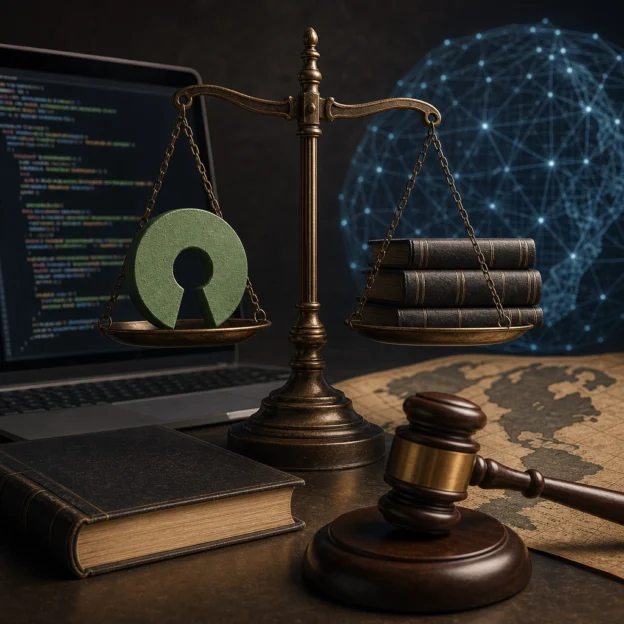
The primary difference between the two lies in the licensing. Open source licenses can vary widely but generally grant users the freedom to use, modify, and distribute the software. Some popular open source licenses include the MIT License, GPL, and Apache License. Each has specific rules about how the software can be used and shared, but they all promote collaboration.
Proprietary licenses, on the other hand, are much more restrictive. They typically limit the ways the software can be used and often include clauses that protect the company’s intellectual property. You might find phrases like "No reverse engineering" or "License is non-transferable" in these agreements, emphasizing that the user has limited rights.
Advantages of Open Source
-
Flexibility and Customization: With access to the source code, organizations can tailor software to meet their specific needs. Want a tool to perform a unique task? You can tweak or build upon existing solutions without starting from scratch.
-
Cost-Effective: Many open source options are free, which can significantly reduce software expenditure, especially for startups and small businesses.
-
Community Support: Open source software often benefits from vibrant communities of developers and users who contribute ideas, troubleshoot issues, and create documentation. This collective knowledge can be invaluable.
Drawbacks of Open Source
-
Support and Reliability: While many open source projects have extensive community support, professional assistance can be limited or non-existent. If a critical issue arises, finding a quick resolution might be challenging.
-
Integration Challenges: Sometimes, integrating open source solutions with existing proprietary systems can be tricky. Compatibility issues can lead to more time spent troubleshooting than anticipated.
Advantages of Proprietary Software
-
User-Friendly: Proprietary software is often designed with the end-user in mind, featuring polished interfaces and streamlined functionalities.
-
Reliable Support: With proprietary software, you typically have customer support available from the company, which can be a significant asset if problems arise.
Drawbacks of Proprietary Software
-
Cost: Licensing fees for proprietary software can become quite substantial over time, especially for businesses with multiple users.
-
Lack of Control: Because you’re not privy to the source code, you have limited control over software updates, features, or future direction. If a company decides to discontinue a product, you’re left with few options.
The Best of Both Worlds
As you can see, both open source and proprietary software come with their pros and cons. For some, the community-driven, flexible nature of open source software is a perfect fit. For others, the polished and supported framework of proprietary software suits their needs better.
Ultimately, your choice between open source and proprietary software should hinge on your specific requirements, the nature of your work, and your comfort level. In a world where technology continues to evolve, understanding your options can empower you to make more informed decisions that best serve your needs. As with most things in life, it all comes down to finding the right balance that works for you.