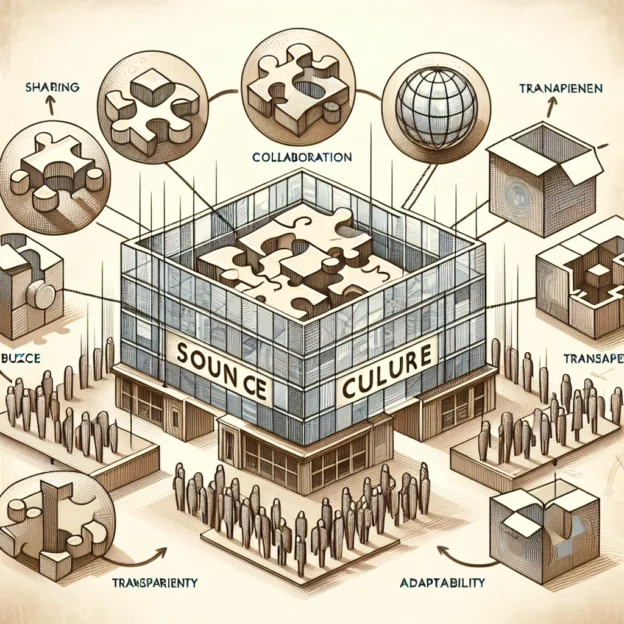
Best Practices for Developing Open Source Software

Best Practices for Developing Open Source Software

Open source software (OSS) is more than just code; it’s a philosophy that promotes collaboration, transparency, and shared learning. Whether you’re a seasoned developer or just starting out, contributing to or launching your own open source project can be an incredibly rewarding experience. However, to ensure that your project is successful, it’s essential to follow a few best practices. Let’s dig into some golden rules that can help you navigate the open source landscape effectively.

1. Choose the Right License

Before you even start coding, consider how you want others to use your software. The choice of license can greatly affect your project’s visibility and contribution. Popular licenses like MIT, Apache 2.0, and GNU GPL have different implications on how your software can be used and shared. Take the time to understand these options and choose one that aligns with your project goals. A well-defined license signalizes to potential contributors that you are serious about open collaboration.

2. Maintain a Clear Project Structure

Whether your project is large or small, a clear structure is key to attracting contributors. Follow established conventions for organizing files and directories. A good starting point includes having a README.md file that explains what your project does, how to install it, and how to contribute. Additionally, consider also including a CONTRIBUTING.md file outlining the best ways to contribute, your coding standards, and any other guidelines.

3. Write Quality Documentation

Documentation is often the difference between a project that thrives and one that fades into the background. Ensure your documentation is thorough, easy to understand, and accessible. This includes not just installation and usage guides, but also API references, examples, and tutorials. When people can easily understand how to use and contribute to your software, they’re more likely to join in. Bonus points for providing documentation in multiple languages if you expect a global audience!

4. Foster a Welcoming Community

Open source is all about community, and creating an inviting atmosphere goes a long way. Make sure to have a Code of Conduct that establishes expected behavior for all participants. Welcome newcomers and provide mentorship or guidance where possible. Consider setting up channels for communication, such as a mailing list, chat group, or forums. The more engaged your community is, the more likely your project will stand the test of time.

5. Regularly Update and Maintain Your Code

Stale projects can discourage contributions and lead to loss of interest. Be proactive in addressing issues, merging pull requests, and releasing updates. This not only keeps your project fresh and functional but also demonstrates that you are committed to its growth. Utilize version control (like Git) effectively to help manage your code and encourage collaboration. Regular releases can also build anticipation and interest in your project.

6. Test, Test, and Test Some More

Robust testing practices should be integral to your development process. Writing tests for your code not only ensures that it works as intended but also provides a safety net as you introduce new features or changes. Adopt automated testing where possible to streamline this process. Additionally, consider using continuous integration/continuous deployment (CI/CD) tools to help automate these tests, making it easier to maintain code quality over time.

7. Engage with Feedback

Feedback – whether it’s solicited or spontaneous – is valuable for any open source project. Interact with users and contributors, and be open to suggestions and constructive criticism. This engagement can lead to improvements you might not have considered. Create an issue tracker to manage creative suggestions and bugs effectively, and encourage users to submit their thoughts and experiences.

8. Promote Your Project

Lastly, don’t be shy about promotion! Share your project on social media, relevant forums, and platforms like GitHub. Join communities that might benefit from your software and engage in discussions. Blogging about your project, writing tutorials, or creating screencasts can also enhance visibility. The more you promote your project, the more likely it is that others will take notice and want to be part of your vision.

As you embark on your open source journey, remember that the essence of it is about collaboration and shared growth. By adhering to these best practices, you not only enrich your work but also contribute positively to the broader community. Open source can be an incredible learning experience, and who knows? Your project might just be the next big thing that inspires others to contribute their brilliance to the cause. Happy coding!

The Future of Business Software: Incorporating Open Source Solutions

The Future of Business Software: Incorporating Open Source Solutions

In today’s fast-paced digital landscape, businesses are always on the lookout for ways to increase efficiency, cut costs, and stay at the forefront of innovation. One trend that’s gaining significant traction is the shift toward open source software solutions. It’s already reshaping the tech industry, but how could it influence the future of business software? Let’s delve in!

What Exactly Is Open Source Software?

In simple terms, open source software is computer software with source code that anyone can inspect, modify, and enhance. This is different from proprietary software, where the source code is kept secret and only the developers have the ability to modify it. Think of it as a collaborative project where anyone can contribute to the improvements and capabilities of the software.

Examples of popular open source software include Linux, Apache HTTP Server, and CMS platforms like WordPress. But what makes these solutions so appealing to businesses?

Cost-Effectiveness

One of the most attractive aspects of open source solutions is their potential to save money. Licensing fees for proprietary software can add up quickly, especially for large organizations. Open source software, on the other hand, often comes with little to no licensing fees, allowing companies to allocate their resources more strategically.

Imagine a growing startup that needs to manage its finances, customer relationships, and project management. By using open source tools for these functions, they can dramatically lower their software expenses, freeing up funds for product development or marketing.

Customization at Your Fingertips

Every business has unique needs, and this is where open source excels. Since the source code is available for modification, businesses can tailor open source software to fit their specific requirements. This flexibility is a stark contrast to the one-size-fits-all approach of many proprietary solutions.

Let’s say a retail company needs a software tool that integrates with various payment gateways. With open source software, their development team can make tweaks and adjustments that ensure a perfect fit, rather than being stuck with a product that almost meets their needs.

A Collaborative Community

When you choose open source, you’re not just getting software; you’re joining a global community. This community of developers and users collaborate to improve the software, providing a wealth of knowledge and rapport. If a company encounters a challenge while implementing an open source tool, there’s often an online forum or community ready to help. This can be a game-changer when it comes to troubleshooting or seeking advice on best practices.

Furthermore, regular updates and patches from the community mean businesses can stay up to date with the latest features and security measures without being at the mercy of a proprietary vendor’s timeline.

Security and Transparency

While many may have a perception that open source software is less secure, the reality paints a different picture. Since the source code is publicly available, any weaknesses are typically identified and addressed more swiftly compared to proprietary systems that keep their code under wraps.

Open source solutions are often vetted by numerous developers, which leads to continuous improvement and rapid response to vulnerabilities. The transparency inherent to open source software means companies can conduct their own security audits rather than relying solely on a vendor’s assurances.

Scalability for the Future

As businesses evolve, so do their software needs. Open source solutions are typically designed to scale, making them ideal for growing companies. Whether a business is expanding its team or increasing its customer base, open source software can adapt, often with just a few tweaks.

This scalability can help businesses transition smoothly, eliminating the headaches and unexpected costs that often accompany software migrations to accommodate growth.

Becoming Part of a Movement

By incorporating open source solutions, businesses are not only enhancing their operations but also becoming part of a broader movement toward transparency, community, and innovation. They join a diverse network of organizations that prioritize collaboration over competition, sharing knowledge and solutions for the greater good.

As we look ahead, the integration of open source solutions in business software seems almost inevitable. The combination of cost-effectiveness, customization, community collaboration, and security is too compelling to ignore.

The question isn’t whether open source will play a role in the future of business software; it’s how quickly companies will adopt and adapt to these innovative tools. So why not consider taking the plunge? The open source community awaits!

Success Stories: Companies That Leveraged Open Source for Growth

Success Stories: Companies That Leveraged Open Source for Growth

In the dynamic landscape of technology today, many companies are stepping away from the age-old models of proprietary software. They’re embracing open source as a way to innovate, reduce costs, and foster a collaborative atmosphere. In this blog post, we’ll dive into some notable success stories of companies that have leveraged open source not just to survive but thrive!

Red Hat: Champion of Open Source

When you think of open-source success stories, Red Hat often takes center stage. This North Carolina-based company has made a name for itself as a leading provider of open source software solutions, particularly in the realm of enterprise Linux. By offering products like Red Hat Enterprise Linux alongside support and training, they’ve packaged open source in a way that appeals to businesses looking for reliable solutions without sacrificing the flexibility inherent to open source.

Red Hat’s growth has been remarkable. From its humble beginnings in the 1990s, it went public in 1999 and continued to grow by acquiring other firms and expanding its offerings. In 2019, IBM acquired Red Hat for $34 billion—a testament to how far open source has come in mainstream business.

Spotify: Music for the People

When you hear "open source," you might not immediately think of Spotify. However, this music streaming giant utilizes open-source software extensively to manage its vast collection of tracks and data. By building on open-source technologies like Apache Cassandra for scalable storage and Kubernetes for orchestration, Spotify has been able to efficiently serve millions of users around the globe.

One of Spotify’s notable contributions to the open-source community is Luigi, a Python-based tool that helps manage and automate complex data workflows. By supporting the open-source ecosystem, Spotify not only reaps the benefits of enhanced flexibility and scalability but also positions itself as a thought leader in the tech community.

Mozilla: The Open Web Pioneer

Mozilla is a well-known advocate for an open internet, primarily through its development of the Firefox web browser. The organization operates on the belief that the web should be a global public resource—a belief supported by its commitment to open-source technologies. By promoting an open-source model, Mozilla has fostered a sense of community around its products, encouraging developers worldwide to contribute to Firefox’s features and improvements.

Through its open-source approach, Mozilla has managed to build a browser that not only competes with giants like Chrome but also places a strong emphasis on privacy and user rights—values that resonate with many modern internet users. The success of Firefox showcases how commitment to open-source principles can create a loyal user base and set a company apart in a crowded market.

Docker: Containerization Revolution

In the realm of software development, Docker has made a significant impact by revolutionizing how applications are built, shipped, and run. By providing a platform for developers to containerize their applications, Docker has allowed for greater consistency, efficiency, and portability. The company started with open-source tools and quickly became a cornerstone of modern DevOps practices.

Docker’s open-source core has led to an ecosystem of related tools that enhance its functionality further, from orchestration with Kubernetes to managing container workloads. By embracing the open-source model, Docker fostered a community of developers who not only consumed its products but also actively contributed to their evolution. This community-driven growth has led to Docker becoming synonymous with containerization and positioning it as a standard in software delivery.

WhatsApp: Growth Through Simple APIs

WhatsApp, now part of Meta Platforms Inc., owes a part of its massive growth to its use of open-source technologies. Early on, WhatsApp capitalized on Erlang—a programming language known for running concurrent systems easily and reliably. By harnessing this technology, WhatsApp achieved unparalleled scalability, allowing it to handle an explosion of users without significant downtime.

WhatsApp also utilizes many open-source libraries to enhance functionality, making their development process faster and more efficient. This model has enabled them to provide a reliable messaging service to billions of users around the globe. Their story illustrates how leveraging open-source innovation can lead to rapid expansion and a market-leading position.

As we can see, open source is more than just a buzzword; it’s a revolutionary approach allowing businesses to adapt, innovate, and grow. Companies like Red Hat, Spotify, Mozilla, Docker, and WhatsApp have successfully harnessed the power of open-source technologies to scale their operations and build communities around their products. Their stories exemplify the potential that open source holds—not just for tech giants but also for agile startups looking to make their mark. As the world increasingly turns to open source, we can expect to see even more innovative solutions emerge, making technology more accessible and collaborative than ever before.

Top Open Source Tools for Every Software Development Team

Top Open Source Tools for Every Software Development Team

In the ever-evolving world of software development, possessing the right tools can make all the difference in the success and efficiency of your team. Open source tools not only provide cost-effective solutions, but they also offer flexibility, community support, and a chance to contribute to the future of technology. Below are some of the top open source tools that every software development team should consider adding to their toolkit.

1. Git

Starting with the basics, Git is arguably the cornerstone of modern software development. This distributed version control system allows multiple developers to work on the same project without stepping on each other’s toes. With features like branching and merging, Git enables teams to experiment freely, make changes confidently, and maintain a clear history of their project evolution. Popular platforms like GitHub and GitLab enhance Git’s capabilities by adding collaboration features and project management tools, making it an essential ally in your development journey.

2. Jenkins

Continuous integration/continuous deployment (CI/CD) is crucial for efficient software development, and Jenkins plays a starring role in this arena. As an automation server, Jenkins allows teams to set up automated builds and tests for their code. It supports hundreds of plugins, meaning you can tailor it to fit your specific needs. The more you automate, the more time your team can spend on writing quality code instead of getting bogged down in repetitive tasks—sounds like a win-win!

3. Docker

When it comes to containerization, Docker has become the go-to tool for developers. By encapsulating your applications and their dependencies into portable containers, Docker makes it easier for developers to create, deploy, and run applications in different environments, ensuring consistency and reliability. Plus, with Docker, developers can avoid the "it works on my machine" syndrome, making collaboration smoother than ever.

4. VS Code

Visual Studio Code, or VS Code as it’s affectionately referred to, has become a favorite among developers. This free, open-source code editor boasts a plethora of extensions, themes, and integrations that cater to various programming languages and frameworks. Its user-friendly interface, coupled with powerful features like IntelliSense and debugging, allows developers to code more efficiently. The vibrant community around VS Code also ensures that there’s always a new tool or feature on the horizon to enhance productivity.

5. Prometheus

In an age where application performance and reliability are paramount, Prometheus is a monitoring tool that should be high on every developer’s radar. Open source and built specifically for cloud-native environments, Prometheus provides powerful features like time-series data storage and high-dimensional data querying. It enables teams to gain insights into application performance, track metrics in real-time, and set alerts—all key components for maintaining a responsive application.

6. Selenium

For teams focused on quality assurance and automation testing, Selenium is a powerful open-source tool that automates web browsers. Whether you’re conducting functional tests, regression tests, or load tests, Selenium allows you to write tests in various programming languages, making it versatile for many projects. With support for multiple browsers and platforms, it’s a fantastic resource for ensuring your applications run smoothly and consistently.

7. Kubernetes

Managing containers can be a complex task, but Kubernetes is here to simplify the process. This container orchestration platform allows you to automate the deployment, scaling, and management of containerized applications. With Kubernetes, you can efficiently control clusters of hosts running Linux containers, maintaining high availability and optimizing resource usage. The ability to scale your application up or down based on demand is invaluable in today’s dynamic software landscape.

8. Terraform

Infrastructure as code is becoming more mainstream, and Terraform is one of the leaders in this space. It allows teams to manage infrastructure through code, fostering collaboration and increasing efficiency. With Terraform, you can provision and manage any cloud infrastructure—be it AWS, GCP, Azure, or others—ensuring consistency across deployments and reducing the risk of human error.

9. Ansible

If you’ve got repeated configuration tasks nagging at you, Ansible is the tool for the job. As a simple yet powerful automation tool, it allows teams to automate system configurations, application deployments, and even orchestrate complex multi-tier deployments. Its straightforward YAML syntax makes it easy to read and write, making automation more accessible to teams of all skill levels.

Embracing Open Source

The versatility and collaborative nature of open source tools have transformed the software development landscape. As your development team explores these tools, consider how they might integrate into your existing workflows. The collaborative spirit of open source not only fosters innovation but also creates a thriving community of developers sharing their knowledge and expertise. Embrace these tools, contribute where you can, and watch as your development processes evolve, becoming more streamlined, efficient, and impactful.

In today’s fast-paced digital world, finding the right combination of tools and technologies can empower your team to create better software— and open source tools can be your best allies on this journey. Happy coding!

The Intersection of Open Source Software and Ethical Business Practices

The Intersection of Open Source Software and Ethical Business Practices

In today’s digital world, where the software runs almost everything from our smart fridges to the most sophisticated financial systems, the principles of open source software (OSS) and ethical business practices are more crucial than ever. At first glance, these two concepts might seem separate, or even at odds, but dive deeper, and you’ll see how they intersect in fascinating ways that can shape the future of technology and business.

The Beauty of Open Source

Open source software is characterized by its public accessibility; anyone can view, modify, or distribute the source code. This innovative approach allows for greater collaboration, quicker iteration, and a more extensive pool of ideas. Imagine building a house with a community of builders, each contributing their unique skills and materials. Open source is much like that—it harnesses the power of communal knowledge and collective effort.

Furthermore, OSS can be incredibly cost-effective. Companies can adopt high-quality software without hefty licensing fees, which is especially beneficial for startups and non-profits. Projects like Linux, Apache, and Kubernetes demonstrate how collaborative coding can lead to powerful, scalable solutions that drive the tech industry forward.

Ethical Business: A Growing Necessity

As we navigate through an increasingly digital landscape, ethical business practices are no longer just a nice-to-have—they’re essential. Consumers are more aware than ever of corporate responsibility. They want to support companies that align with their values and practice transparency. This shift means businesses have to pay attention to their ethical stance, not just in their treatment of workers and their environmental impact, but also in how they create and distribute software.

Ethical business practices emphasize fairness, honesty, and integrity. When companies adopt these principles, they attract loyal customers, foster a positive work environment, and contribute to a healthier society. The link between open source and ethical business practices isn’t just theoretical; they complement and enhance each other in helpful, tangible ways.

How OSS Promotes Ethical Business Practices

  1. Transparency: At its core, open source embodies transparency. When businesses use or contribute to OSS, they are engaging in a clear, open conversation with their users. This transparency builds trust. If customers understand how the software works, what data it collects, and how their information is being used, they feel more secure.

  2. Collaboration: OSS fosters a spirit of collaboration. Businesses that embrace open source often work together with other organizations, developers, and even communities. This collaboration can lead to better software that benefits everyone. When companies share knowledge rather than hoard it, they create an ecosystem where everyone can thrive.

  3. Diversity and Inclusion: Open source communities are often more inclusive than traditional software development environments. By welcoming diverse voices and encouraging participation from anyone willing to contribute, these projects often produce software that resonates with a broader audience. Companies that align themselves with OSS often embrace these values, promoting diversity and inclusivity within their teams.

  4. Social Impact: Many open source projects are developed for the greater good, from humanitarian efforts to educational tools. Companies that support or contribute to these projects can be part of something larger than themselves, enhancing their reputation while also making a positive impact.

  5. Accountability: With open source, there’s a sort of built-in accountability. If a flaw or vulnerability arises, the entire community can address it, fixing it faster and more efficiently than in a closed-source model. This rapid response helps ensure software remains secure and reliable, which greatly serves the interests of users and businesses alike.

The Challenges Ahead

Despite the many benefits that come from this intersection of open source software and ethical business practices, challenges still loom large. Companies often worry about proprietary technology and whether they can remain competitive while sharing their code. There’s also the concern of how to monetize open-source products without compromising ideals of sharing and collaboration.

However, innovative business models are emerging, focusing on services rather than solely on products. Support, training, and additional features offer viable ways for companies to sustain themselves while still adhering to ethical norms.

Moving Forward

In a world increasingly defined by technology, it is imperative for businesses to embrace open source software along with ethical practices. These approaches not only lead to greater innovation but can also improve a company’s reputation and strengthen customer relationships. As organizations navigate this transformation, they’ll find that the concepts of open source and ethics are not just about software and business—they represent a vision for a more equitable, collaborative future.

Open source is a powerful tool that can spark change not just within tech, but within the whole business landscape. By championing transparency, collaboration, and accountability, we can all contribute to a more ethical and equitable digital world.

How Open Source Software Fosters Creativity and Innovation

How Open Source Software Fosters Creativity and Innovation

In today’s tech-centric world, the term “open source” often floats around conversations about software development, coding, and innovation. But what exactly does it mean, and why does it matter? Open source software (OSS) refers to programs whose source code is available for anyone to view, modify, and distribute. This model lays the groundwork for a collaborative environment that not only encourages creativity but also accelerates innovation.

The Power of Collaboration

One of the core principles of open source software is collaboration. When developers from various backgrounds and skill levels come together to work on a project, the results often exceed what any single developer could achieve on their own. Imagine a diverse team, with different perspectives and approaches, each contributing unique ideas and solutions. This mingling of creativity creates a breeding ground for innovative ideas.

Take Linux, for example. The open-source operating system went from a single developer’s project to powering countless servers and devices worldwide. This massive evolution is primarily due to contributors from across the globe, each adding their expertise to enhance the core framework. This open collaboration enables quicker problem-solving and the emergence of unique features that may not have been envisioned when the project started.

Encouraging Experimentation

Another key aspect of OSS is the freedom to experiment. In a proprietary software environment, the fear of breaking something, getting fired, or facing legal consequences often stifles creativity. Open source, however, turns that narrative on its head. Since the code is accessible, developers can tinker, play, and explore without the barriers typically associated with commercial software.

For instance, if a developer has a wild idea for a new functionality in an open-source software, they can dive right in. They can modify the code, test it live, and see how it performs. If it fails, there are no reprimands—only learning opportunities. This culture of experimentation nurtures a spirit of ingenuity where innovation flourishes, ultimately leading to the rapid evolution of the software itself.

Knowledge Sharing and Learning

Open source software is not just a platform; it’s a community that thrives on sharing knowledge. With comprehensive documentation and active forums, users can learn from one another as they add their own flair to existing projects. This treasure trove of resources allows newcomers to gain insights from seasoned developers, broadening their skills and enhancing their technical abilities.

Imagine a young coder who stumbles upon an open-source project they’re passionate about. They dive into the community, ask questions, and receive feedback which they might never have accessed in a restrictive corporate environment. This exchange fosters a mindset of continual learning, which is vital for creativity and innovation. When developers actively engage in open discussions, they can bounce ideas off each other, refining thoughts that could lead to groundbreaking solutions.

Diverse Perspectives Drive Unique Solutions

Diversity in software development is not just a lofty goal—it’s essential for innovation. Open source projects often attract contributors from different cultures and backgrounds, each offering unique perspectives that can lead to out-of-the-box thinking. This diversity can enhance software usability, making it accessible and appealing to a broader audience.

An example of this is the translation and localization efforts within the open-source community. By being responsive to different languages and cultural nuances, open source projects can evolve continually, adapting to various user needs. This drive toward inclusivity boosts user experience, creating software that resonates with a wider audience, ultimately leading to more impactful solutions.

Sustainability and Long-Term Growth

Open source software promotes sustainability by enabling ongoing contributions to projects rather than relying on limited resources or corporate priorities. When a community actively supports software, it can endure changes in leadership, funding, or company direction. This longevity fosters innovative developments as the foundation of the project becomes robust and adaptable.

Additionally, companies often leverage OSS for their own products, contributing back to the original projects, which perpetuates the cycle of innovation. For example, tech giants like Google and Facebook contribute to numerous open-source initiatives while utilizing them within their infrastructures. This symbiosis fuels creativity and enhances the entire ecosystem.

Open source software isn’t just a critical tool for developers; it’s a movement that champions creativity and innovation on a global scale. By breaking down barriers and encouraging collaboration, experimentation, and knowledge sharing, the open-source model has created a fertile ground for fresh ideas to blossom. As more developers and companies recognize the power of open source, we can expect to see even more inventive solutions emerging for the challenges we face today and in the future. Ultimately, the open-source philosophy reminds us that when we work together, our creativity knows no bounds.

Marketing Your Open Source Software: Tips and Tricks

Marketing Your Open Source Software: Tips and Tricks

In the crowded tech landscape, there’s a lot of buzz around open-source software. With its collaborative ethos and community-driven development, creating open-source software is an incredible journey. However, just because you’ve developed something amazing, doesn’t mean it will get noticed. Marketing your open-source project effectively is crucial to attract users, contributors, and maybe even sponsors. Whether you’re a passionate coder or a developer with a vision, let’s explore some tips and tricks to help your open-source software shine!

Understanding Your Audience

The first step to marketing your open-source software is to define your audience. Who are you trying to reach? Is it individual developers, startups, or large enterprises? Understanding your audience will help you tailor your messaging and outreach efforts. Conduct some market research, engage with potential users, and learn about their needs, challenges, and motivations. By knowing your audience, you can create content that resonates with them.

Create a Compelling Value Proposition

What makes your project unique or better than existing solutions? Your value proposition is critical. Highlight the benefits of using your software. Is it faster, more secure, or easier to implement? Make sure to clearly articulate why someone should choose your software over others. Craft impactful messaging that explains these benefits and showcases the value users will get.

Build a Strong Online Presence

In today’s digital age, having a presence online is essential. Start by establishing a clean and professional website for your project. This doesn’t have to be complex, but it should provide essential information like installation guides, documentation, FAQs, and a clear description of what your software does. Engage with a wider audience by utilizing social media platforms like Twitter, GitHub, Reddit, and even LinkedIn. Share updates, engage in conversations, and don’t hesitate to ask for feedback or contributions.

Documentation is Key

Good documentation can make or break your open-source project. Users need to understand how to use your software without needing to dive into the code right away. Invest time in creating clear and comprehensive documentation that explains how to install, configure, and use your software. Consider adding examples and tutorials to help users get started. Remember, if users can’t figure out your software, they will likely move on to something else.

Engage the Community

Open source thrives on community. Engage with your audience and build a community around your project. This could mean responding to issues and pull requests, hosting virtual meetups, or creating discussion forums. Often, contributors will bring fresh ideas and improvements. Encourage collaboration and make users feel valued.

Leverage Social Proof

People are more likely to pick up your project if they see that others are using it too! Collect testimonials, case studies, or success stories from users who have benefited from your software. Promoting these stories on your website and social media will help build credibility and trust in your software. Remember, everyone loves a success story!

Content Marketing and Blogging

Creating a blog is an excellent way to share knowledge, updates, and tips about your software. This can also improve your search engine visibility, bringing in organic traffic as people search for solutions related to your project. Writing about common challenges, new features, or tutorials not only helps your current users but also attracts potential users to your website. You can also consider guest blogginging on tech sites to expand your reach.

Attend Meetups and Conferences

Another powerful way to market your open-source software is to connect face-to-face with potential users and contributors. Attend technology meetups, and conferences, or even host your own webinars. Networking in person allows for memorable experiences and the chance to showcase your software in a more authentic setting. You can also consider giving talks or workshops about your project to demonstrate its capabilities to a captivated audience.

Open Up to Feedback

Feedback is incredibly valuable. Invite users to share their thoughts and experiences with your software. This not only helps improve your product but also creates a sense of community. Listening to your users shows that you value their input and are genuinely interested in making the software better.

Stay Persistent

Marketing your open-source software might take time, and results will not always be immediate. Stay persistent, keep engaging with your audience, and continually refine your strategies based on what works and what doesn’t.

In the end, marketing your open-source software isn’t just about getting downloads; it’s about building a thriving community around your project. It’s about connecting with users and contributors, sharing your passion, and collaboratively making something extraordinary together. So roll up your sleeves, engage, and watch your project grow!

Exploring the Open Source Movement: A Beginner’s Guide

Exploring the Open Source Movement: A Beginner’s Guide

The term "open source" has been buzzing around the tech world for quite some time now. You might have heard it mentioned in conversations about software, or perhaps you’ve stumbled upon it while browsing GitHub. But what does it really mean? And more importantly, why should you care about it? Let’s dive into the open source movement and explore its significance, philosophy, and potential for anyone—tech-savvy or not.

What is Open Source?

At its core, open source refers to software whose source code is freely available for anyone to inspect, modify, and distribute. Unlike proprietary software, where the source code is kept under lock and key, open source software encourages collaboration and sharing. This means if you’re a savvy programmer, you can tweak the code to suit your needs. If you’re not, you still get the benefit of access to a vast library of tools that can be used without hefty fees.

The Philosophy Behind It

The open source movement isn’t just about software; it embodies a philosophy of transparency, community, and collaboration. Think of it as a massive potluck dinner where everyone brings a dish to share. Some bring their culinary expertise to spice things up, while others gather recipes and ideas, contributing to a communal feast of knowledge that benefits everyone.

This philosophy also fosters innovation. Open source projects thrive on the contributions from diverse individuals, each bringing their unique perspective. Many groundbreaking technologies—like the Linux operating system, Apache web server, and the popular programming language Python—are products of collaborative open source efforts. By allowing developers to work together, open source fixes bugs faster, enhances features more efficiently, and can respond quickly to evolving technology needs.

Popular Open Source Projects

There’s a whole world of open source projects out there, some of which you might be familiar with! Here are a few giants that have left a significant mark:

  1. Linux: This is perhaps the crown jewel of the open source movement. An operating system that powers everything from your smartphone to the servers behind your favorite websites.

  2. Mozilla Firefox: A user-friendly alternative to other web browsers, Firefox values user privacy and champions open internet standards.

  3. WordPress: If you’ve ever created a blog or website, you’ve likely encountered WordPress. It’s free, highly customizable, and has a bustling community that continuously enhances its functionality.

  4. GIMP: This is an open-source alternative to Photoshop. While it may take a little getting used to, GIMP is packed with powerful image editing capabilities.

  5. Apache OpenOffice: A fantastic alternative to Microsoft Office, this suite supports document creation and editing, allowing users to work with word processing, spreadsheets, presentations, and more.

Getting Involved

So, you’re intrigued! How can you start exploring the open source movement? The first step is to dive into the world of open source software. Begin by experimenting with popular open source applications—there are endless options across numerous categories.

If you’re feeling adventurous and have a knack for coding, consider contributing to a project. Whether it’s fixing bugs, enhancing features, or updating documentation, every contribution counts. Websites like GitHub or GitLab host countless open source projects looking for contributors. Many projects also have specific guidelines for new contributors, making it easy for beginners to join in.

Not a developer? No problem! You can contribute in other ways. Many projects need help with writing, design, or even community management. Just do a little research, find a project you’re passionate about, and reach out!

Understanding the Impact

The open source movement isn’t limited to techies—it’s reshaping industries and communities. By embracing open source practices, companies can cut costs and stimulate innovation. Governments are adopting open source software to promote transparency, security, and accountability. Educators are using open source materials to provide free resources, leveling the playing field for students across socioeconomic backgrounds.

The beauty of the open source movement lies in its potential to empower individuals and communities alike. It’s a reminder that by sharing knowledge, we can collectively build something greater than ourselves. Whether you’re diving into software development or simply enjoying the free tools made available by this vibrant community, you’re part of a thrilling trend that continually reshapes how we interact with technology.

Open source isn’t just a technological phenomenon; it’s a cultural mindset that encourages inclusivity, collaboration, and innovation. And as we continue to explore this expansive world, the possibilities are limitless.

Key Considerations for Transitioning to Open Source Software

Key Considerations for Transitioning to Open Source Software

Open source software (OSS) is becoming an increasingly appealing option for businesses, organizations, and even personal users looking to harness the power of collaboration, flexibility, and cost-effectiveness. With its growing popularity, many are contemplating switching from proprietary software to open source alternatives. But like any significant transition, the shift to open source is not without its complexities. Let’s explore some key considerations to help guide your decision-making process.

Understanding Open Source

Before diving into the transition, it’s essential to grasp what open source means. In simple terms, open source software is software that has its source code made available to anyone. This transparency enables users to study, modify, and distribute the software under certain licensing terms. Not only does this foster a rich environment of collaboration and innovation, but it also allows for greater customization to meet individual or organizational needs.

Assessing Your Current Needs

Have a thorough understanding of what your organization’s current needs are. Identify the main functionalities of your proprietary software and analyze what you rely on the most. Is it the customer relationship management system? Content management? Security features? Jotting down these requirements will act as your roadmap for evaluating suitable open source alternatives.

Cost Considerations

While one of the primary attractions of OSS is its zero licensing fees, the transition is not entirely cost-free. Depending on your team’s technical expertise, you might incur expenses related to training, support, or even hiring new talent familiar with open source environments. Consider the total cost of ownership; while the initial expense may be low, maintenance, updates, and troubleshooting can add up over time.

Community Support vs. Professional Support

One of the beauties of OSS lies in the community surrounding it. Many open source projects thrive due to enthusiastic users and developers who contribute to forums and offer informal support. However, just as importantly, some organizations may prefer the assurance of professional support—especially when the software is mission-critical. Weigh your options: would you be comfortable relying on community support, or do you feel more secure with a subscription-based service that offers dedicated support?

Security and Compliance

Security is often a concern with any software, but open source software can sometimes get a bad rap. The reality is that OSS can be incredibly secure, but you must conduct due diligence. Make sure to:

  • Choose widely used and actively maintained projects.
  • Assess the track record of the project when it comes to patches and updates.
  • Understand the compliance issues with your current regulations (like GDPR, HIPAA, etc.), as you’d need to ensure that the OSS can meet those requirements.

Customization and Development

With open-source software, you have the luxury of customization, which is one of its most appealing features. However, that also implies that your team must possess the skills needed to tailor the software to your specific needs. Evaluate whether you have the in-house skills or whether you’ll need to hire external developers. Sometimes, the freedom to tweak can become a double-edged sword, resulting in additional workloads and potentially derailing projects if not managed effectively.

Training and Change Management

Transitioning to OSS means your teams will likely require training to adapt to new tools and platforms. This process can be overwhelming—especially if users are accustomed to the specific nuances of proprietary software. Create a detailed change management plan that includes training sessions, resource availability, and ongoing support to ease the transition and increase user engagement.

Evaluate and Iterate

Finally, always keep an eye on the evolution of your OSS environment. It’s essential to regularly assess the tools you’ve integrated into your workflow. Open-source projects can change rapidly, so staying updated on the latest releases, features, and community sentiments can significantly impact your user experience and system performance.

In the end, transitioning to open source software can be a rewarding endeavor if done mindfully. By focusing on these key considerations, you can strategically navigate the transition and set your organization up for success. The heart of open source lies in collaboration, innovation, and flexibility—elements that can greatly enhance your work processes when approached correctly. Embrace the journey, and you may find that the open-source path leads to capabilities and creativity you never thought possible.

Benefits of Integrating Open Source Software into Your IT Infrastructure

The Benefits of Integrating Open Source Software into Your IT Infrastructure

In the ever-evolving world of technology, businesses are constantly searching for ways to optimize their operations, enhance security, and reduce costs. One powerful solution that has gained traction in recent years is open source software (OSS). While many may associate open source with “free” software, there’s much more to it than just no-cost licensing. Integrating open source solutions into your IT infrastructure can bring a slew of advantages that go beyond saving a few bucks. So, let’s dive into the benefits of embracing open source software!

Cost-Effectiveness

First and foremost, let’s talk about the elephant in the room: cost. Open source software typically comes with lower upfront expenses than proprietary software. Many open source tools are available for free, which allows companies to allocate their budgets to other essential areas—like hiring great talent or investing in innovative technologies. While there are often costs associated with support, maintenance, and customization, these are usually still lower compared to the licensing fees tied to proprietary options.

Flexibility and Customization

Every business has unique needs, and chances are, their software should reflect that. Open source solutions afford you the flexibility to modify the code to fit your specific requirements. Want to add a feature, tweak the interface, or integrate with other tools? Go ahead! You have the freedom to customize the software to your heart’s content. This adaptability means that your IT infrastructure can evolve alongside your business without being constrained by a vendor’s roadmap.

Community Support and Collaboration

One of the key strengths of open source software is the vibrant community surrounding it. Think of it as having a global panel of experts ready to lend a hand. Developers, users, and companies collaborate to enhance the software, troubleshoot issues, and share tips and tricks. With open source, you’re not just adopting a tool; you’re joining a community of like-minded individuals who are passionate about making the software better. This can be a game-changer when it comes to problem-solving or learning best practices.

Enhanced Security

You might think that with open source software being so widely shared, it’d be a security risk. In reality, the opposite can be true. With publicly available code, security vulnerabilities are often spotted and patched much more quickly than with proprietary software, which might have a limited number of developers scrutinizing it. Plus, since users have access to the source code, they can conduct their own security audits and ensure that their version is tight and secure. More eyes on the code generally means more robust security.

No Vendor Lock-In

Vendor lock-in can be a cause for significant concern for companies using proprietary software. It’s the dreaded scenario where you feel trapped because migrating away from a particular vendor’s product is too cost-prohibitive or complex. Open source software alleviates this burden. Since you have access to the source code, switching to another solution becomes a much smoother process if you ever decide to go that route. Your organization retains control over its technology stack, letting you pivot without major obstacles.

Interoperability and Integration

In a world where multiple software solutions need to talk to each other seamlessly, open source software often shines. Many OSS products are designed with integration in mind, making it easier to connect various components of your IT infrastructure. Whether you’re integrating with cloud services, data analytics tools, or your existing proprietary software, open source solutions often facilitate smoother interoperability, saving you time and headaches.

Encouraging Innovation

Finally, let’s consider the innovation factor. Open source software is often at the forefront of technological advancements and trends. Many cutting-edge technologies, like artificial intelligence and machine learning, have strong open source communities pushing the boundaries of what’s possible. By incorporating open source solutions into your IT infrastructure, you’re more likely to stay updated with the latest tools and practices in the industry, ultimately helping your business remain competitive.

In the grand scheme of things, integrating open source software into your IT infrastructure doesn’t just provide immediate benefits like cost savings and flexibility; it also positions your organization for future growth. It fosters a culture of collaboration, innovation, and adaptability—qualities that are increasingly vital in today’s fast-paced digital landscape. So, if you’re looking to modernize your IT while keeping your costs in check, open source solutions might just be the key to unlocking your organization’s full potential.