Understanding the Principles of Software Freedom

Understanding the Principles of Software Freedom

In an age where technology permeates every aspect of our lives, the concept of software freedom has become an essential topic for anyone who uses a computer, smartphone, or even those nifty smart home devices. Yet, many people might not fully grasp what software freedom entails or why it matters. Let’s dive into the principles behind software freedom and see how they can shape the future of technology for the better.

What is Software Freedom?

At its core, software freedom refers to the users’ ability to run, modify, and share the software without any restrictions. It’s about giving individuals control over their digital lives rather than being at the mercy of large corporations. The movement is closely associated with the Free Software Foundation (FSF), which defines a free software program as one that respects user freedom.

But let’s clarify something: when we talk about “free software,” we’re not just referring to the price tag—it’s not necessarily about being free of charge. Instead, it’s about freedom regarding how the software can be utilized. Richard Stallman, the founder of the Free Software Movement, emphasized four critical freedoms that contribute to the software’s “free” nature.

The Four Freedoms

  1. Freedom 0: The freedom to run the program, for any purpose. This means that you can use the software however you like without worrying about restrictions imposed by the developer.

  2. Freedom 1: The freedom to study the program and change it, so it does your computing as you wish. This freedom completely hinges on access to the source code, enabling you to customize it to your needs.

  3. Freedom 2: The freedom to redistribute copies of the original program so you can help others. This encourages community sharing, ensuring that no one is left out of the tech revolution simply because they can’t afford software.

  4. Freedom 3: The freedom to distribute copies of your modified versions to others. This ensures that the community can benefit from your improvements, leading to better software for everyone.

Why Does Software Freedom Matter?

You might be wondering why these freedoms are so important. In a world increasingly dominated by a handful of tech giants, software freedom serves as a counterbalance to corporate control. When users have autonomy over the software, they can engage more deeply with the technology they use. They can trust it, modify it, and contribute back to a community of developers and users.

Moreover, software freedom empowers innovation. When developers have access to the source code, they’re more likely to build upon existing projects, leading to rapid advancements and new ideas. Open-source software, which is built under these principles, has spawned a myriad of applications from operating systems like Linux to programming languages such as Python.

The Community Impact

Another often overlooked aspect of software freedom is its potential to foster community. The open-source culture promotes collaboration, where everyone can contribute—regardless of their skill level or background. Unlike proprietary software, which keeps development behind closed doors, open-source projects encourage feedback and contributions from a worldwide pool of talent.

This social aspect affirms that technology can be more than just profit-driven; it can be a shared journey. When we share ideas, knowledge, and resources, we build a richer community focused on collective growth rather than individual gain.

Challenges to Software Freedom

Of course, the principles of software freedom aren’t always well-received. Many companies rely on proprietary software to protect their intellectual property and turn a profit. This often leads to concerns over user privacy and security. It’s a delicate balance, as numerous individuals may not even realize they’re compromising their freedom for convenience.

Moreover, the digital divide is a significant issue. Not everyone has the skills to modify software or the resources to leverage software freedom fully. As we advocate for open-source and free software, it’s essential to make these concepts accessible and understandable to everyone, ensuring no one is left behind.

The Road Ahead

Software freedom remains a vital issue in our increasingly digital world. By comprehending its principles and advocating for open software solutions, we empower ourselves and others to reclaim control and champion transparency. As the movement continues to grow, it encourages a culture of collaboration, innovation, and freedom—principles that will shape our future in ways we can only begin to imagine.

In a world where our devices often dictate how we live, work, and connect, embracing software freedom isn’t just a nice-to-have—it’s a crucial step toward ensuring that technology serves humanity, not the other way around.


How Open Source Software is Changing the Tech Landscape

How Open Source Software is Changing the Tech Landscape

In recent years, the tech landscape has gone through a remarkable transformation, largely thanks to the rise of open source software (OSS). If you’ve ever admired the way software projects like Linux, Apache, or even modern web frameworks like React and Vue work, you’ve witnessed the power of open source in action. The concept of open source isn’t just a trend; it’s rapidly reshaping the way developers, companies, and entire industries approach technology.

What is Open Source Software?

To put it simply, open source software is software for which the source code is available for anyone to inspect, modify, and enhance. This model invites collaboration from developers all over the world, allowing individuals and companies alike to contribute enhancements and fixes. Unlike proprietary software, which keeps its code locked away, OSS thrives on communal input, transparency, and innovation.

Community Collaboration

One of the most exciting aspects of open source software is its community-driven nature. Instead of working in isolation, developers can collaborate across geographical boundaries to tackle challenges, share knowledge, and develop new features. This isn’t just beneficial for experienced developers; newcomers can learn and grow by contributing to existing projects. Communities foster mentorship, allowing beginners to gain practical experience and become a part of something bigger.

Whether it’s fixing a bug in an existing project or contributing a brand-new feature, everyone has the opportunity to make their mark. Projects like GitHub provide platforms for this kind of collaboration, making it easier for developers to connect, share ideas, and actively participate in the coding revolution.

Driving Innovation

Open source software has a unique capacity to drive innovation at a rapid pace. This flexibility allows developers to take existing tools and modify them to fit their specific needs. As a result, many industry giants—like Google, Facebook, and Microsoft—have embraced open source, contributing to projects while also using them to create cutting-edge solutions. By leveraging open source components, companies can focus more on building innovative features rather than intricately crafting every piece of software from scratch.

For instance, think of Kubernetes, the open source container orchestration platform that has transformed the way businesses deploy and manage applications in the cloud. Organizations can use Kubernetes to scale applications efficiently while benefiting from a vibrant ecosystem of tools and resources developed by the open source community.

Cost-Effectiveness and Accessibility

Let’s face it: tech budgets can run dry quicker than you might expect. Open source software offers a more cost-effective alternative to expensive proprietary solutions. Because OSS is generally free to use, it can significantly lower the barrier to entry for startups and small businesses looking to harness technology without draining their financial resources.

Moreover, open source software levels the playing field, enabling anyone with a laptop and the willingness to learn to access powerful tools. This democratization of technology expands opportunities for innovation, pushing us toward a more inclusive tech ecosystem.

Security and Transparency

There’s a common misconception that open source software is less secure because its code is publicly available. In fact, the opposite is often true. The transparency of open source projects means that vulnerabilities are more likely to be spotted and fixed quickly, thanks to the collective scrutiny of the community. With many eyes on a piece of code, issues can be identified and addressed long before they become potential threats.

Moreover, the nature of open source means that users have the power to audit the software for security flaws themselves. They’re not just putting their trust in a company’s claims but can investigate the code. This level of accountability creates a higher standard for security—one that proprietary software sometimes struggles to meet.

Looking Ahead

The open source revolution shows no signs of slowing down. As the demand for collaborative, efficient, and innovative software solutions continues to grow, so does the community surrounding OSS. Whether you’re a seasoned developer, a curious newcomer, or simply someone keen on understanding the tech trends that shape our world, it’s clear that open source software is not just changing the tech landscape—it’s defining it.

As we move forward, the principles of open-source—community, transparency, and collaboration—will remain influential. They remind us that technology isn’t just about code and features; it’s about the people who create and utilize it, working together to build a better, more inclusive digital future. So, jump in! Whether you want to contribute to a project, start your own, or simply explore existing tools, there’s a place for you in this exciting landscape.

The Benefits of Choosing Open Source Business Software

The Benefits of Choosing Open Source Business Software

In an increasingly digital world, businesses are always searching for tools that can help them streamline operations, boost productivity, and keep costs under control. One trend that has gained a lot of traction is the use of open source business software. But what does that really mean, and why should you consider going this route for your business? Let’s dive into the world of open source and explore its myriad benefits.

What is Open Source Software?

At its core, open source software is software that comes with a license allowing users to view, modify, and distribute the source code. This contrasts with proprietary software, where the source code is kept secret and users typically have limited rights. With open source software, developers and businesses can collaborate, innovate, and build upon existing solutions, often leading to faster advancements and a more robust user experience.

Cost-Effectiveness

One of the most significant advantages of open source software is cost savings. Most open source applications are free to use, meaning businesses can avoid hefty licensing fees that come with proprietary software. This can be especially beneficial for startups or small businesses that operate on tight budgets. Even if you need to invest in support or customization, the cost is frequently lower than that of traditional software.

Flexibility and Customization

Every business has unique needs, and open source software offers unparalleled flexibility in customization. Because you have access to the source code, you can tweak the software to meet your specific requirements. Want to add new features or streamline a process? With open source, that’s entirely possible! Plus, if you find that a project doesn’t fit your needs anymore, you can either modify it or switch to another solution without being tied to a vendor.

Community Support and Collaboration

Open source software often boasts a vibrant community of developers and users who contribute to its growth and improvement. This community aspect means that you’re not just relying on a single company for support; instead, you’re tapping into a network of users who often share solutions, tutorials, and advice. Forums, chat groups, and user meetups can help you troubleshoot problems, share experiences, and gain insights that would be hard to find otherwise.

Security Enhancements

Now, you might be wondering about security—after all, isn’t open source software more vulnerable since anyone can access the source code? Surprisingly, the opposite can be true. When thousands of eyes are on a piece of software, bugs and vulnerabilities are typically identified and fixed much faster than proprietary software. Moreover, organizations can review the code themselves and remove any features or components that do not align with their security policies.

Avoiding Vendor Lock-In

With proprietary software, there’s a risk of getting stuck in a vendor lock-in situation, where moving away from the vendor’s solution can be laborious and costly. Open source software minimizes this risk significantly. Even if you decide to switch vendors or tools, you can often take your data with you. This independence is crucial for businesses that want the freedom to innovate and adapt without being hindered by their software choices.

Staying Ahead of Technological Trends

The open source community is often at the forefront of technological advancements. Whether it’s cloud computing, artificial intelligence, or data science, open source platforms frequently lead the way. Utilizing open source solutions can help your business stay on the cutting edge of technology, allowing you to adopt emerging trends with ease.

Real-World Applications

Many successful and well-known companies have adopted open source solutions in various capacities. For example, companies like Google, Facebook, and Twitter use open source technologies to power their operations. This showcases not only the credibility of open source alternatives but also their capability to handle large-scale operations effectively.

A Green Option

Additionally, opting for open source software can have an environmental impact. By maximizing the use of existing code and harnessing community contributions, businesses can reduce the energy and resources that go into developing new proprietary platforms from scratch. This approach fosters sustainability while also promoting innovation.

So, why not give open source business software a shot? Not only can it help save costs and increase flexibility, but it also invites collaboration and fosters a spirit of innovation that proprietary software often lacks. In our rapidly changing digital landscape, having the freedom to adapt, innovate, and engage with a thriving community could be the key to staying ahead of the game. Embrace change, explore open source, and watch your business thrive!

Exploring Software Freedom: What It Means for Developers and Users

Exploring Software Freedom: What It Means for Developers and Users

In today’s digital age, the term "software freedom" is becoming increasingly important in conversations about how we interact with technology. But what exactly does it mean? For many, software freedom encapsulates not just the notion of free access to software but a broader philosophy that encompasses creativity, control, and community. Let’s dive into the nuances of software freedom and explore how it impacts both developers and users.

The Basics of Software Freedom

At its core, software freedom means the ability to run, modify, and share software freely. This is often contrasted with proprietary software, where users are limited in how they can interact with the program. Think of it like cooking, where proprietary software is akin to a recipe that you can’t tweak or adapt, while software freedom encourages you to take those ingredients—manipulate them, combine them with new ones, or even create a dish entirely your own.

The Four Freedoms

Richard Stallman coined the term "free software" and outlined what he called the "Four Freedoms," which are foundational to the concept of software freedom:

  1. The freedom to run the program as you wish, for any purpose.
  2. The freedom to study how the program works, and change it so it does your computing as you wish. Access to the source code is a precondition for this.
  3. The freedom to redistribute copies.
  4. The freedom to distribute copies of your modified versions to others. By doing this, you can give the whole community a chance to benefit from your changes.

These freedoms promote a culture where knowledge is shared, which can lead to collective innovation that benefits everyone involved.

The Developer’s Perspective

For developers, software freedom represents both an ethical stance and a pathway to creative liberation. When you work with free and open-source software (FOSS), you have the freedom to innovate without the constraints that come from proprietary software. This flexibility allows developers to:

  • Experiment Without Fear: Developers can try out new ideas, knowing that if one experiment doesn’t work out, they can always revert or modify the code.
  • Collaborate More Easily: The open-source community thrives on collaboration. Developers can easily team up with others from around the globe, pooling knowledge and resources for greater innovation.
  • Build a Legacy: Open-source projects can outlive their creators, fostering an ongoing relationship with users. This community-driven nature allows projects to evolve organically as developers contribute to and build upon each other’s work.

There’s also the matter of earning a living. With software freedom, developers might create proprietary add-ons or customization options for open-source projects, striking a balance between sharing their work and sustaining their livelihood.

User Empowerment

For users, embracing software freedom means taking control of their digital experiences. Here are a few key benefits:

  • Elimination of Vendor Lock-in: Users aren’t tied to a single vendor or platform, meaning they can choose tools that best suit their needs without worrying about compatibility or future access.
  • Enhanced Security: Open-source software is often seen as more secure because its code is available for scrutiny. This transparency allows a community of developers to quickly identify and patch vulnerabilities, making it a safer choice for users.
  • Customization: Users have the freedom to tweak applications to fit their workflows, making software more personally valuable. Whether it’s adding a new feature or removing bloat, users can tailor their experiences to be more productive.

The Challenges Ahead

Despite the numerous advantages of software freedom, challenges remain. For developers, maintaining an open-source project can be demanding. Financial sustainability, handling community contributions, and dealing with varying skill levels among contributors can complicate matters. For users, the learning curve associated with open-source software can be steep; not every program comes with user-friendly interfaces or extensive documentation.

However, these challenges don’t diminish the importance of the movement. As more users and developers recognize the value of software freedom, there’s potential for community-driven improvements that could address these obstacles.

Ultimately, the concept of software freedom fosters a culture of inclusivity, creativity, and collaboration. By valuing and supporting software that aligns with these principles, both developers and users stand to gain in ways that enhance their digital experiences. Embracing software freedom might just be one of the most liberating decisions you can make in an increasingly digitized world, where your control over technology can usher in better possibilities for all.

The Rise of Open Source Software: Why Your Business Should Embrace It

The Rise of Open Source Software: Why Your Business Should Embrace It

Open source software has come a long way since its inception. What started as a niche movement among a few passionate coders has exploded into a powerful force driving innovation and collaboration in the tech world today. Increasingly, businesses are recognizing the potential of open source software (OSS) to improve their operations, reduce costs, and foster creativity. If you haven’t already considered embracing open source for your business, let’s dive into why you should seriously think about it.

What is Open Source Software?

At its core, open source software is software whose source code is freely available for anyone to use, modify, and distribute. This collaborative nature allows developers from around the world to contribute, constantly improving and evolving the software. Popular examples include platforms like Linux, Firefox, and WordPress. Unlike proprietary software, which comes with limitations on usage, open source allows complete transparency and flexibility.

Cost-Effectiveness

One of the most compelling reasons to adopt open source software is the potential for cost savings. Traditional software often comes with hefty licensing fees, hardware requirements, and ongoing support costs. In contrast, OSS can significantly reduce those expenses. You might not pay a penny for the software itself, and any costs you do incur can often come from implementing and customizing the software to meet your needs. Many businesses find that they can allocate those savings to other areas, enhancing their overall growth.

Customization and Flexibility

Every business is unique, and off-the-shelf software often falls short of meeting specific needs. With open source software, customization is where the magic happens. Since the source code is accessible, developers can tweak the software to better suit the organization’s workflows, features, and usability requirements. Whether you need to add new functionalities or streamline processes, open source gives you the flexibility to shape the software around your needs.

Community Support and Continuous Improvement

One of the biggest advantages of open source software is the vast community of developers and users behind it. This community thrives on collaboration and innovation, ensuring that the software is continually enhanced and updated. Issues are often resolved swiftly, and new features are regularly developed, often in response to user feedback. Businesses that leverage OSS can benefit from this dynamic environment, staying ahead of the curve when it comes to technology trends and updates.

Enhanced Security and Transparency

In an age where cybersecurity is a top priority, open source software presents a unique advantage: transparency. Since the source code is public, it allows for thorough inspection, spotting potential vulnerabilities much faster than proprietary solutions. When multiple eyes are looking at the code, bugs can be detected and fixed quickly. Many open source projects have dedicated security teams and follow best practices, making them incredibly secure options for businesses.

Avoid Vendor Lock-in

Vendor lock-in is a common issue with proprietary software, where businesses become overly dependent on a single vendor for not just the software but also for updates, features, and support. Open source software helps to mitigate this risk. Since you’re not tied to a specific vendor, switching to a new solution or migrating data becomes more manageable as you have the freedom to choose what works best for your needs.

Collaboration and Innovation

Finally, one of the most exciting aspects of open source software is its ability to foster creativity and collaboration. When teams can easily share tools and collaborate on projects, they’re more likely to innovate and push boundaries. Open source software can also create a culture of knowledge sharing, where employees learn from one another, exchange ideas, and ultimately contribute to a more dynamic, productive work environment.

Embrace the Future

In today’s digital landscape, businesses that fail to adapt risk being left behind. Embracing open source software isn’t just a one-off trend; it’s a pathway to establishing an agile, cost-effective, and innovative company. By harnessing the power of open source software, you not only position your business for growth but also contribute to a larger movement that prioritizes collaboration, community, and transparency.

So, as you look to the future, consider dipping your toes into the vast ocean of open source software. The possibilities are not just extensive; they’re transformative and impactful—perfectly suited for navigating the challenges of tomorrow’s business environment. Who knows? Your next big breakthrough might just be waiting in the open source community.

Cultivating Software Freedom: The Needs of Developers and Users

Cultivating Software Freedom: The Needs of Developers and Users

In today’s digital landscape, where software is intertwined with almost every aspect of our daily lives, the idea of “software freedom” has gained significant traction. More than just a techy buzzword, it embodies the principles of open access, transparency, and the empowerment of both developers and users. So why should we care about it? Let’s dive deeper into the needs of these two crucial groups within the software ecosystem and how they intertwine to create something truly innovative and useful.

What is Software Freedom?

At its core, software freedom refers to the freedom to use, modify, and share software without restrictions. Sounds great, right? But it goes beyond just having access to the code. It’s about collaboration, community, and openness. The Free Software Foundation, for instance, talks about four essential freedoms: the freedom to run the software for any purpose, the freedom to study and change it, the freedom to redistribute copies, and the freedom to distribute modified versions.

Embracing these principles can foster a more innovative environment, whether you’re a casual user or a seasoned developer. But how do the needs of developers and users come into play?

Developers: The Creators of Tomorrow

For developers, the landscape is continuously shifting, influenced by technology trends, user expectations, and the ever-looming threat of proprietary software. Software freedom gives them the opportunity to innovate without corporate constraints. Here’s how:

1. Creative Autonomy

When developers have control over their code, they can steer the direction of their projects to better align with their passions and the needs of the community. It’s a creative playground—one where they can experiment, learn from failures, and venture into uncharted territories without the financial pressures imposed by corporate environments.

2. Collaboration over Competition

Open-source projects embody collaboration. Developers from all corners of the globe can contribute their expertise to improve an application, fix bugs, and enhance security. This community-driven approach creates a more robust product and establishes a network of support rather than a cutthroat environment. Many hands can make lighter work, and diverse insights can lead to innovative solutions.

3. Learning and Growth

For aspiring developers, engaging with open-source projects is an invaluable way to gain experience. They have the opportunity to view and learn from real-world code, contribute meaningfully to projects, and build a portfolio that stands out in a job market increasingly focused on practical experience.

Users: Empowered Participants

For users, the benefits of software freedom extend well beyond simply accessing software. Rights come with responsibilities, and having software freedom means users can take an active role in shaping their technological experience. Here’s how they benefit:

1. Greater Control

Users aren’t just passive consumers; they become empowered participants. With open-source software, they control their data and the functionality of the tools they use. If a feature doesn’t suit their needs, they—or someone in the community—can modify it. This level of customization often isn’t possible with proprietary software, which can leave users feeling boxed in.

2. Enhanced Privacy

In an age where data breaches and privacy concerns are rampant, using open-source software can offer reassurance. Because the source code is accessible, it can be audited for security vulnerabilities and malicious elements. Users can assert their right to privacy decisively, knowing that their software respects their personal information.

3. Building Community

Using open-source software often means joining a community of like-minded individuals who are passionate about collaboration and improvement. Users can share feedback, report bugs, and request enhancements—essentially becoming part of a living organism that evolves over time. This sense of belonging adds an emotional connection to software, making it more than just a tool.

The Harmony of Interests

At first glance, the needs of developers and users may seem divergent. But in reality, the pursuit of software freedom can unite their interests for mutual benefit. Projects can thrive in a landscape where developers can innovate unimpeded while tuning into the desires and pain points of users. Collaboration, transparency, and empowerment become the hallmarks of a thriving software ecosystem.

The journey toward software freedom is not without its challenges. Proprietary interests still loom large, and education on the subject is vital to ensure both developers and users recognize the benefits. However, by cultivating an environment that values freedom, respect, and community, we’re not just fostering better software—we’re nurturing a culture that embraces inclusivity and innovation for all. The future of software, and indeed, technology as a whole, could be bright if we prioritize these values. Whether you are a developer or a user, engaging in this movement can lead to rewarding experiences that enhance the digital experiences we all cherish.

The Benefits of Open Source in Remote Work Environments

The Benefits of Open Source in Remote Work Environments

In recent years, remote work has transitioned from a rarity to a normal way of life for many professionals. With the world adapting to flexible work environments, the tools and technologies we rely on to communicate and collaborate have become more important than ever. Enter open-source software—the unsung hero that can significantly enhance the remote work experience. Let’s dive into the myriad benefits of adopting open-source solutions in our digital workplaces!

Embracing Collaboration

One of the biggest draws of open-source software is the spirit of collaboration it fosters. Unlike proprietary tools, which often come with strict controls and limitations, open-source platforms encourage contributions from developers worldwide. This collaborative ethos extends beyond code—it’s about engagement and idea-sharing.

In remote teams, where in-person brainstorming is off the table, having access to platforms that prioritize collaborative features can be a game changer. For example, tools like Mattermost or Rocket.Chat allow team members to communicate seamlessly and brainstorm in real time, no matter where they are stationed. Open-source tools empower users to contribute to improvements, share ideas, and problem-solve collectively, fostering a strong team spirit even from miles away.

Cost-Effective Solutions

Let’s face it: remote work can come with its own set of financial challenges, from setting up a home office to ensuring you have the right technology. One of the best perks of open-source software is that it’s often free or significantly less expensive than traditional software licenses.

You can find high-quality applications that cater to everything from project management (think of tools like OpenProject or Taiga) to document editing (hello, OnlyOffice!) without breaking the bank. By saving on software costs, remote teams can allocate resources elsewhere—like investing in training, enhancing employee wellbeing, or upgrading equipment.

Flexibility and Customization

Another fantastic advantage of open-source tools is the level of customization they offer. Unlike proprietary software, where users are often locked into specific features and interfaces, open-source solutions allow for modification to suit your team’s needs.

This is especially beneficial for remote teams with unique workflows or specific project requirements. Whether it’s tweaking User Interface (UI) elements or adding custom plugins to enhance functionality, open source offers the freedom to adapt tools to your specific context. When team members can tailor software to fit their needs, productivity soars, and frustrations with inefficient tools decrease.

Transparency and Security

Concerns about data privacy and security are heightened when working remotely. With open-source software, you gain access to transparency in how the software functions and handles data. This openness allows organizations to audit, review, and enhance security measures to protect sensitive information.

In a world where cybersecurity is increasingly important, knowing the inner workings of your tools can provide peace of mind. You can manage vulnerabilities proactively and ensure that your chosen solutions are compliant with your organization’s security protocols.

Building a Community of Support

One of the true beauties of open-source software lies in the community that often surrounds it. Users and developers form vibrant networks, ready to lend a hand when issues arise. Whether it’s through online forums, GitHub repositories, or dedicated Slack channels, remote workers can tap into a wealth of knowledge and experience.

Having a robust support community is invaluable for remote teams, especially when navigating challenges without immediate in-person assistance. You might have questions, face bugs, or just need advice on best practices—problems that an active community can help solve quickly and effectively.

Keeping Skills Relevant

As industries evolve, so do the skills needed to thrive in the workforce. Open-source software often comes with learning opportunities that can help your team stay current and competitive.

By encouraging team members to dive into open-source projects, you’re providing them with a chance to learn new skills, whether it’s coding, project management, or user experience design. This continuous learning environment not only benefits your team individually but can also lead to innovative approaches to your work.

In embracing open-source solutions, remote teams can unlock a treasure trove of benefits, from fostering collaboration and building community to enhancing security and encouraging cost-effective practices. As we navigate this new realm of work, it’s essential to choose tools that not only help us get the job done but also inspire creativity and innovation. Open-source software does just that, making it a powerful ally for remote teams in today’s ever-evolving professional landscape. So why not take the plunge and integrate some open-source tools into your remote workflow? You might just find they unlock a whole new world of possibilities!

Why You Should Consider Switching to Open Source for Your Business

Why You Should Consider Switching to Open Source for Your Business

In a world driven by technology, the software your business uses can make or break your day-to-day operations. If you’ve been relying on proprietary software for a while, you may want to consider the vast world of open-source solutions. While it might seem daunting at first, switching to open source can provide numerous benefits for your business. Let’s delve into why you should think about this move, and how it can change the way you operate for the better.

Cost Efficiency

One of the most enticing reasons to switch to open-source software is the potential for significant cost savings. Proprietary software often comes with hefty licensing fees that can put a strain on your budget, especially for small to medium-sized businesses. In contrast, open-source software is available for free or at a fraction of the cost. This not only saves you money upfront but also allows for better investment in other areas of your business.

Customizability and Flexibility

Open-source software allows you access to the source code, which means you have the freedom to modify it to suit your specific needs. This kind of customizability is often lacking in proprietary software, which may not cater to the unique requirements of your business. Whether you need to add new features, remove unwanted ones, or integrate your existing systems, open source gives you the freedom to tailor your tools to your workflow. This flexibility can lead to enhanced productivity and efficiency.

Enhanced Security

You may think that a freely available software source is less secure; however, the opposite is often true. Open-source software is scrutinized by a broad community of developers and users who can identify and address vulnerabilities much faster than traditional software vendors. This ongoing community oversight ensures that security updates and patches are often released more promptly. Plus, because the code is open for examination, there’s less likelihood of hidden backdoors or suspicious activities – something you’d want to avoid in today’s digital landscape.

Community Support

Another perk of open source is the robust community that surrounds many open-source tools. If you’re facing a problem or need help, forums and discussion boards are often overflowing with experts ready to share their knowledge. These communities foster collaboration and innovation, providing users with a treasure trove of resources, tutorials, and plugins. This supportive environment can often provide quicker solutions than traditional customer service channels, which can be a game-changer for businesses that need immediate assistance.

Avoid Vendor Lock-In

With proprietary software, you’re often tied to a single vendor. This means you’re relying on them for updates, support, and compatibility with future systems. If that vendor goes under or decides to change its pricing model, your business could face unexpected hurdles. Open-source software removes this concern, giving you the power to switch providers, modify the software for new technologies, or even host it on your own servers. This level of control is vital for planning long-term strategies and avoids the stress of vendor dependency.

Interoperability

In a world where businesses use a multitude of different software solutions, interoperability is crucial. Open-source software tends to work seamlessly with other technologies and systems. Rather than being forced to stick to a single brand’s ecosystem, businesses can choose the best tools for their needs, regardless of the provider. This can foster productivity and streamline workflows, especially in a collaborative environment.

Sustainability and Longevity

When you invest in open-source software, you’re not merely investing in a product; you’re investing in a movement. Open source tends to thrive on continuous improvement and evolution, thanks to an engaged developer community. This ensures that the software remains up-to-date, relevant, and innovative over time. You won’t find yourself stuck using outdated technology that no longer meets industry standards, which can often happen with proprietary software.

The Bigger Picture

Open-source software isn’t just a temporary trend; it represents a philosophy rooted in collaboration, transparency, and innovation. As businesses continue to evolve, embracing open source can position you as part of a broader movement toward smarter, more sustainable technology practices. Not only does it reduce costs and improve security, but it fosters a culture of adaptability and creativity within your organization.

Switching to open-source may seem like a big leap, but the potential rewards make it a change worth considering. As you explore your options, remember that the right tools can power your business to new heights, promoting not just efficiency but also innovation. Embracing open source is not just about changing software; it’s about rethinking how we approach technology in our businesses. As you take that plunge, you might just find yourself discovering a new world of possibilities.

Harnessing the Power of Open Source for Web Development

Harnessing the Power of Open Source for Web Development

In recent years, open source has become a game-changer in the web development landscape. If you’re not familiar with the term, open source refers to software whose source code is freely available for anyone to view, modify, and distribute. This collaborative approach has sparked a transformation in how we build websites and applications. But just how can you leverage the power of open source for your web development projects? Let’s dive into some compelling ways to harness its benefits.

Cost-Effective Solutions

One of the most significant advantages of using open source software is the cost savings. Many popular frameworks and tools are available for free, allowing you to allocate your budget to other essential areas of your project, like design or marketing. Whether you’re a startup or an established business, this can make a world of difference. Open source platforms like WordPress, Joomla, and Drupal offer robust content management systems that can help you get your website off the ground without breaking the bank.

Community Support

When you choose open source tools, you gain access to a vast community of developers, designers, and tech enthusiasts who are often eager to help. These communities are typically rich with resources, including forums, documentation, blogs, and tutorials. If you run into a roadblock, chances are someone else has faced the same issue and documented their solutions. This support can be invaluable, especially for those new to web development or when tackling a challenging problem.

Flexibility and Customization

One of the standout features of open source software is the incredible flexibility it offers. Since you have access to the source code, you can modify it to meet your specific needs. Whether you want to tweak a WordPress theme or develop a unique feature for your application, open source tools can help you customize your projects to fit your vision perfectly.

This high level of customization is particularly beneficial in web development, where consumer preferences often shift rapidly. By having a flexible foundation, you’re not locked into one way of doing things; instead, you can adapt and evolve your project as necessary.

Wide Range of Tools

From front-end frameworks like Bootstrap and React to back-end solutions like Node.js and Django, the world of open source offers a vast array of tools for almost every aspect of web development. It allows developers to pick and choose the elements that work best for them, ensuring that they have the best resources at their fingertips.

You can quickly prototype with a lightweight option, then scale up to more complex solutions as your needs grow—all without the pressure of licensing fees or restrictions. This diversity encourages innovation and experimentation, pushing developers to explore new ideas and technologies.

Security and Transparency

Although some may assume that proprietary software is more secure, open source offers a level of transparency that can actually enhance security. Since the source code is public, it means that many eyes are on it, leading to more rapid identification and fixing of vulnerabilities. Continuous updates from the community ensure that security flaws are often addressed much faster than in closed-source environments.

Moreover, you can perform your security assessment, ensuring that the tools you’re using align with your security policies and practices. This level of oversight empowers developers to take control of their projects’ security measures.

Encouraging Innovation

By its very nature, open source fosters a culture of sharing and collaboration. Developers are encouraged to build upon others’ work, leading to faster innovation. Many groundbreaking technologies and frameworks emerge from this collaborative space. Think of how frameworks like Angular or libraries like jQuery have influenced web development, often stemming from the contributions of a diverse pool of talent.

Participating in open source projects can also serve as a fantastic learning experience. Not only do you improve your skills, but you also gain insight into industry best practices and can form connections with other developers worldwide.

In a world where web development tools can be overwhelming, harnessing the power of open source provides key benefits. Whether you’re looking to save costs, tap into community support, or gain the flexibility to create exactly what you want, open source has something to offer for every web developer. As technology continues evolving and the digital landscape grows increasingly complex, utilizing open source tools can help you stay agile, innovative, and ready to take on any challenge that comes your way. So, why not dive into the world of open source? You just might find an inspiring project waiting for you!

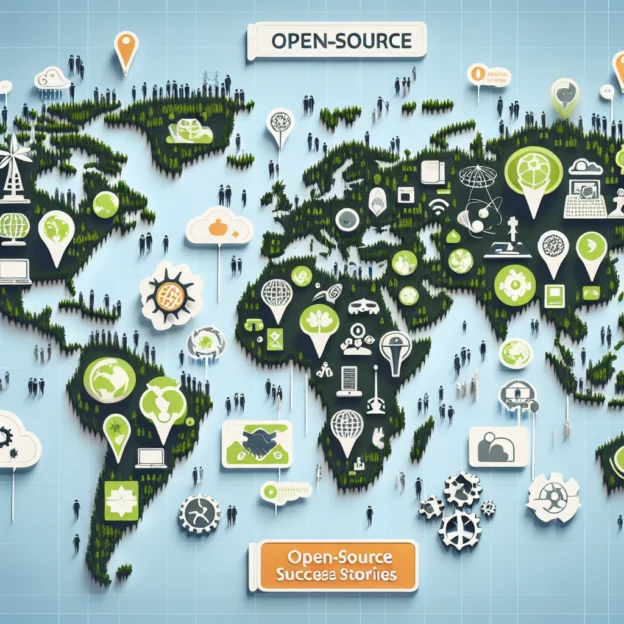
Impressive Open Source Success Stories from Around the World

Impressive Open Source Success Stories from Around the World

Open source software has changed the landscape of technology in remarkable ways. It has emboldened communities, fostered innovation, and made powerful tools accessible to anyone with an internet connection. Let’s take a stroll through some of the most impressive open source success stories, showcasing the impact such projects and initiatives have had worldwide.

The Rise of Linux

Arguably one of the most well-known success stories in the open source world is Linux. Launched in 1991 by Linus Torvalds, Linux started as a personal project to create a free operating system kernel. Fast forward to today, and it’s hard to imagine the tech world without it. Linux powers everything from smartphones to servers, including major corporations like Google, Amazon, and Facebook. In addition, countless distributions—like Ubuntu and Red Hat—have emerged from Linux, allowing users a plethora of options tailored to their needs. The collaborative nature of this project has led to massive contributions from individuals and organizations around the globe, making it a prime example of what a community can achieve.

Mozilla Firefox

Mozilla Firefox is another shining beacon of open source success. Established in 2002, Firefox was created to offer a free and open alternative to the popular Internet Explorer browser, which was synonymous with security flaws and sluggishness at that time. The Mozilla Foundation took a brave stand against proprietary software, emphasizing user privacy and web standards. The result? A robust browser that champions user autonomy. Today, Firefox still retains a loyal following and continues to evolve with regular updates focused on user experience, security, and speed, proving that community-driven projects can thrive even in competitive markets.

Wikipedia and the Knowledge Revolution

When it comes to collaborative content, Wikipedia is truly an open-source marvel. Launched in 2001, Wikipedia democratized knowledge, allowing anyone with internet access to contribute to a vast pool of information on just about any topic imaginable. The platform’s model relies on continuous editing and improvement by volunteers, which not only ensures content accuracy but also cultivates an engaged community of contributors. Today, with millions of articles in multiple languages, Wikipedia stands as a testament to the power of collective knowledge, proving that when you open the doors for discussion and cooperation, incredible results can occur.

WordPress: Powering the Web

Do you know that around 40% of all websites on the internet are powered by WordPress? This open-source content management system, launched in 2003, evolved from a simple blogging platform into a full-fledged website builder that offers unmatched flexibility and customization. With a supporting ecosystem of plugins, themes, and a user-friendly interface, WordPress has enabled countless individuals and businesses worldwide to establish an online presence easily. It’s a community-driven project that not only empowers users but fosters a thriving economy as developers create solutions tailored to varying needs.

Apache: The Web Server that Runs the Internet

The Apache HTTP Server may not be a household name, but it’s the backbone of the internet as we know it today. First released in 1995, Apache is an open-source web server that remained the most popular web server software for over two decades, holding about 25% of the market share as of 2023. This software allows individuals and companies to host their own websites effectively, providing a reliable, scalable, and customizable solution. The Apache Software Foundation continues to nurture this project, showcasing how open collaboration can lead to monumental successes in technology.

The Impact of Open Source in Education

Aside from software, open source has also made significant impacts in education. Take the platform Moodle, for example. This free learning management system was designed to provide educators with the tools to create online courses. Since its inception, Moodle has been used by schools and institutions around the world to deliver engaging educational content, fostering interactive learning experiences. Its adaptability and community-driven development mean that instructors can utilize cutting-edge tools and methodologies tailored for their student populations.

Open source is not merely a code repository; it’s a philosophy that values collaboration, inclusivity, and transparency. The success stories creeping out of this space show that when passionate people from diverse backgrounds come together, they can create solutions that resonate far and wide. As we forge ahead in this tech-driven world, let’s encourage the continued growth of open source initiatives, knowing that each success story contributes a drop in the ocean of collective human ingenuity. With open source, the possibilities are endless, and who knows what remarkable project will come next?