The Role of Open Source in Digital Transformation

The Role of Open Source in Digital Transformation

In today’s fast-paced digital landscape, businesses are constantly searching for ways to stay ahead of the curve. Digital transformation is no longer a futuristic dream—it’s the present reality for organizations eager to thrive in a tech-driven world. One of the most significant enablers of this transformation has become open source software (OSS), which plays a pivotal role in how companies innovate and adapt in an ever-changing environment.

What is Open Source Software?

First, let’s demystify what we mean by open source. Open source software is software that is made available with a licensing model that grants users the freedom to view, modify, and distribute the source code. The beauty of this model is that it fosters collaboration and community development, allowing individuals and organizations worldwide to contribute and improve the software. Popular examples include the Linux operating system, the Apache web server, and the MySQL database.

Speeding Up Innovation

One of the most compelling advantages of open source is speed. In a world where time-to-market can make or break a business, relying on proprietary solutions can be a major bottleneck. Open source allows organizations to rapidly prototype, test, and deploy solutions without starting from scratch. Developers can leverage pre-existing libraries, frameworks, and tools, all crafted by a vibrant community of contributors. This not only accelerates development timelines but also encourages experimentation and creative problem-solving.

Consider a startup looking to launch a software product. Instead of investing heavily in building a back-end infrastructure from the ground up, they can utilize open source technologies to create a highly functional prototype. This frees up resources to focus on user experience, marketing efforts, or other critical business areas.

Cost-Effectiveness

Let’s face it: budgets can be tight, especially for smaller businesses and startups. Open source software is often free or significantly more affordable than commercial alternatives. By choosing open source solutions, organizations can reduce software licensing costs and redirect their funds toward more strategic initiatives or invest in talent.

Moreover, with open source, you aren’t just saving money—you’re getting access to a wealth of innovations. Companies can benefit from the community’s collective expertise without the overhead of paying for proprietary licensing or support fees. This democratizes technology and leveling the playing field for smaller players.

Flexibility and Customization

Every organization is unique, and so are their needs. Open source software allows businesses the flexibility to customize solutions to meet their specific requirements. With access to the source code, companies can modify existing software or build entirely new functionalities. This adaptability is invaluable in the age of digital transformation, where customer preferences and market conditions can shift rapidly.

Imagine an e-commerce platform that requires a specific payment gateway. Instead of waiting for a commercial vendor to develop the feature, a company can adapt an existing open source solution to integrate their desired functionality, thereby meeting market needs swiftly and effectively.

Community and Support

Another incredible advantage of open source is the community surrounding it. The collaborative nature of open source means users are not isolated; they are part of a larger ecosystem of like-minded individuals, developers, and businesses. This community often provides valuable support through forums, documentation, and tutorials. If you encounter a roadblock, chances are someone else has faced it too and has shared a solution!

Moreover, many open source projects come with not only user communities but also organizations offering commercial support. This can provide peace of mind for enterprises nervous about the maintenance and security of their systems.

Enhancing Security and Transparency

Security is a major concern for businesses in the digital age. One of the misconceptions about open source is that it’s inherently less secure than proprietary software; however, the opposite is often true. Because the code is publicly available, it is subjected to scrutiny from developers worldwide. Issues can be identified and patched faster than in many proprietary systems where updates may rely on the vendor’s timeline.

Organizations utilizing open source can also benefit from increased transparency. They have the final say on security protocols, allowing them to build solutions that align with their specific security needs.

Embracing Digital Transformation

For leaders looking to embark on or enhance their digital transformation journey, the convergence of open source and innovation cannot be ignored. Embracing open source tools and methodologies can pave the way for agile, cost-effective, and customized solutions while tapping into a wealth of community-driven expertise and support.

Ultimately, in a world driven by digital innovation, open source stands out as a powerful catalyst for transformation. It invites businesses to not just consume technology, but to contribute to it, creating a more interconnected ecosystem where creativity thrives. As we march forward, harnessing the potential of open source will remain a key strategy in achieving sustainable growth and efficiency in our digital endeavors.


Building a Culture of Innovation with Open Source Solutions

Building a Culture of Innovation with Open Source Solutions

In today’s fast-paced digital landscape, businesses continually seek new ways to innovate. One approach that has gained significant traction over the years is the adoption of open source solutions. These collaborative and community-driven projects offer not just technical advantages, but also the potential to foster a culture of innovation within organizations. So, how exactly can embracing open source solutions create an atmosphere ripe for innovation? Let’s dive in!

The Open Source Advantage

At its core, open source refers to software that is made available for free, allowing anyone to view, modify, and distribute the code. This open approach contrasts starkly with proprietary software, where control and ownership are tightly held. The transparency of open source encourages collaboration and sharing, making it an ideal vehicle for innovation.

One major benefit of open source solutions is the vast array of tools available. Whether you need a content management system like WordPress, a data analytics platform such as Apache Hadoop, or even an operating system like Linux, there’s likely an open source option out there that can meet your needs. These tools not only save on licensing costs but allow companies to customize and innovate upon them freely.

Encouraging Collaboration and Diversity of Ideas

Open source projects often thrive on community involvement, bringing together individuals from various backgrounds, industries, and expertise levels. This diversity leads to a melting pot of ideas and perspectives that can help motivate your team to think outside the box.

By adopting open source solutions, organizations can harness this collective intelligence. Employees working with these tools become part of a broader community, encouraging them to contribute their insights and experiences. This collaborative spirit can help break down silos within an organization, leading to enhanced communication and teamwork.

Learning and Development Opportunities

One of the key aspects of building a culture of innovation is fostering continuous learning. Open source environments naturally create excellent learning opportunities, allowing employees to engage with new technologies, programming languages, and methodologies. Resources like GitHub, forums, and documentation allow for easy access to knowledge and expertise, facilitating self-directed learning.

Moreover, experimenting with open source tools can turn into a playground for developers. They can prototype ideas, test concepts, and iterate on solutions without the constraints typically present with proprietary software. This freedom to explore can lead to those "aha!" moments where groundbreaking ideas blossom and evolve.

Lowering Barriers to Entry

For many, the fear of failure can stifle creativity and innovation. Open source solutions lower these barriers to entry by providing a low-risk environment for experimentation. Developers and teams can test new ideas and implement changes without the pressure of expensive licenses or the fear of repercussions if something doesn’t work out.

This experimentation mindset is crucial in building a culture of innovation. When employees feel safe to explore ideas and learn from their failures, they are more likely to contribute and propose new initiatives. Encouraging a fail-fast mentality can lead to meaningful discoveries that propel both individual and organizational growth.

Building Community Engagement

When organizations embrace open source, they are not just adopting software; they are joining a global community. This connection provides additional motivation and resources for teams — they can tap into knowledge, receive support, and collaborate with innovators from around the world. Community-driven platforms hold numerous events, webinars, and conferences that provide excellent networking opportunities and stimulate fresh ideas.

Furthermore, contributing back to the community through bug-fixing or feature upgrades cultivates a sense of pride and ownership in your team. They become part of something bigger, enhancing job satisfaction and commitment to their work.

Crafting a Sustainable Innovation Strategy

Adopting open source solutions isn’t just a trend; it’s a strategic shift. Businesses today need to think about innovation sustainability. By investing in open source projects and encouraging their team to actively participate, they lay the groundwork for ongoing innovation.

This strategy not only helps keep businesses competitive but also aligns with the growing trend of corporate social responsibility. Contributing to open source projects can enhance your company’s reputation and build goodwill in the tech community.

To create a thriving culture of innovation, organizations must embrace open source solutions wholeheartedly. From leveraging the diverse pool of talent and resources available to promoting creativity and continuous learning, the potential for innovation is tremendous. As companies navigate the future, those that harness the open source movement will undoubtedly navigate the waters of change with creativity and resilience, steering clear of stagnation and embracing the winds of innovation.

How Free Software Catalyzes Tech Development in Emerging Markets

How Free Software Catalyzes Tech Development in Emerging Markets

In a world where technology is rapidly evolving, it’s fascinating to observe how different regions adapt, innovate, and overcome challenges. One of the most intriguing phenomena in this regard is the impact of free software on technological development in emerging markets. But what exactly is free software, and how does it drive progress in regions that might not have access to expensive proprietary solutions?

Free software, at its core, refers to software that allows users to run, study, modify, and distribute the code. Popular examples include Linux, Mozilla Firefox, and the Apache web server. Unlike proprietary software, which often comes with hefty licenses and user restrictions, free software is about freedom, collaboration, and accessibility. This democratization of technology has profound implications, especially in emerging economies where resources can be scarce and innovation is often stifled by cost barriers.

Bridging the Digital Divide

One of the most immediate benefits of free software is its ability to bridge the digital divide. In many emerging markets, access to computers and reliable internet is limited, and purchasing software licenses can be financially crippling. Free software offers an affordable alternative for individuals and businesses eager to harness technology for economic growth. With free software, anyone can set up a computer and start developing their skills without the fear of racking up costs.

In countries like India, Brazil, and parts of Africa, initiatives centered around free software have empowered communities to develop their local solutions. These solutions often cater to specific regional needs, whether it’s educational software for underfunded schools or agricultural tools to help farmers better manage their crops. By leveraging free software, local developers can address pressing challenges in creative and resourceful ways, laying the groundwork for homegrown tech ecosystems.

Fostering Innovation Through Collaboration

Emerging markets are rich with untapped potential, but they often lack the infrastructure and funding available in more developed regions. Free software promotes a culture of collaboration and knowledge-sharing, which is crucial in environments where resources are limited. Developers can learn from one another, share their code, and build upon existing projects rather than starting from scratch. This not only accelerates innovation but also helps cultivate a sense of community and support.

Take, for instance, the rise of tech hubs in cities like Nairobi and Kigali. These cities have become focal points of innovation in Africa, in part due to the thriving open-source communities that have formed there. By collaborating on free software projects, local developers not only improve their technical skills but also create networks of support that may lead to startup opportunities, job creation, and even venture capital investments.

Localizing Technology

One of the biggest hurdles in tech development in emerging markets is the need for localization. Software that is designed for a Western audience often doesn’t take into account local languages, cultures, or practices. Free software provides the foundation for localization efforts, allowing developers to modify existing tools to better serve their communities.

For example, educational platforms can be adapted to include content in regional languages or to align with local curricula. Similarly, mobile applications for agriculture can integrate traditional farming knowledge alongside modern techniques, ensuring that solutions are relevant and effective. This kind of localization fosters deeper user engagement and improves the effectiveness of technological solutions.

Empowering the Next Generation

As the world moves toward a more digital future, it’s crucial for emerging markets to equip their youth with the necessary skills to thrive in this changing landscape. Free software initiatives, often integrated into educational systems, provide students with hands-on experience in coding, software development, and problem-solving. By learning through collaboration on open-source projects, students not only gain technical expertise but also experience the power of teamwork and innovation.

Organizations like the Sugar Labs, which focuses on providing free software for learning, show how significant an impact can be made in classrooms. Children in various parts of the world are learning to code and creating projects that matter to them, inspiring a new generation of tech leaders who can drive their countries forward.

A Road Map for Sustainable Development

Ultimately, free software is about more than just technology—it’s about empowerment and sustainability. In emerging markets, where traditional paths to innovation may be fraught with barriers, free software provides a pathway to economic growth and social change. It builds resilience by fostering local talent, encouraging creativity, and promoting collaboration.

As the global tech landscape continues to evolve, the stories of innovators in emerging markets remind us of the limitless potential when technology is accessible to all. It’s a powerful testament to how, with the right tools and support, communities can not only catch up with developed markets but also leapfrog into the future, embraced by the spirit of collaboration and innovation that free software embodies.

So next time you hear about a groundbreaking app or platform coming out of an emerging market, remember that behind it might just be a group of passionate individuals leveraging free software to make their world a better place.

Open Source Software in the Cloud: Benefits and Challenges

Open Source Software in the Cloud: Benefits and Challenges

In recent years, the clouds have become more than just a poetic metaphor—their digital counterparts have transformed how we store data, run applications, and collaborate globally. As businesses and individuals migrate to cloud-based solutions, open source software (OSS) is becoming an increasingly appealing option. It faucets the power of community collaboration to create flexible, innovative, and cost-effective tools. But, just like any other technology solution, it carries its benefits and challenges.

The Benefits of Open Source Software in the Cloud

1. Cost-Effectiveness

One of the most appealing aspects of OSS is that it’s often available for free. Unlike proprietary software that can come with hefty licensing fees, OSS can run on public or private cloud infrastructures without those extra costs. This financial flexibility allows startups and small businesses to deploy applications and services without breaking the bank. Sure, there could be costs related to implementation and support, but the initial savings are hard to ignore.

2. Flexibility and Customization

Open source software offers an unparalleled level of customization. In a cloud environment, this means businesses can tailor solutions that fit their specific needs. Need to scale up? Just modify the code as necessary. Want to integrate with an existing system? OSS allows you to dig into the architecture and make it happen. This level of flexibility often leads to enhanced productivity, as teams can design systems or applications tailored to their workflows.

3. Community Support and Innovation

The open source ethos thrives on community collaboration. For developers and organizations using OSS in the cloud, this translates to a thriving network of support. If someone faces a problem, it’s likely that countless others have encountered it, providing access to a well of shared knowledge and expertise. Moreover, community-driven development leads to rapid iteration and innovation—new features are constantly being added, making OSS increasingly robust.

4. Improved Security

While some may cringe at the thought of software being available for anyone to dissect, the transparency of open source software often leads to improved security. With thousands of eyes on the code, vulnerabilities can be identified and resolved quickly. In a cloud environment, this proactive approach can be vital when securing sensitive data. Additionally, businesses have the freedom to audit the codebase to ensure compliance with their security protocols.

The Challenges of Open Source Software in the Cloud

1. Support and Maintenance Concerns

While community support can be a boon, it might not be enough for all organizations, particularly larger enterprises that require more robust service level agreements (SLAs). The absence of dedicated customer support can leave businesses stranded when they run into issues. Some companies choose to turn to third-party vendors for enterprise-grade support but may incur additional costs.

2. Complexity of Integration

With varying levels of documentation and coding styles, integrating OSS with other systems can sometimes be convoluted. Organizations that wish to leverage multiple open source tools may encounter incompatibility issues that can hinder the seamless experience one expects from cloud solutions. It requires significant upfront research and possibly a skilled technical team to get everything working together.

3. Scalability Issues

While OSS is flexible, scaling it within a cloud environment is not as straightforward as it seems. Some open-source solutions might struggle with increased workloads or may not be optimized for the cloud, leading to performance lags. Organizations need to carefully evaluate whether their chosen OSS can handle scaling as they grow.

4. Compliance and Legal Considerations

Open source software comes with various licensing agreements. While some licenses are incredibly permissive, others have restrictions that can pose risks if not properly understood. Organizations must be aware of compliance issues and legally ensure they are not infringing on any terms, which can add layers of complexity to OSS management.

Striking a Balance

As with any technology, leveraging open source software in the cloud requires careful consideration. The benefits—cost savings, flexibility, community innovation, and security—are undeniably attractive. However, businesses must also navigate the challenges that come with OSS, including support, integration complexity, scalability, and legal issues.

In the end, it often comes down to assessing one’s needs and capabilities. If a business has the technical capacity to manage and adapt OSS, it can lead to remarkable outcomes and innovations in the cloud. Embracing the power of community-driven software opens up a world of possibilities while navigating the responsibilities that come with it. The key is finding the harmony between the limitless potential of open source and the practical realities of implementing it effectively in the cloud.

The Dark Side of Open Source: Common Misconceptions Explored

The Dark Side of Open Source: Common Misconceptions Explored

When we think about open source software, we often picture a community of passionate developers collaborating to create something great, all while promoting ideals of transparency and freedom. However, lurking beneath this shiny surface are some misconceptions and challenges that don’t get nearly as much airtime. Let’s dive into some of these dark corners of open source and bust a few myths while we’re at it.

1. Open Source Equals Free

Ah, the golden misconception! Many people equate open source with free software, assuming that since it’s open for anyone to use, it must be free of cost. While open source licenses do allow you to use and modify the software, this doesn’t always mean it’s free in the monetary sense.

Think about it: you can charge for support, customizations, or even the software itself while still complying with open source licenses. There are plenty of developers and companies that offer open source solutions but attach a price tag to premium features or support. Not to mention, free doesn’t always mean it’s the best option for a serious project. Sometimes, investing a little can save you a lot in terms of time and headache.

2. Open Source Is Just for Tech Wizards

It’s a common belief that if you’re not a coding guru or tech-savvy, open source software is off-limits for you. But this couldn’t be further from the truth! Yes, many open source projects involve coding and technical know-how, but many don’t require you to write a single line of code.

For instance, projects like WordPress allow anyone, regardless of technical ability, to set up their own website. There are extensive communities around many open source projects where people contribute in many ways — from documentation and translations to providing user support. So, don’t let your lack of coding expertise hold you back; there’s a place for everyone in the open source world.

3. Open Source Software Is Less Reliable

This misconception stems from a fear of quality. Many assume that because it’s free for all to access and contribute to, the resulting software can’t possibly match the reliability or stability of proprietary software. However, many open source projects are backed by skilled teams and have vast communities that test, improve, and refine the software continuously.

Consider the likes of Linux, Apache, or even the software running this very article – open source solutions power major parts of the internet and are trusted by organizations around the globe. The collaborative nature often leads to quick fixes and robust security patches that can outpace traditional software. In many cases, the truth is the opposite of the misconception: open source software can offer a high level of reliability.

4. Open Source Means No Support

People often think that with open source software, you’re on your own if something goes wrong. While it’s true that open source projects might not have the same formal support structure as commercial software, that doesn’t mean help is unavailable. Many open source communities are vibrant and engaged, with forums, chat groups, and extensive documentation ready to assist users.

You might find that community-driven support can be more effective than traditional help desks, where ensuring a satisfaction rating often takes priority. In the open source world, active contributors are often genuinely invested in helping each other, which can lead to unexpected friendships and collaborations along the way.

5. Open Source Projects Are Always Up for Grabs

Another misconception is that all open source projects are fair game for anyone to use and modify without thought or consequence. While it’s true that open source licenses generally promote sharing and modification, not every project comes with the same guidelines. Some use more permissive licenses, while others might impose restrictions.

It’s essential to do your due diligence and understand the license agreements, as violating them can lead to legal repercussions. Just because software is open source doesn’t mean it’s completely devoid of rules!

Navigating the Landscape

As with anything in technology (or life, for that matter), the landscape of open source software is complex and multifaceted. It brings a wealth of opportunity but also comes with its own set of challenges and misconceptions. By peeling back these layers, we can admittedly see that while open source has astounding benefits — collaboration, innovation, and flexibility — it also requires a mindful approach to fully embrace its offerings.

So, whether you’re diving into an open source project or just exploring the possibilities, remember that clarity is key. Equip yourself with accurate information, and you may find yourself not only using open source software but contributing to it in ways you never imagined! Let’s keep the spirit of collaboration alive and continue to break down those misconceptions together.

Leveraging Open Source for Agile Software Development

Leveraging Open Source for Agile Software Development

In the fast-paced world of software development, agility is key. Agile methodologies have become the gold standard for teams looking to adapt to change quickly and deliver value continuously. But what if you could supercharge your Agile practices even further? Enter open source software (OSS)—a treasure trove of resources and solutions just waiting to be tapped into.

So, how exactly can leveraging open source support and enhance your Agile software development process? Let’s dive in!

The Open Source Advantage

First off, let’s take a moment to recognize what makes open source such an attractive option. Open source software is characterized by its availability for anyone to use, modify, and distribute. This means you have access to a vast pool of tools, libraries, and entire applications that can save you time, boost your creativity, and enhance collaboration across teams.

1. Speed Up Development Cycles

One of the fundamental principles of Agile is delivering working software frequently. Instead of starting from scratch, developers can leverage existing open source projects to kickstart their work. For example, let’s say you need a user authentication system. Instead of building one from the ground up, you might find proven libraries such as OAuth or even complete frameworks that can be integrated seamlessly into your project. This not only accelerates development but also allows you to redirect your focus on creating unique features that give your product a competitive edge.

2. Diverse Collaboration

Open source brings global collaboration to the forefront. By utilizing open-source tools, your development team can easily collaborate both inside and outside of the organization. For instance, platforms like GitHub allow developers from all over the world to contribute to projects. Agile’s emphasis on cross-functional teams aligns beautifully with the collaborative spirit of OSS. You can gather insights, feedback, and even code contributions from various developers and experts, which enriches your product and fosters a culture of continuous improvement.

3. High-Quality Solutions

When you leverage open source, you often gain access to high-quality, peer-reviewed software. Many open-source projects are maintained by talented developers who go above and beyond to ensure their code is robust and reliable. This community-driven approach means that bugs are usually identified and patched faster than in proprietary software, which is vital in Agile’s rapid development cycles. Moreover, with a wide user base often scrutinizing the code, you can trust that many potential issues have already been ironed out.

4. Cost-Effective Innovation

Innovation can come with a hefty price tag, but open source allows teams to experiment without breaking the bank. Traditional software can involve licensing fees, which can stifle innovation.
With OSS, organizations can try multiple tools, tweak them, and abandon one if it doesn’t fit their needs—all without the fear of incurring additional costs. This encourages a culture of experimentation, which is central to Agile methodologies. Teams can test new ideas quickly and pivot as needed based on real-time feedback and performance metrics.

5. Flexibility and Customization

In Agile development, requirements often change based on user feedback and market demands. Open source software provides the flexibility to easily modify code, allowing developers to adapt solutions to suit their specific needs. This can be particularly useful when dealing with legacy systems or unique project requirements. Instead of being pigeonholed into a rigid structure, teams can mold solutions that align perfectly with their vision.

Integrating Open Source into Your Agile Process

To effectively integrate open-source solutions into your Agile process, consider adopting the following best practices:

  • Choose Wisely: Not all open-source tools are created equal. Do thorough research to make sure you’re using a reliable and active project. Check the community, the last update, and the supported features before you dive in.

  • Document and Train: Ensure that your team understands how to effectively use the tools you introduce. Documentation is invaluable, and training sessions can help the entire team get on the same page.

  • Contribute Back: If your team leverages open source, consider giving back. Contributing code, reporting bugs, or simply providing feedback can strengthen the open-source community that makes these resources available.

In conclusion, embracing open source can enhance your Agile software development process in many ways, from speeding up development cycles and reducing costs to improving collaboration and code quality. In this era where adaptability is a cornerstone of success, leveraging open-source tools not only aligns with Agile principles but can also help your team stand out in an oversaturated market. So, grab that open-source toolkit, and watch your Agile processes take flight!

The Growing Demand for Open Source Skills in the Workforce

The Growing Demand for Open Source Skills in the Workforce

In the ever-evolving world of technology, the word “open source” has taken on a life of its own. From casual tech enthusiasts to seasoned professionals, open-source software and tools are becoming increasingly central to the modern work environment. But what does this mean for job seekers and employers alike? The growing demand for open source skills is reshaping the landscape of the workforce, creating an exciting frontier filled with opportunities and challenges.

What is Open Source?

Before diving into the workforce implications, let’s briefly touch on what open source means. At its core, open source refers to software whose source code is made publicly available for anyone to modify, use, and distribute. This promotes collaboration and innovation, as anyone can contribute to the development process. Major software like Linux, Apache, and even platforms like WordPress have their roots in open source, demonstrating how this philosophy can lead to some of the most robust and widely-used tools we have today.

Why the Surge in Demand?

So, why are employers suddenly clamoring for open source skills? First, let’s consider the economic aspect. According to recent studies, companies that leverage open-source technologies typically report lower operating costs and increased flexibility. These tools can often be customized to meet specific needs, which proprietary software might not allow. As a result, businesses are not only adopting open-source solutions but are also seeking employees proficient in these platforms to take advantage of their benefits.

Furthermore, the tech community values transparency and collaboration, mirroring broader workforce trends. Today’s employees prioritize workplaces that welcome diverse perspectives and encourage knowledge sharing. Open-source projects often thrive on this kind of community-driven approach, making it a natural fit for organizations looking to foster innovation and creativity among their teams.

What Skills are in Demand?

The rise of open-source technologies has led to a diverse skill set being sought after in the labor market. Some of the most sought-after open source skills include:

  • Familiarity with Popular Open Source Tools: Knowledge of platforms such as Git, GitHub, Docker, and Kubernetes has become essential. Proficiency in these tools enhances productivity and fosters collaboration among team members.

  • Programming Languages: Languages like Python, JavaScript, and Ruby are often associated with open source projects. Being able to code effectively in these languages can be a huge advantage for tech positions.

  • Problem Solving and Collaboration: Open-source development often involves community input and collective problem-solving. Employers are looking for candidates who can innovate while collaborating with others.

  • DevOps Skills: The integration of development and operations in a single workflow (DevOps) is spilling over into the open-source domain. Understanding the tools and practices involved in DevOps can set candidates apart.

  • Soft Skills: Communication, adaptability, and a strong sense of community are as crucial as technical skills. Open source is driven by collaboration, and employees must be able to work well with others.

The Impact on Hiring Practices

As companies prioritize open-source expertise, traditional hiring practices are also evolving. Many employers no longer solely focus on academic qualifications. Instead, portfolios and contributions to open-source projects can carry just as much weight, if not more.

Imagine a job application where your GitHub profile plays a crucial role! Hiring managers are increasingly looking for candidates who can demonstrate their coding abilities through real-world projects or contributions to existing open-source efforts. This shift allows for a more diverse range of candidates to demonstrate their skills and passion.

A World of Opportunities

For job seekers, the growing demand for open source skills opens a world of possibilities. Whether you’re a recent graduate or someone looking to switch careers, having open-source expertise under your belt can give you a competitive edge. Online resources and communities exist to help individuals build these skills—think of platforms like Coursera, edX, or even community meetups that encourage collaboration.

Moreover, the open-source community itself can be a fantastic networking platform. Engaging with others in the space could lead to collaborations, job opportunities, and lifelong friendships.

Embracing the open-source ethos doesn’t just contribute to personal and professional growth; it also aligns with a mission to make technology more accessible and collaborative. So, if you’re on the fence about diving into this arena, now is the perfect time to jump in. Your future self (and potential employer) will thank you for it!

Best Practices for Contributing to Open Source Projects

Best Practices for Contributing to Open Source Projects

The open source community is a vibrant place where collaboration and creativity come together. Whether you’re a seasoned developer, a budding programmer, or just someone with an itch to tinker with code, contributing to open source can be deeply rewarding. Not only can you help build something meaningful, but you also get to learn from others and improve your own skills along the way. So, how do you get started and make sure your contributions are valuable? Here are some best practices for making your mark on open source projects.

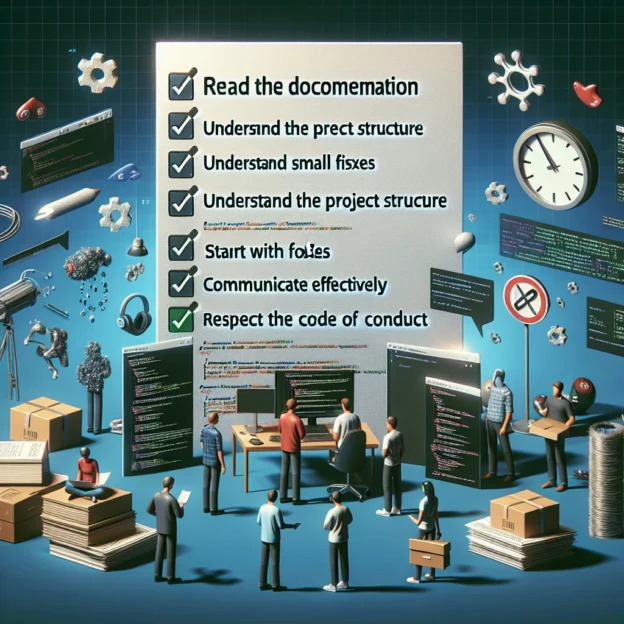
Choose the Right Project

When you’re new to open source, the sheer volume of projects available can be overwhelming. Start by choosing a project that genuinely interests you. It could be an area related to your profession or a hobby you’re passionate about. Look for projects that have a welcoming community—this often means they have a well-maintained README file, documentation, and active discussions. GitHub’s “issues” tab is a great place to find open issues tagged as “good first issue” or similar labels, which are usually beginner-friendly.

Understand the Community and Guidelines

Every open source project has its own set of contribution guidelines. Take the time to read through them before diving in. These guidelines typically include how to report bugs, suggest features, and submit code. Understanding the code of conduct and the preferred communication channels—like a Slack group or a mailing list—shows respect for the community. Engaging with others helps establish relationships and fosters a sense of belonging.

Start Small

It’s easy to feel the pressure to make a huge contribution right off the bat, but starting small is often the best way to get your feet wet. Fixing a simple bug, improving documentation, or writing tests are excellent starting points. Not only do these tasks help ease you into the codebase, but they also allow you to demonstrate your commitment to the project. Once you’re comfortable, you can gradually take on more significant tasks.

Set Up Your Development Environment

Before you can write code, you’ll need to get the project running on your local machine. This setup can include installing dependencies and getting familiar with the build process. Follow the instructions carefully—if they’re lacking or confusing, feel free to reach out to the maintainers or community for help. A well-functioning development environment will save you a lot of headaches later on!

Engage with the Community

Building relationships within the open source community can significantly enhance your experience. Join forums, participate in discussions, and attend local meetups or conferences if possible. Many projects have regular meetings or online chats; joining these can provide valuable insights into project direction and priorities. Engaging with others also opens up opportunities for mentorship, continued learning, and support when navigating complex problems.

Make Thoughtful Pull Requests

When you’re ready to submit your changes, take a moment to craft thoughtful pull requests (PRs). A good PR summarizes what you’ve changed and why. Be sure to reference any relevant issues and include screenshots or examples if applicable. Also, run tests where possible—passing tests help build confidence in your changes. If your PR receives feedback, approach it positively. Sometimes, changes may be requested, and taking feedback with an open mind is crucial for growth.

Be Respectful and Patient

Open source maintainers often juggle multiple responsibilities, and it might take time for them to review your contributions. Be patient! If you don’t hear back after a reasonable period, a gentle nudge is perfectly acceptable. Remember that the open source community thrives on respect; being polite and understanding builds strong relationships.

Keep Learning

Contributing to open source isn’t just about coding; it’s a fantastic opportunity to learn and grow. Use this platform to learn about best coding practices, design patterns, and collaboration in a team setting. Don’t hesitate to ask questions—most communities are filled with people eager to help. Take time to read other people’s code and PRs; this can be a great learning tool and will help you understand different approaches and perspectives.

Open source is a fulfilling endeavor that opens doors not just within your career but also in building relationships with like-minded individuals. Remember that every great developer was once a beginner. Embrace the experience, seek out opportunities to give back, and never forget that every contribution—big or small—has the power to make a difference. So, roll up your sleeves, dive in, and enjoy the process!

How Open Source Empowers Entrepreneurs and Startups

How Open Source Empowers Entrepreneurs and Startups

In the rapidly evolving landscape of technology and business, open source software has emerged as a game-changer. For entrepreneurs and startups, it’s not just a buzzword; it’s a transformational resource that can enhance innovation, reduce costs, and speed up development. Let’s explore how the open source movement is empowering the next generation of business leaders and creators.

The Cost Advantage

One of the most appealing aspects of open source software is its affordability. For startups operating on tight budgets, every penny counts. Traditional software can come with hefty licensing fees that can drain resources and limit investment in other critical areas such as marketing or product development. Open source eliminates these costs, allowing entrepreneurs to build and deploy applications without the burden of expensive licenses.

Consider that many open source projects come with robust community support. This means that instead of hiring a whole team of engineers right off the bat, startups can take advantage of the shared expertise from communities around popular frameworks and platforms. It’s not just about saving money, but also about tapping into a wealth of knowledge without the corresponding price tag.

Rapid Iteration and Flexibility

In the startup world, speed is of the essence. The ability to innovate rapidly and pivot based on market feedback can be the difference between success and failure. Open source tools and platforms provide entrepreneurs with the flexibility to quickly modify and tailor their solutions to fit their needs. Since the source code is accessible, making adjustments, adding features, or even scrapping what doesn’t work can all happen with a few lines of code.

For example, a startup may begin with a basic e-commerce template from an open source platform like Magento. As they receive customer feedback, they can adapt the platform almost on the fly, continuously improving the experience for their users.

Community Support and Collaboration

One of the strongest advantages of engaging with open source software is the community it fosters. When entrepreneurs leverage open source software, they’re not just using a tool; they’re entering a vibrant community of developers and users who continue to contribute, share knowledge, and provide support. This collaborative environment encourages innovation and idea exchange.

Many open source projects have forums, chat groups, and even conventions where developers congregate to discuss improvements and share solutions to common problems. Networking within these communities often leads to partnerships and collaborations that can help startups overcome technical obstacles or offer new insights into their business endeavors.

Access to Cutting-Edge Technology

Keeping up with the latest technologies can be daunting for emerging businesses. Open source gives startups early access to cutting-edge technologies that might otherwise be out of reach. Many big tech players, like Google, Microsoft, and IBM, contribute to open source projects, ensuring they are using the latest advancements.

For instance, frameworks like TensorFlow for machine learning or Kubernetes for container orchestration are open source and widely adopted in the industry. Startups can utilize these advanced technologies without having to reinvent the wheel or invest in proprietary alternatives that could become outdated quickly.

Encouraging a Culture of Transparency and Trust

Transparency is becoming a significant differentiator in today’s business environment. Consumers increasingly prioritize honesty in the brands they support, and open source aligns perfectly with this trend. Because the code is publicly available for review, startups can build trust with their customers by demonstrating their commitment to security, privacy, and ethical practices.

Many successful companies have established their credibility by adopting an open source model. By being transparent about their software’s functionality and data handling, these businesses often foster loyalty among users who appreciate an upfront approach. This transparency can also serve as a marketing tool, distinguishing a startup from competitors still relying on opaque, proprietary solutions.

A Stepping Stone to Investment

Finally, using open source software appropriately can catch the eye of investors. When startups demonstrate that they are leveraging open source effectively, it signals sophistication, resourcefulness, and an understanding of the tech landscape. This can make a startup more attractive to potential investors who recognize the value of innovation paired with prudent financial management.

In a world where agility, innovation, and resource management are crucial, open source software has become a tool that not only empowers entrepreneurs but also democratizes access to technology. By removing the barriers posed by costs, providing rapid development capabilities, and fostering a culture of collaboration and transparency, open source is shaping the future of entrepreneurship.

As this movement continues to grow, it’s exciting to think about how many new startups will pave the way in their industries, propelled by the limitless possibilities that open source provides. The door is wide open for those ready to embrace it.

The Legal Aspects of Open Source: What Every Business Should Know

The Legal Aspects of Open Source: What Every Business Should Know

Open-source software is everywhere these days, from the apps on your phone to the servers powering large-scale online services. Its collaborative nature and flexibility have made it a go-to choice for businesses of all sizes. But even though open source makes tech a lot more accessible and often cost-effective, the legal aspects can be a little murky. Let’s dive into what every business should know about the legal side of using, modifying, or contributing to open-source software.

Understanding Open Source Licensing

When you venture into the world of open source, you’ll quickly encounter a variety of licenses. These licenses dictate how software can be used, modified, and redistributed. It’s crucial to understand that not all open-source licenses are created equal.

For example, the GNU General Public License (GPL) is a copyleft license, meaning that any derivative work must also be open-source and licensed under the same terms. On the flip side, permissive licenses like the MIT License or Apache License allow businesses to use, modify, and even incorporate open-source code into proprietary products without the obligation to disclose their own source code.

As a business, understanding the implications of the license attached to any open-source software you want to use is critical. Failing to comply with the terms can lead to legal complications, including potential lawsuits, which no one wants to deal with!

Compliance is Key

Using open-source software doesn’t mean you can ignore compliance. Make it a priority to review licensing agreements and keep track of what software you’re using. Implementing a system for managing open-source compliance can save you from future headaches. This may involve using tools designed for open-source licenses that can help identify and track all the components in your codebase.

It’s also a good practice to document where your open-source software comes from and the licenses associated with each piece. This documentation can be invaluable down the line, especially if you’re ever audited or facing legal scrutiny.

Contributions and Attribution

If your business decides to contribute to open-source projects, be aware of the licensing implications of your contributions. When you modify and share code, you may be required to license it under the same terms as the original source, depending on the project’s license. This means thinking carefully about what you share and how you go about contributing.

Attribution is another important aspect when dealing with open-source software. Respect the original authors and follow the license terms regarding how they wish to be credited. This not only keeps you legally compliant but helps maintain a culture of respect and collaboration in the open-source community.

Trademarks and Branding

While you’re navigating the software aspect of open source, don’t overlook trademarks and branding. Open-source projects can have their own associated trademarks, and using them without permission can lead to legal issues. Be judicious about how you reference or use the names and logos associated with open-source projects in your marketing or product offerings.

Always check the project’s branding guidelines and reach out if you’re uncertain. It’s better to ask than to run the risk of a trademark dispute that could disrupt your business.

Risk and Liability

One of the biggest draws of open source is cost effectiveness, but businesses should also be aware of the risks involved. Open-source software typically lacks the same level of support and warranty that you’d expect from commercial software. This means that if something goes wrong, you’ll likely have to troubleshoot or fix it yourself.

Risk management should be part of your open-source strategy. This might include assessing the security of the open-source components you’re using, keeping them up to date, and training your team to recognize potential vulnerabilities.

The Benefits Outweigh the Challenges

Despite its complexities, the benefits of using open-source software can far outweigh the challenges. With transparency in code, the ability to innovate, and often lower costs, many businesses find that open source is a viable option that enhances their operations.

What’s vital is ensuring that you navigate the legal landscape carefully. Being diligent about licensing, contributions, compliance, and risk can help you enjoy all the incredible advantages of open-source without running into hurdles along the way.

In the end, open-source software can be a game-changer for businesses ready to embrace its ethos of collaboration and innovation. By understanding the legal aspects and committing to responsible use, your business can thrive in this exciting section of the tech landscape. Why not dive in and see what open source can do for you?