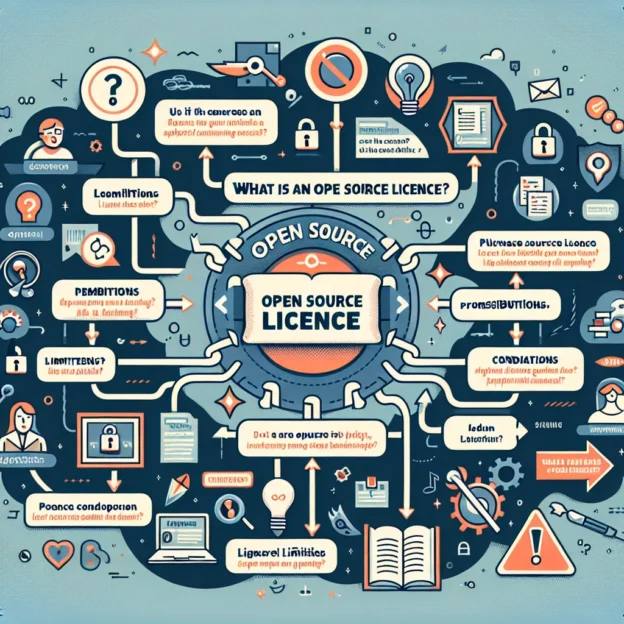
Understanding the Open Source License: What You Need to Know
In a world where software drives much of our daily lives, the distinctions between free and open source software can be a bit murky. You might have heard about open source licenses thrown around in tech circles, but what exactly are they, and why should you care? Whether you’re a developer, a business owner, or just a curious tech enthusiast, understanding open source licenses can empower you to make better choices regarding software use, development, and distribution.
What Is Open Source Software?
Let’s start with the basics. Open source software (OSS) is software whose source code is made available to the public. This means anyone can inspect, modify, and enhance the code, encouraging collaboration and innovation. Popular examples include the Linux operating system, the Firefox web browser, and the Apache server. Because the source code is freely accessible, open source software tends to be more adaptable and can often solve specific problems for users in ways that proprietary software cannot.
What Are Open Source Licenses?
An open source license is a legal framework that dictates how software can be used, modified, and shared. These licenses ensure that the software remains open and accessible to the public while defining the rights and responsibilities of users. Different licenses can have vastly different implications, so it’s essential to understand them to avoid potential hiccups down the road.
Types of Open Source Licenses
Open source licenses generally fall into two categories: permissive and copyleft licenses.
-
Permissive Licenses: These licenses allow for more freedom in how software is used and modified. You can take the code, make changes, and even incorporate it into proprietary software without needing to release your modifications. Examples include the MIT License and the Apache License. This flexibility makes permissive licenses appealing for businesses and developers who want to build on existing work without strict conditions.
-
Copyleft Licenses: In contrast, copyleft licenses enforce that any derivative work must also be released under the same license. This means if you modify the software, you must make your changes available to others under the same terms. The GNU General Public License (GPL) is a famous example of this type of license. The idea behind copyleft is to keep the software—and any improvements made to it—free and open for everyone.
Why Does It Matter?
Understanding open source licenses isn’t just for developers. If you run a business, it’s crucial to know the legal implications of using open source software, especially if your products are built on it. Using software under a restrictive license without adhering to its conditions could lead to legal consequences, fines, or the seizure of a product.
Even if you’re not coding, many companies use software from third parties. When you pick a tool for your business, consider the license type. Using a permissively licensed software might give you more freedom to adapt it to your needs, while a copyleft license could encourage you to contribute back to the community.
Best Practices for Handling Open Source Software
Navigating the world of open source licenses can feel daunting, but there are some best practices you can follow to keep things simple:
-
Read the License: Seriously, take a little time to understand what you’re agreeing to when you download software. Most licenses are available online, and while some can be a bit legalese-heavy, filters like summaries or explanatory documents can help.
-
Document Usage: Keep track of all open source software your team uses. If you ever decide to modify or redistribute it, having a clear record will save you a lot of trouble.
-
Incorporate Compliance Into Development: If you’re building apps or products using open source components, make compliance a core part of your development process.
-
Engage with the Community: The open source community is vast and full of resources. Engaging with it can provide insights, help you stay up to date with the best practices, and even open doors for collaboration.
Promoting Innovation and Sharing Knowledge
Open source software thrives on collaboration and sharing. Understanding licenses enables you to participate ethically and responsibly in this vibrant ecosystem. Whether you’re simply utilizing tools to get your job done or actively contributing code, knowledge of open source licenses paves the way for a richer software landscape filled with creativity and innovation. So, the next time you come across software with an open source license, remember: you’re not just using code; you’re entering a vast, collaborative community built on the principles of freedom and shared knowledge. Take advantage of that spirit, and don’t hesitate to dive deeper into the open-source world!