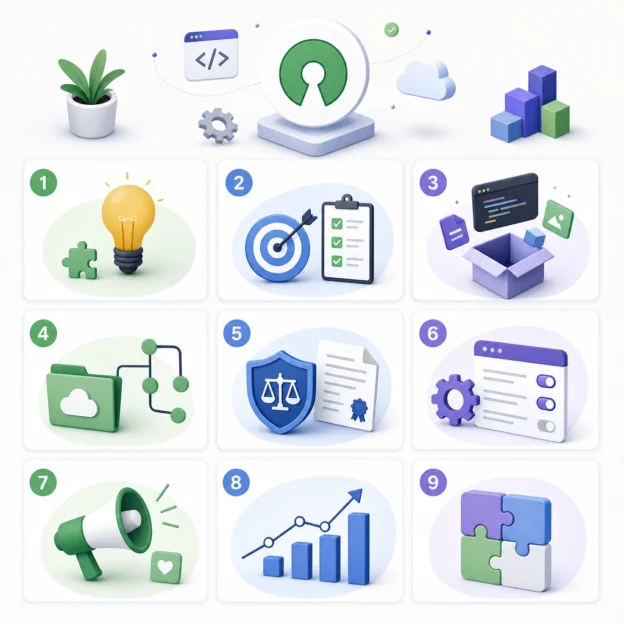
A Guide to Starting Your Own Open Source Project
Have you ever found yourself frustrated with software that doesn’t quite meet your needs? Or maybe you’re a developer eager to share your skills and contribute to the digital world? Starting your own open source project is a fantastic way to address both of those situations! But where do you even begin? Fear not! I’m here to guide you through the exciting journey of creating an open source project that could benefit countless others while allowing you to hone your skills and expand your network. Let’s dive in!
Identify the Problem
First things first: every great open source project begins with a problem. Think about what you encounter in your daily life—whether it’s cumbersome software, a lack of resources, or even a niche that’s not well-covered. The best projects often stem from personal frustration or the desire to improve something you care about.
Once you’ve pinpointed the issue, it’s essential to validate it. Chat with others in forums, seek opinions on social media, or even conduct surveys. Ensuring that other people resonate with your problem will help you gauge interest and attract contributors down the road.
Define Your Project
With a problem in hand, it’s time to define your project. What solutions can you offer? Write down your vision statement. A clear, concise mission will not only guide your development but also attract collaborators who share your goals.
Think about the scope of your project—aim for something that’s challenging yet manageable. If your project is too broad, you may become overwhelmed and abandoned halfway through. An excellent tip is to consider starting with a Minimum Viable Product (MVP), which embodies the core features necessary to address your initial problem.
Choose Your Tech Stack
Choosing the right technologies for your project is crucial. Depending on your problem, research different programming languages, frameworks, and databases that might best suit your needs. Look for technologies that have good community support and documentation, as this will help you as well as any contributors later on.
Keep in mind that simplicity can often be your best friend. If your project is welcoming to newcomers, you’ll likely gain a community of contributors faster.
Set Up Your Repository
Now that you have a plan, let’s talk logistics. Setting up an online repository is a must for any open source project. Platforms like GitHub, GitLab, or Bitbucket are trendy choices for hosting your code. When you set up your repository, make sure you include:
- A clear README.md file: This is essentially your project’s front door. It should explain what your project does, how to install it, and how to contribute.
- A LICENSE file: Open source means that you need to determine how others can use your code. Choosing a license (like MIT or GPL) is crucial for clarifying the terms of use.
- A CONTRIBUTING.md file: If you want others to contribute, provide guidelines on how they can do that. Outline the process for reporting bugs, submitting features, or writing documentation.
Organizing your files, using proper naming conventions, and creating directories for different features will also set a strong foundation for others to jump in easily.
Build a Community
Every open source project reaches a point where it’s not just about code. It’s about community. Engage with developers on forums, social media, or sites like Reddit to spread the word about your project. Consider creating a Discord or Slack channel where contributors can discuss ideas, report issues, and offer feedback.
Don’t shy away from attending local meetups or tech conferences to showcase your work! Networking with other developers can lead to meaningful collaboration. Sometimes, just one conversation can ignite a spark that brings new life to your project.
Maintain Your Project
Building your open source project is just the start—it’s essential to keep it alive. Regularly check for new issues, respond to pull requests promptly, and engage with your community. Your project’s success relies on maintaining a healthy environment where contributors feel valued and inspired to help.
Make sure to document changes, keep an eye on dependencies, and regularly update your project. This not only enhances your codebase but also signals to the community that you’re actively invested in your project.
Embrace the Journey
Starting your own open source project is a rewarding experience full of learning opportunities. Be prepared for challenges, but remember that these hurdles often lead to skills you never knew you needed. You might even inspire others to start their open source journeys, helping to build a bigger community and encouraging collaboration.
As you embark on this exciting venture, keep your passion at the forefront, and remember that the open-source spirit thrives on collaboration and sharing. Who knows? Your little project could transform into a community landmark, benefiting not just you, but countless others around the globe. Happy coding!