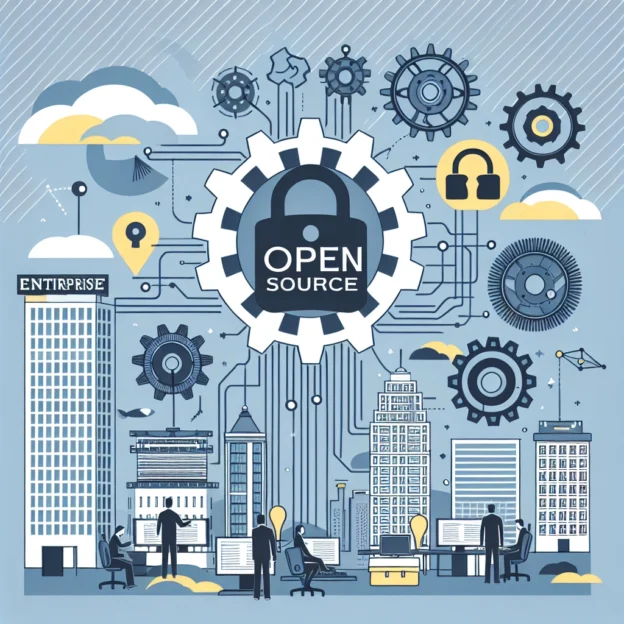
Making the Case for Open Source in Enterprise Environments
In the fast-paced world of technology, staying relevant is a constant battle for businesses, especially in enterprise environments where the complexities of operations can make or break a company. One trend that has gained significant traction over the years is the adoption of open-source software. You may be wondering why so many organizations are jumping on this bandwagon, especially when proprietary solutions are often marketed with flashy sales pitches. Let’s unpack the benefits of open-source and explore why it deserves your attention—and your investment.
Flexibility and Control
First and foremost, one of the standout features of open-source software is its inherent flexibility. Unlike proprietary software, where you’re typically locked into a vendor’s ecosystem, open-source solutions offer you control over customization. This is particularly important for large enterprises with unique needs. Consider a healthcare provider that requires specialized software to maintain compliance with stringent regulations—open source allows them to modify existing code to suit their specific workflows without awaiting vendor updates.
This flexibility also extends to integrations. As businesses utilize various tools and systems, open-source projects often have a vibrant community of developers willing to create and maintain integrations, ensuring your tools work well together. And if you need something that’s not available? You have the freedom to build it yourself or hire someone to get it done.
Cost-Effective Solutions
When budgeting for technology, organizations are always keen to minimize costs without sacrificing quality. Open-source software shines here as well. While it may be free to use, the real savings come from the total cost of ownership. Proprietary platforms often require expensive licenses, maintenance fees, and long-term contracts. With open-source, you can allocate your budget towards hiring skilled developers who can enhance and maintain your systems.
Of course, some might counter that using open-source comes with hidden costs. Yes, there may be expenses related to hiring expertise or supporting maintenance, but consider the long-term return on investment. The ability to tweak solutions to your needs, avoiding vendor lock-in, and fostering a community of support can ultimately yield substantial savings.
Community and Collaboration
Let’s talk about the community aspect, which is often an underappreciated advantage of open-source software. When you adopt an open-source solution, you’re not just opting for a tool; you’re joining a global community of users, developers, and enthusiasts. This network can be incredibly beneficial for problem-solving and innovation.
With proprietary systems, if an issue arises, you’re at the mercy of the vendor’s support team, often facing long wait times and generic responses. In contrast, with open-source, solutions might just be a forum post away, with community members eager to help. This collaborative spirit can lead to insights and improvements that proprietary software simply can’t match.
Security and Transparency
Security is a major concern for any enterprise, especially as cyber threats become more sophisticated. It might seem counterintuitive, but open-source software can sometimes offer better security than its closed counterparts. Why? Because the code is open for anyone to review. When many eyes are scrutinizing the code, vulnerabilities can be identified and patched much more quickly.
Of course, this isn’t to say that all open-source projects are inherently secure; there are definitely some with lax maintenance. But major, well-supported projects generally have active communities committed to keeping things secure and up-to-date. Additionally, you have visibility into the software’s inner workings, allowing you to identify potential security issues for your specific environment more effectively.
Innovation and Future-Proofing
Open-source software is inherently designed to evolve. As new technologies and methodologies emerge, open-source projects are often at the forefront of innovation. This aligns well with the fast-paced nature of enterprise environments where adaptation is critical.
If you choose traditional software, you may find yourself struggling to adapt to new technologies due to limitations placed by the vendor. Choosing open-source setups helps mitigate this risk. You’re more likely to remain on a current technology stack, reducing the chances of falling behind the competition.
Ultimately, embracing open-source solutions in enterprise environments is not just a trend; it represents a paradigm shift towards greater control, cost-effectiveness, and innovation. As we continue to witness progress in technology, the customization, community support, and transparent security that open-source offers stand out as compelling reasons to consider its adoption. The choice may very well be what sets forward-thinking organizations apart from those that lag behind. So why not take the plunge? Join the open-source revolution and empower your organization to thrive in an ever-evolving landscape.