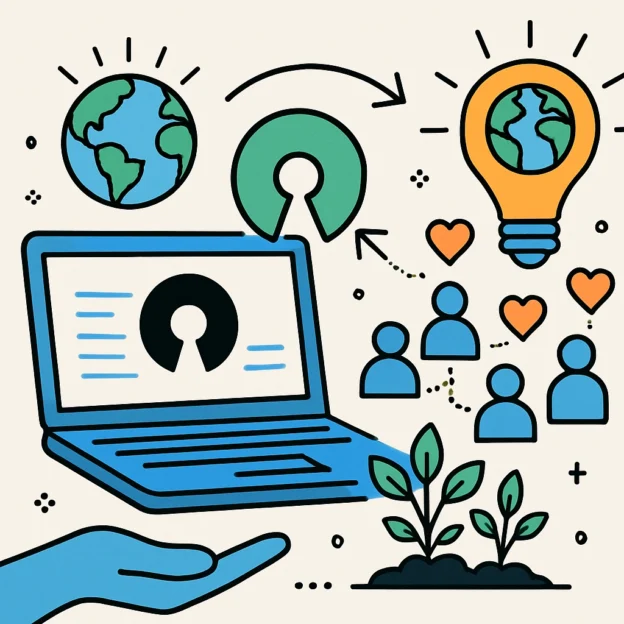
Harnessing the Power of Open Source for Social Good
In a world increasingly driven by technology, the concept of open source software emerges like a beacon of hope for innovation, collaboration, and social good. This model, where the source code of a program is made freely available to anyone, has transformed industries and empowered communities. If you’re wondering just how this works, let’s dive into the heart of open source and explore how it’s being harnessed for social impact.
The Open Source Movement: A Brief Overview
At its core, the open source movement promotes transparency and collective effort. Unlike proprietary software, where a single company controls access to the source code, open source invites anyone to modify, share, and improve the software. This spirit of collaboration has given rise to renowned projects such as Linux, Mozilla Firefox, and the Apache web server, but its influence extends far beyond the tech realm.
From education to healthcare, the principles of open source are now being applied in diverse sectors to tackle some of society’s most pressing issues. The philosophy encourages participation and democratizes technology, allowing anyone—regardless of socioeconomic background—to access the tools they need to effect change.
Success Stories: Open Source in Action
Across the globe, numerous projects exemplify how open source can drive social impact. Here are just a few impressive examples:
1. OpenMRS
In healthcare, the OpenMRS project stands out as a robust platform for managing patient records in resource-constrained settings. Developed as a collaborative effort among healthcare professionals, developers, and volunteers, OpenMRS allows organizations to customize the software to fit their specific needs. It has been deployed in numerous countries, making healthcare more accessible, efficient, and adaptable to local contexts. The ability to share insights and improvements helps practitioners continually refine approaches to patient care.
2. Ushahidi
Ushahidi is another remarkable example that took shape during times of crisis. Originally created to track and map post-election violence in Kenya, this open-source platform allows users to share information through SMS, email, or web. Today, Ushahidi has been utilized in various scenarios, from disaster response to human rights monitoring, helping communities compile real-time data and inform action.
3. OpenStreetMap
Let’s not forget about OpenStreetMap (OSM), which is often referred to as the "Wikipedia of maps." It encourages individuals from all walks of life to contribute their knowledge to produce free and editable maps of the world. This has proven invaluable in disaster relief, where precise and up-to-date mapping can make a significant difference in deploying resources effectively.
The Community Component
One of the standout features of open source projects is their community-driven nature. Users are not just passive consumers; they are active participants. Individuals from varying backgrounds come together, bringing their unique perspectives and skills to collaboratively solve challenges. This organically nurtures a sense of belonging and shared purpose, which can often extend into real-world connections and tangible change.
Moreover, mentoring opportunities abound within these communities. Newcomers can learn from seasoned contributors, gaining technical expertise while being exposed to best practices in collaboration and project management—all valuable skills that can pave the way to future career success.
Challenges and Considerations
While the potential is vast, the road isn’t always smooth. Open source projects can sometimes struggle with sustainability, funding, or adequate resources to maintain momentum. Volunteers may burn out, and as projects scale, governance can become more complex. Nevertheless, being aware of these challenges is part of the journey, and many communities are actively seeking solutions.
To address these challenges, organizations can engage in structured fundraising, seek partnerships with institutions, and lay down formal governance frameworks that ensure longevity and inclusivity. As the significance of open source continues to grow, so will the need for establishing processes that keep projects dynamic and relevant.
The Future of Open Source for Social Good
Looking ahead, the future is bright for open source as it continues to effectuate change in both technical and social realms. As we witness the intersection of technology and grassroots movements, supporting open source initiatives can foster innovation and community solidarity.
By harnessing the principles of open source, we can build a more equitable society, where knowledge and resources are shared for the collective good. Whether you’re a developer, a nonprofit leader, or just someone passionate about making a difference, engaging with open source initiatives offers a tangible way to contribute to a better world.
In this age of connectivity and information, we have an unprecedented opportunity to unleash the power of open source not only to innovate but also to inspire a movement toward thoughtful, inclusive social progress. The only limit is how far we’re willing to reach out and collaborate. After all, every contribution—big or small—can leave a lasting impact.