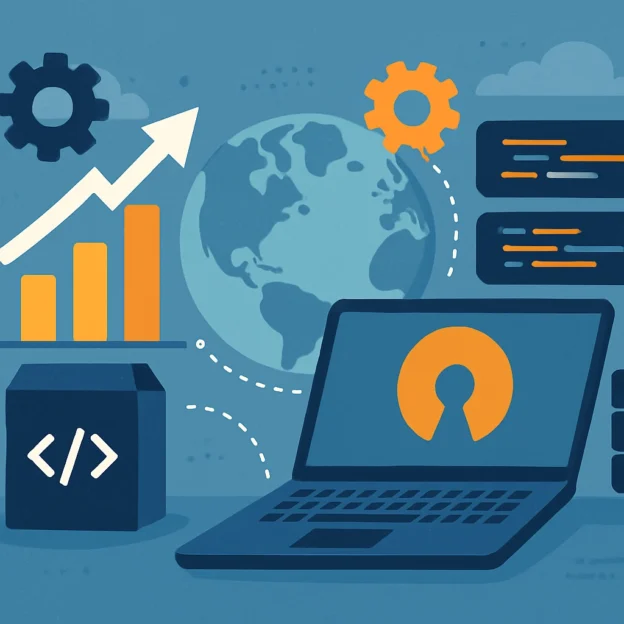
The Impact of Open Source on the Global Software Industry
In the rapidly evolving world of technology, few concepts have had as profound an effect as open source software. The idea of making software source code publicly available and allowing anyone to inspect, modify, and enhance it has revolutionized not just the way we develop software, but also how we interact with technology as a whole. If you find yourself wondering how open source has reshaped the global software industry, grab a comfy seat and join me on this journey through code.
The Birth of Open Source
Open source isn’t a new concept; it has roots that stretch back to the 1980s, but its momentum really kicked off in the late 1990s with the rise of projects like the Linux operating system. The philosophy was simple: by allowing a community of developers to collaborate and contribute, the software would become more robust and feature-rich. This collaborative spirit laid the groundwork for powerful tools and platforms that we rely on today.
Imagine a world where tech companies hoarded all of their software secrets. Innovation would be stifled, and progress would grind to a halt. Open source shatters these barriers—allowing anyone, regardless of their background, to become part of the development process. This grassroots movement encourages learning, experimentation, and ultimately, the sharing of knowledge.
Community and Collaboration
At its core, open source thrives on community involvement. Developers from all walks of life come together, contributing their unique perspectives and expertise. This collaborative approach leads to the rapid identification and resolution of bugs, more extensive testing, and a diversity of ideas that closed-source products simply can’t match. Projects like WordPress, Apache, and even major frameworks like React and Django have become staples of the industry—proof that teamwork fuels innovation.
But it’s not just developers who benefit; businesses are seeing the value of open source as well. Companies can leverage these solutions to cut costs, speed up development times, and avoid vendor lock-in. In many cases, using open source software is a game-changer that allows startups and smaller organizations to compete with larger, established players. It’s a software utopia where ingenuity reigns, and small teams can dream big without the burden of heavy financial and licensing restrictions.
The Economic Shift
The rise of open source has also catalyzed economic shifts in the global software industry. According to a recent survey by the Linux Foundation, a remarkable percentage of technology companies contribute to open source projects. This isn’t just altruism; it’s a strategic move. By actively participating in open source initiatives, businesses can cultivate innovation and talent while aligning themselves with industry standards.
Furthermore, the open source model has birthed an entire ecosystem of services. From cloud computing to cybersecurity, companies are packaging open source software with additional support, training, and consulting services. This has given rise to successful business models that generate revenue while fostering the spirit of collaboration.
Challenges and Disputes
Of course, this explosive growth hasn’t been without its hurdles. Licensing remains a contentious issue in the open source community. Different projects adopt varying licenses that dictate how code can be used or modified. Navigating this landscape can be tricky, and misunderstandings can lead to disputes, stalling development or even splitting communities.
Moreover, while open source can democratize software development, it can also raise questions about ownership and accountability. In cases where code becomes widely adopted, determining who is responsible for maintenance and updates can be murky. When a crucial open-source component faces a security vulnerability, the widespread use can put all reliant systems at risk.
The Future of Open Source
Looking ahead, the open source model seems poised to continue shaping the global software industry. With the rise of artificial intelligence, machine learning, and the Internet of Things (IoT), the flexibility and adaptability of open source software will be essential in tackling the complex challenges of the future.
As we strive to create smarter, more connected tools, maintaining an open dialogue and upholding the principles of transparency will be more valuable than ever. And let’s face it, as consumers, we all appreciate the ability to adapt technology to meet our needs—because after all, who knows better how to solve our individual problems than we do?
Open source is more than a trend; it’s a movement toward collaboration, innovation, and inclusion in technology. As we all continue to contribute—whether through coding, bug reporting, or simply choosing to use open-source solutions—we can help carve a path that honors the foundational ideals of trust and community that this remarkable movement embodies. So whether you’re a seasoned developer or a tech enthusiast just dipping your toes into the waters of open source, there’s never been a better time to get involved. Let’s keep this momentum rolling!