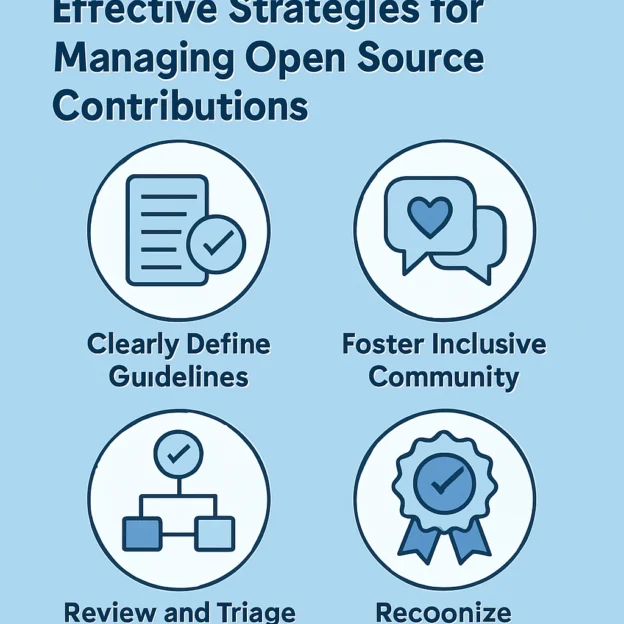
Effective Strategies for Managing Open Source Contributions
Open source software has changed the way developers collaborate, innovate, and share their work with the world. With countless projects springing up every day, managing contributions effectively is essential for the growth and sustainability of these projects. Whether you’re an experienced developer or just embarking on your open source journey, implementing smart strategies can help you navigate the complex world of contributions with ease and confidence.
Create Comprehensive Documentation
One of the golden rules of managing open source contributions is to provide clear, comprehensive documentation. Think of your README file as the face of your project—this is often the first thing potential contributors will see. Make it friendly, inviting, and informative. Include installation instructions, usage examples, contribution guidelines, and any relevant links to further resources.
Additionally, using a CONTRIBUTING.md file is a big plus. It details how to contribute, outlines your code of conduct, and sets expectations. Providing a style guide or coding standards can also help ensure contributions align with the project’s vision and quality.
Foster a Welcoming Community
Your open source project should feel like a community, not just a repository. Creating an inclusive and welcoming environment encourages more people to contribute. Engage with contributors regularly, respond to their pull requests, and thank them for their contributions, regardless of how big or small.
Consider setting up a chat platform, like Slack or Discord, where contributors can ask questions and share ideas. Sometimes, all it takes is a friendly conversation to turn a casual user into an engaged contributor.
Use Labels and Issues Strategically
Effective issue management can greatly enhance your project’s workflow. Using labels on GitHub, for instance, can streamline your issue tracking and help guide potential contributors. You can categorize issues by complexity, feature requests, bug fixes, and more. This allows newcomers to find beginner-friendly issues they can tackle, while still giving experienced contributors a chance to work on more challenging tasks.
Regularly triaging open issues also demonstrates that your project is active and well-maintained. Communicate with contributors about their progress and clarify any questions they may have. This not only keeps everyone informed but also builds a sense of accountability.
Embrace Code Reviews
Code reviews are life-savers when it comes to maintaining code quality in an open source project. They not only help catch bugs before they’re merged but also offer an excellent learning opportunity for contributors at all levels. Implement a system where code reviews are prompt and constructive. Encourage your contributors to ask follow-up questions and incorporate feedback without feeling discouraged.
You might also want to establish a specific format for reviewers to follow, ensuring critique remains constructive and aligns with the project’s ethos.
Automate Where Possible
Automation can be your best friend. Set up Continuous Integration (CI) tools to run tests and checks for every pull request automatically. This reduces the burden on maintainers and streamlines the process for contributors eager to see their code in action. Tools like Travis CI, CircleCI, or GitHub Actions can be fantastic for automating testing and other repetitive tasks, ensuring your project remains robust and reliable.
Acknowledge Contributions
Recognizing contributions is an essential part of maintaining a thriving open source project. Create a contributors’ file or use GitHub’s contributors graph to showcase all who have lent a hand. Celebrate milestones, whether they involve reaching a certain number of contributions or the successful launch of a new feature. This not only motivates current contributors but may also attract new ones who see a vibrant and engaged community.
Continuous Improvement
Even after implementing these strategies, remember that managing an open source project is an evolving process. Seek feedback from your contributors about what works and what doesn’t. Open an ongoing dialogue and be open to making changes as your community grows.
Change is the only constant in open source, and being adaptable will keep your project alive and thriving. Share successes and challenges, and consistently refine your approach to resonate with your contributors’ needs.
In the end, effective management of open source contributions revolves around building a transparent, welcoming, and engaging community. As you refine these strategies, you’ll not only enhance the quality of your project but create an enriching environment for developers to collaborate and share their talents. Embrace the journey, and enjoy the many rewards that come with nurturing a thriving open source community!