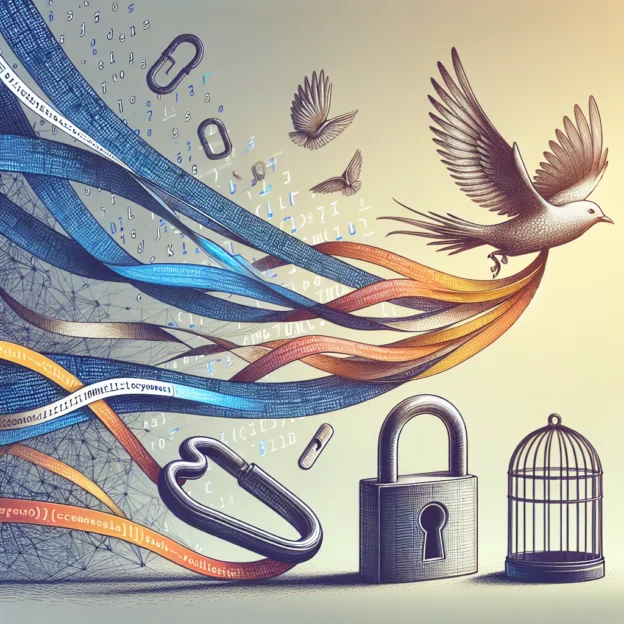
Understanding the Principles of Software Freedom
In an age where technology permeates every aspect of our lives, the concept of software freedom has become an essential topic for anyone who uses a computer, smartphone, or even those nifty smart home devices. Yet, many people might not fully grasp what software freedom entails or why it matters. Let’s dive into the principles behind software freedom and see how they can shape the future of technology for the better.
What is Software Freedom?
At its core, software freedom refers to the users’ ability to run, modify, and share the software without any restrictions. It’s about giving individuals control over their digital lives rather than being at the mercy of large corporations. The movement is closely associated with the Free Software Foundation (FSF), which defines a free software program as one that respects user freedom.
But let’s clarify something: when we talk about “free software,” we’re not just referring to the price tag—it’s not necessarily about being free of charge. Instead, it’s about freedom regarding how the software can be utilized. Richard Stallman, the founder of the Free Software Movement, emphasized four critical freedoms that contribute to the software’s “free” nature.
The Four Freedoms
-
Freedom 0: The freedom to run the program, for any purpose. This means that you can use the software however you like without worrying about restrictions imposed by the developer.
-
Freedom 1: The freedom to study the program and change it, so it does your computing as you wish. This freedom completely hinges on access to the source code, enabling you to customize it to your needs.
-
Freedom 2: The freedom to redistribute copies of the original program so you can help others. This encourages community sharing, ensuring that no one is left out of the tech revolution simply because they can’t afford software.
-
Freedom 3: The freedom to distribute copies of your modified versions to others. This ensures that the community can benefit from your improvements, leading to better software for everyone.
Why Does Software Freedom Matter?
You might be wondering why these freedoms are so important. In a world increasingly dominated by a handful of tech giants, software freedom serves as a counterbalance to corporate control. When users have autonomy over the software, they can engage more deeply with the technology they use. They can trust it, modify it, and contribute back to a community of developers and users.
Moreover, software freedom empowers innovation. When developers have access to the source code, they’re more likely to build upon existing projects, leading to rapid advancements and new ideas. Open-source software, which is built under these principles, has spawned a myriad of applications from operating systems like Linux to programming languages such as Python.
The Community Impact
Another often overlooked aspect of software freedom is its potential to foster community. The open-source culture promotes collaboration, where everyone can contribute—regardless of their skill level or background. Unlike proprietary software, which keeps development behind closed doors, open-source projects encourage feedback and contributions from a worldwide pool of talent.
This social aspect affirms that technology can be more than just profit-driven; it can be a shared journey. When we share ideas, knowledge, and resources, we build a richer community focused on collective growth rather than individual gain.
Challenges to Software Freedom
Of course, the principles of software freedom aren’t always well-received. Many companies rely on proprietary software to protect their intellectual property and turn a profit. This often leads to concerns over user privacy and security. It’s a delicate balance, as numerous individuals may not even realize they’re compromising their freedom for convenience.
Moreover, the digital divide is a significant issue. Not everyone has the skills to modify software or the resources to leverage software freedom fully. As we advocate for open-source and free software, it’s essential to make these concepts accessible and understandable to everyone, ensuring no one is left behind.
The Road Ahead
Software freedom remains a vital issue in our increasingly digital world. By comprehending its principles and advocating for open software solutions, we empower ourselves and others to reclaim control and champion transparency. As the movement continues to grow, it encourages a culture of collaboration, innovation, and freedom—principles that will shape our future in ways we can only begin to imagine.
In a world where our devices often dictate how we live, work, and connect, embracing software freedom isn’t just a nice-to-have—it’s a crucial step toward ensuring that technology serves humanity, not the other way around.