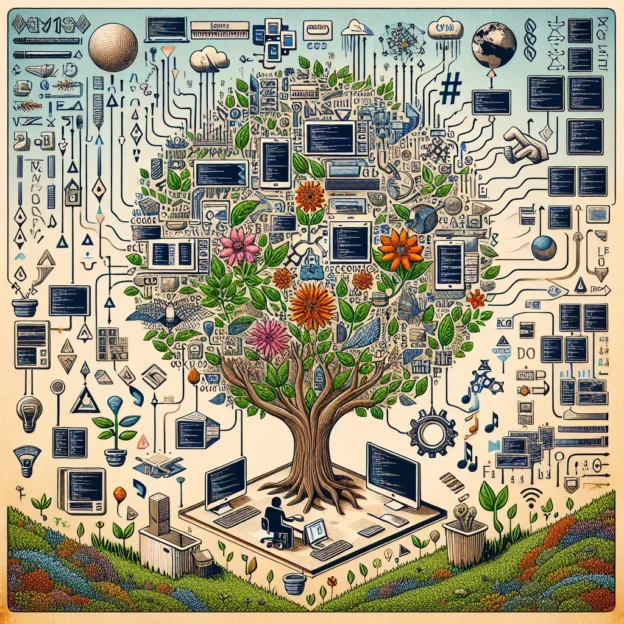
Cultivating Software Freedom: The Needs of Developers and Users
In today’s digital landscape, where software is intertwined with almost every aspect of our daily lives, the idea of “software freedom” has gained significant traction. More than just a techy buzzword, it embodies the principles of open access, transparency, and the empowerment of both developers and users. So why should we care about it? Let’s dive deeper into the needs of these two crucial groups within the software ecosystem and how they intertwine to create something truly innovative and useful.
What is Software Freedom?
At its core, software freedom refers to the freedom to use, modify, and share software without restrictions. Sounds great, right? But it goes beyond just having access to the code. It’s about collaboration, community, and openness. The Free Software Foundation, for instance, talks about four essential freedoms: the freedom to run the software for any purpose, the freedom to study and change it, the freedom to redistribute copies, and the freedom to distribute modified versions.
Embracing these principles can foster a more innovative environment, whether you’re a casual user or a seasoned developer. But how do the needs of developers and users come into play?
Developers: The Creators of Tomorrow
For developers, the landscape is continuously shifting, influenced by technology trends, user expectations, and the ever-looming threat of proprietary software. Software freedom gives them the opportunity to innovate without corporate constraints. Here’s how:
1. Creative Autonomy
When developers have control over their code, they can steer the direction of their projects to better align with their passions and the needs of the community. It’s a creative playground—one where they can experiment, learn from failures, and venture into uncharted territories without the financial pressures imposed by corporate environments.
2. Collaboration over Competition
Open-source projects embody collaboration. Developers from all corners of the globe can contribute their expertise to improve an application, fix bugs, and enhance security. This community-driven approach creates a more robust product and establishes a network of support rather than a cutthroat environment. Many hands can make lighter work, and diverse insights can lead to innovative solutions.
3. Learning and Growth
For aspiring developers, engaging with open-source projects is an invaluable way to gain experience. They have the opportunity to view and learn from real-world code, contribute meaningfully to projects, and build a portfolio that stands out in a job market increasingly focused on practical experience.
Users: Empowered Participants
For users, the benefits of software freedom extend well beyond simply accessing software. Rights come with responsibilities, and having software freedom means users can take an active role in shaping their technological experience. Here’s how they benefit:
1. Greater Control
Users aren’t just passive consumers; they become empowered participants. With open-source software, they control their data and the functionality of the tools they use. If a feature doesn’t suit their needs, they—or someone in the community—can modify it. This level of customization often isn’t possible with proprietary software, which can leave users feeling boxed in.
2. Enhanced Privacy
In an age where data breaches and privacy concerns are rampant, using open-source software can offer reassurance. Because the source code is accessible, it can be audited for security vulnerabilities and malicious elements. Users can assert their right to privacy decisively, knowing that their software respects their personal information.
3. Building Community
Using open-source software often means joining a community of like-minded individuals who are passionate about collaboration and improvement. Users can share feedback, report bugs, and request enhancements—essentially becoming part of a living organism that evolves over time. This sense of belonging adds an emotional connection to software, making it more than just a tool.
The Harmony of Interests
At first glance, the needs of developers and users may seem divergent. But in reality, the pursuit of software freedom can unite their interests for mutual benefit. Projects can thrive in a landscape where developers can innovate unimpeded while tuning into the desires and pain points of users. Collaboration, transparency, and empowerment become the hallmarks of a thriving software ecosystem.
The journey toward software freedom is not without its challenges. Proprietary interests still loom large, and education on the subject is vital to ensure both developers and users recognize the benefits. However, by cultivating an environment that values freedom, respect, and community, we’re not just fostering better software—we’re nurturing a culture that embraces inclusivity and innovation for all. The future of software, and indeed, technology as a whole, could be bright if we prioritize these values. Whether you are a developer or a user, engaging in this movement can lead to rewarding experiences that enhance the digital experiences we all cherish.