Best Practices for Contributing to Open Source Projects
The open source community is a vibrant place where collaboration and creativity come together. Whether you’re a seasoned developer, a budding programmer, or just someone with an itch to tinker with code, contributing to open source can be deeply rewarding. Not only can you help build something meaningful, but you also get to learn from others and improve your own skills along the way. So, how do you get started and make sure your contributions are valuable? Here are some best practices for making your mark on open source projects.
Choose the Right Project
When you’re new to open source, the sheer volume of projects available can be overwhelming. Start by choosing a project that genuinely interests you. It could be an area related to your profession or a hobby you’re passionate about. Look for projects that have a welcoming community—this often means they have a well-maintained README file, documentation, and active discussions. GitHub’s “issues” tab is a great place to find open issues tagged as “good first issue” or similar labels, which are usually beginner-friendly.
Understand the Community and Guidelines
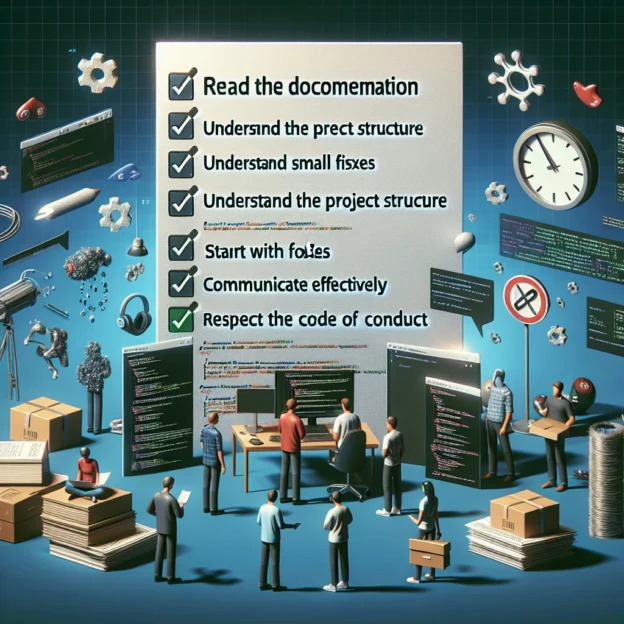
Every open source project has its own set of contribution guidelines. Take the time to read through them before diving in. These guidelines typically include how to report bugs, suggest features, and submit code. Understanding the code of conduct and the preferred communication channels—like a Slack group or a mailing list—shows respect for the community. Engaging with others helps establish relationships and fosters a sense of belonging.
Start Small
It’s easy to feel the pressure to make a huge contribution right off the bat, but starting small is often the best way to get your feet wet. Fixing a simple bug, improving documentation, or writing tests are excellent starting points. Not only do these tasks help ease you into the codebase, but they also allow you to demonstrate your commitment to the project. Once you’re comfortable, you can gradually take on more significant tasks.
Set Up Your Development Environment
Before you can write code, you’ll need to get the project running on your local machine. This setup can include installing dependencies and getting familiar with the build process. Follow the instructions carefully—if they’re lacking or confusing, feel free to reach out to the maintainers or community for help. A well-functioning development environment will save you a lot of headaches later on!
Engage with the Community
Building relationships within the open source community can significantly enhance your experience. Join forums, participate in discussions, and attend local meetups or conferences if possible. Many projects have regular meetings or online chats; joining these can provide valuable insights into project direction and priorities. Engaging with others also opens up opportunities for mentorship, continued learning, and support when navigating complex problems.
Make Thoughtful Pull Requests
When you’re ready to submit your changes, take a moment to craft thoughtful pull requests (PRs). A good PR summarizes what you’ve changed and why. Be sure to reference any relevant issues and include screenshots or examples if applicable. Also, run tests where possible—passing tests help build confidence in your changes. If your PR receives feedback, approach it positively. Sometimes, changes may be requested, and taking feedback with an open mind is crucial for growth.
Be Respectful and Patient
Open source maintainers often juggle multiple responsibilities, and it might take time for them to review your contributions. Be patient! If you don’t hear back after a reasonable period, a gentle nudge is perfectly acceptable. Remember that the open source community thrives on respect; being polite and understanding builds strong relationships.
Keep Learning
Contributing to open source isn’t just about coding; it’s a fantastic opportunity to learn and grow. Use this platform to learn about best coding practices, design patterns, and collaboration in a team setting. Don’t hesitate to ask questions—most communities are filled with people eager to help. Take time to read other people’s code and PRs; this can be a great learning tool and will help you understand different approaches and perspectives.
Open source is a fulfilling endeavor that opens doors not just within your career but also in building relationships with like-minded individuals. Remember that every great developer was once a beginner. Embrace the experience, seek out opportunities to give back, and never forget that every contribution—big or small—has the power to make a difference. So, roll up your sleeves, dive in, and enjoy the process!