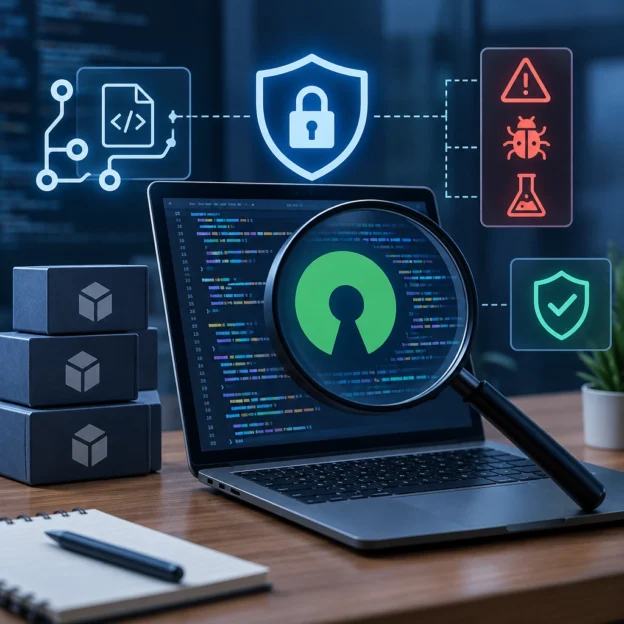
Analyzing the Security Implications of Open Source Software
Open source software is everywhere: it powers websites, mobile apps, cloud services, and even many of the tools people use every day. Its source code is publicly available, which lets developers inspect, modify, and share it. That openness can make software more transparent and adaptable—but it also raises important security questions.
The reality is more nuanced than “open source is secure” or “open source is risky.” Its security depends on how a project is built, maintained, reviewed, and used.
Why openness can improve security
Publicly available code can be examined by developers around the world. That broad visibility may help uncover bugs and vulnerabilities that would otherwise remain hidden. Independent researchers can test the software, suggest fixes, and verify whether changes address a problem.
Open source can also make it easier for organizations to understand what their software does. Rather than relying entirely on a vendor’s assurances, teams can inspect the code, review its history, and adapt it to their needs. When a project is actively maintained, security fixes may be available quickly—and users can apply them without waiting for a commercial release cycle.
This is sometimes summed up as “many eyes make bugs shallow.” It’s a useful idea, but not a guarantee. Code being public does not mean anyone has actually reviewed it.
The risks behind popular dependencies
A major security challenge is the sheer number of open source components used in modern software. An application may depend on hundreds or thousands of libraries, which in turn rely on other libraries. A vulnerability in a small, overlooked component can therefore affect products far beyond the original project.
This dependency chain can be difficult to track. Teams may not know which versions they use, whether a dependency is still maintained, or whether a newly reported vulnerability applies to their systems. Even when a fix exists, applying it can require testing and changes to other parts of an application.
Popular projects can face another kind of risk: attackers may target their maintainers. Many open source projects depend on a small number of volunteers, who may have limited time and resources. A compromised account, malicious code change, or takeover of an abandoned project can introduce harmful software into a trusted supply chain.
Transparency is not the same as safety
Open source code can be inspected by defenders, but it can also be studied by attackers. Public vulnerability reports and code changes may help criminals understand weaknesses, particularly when organizations delay applying updates.
Still, hiding code is not a reliable security strategy. Closed-source products can contain serious flaws too; users may simply have less ability to examine or fix them independently. The more practical question is whether a project has strong safeguards: careful review, secure release practices, active maintenance, and a clear process for reporting vulnerabilities.
What organizations can do
Organizations do not need to avoid open source to manage its risks. They need a process for using it responsibly.
Start by keeping an inventory of software components, including their versions and dependencies. Tools such as software composition analysis scanners can help identify known vulnerabilities, though their results should be reviewed rather than treated as a complete security verdict.
It also helps to choose projects thoughtfully. Look for signs of healthy maintenance: recent releases, responsive issue handling, documented security policies, and more than one active contributor. These signals are not foolproof, but they provide useful context.
When a vulnerability is announced, teams should assess whether they are affected, prioritize based on real-world risk, and apply fixes promptly. Pinning dependency versions and verifying package sources can reduce the chance of unexpected or malicious changes. For critical systems, organizations may also want to review licenses, support options, and contingency plans in case a project becomes inactive.
A shared responsibility
Open source is neither inherently safe nor inherently dangerous. Its openness can support scrutiny and innovation, while its vast ecosystem and uneven maintenance can create real exposure. The difference often comes down to how carefully projects and dependencies are managed.
For developers, that means treating every library as part of the product’s security boundary. For maintainers, it means building sustainable practices and making security information accessible. And for organizations, it means knowing what they use—and staying prepared to update it.
The strongest approach is not to fear open source or trust it blindly. It is to pair its flexibility with thoughtful review, maintenance, and accountability.